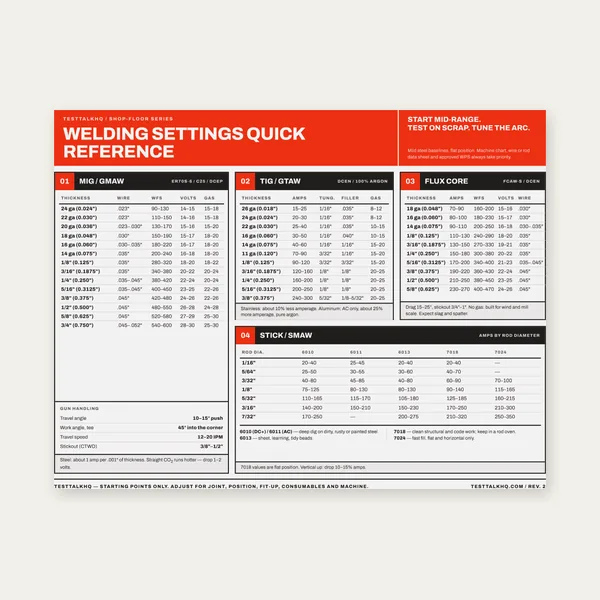
Welding Reference Card
One page. MIG, TIG, stick and flux core settings by thickness.
$3.99
BuyOptimize speed, amperage, pierce time, and gas pressure for precision plasma cutting
Estimate cutting speed (IPM), suggested operating amperage, pierce time, and indicative gas pressure from material, thickness, machine capacity, cut-quality priority, and torch angle—consistent with the original calculator logic.
For shielding gas flow (welding), use the Shielding Gas Flow Rate Calculator; plasma cutting often pairs with shop air—see product picks below.

One page. MIG, TIG, stick and flux core settings by thickness.
$3.99
Buy
19 pages. Four processes, stainless and aluminum, symbols and inspection.
$12.99
Buy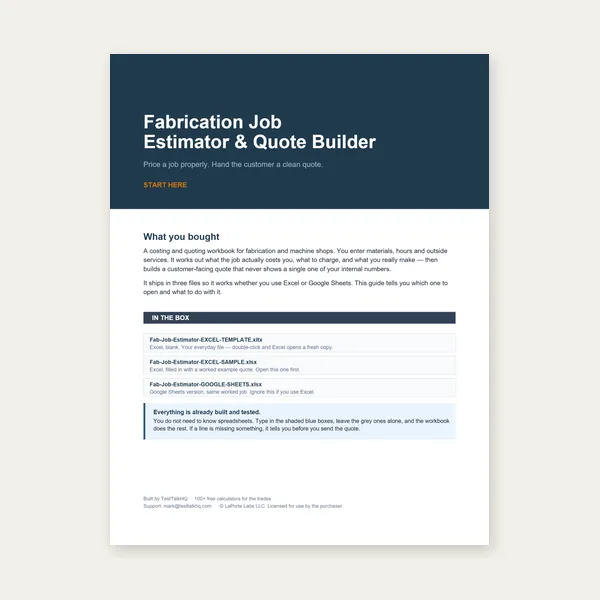
Price the job, then hand over a quote with no internal numbers.
Excel or Google Sheets. Best on a computer.
$29.00
Buy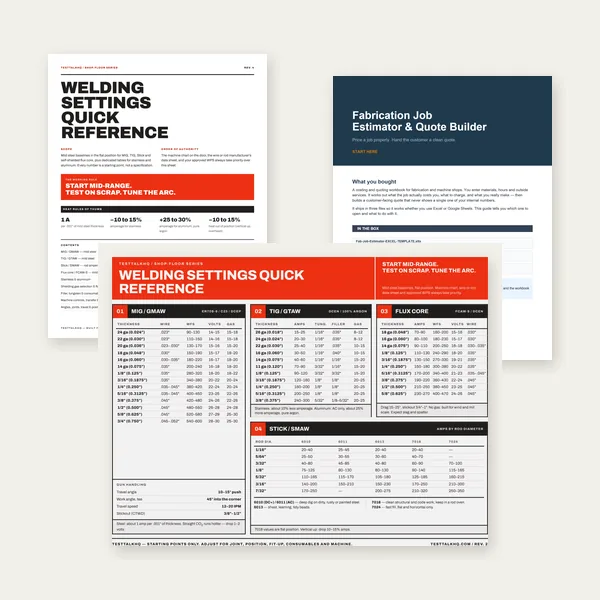
Card, 19-page guide and the estimator workbook. All six files.
Excel or Google Sheets. Best on a computer.
$34.99
$45.98 if bought separately — save $10.99
BuyCheckout opens in a new tab.
Machines, shop air, and consumables aligned with plasma workflows—not generic welding filler picks.
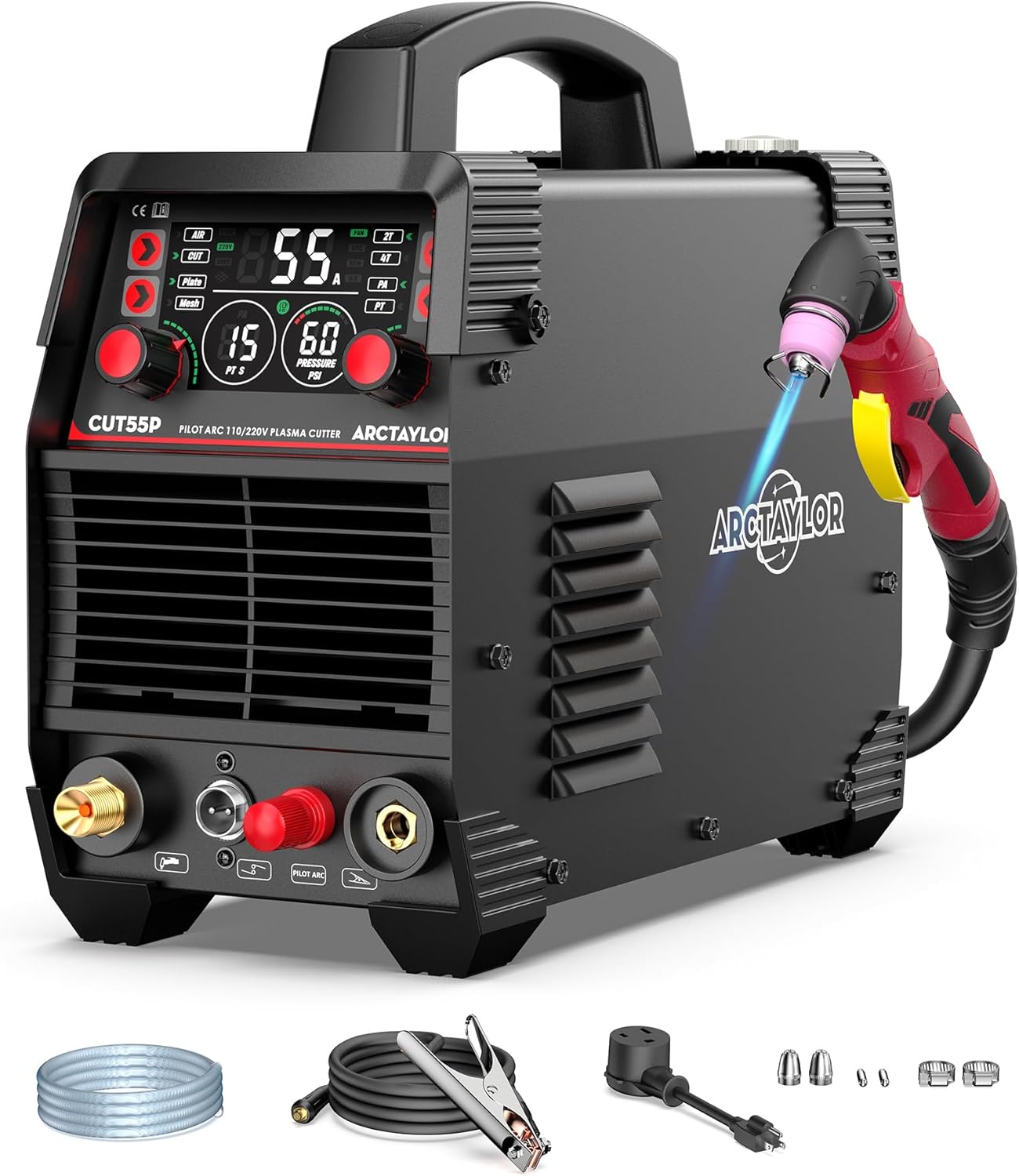
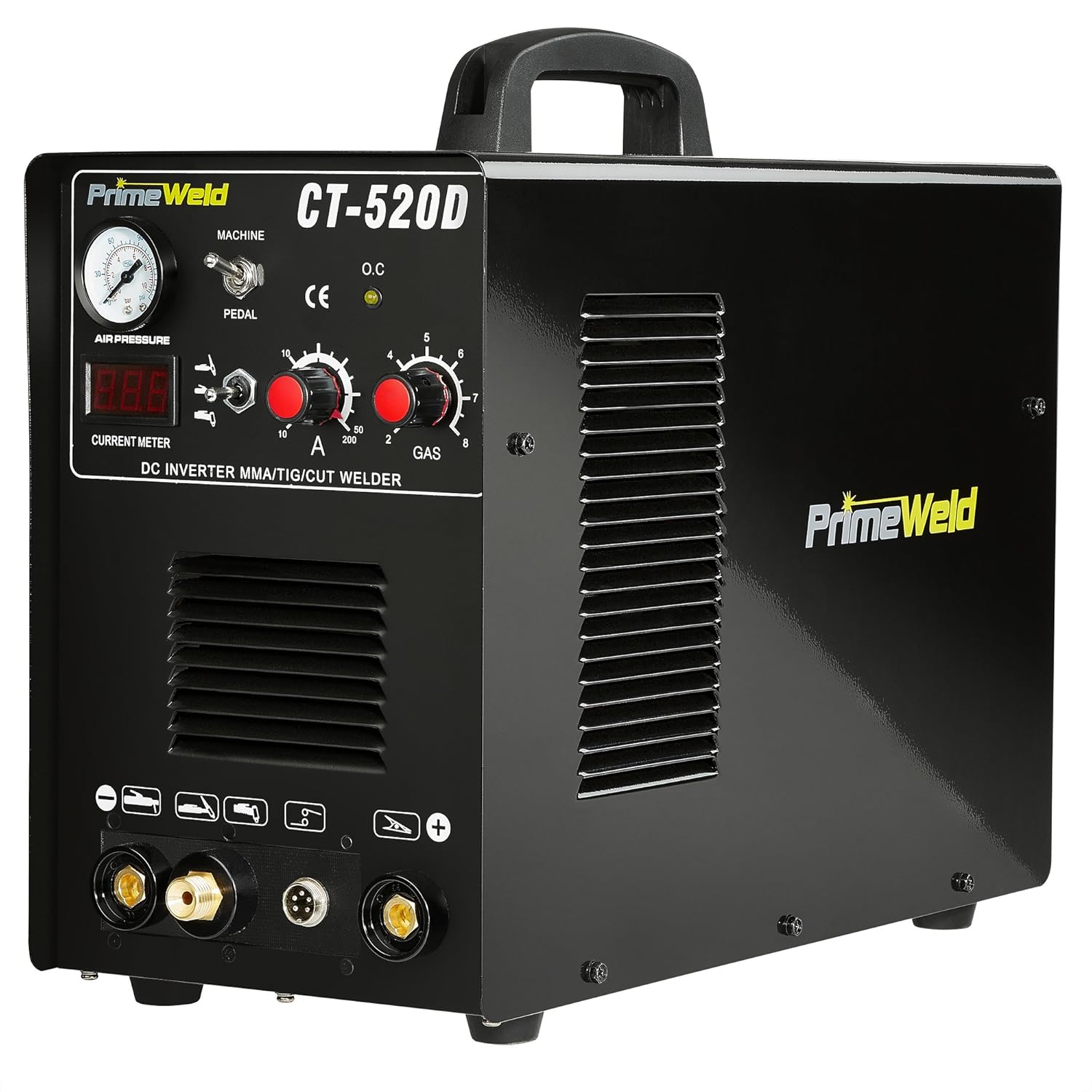
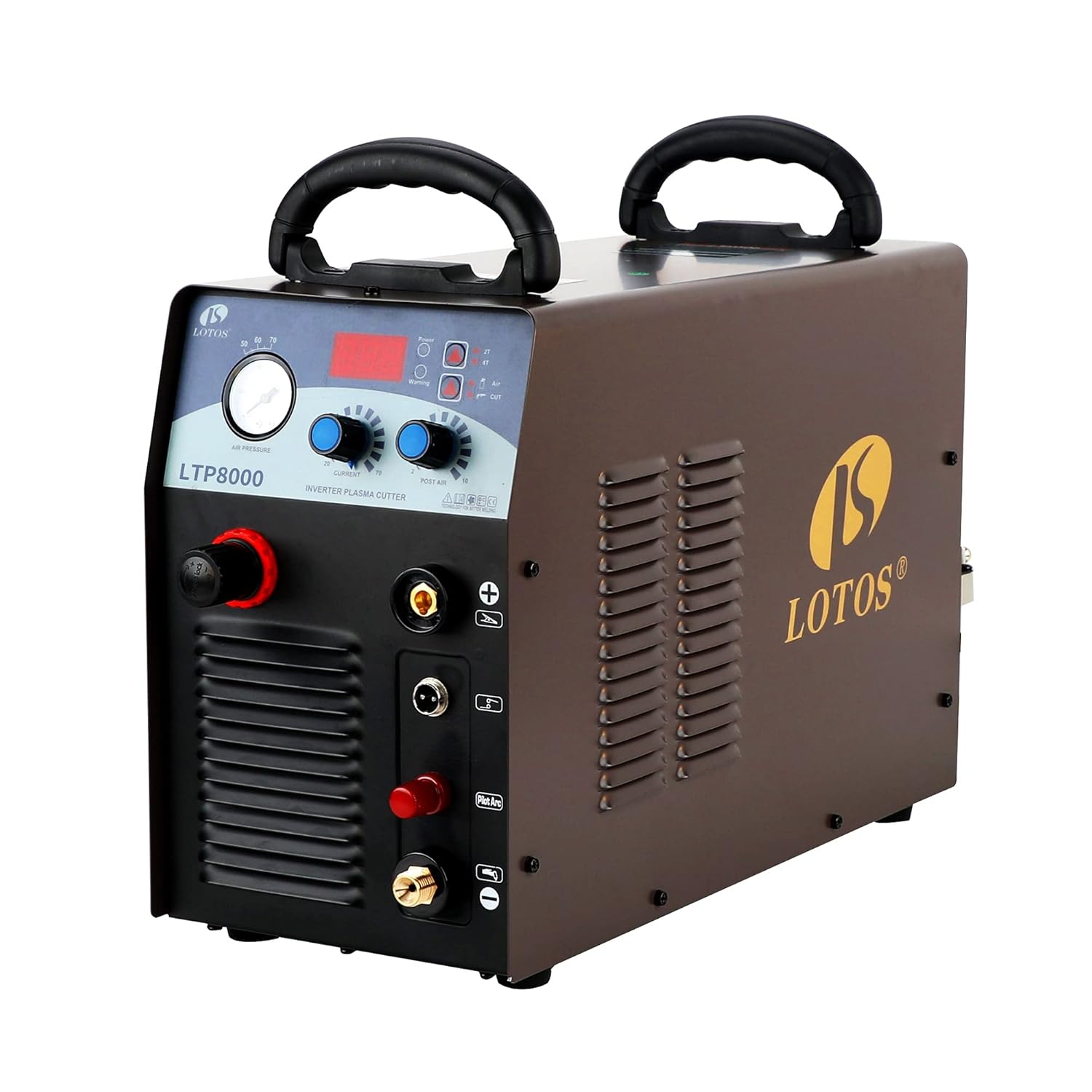
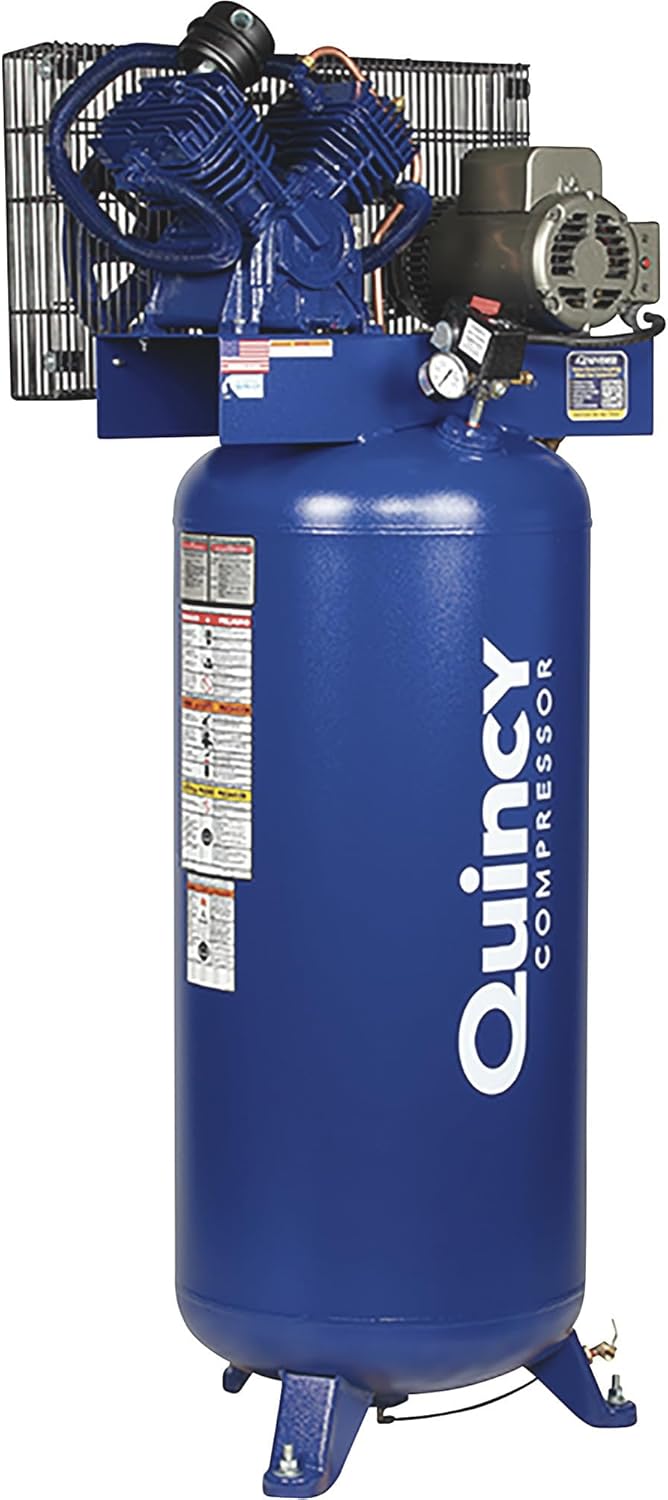
Sizing help: complete air compressor guide
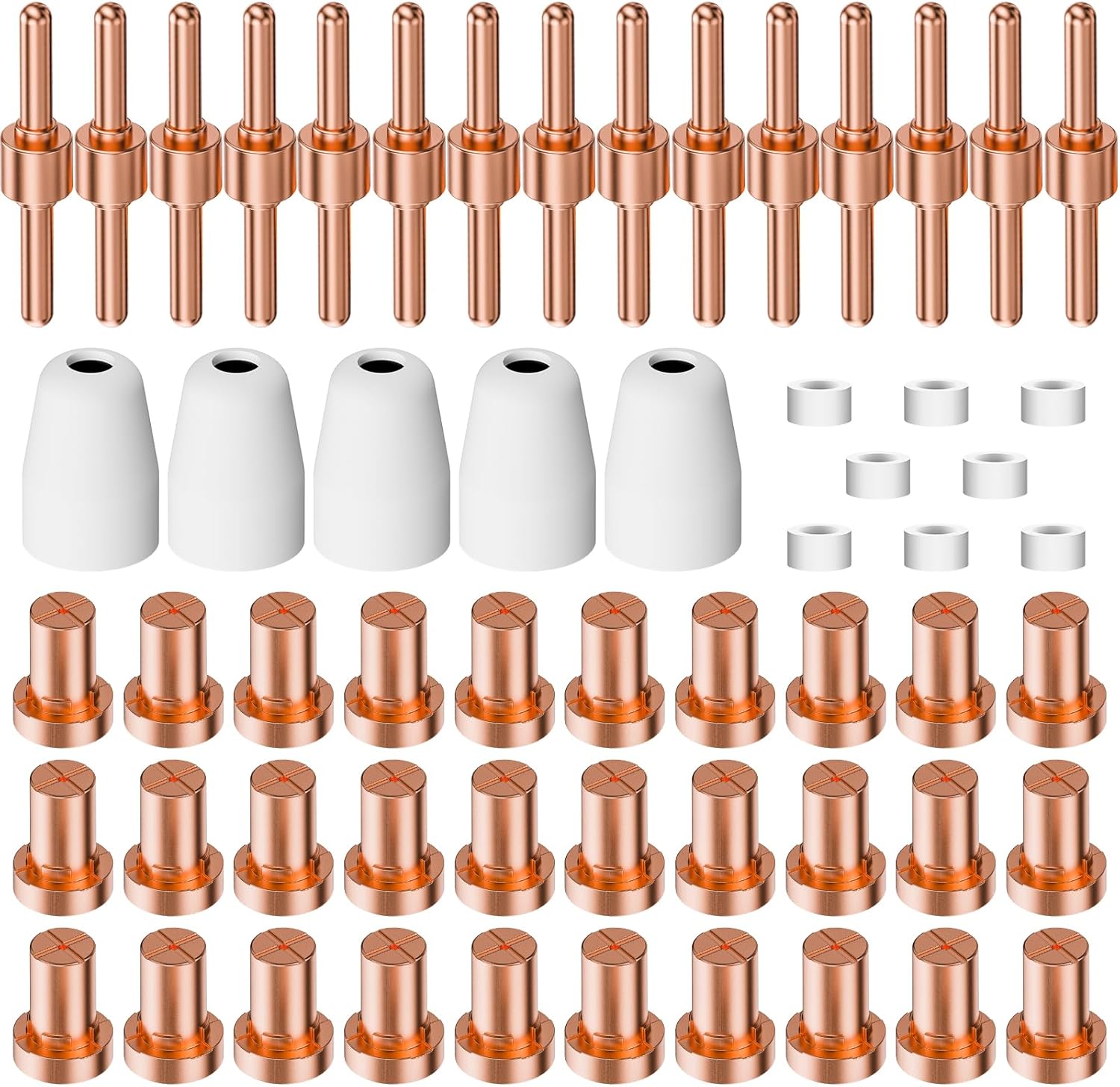
As an Amazon Associate, TestTalkHQ earns from qualifying purchases.
Plasma cutting parameters drive cut quality, speed, and consumable life. Critical inputs include travel speed (IPM), effective amperage, torch angle, and pierce behavior.
Cutting speed is inches per minute (IPM). Higher speeds cut faster but can reduce edge quality; slower speeds often clean up the kerf.
| Material | Thickness | Amperage | Typical Speed (IPM) | Dross Level |
|---|---|---|---|---|
| Mild Steel | 1/8" | 45 A | 200-250 | Minimal |
| Mild Steel | 1/4" | 65 A | 130-180 | Minimal |
| Mild Steel | 1/2" | 130 A | 60-90 | Light |
| Stainless | 1/4" | 65 A | 80-120 | Moderate |
| Aluminum | 1/4" | 65 A | 80-110 | Heavy |
Document repeat jobs with our cutting speed & feed calculator where it fits your workflow.
Prefer torch cutting without electricity? Try the Oxy-Fuel Cutting Tip Calculator, Oxy-Fuel Cutting Guide, Oxy-Fuel Troubleshooting, and Oxy-Fuel vs Plasma.
Calculator amps/IPM looked right but dross, bevel, or arc dropouts persisted: Plasma Cutting Troubleshooting. Settings tables: Plasma Cutting Settings Guide. Compressor CFM: Air Compressor Sizing for Plasma.
Running a CNC or gantry table? Pierce height, pierce delay, cut height, and IPM are a different tool: the CNC Plasma Pierce Height & Cut Speed Calculator. This page stays on handheld torch amps, travel, and gas pressure. Why the numbers disagree: CNC vs handheld plasma settings.
Dial in plasma cutting speed, recommended amperage, pierce time, and gas pressure from material type and thickness. Quality and torch angle settings adjust the baseline toward cleaner dross-free cuts or faster production. Use it at the table when you change from thin sheet to plate or switch between steel, stainless, and aluminum.
Set travel speed from the IPM result, then tune by watching the spark trail and listening to the arc—calculators give a starting point, not a substitute for a test cut on your consumables. Match gas pressure and pierce delay before you burn holes in expensive plate. Log settings on the job folder when a setup works so the next operator does not rediscover them from scratch.
Thin sheet needs lower amps and faster travel; thick plate may require multiple passes or a larger machine class than the calculator assumes if your unit is current-limited. Stainless and aluminum often need dedicated consumables and gas—confirm your torch is rated for the material before production cuts. Pair results with your shop CFM calculator so the compressor keeps up during long nest runs.
Save a photo of the settings panel next to the calculator screenshot on the job—helps when you revisit the same thickness months later. If pierce time feels long, check standoff and consumable wear before cranking amps.