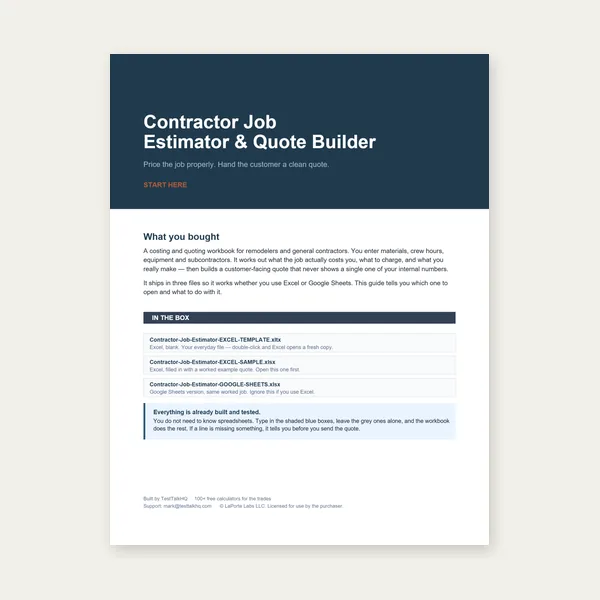
Contractor Job Estimator
Price remodels and GC work, then send a quote with no internal numbers.
Excel or Google Sheets. Best on a computer.
$29.00
BuyOSHA and NIOSH dose estimates from dBA level and exposure duration
Price remodels and GC work, then send a quote with no internal numbers.
Excel or Google Sheets. Best on a computer.
$29.00
BuyCheckout opens in a new tab.
Combine hearing protection with arc-rated PPE in noisy fabrication shops
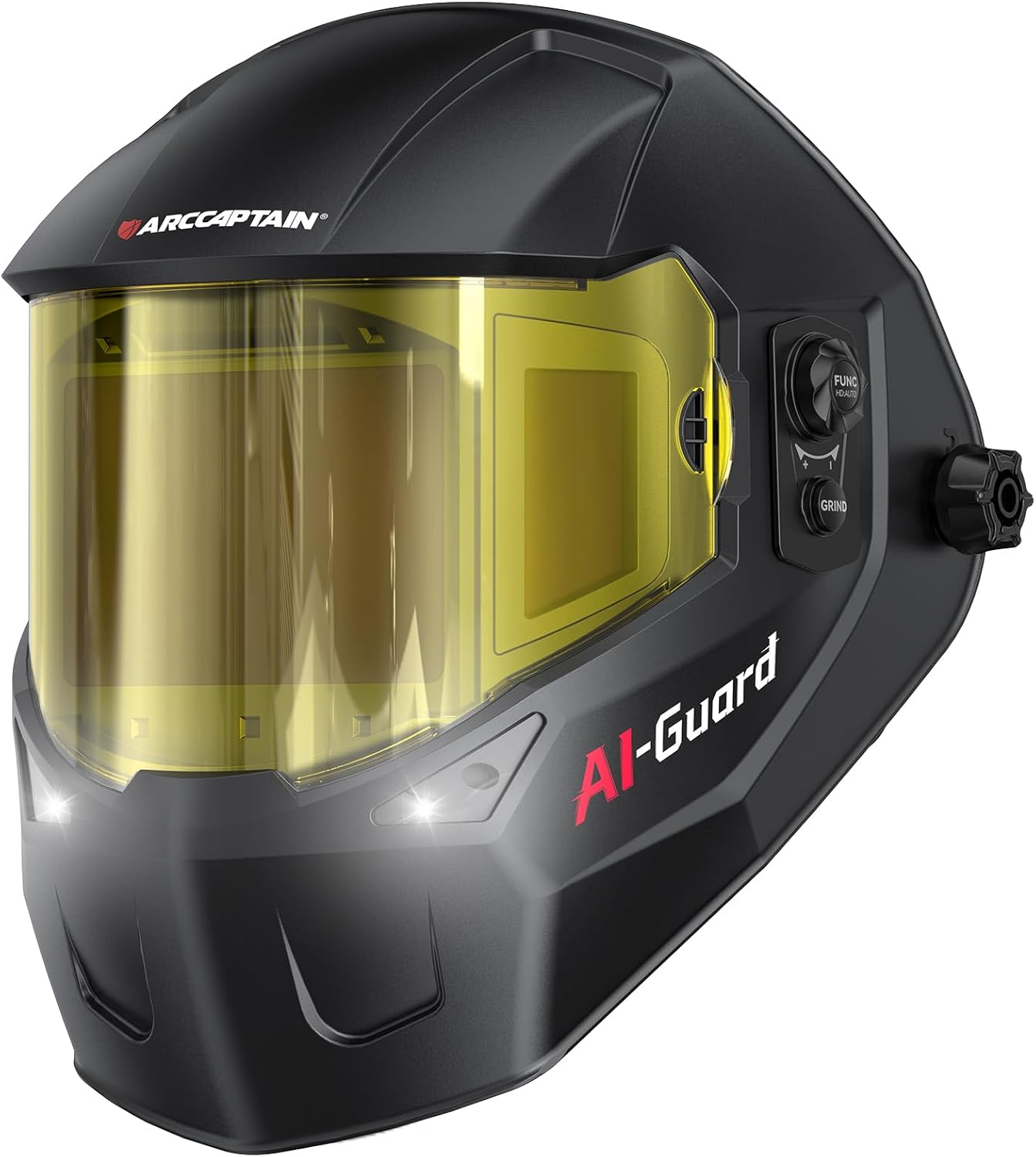
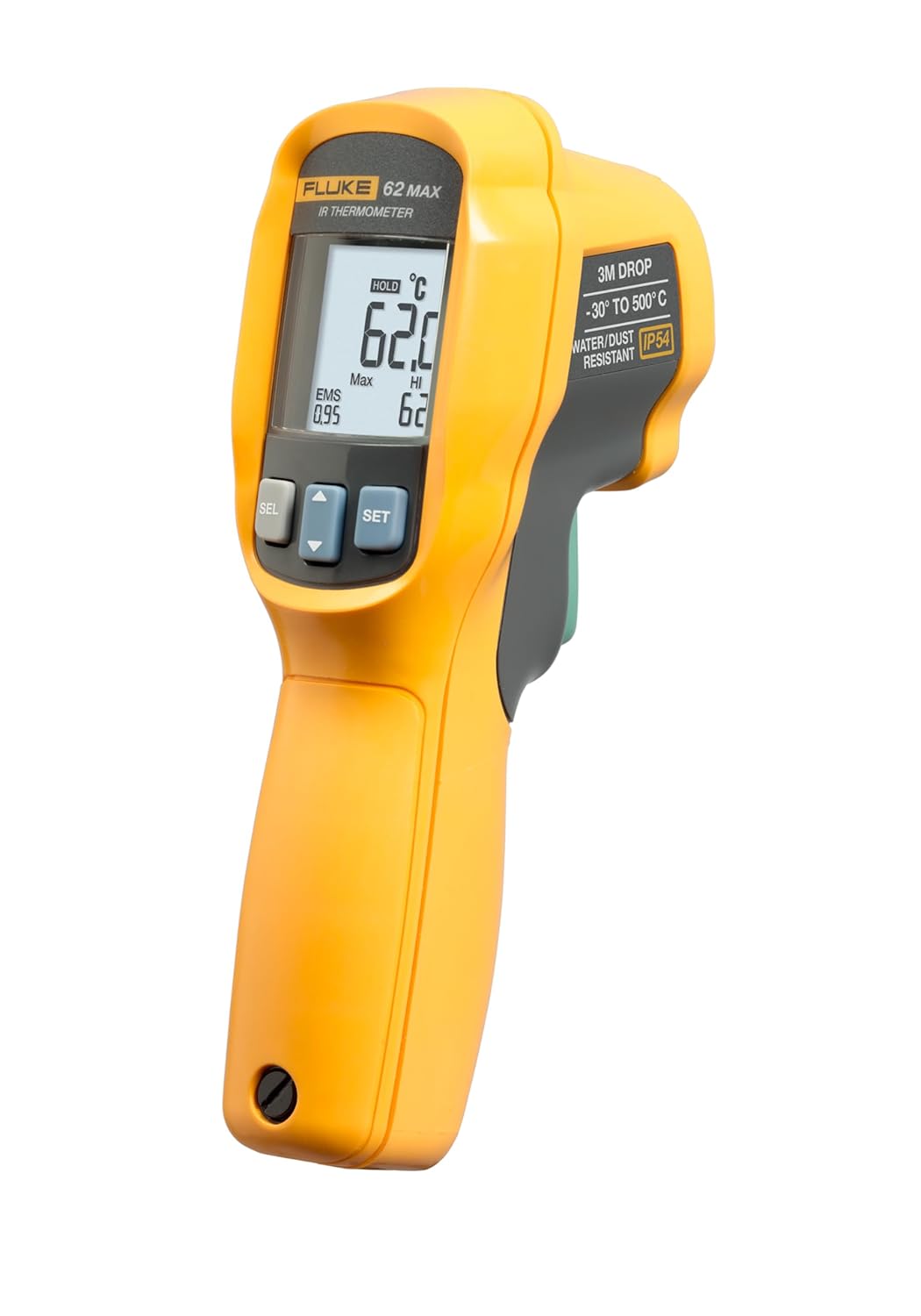
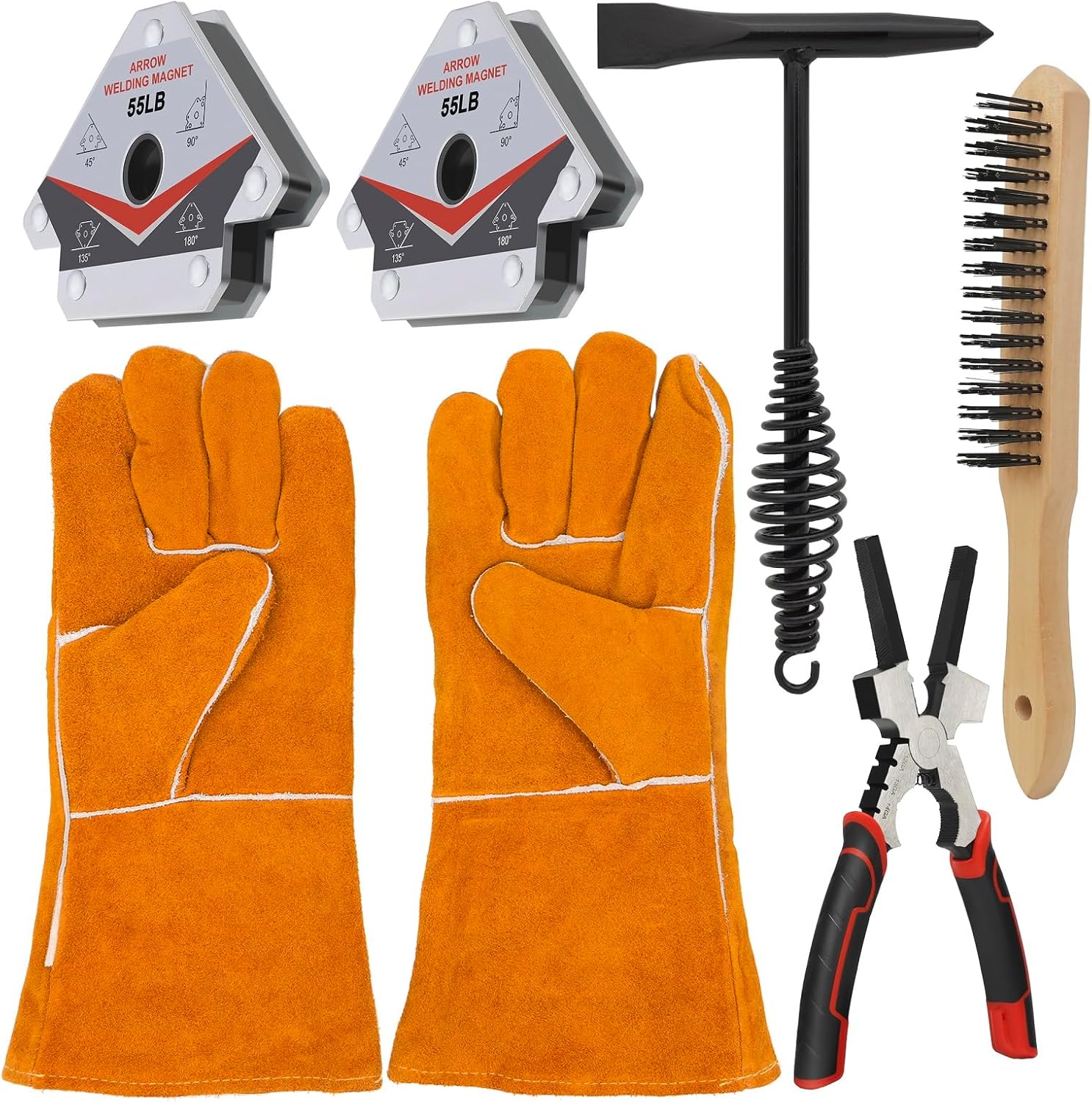
As an Amazon Associate, TestTalkHQ earns from qualifying purchases.
OSHA uses a 90 dBA permissible exposure limit with a 5 dB exchange rate — each 5 dB increase halves allowable time. NIOSH recommends an 85 dBA REL with a 3 dB exchange rate, which is more conservative and better aligned with hearing conservation research. Many employers follow OSHA for compliance but use NIOSH for best practice. This calculator lets you compare both so you understand why recommended protection differs between standards.
Dose expresses actual exposure as a percentage of the allowable full-shift exposure. 100% dose means you have reached the daily limit at that noise level. Combined exposures from multiple sources add as fractions: dose = (t₁/T₁ + t₂/T₂) × 100. A grinder at 95 dBA plus a welder at 88 dBA during the same period can exceed 100% even when neither alone seems extreme. Engineering controls — enclosures, distance, maintenance — reduce dose before PPE.
Conversation is about 60 dBA. Angle grinders often measure 95–105 dBA at the operator position; plasma cutting and air arc gouging can exceed 100 dBA. MIG welding guns and power sources add 85–95 dBA depending on enclosure and duty cycle. Measure with a calibrated sound level meter at ear height during normal operation — do not guess from process type alone.
When dose exceeds 100% or levels exceed action thresholds, hearing protection is required. Choose earplugs or muffs with adequate Noise Reduction Rating (NRR), then apply OSHA derating (subtract 7 dB for muffs, 50% of NRR for plugs in many programs). Fit testing improves real-world attenuation. Use double protection when levels exceed 105 dBA. Hearing conservation programs also require audiometric testing and training — PPE alone is not sufficient.