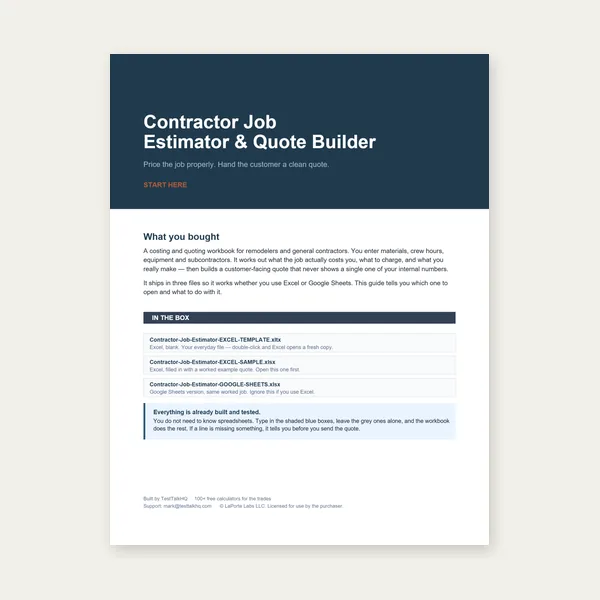
Contractor Job Estimator
Price remodels and GC work, then send a quote with no internal numbers.
Excel or Google Sheets. Best on a computer.
$29.00
BuyWhen the dose looks fine on paper but hearing still takes the hit — wrong exchange rate, missed sources, NRR derating errors, and PEL vs action-level mix-ups
Run this when the Noise Exposure Calculator output looked green but the shop still under-protects. For dBA basics, exchange rate, and OSHA PEL vs action level, use the Noise Exposure Guide. Quick time limits live on the OSHA Noise Exposure Chart. This page stays on field diagnosis.
Use this when measured dBA, allowable time, or hearing-protection decisions don't match what ears (and audiograms) are telling you. Most dose failures come from applying the wrong criterion, ignoring stacked sources, or treating the labeled NRR as real-world attenuation.
| Symptom | What it usually means | First fix | Next tool |
|---|---|---|---|
| Dose "under 100%" but shop feels brutal | OSHA 5 dB exchange used when NIOSH 3 dB (or both) should drive decisions | Re-run under both criteria; protect to the stricter result | Noise Exposure Calculator |
| Single machine OK, bay still overexposes | Combined sources not stacked (grinder + plasma + compressor) | Add each source/duration; recalculate combined dose | Noise Exposure Calculator |
| NRR 30 muffs "should be fine" — aren't | Labeled NRR used as actual attenuation; no derating / fit | Apply OSHA derating; verify fit; double up above ~105 dBA | Noise Exposure Guide |
| Average looks fine, peaks destroy hearing | Intermittent spikes averaged away; impulse/impact ignored | Capture task peaks; treat high-level tasks separately | OSHA Noise Chart |
| "We're under the PEL" so no program | Action level (85 dBA TWA) confused with PEL (90 dBA) | Hearing conservation triggers at action level, not only PEL | Noise Exposure Guide |
What it looks like: The calculator (or a spreadsheet) shows dose well under 100% using OSHA rules. Workers still complain, temporary threshold shifts show up after shifts, or a consultant using NIOSH criteria flags the same shop as overexposed.
Likely causes: OSHA uses a 90 dBA PEL with a 5 dB exchange rate — each 5 dB increase halves allowable time. NIOSH uses an 85 dBA REL with a 3 dB exchange rate, which is more conservative and closer to equal-energy hearing-damage research. Running only the OSHA toggle understates risk for the same measured dBA and duration. Phone-app "noise meters" that silently pick one criterion compound the confusion.
Fixes: Re-run the same levels and times in the Noise Exposure Calculator under both OSHA and NIOSH. Protect and program to the stricter result when in doubt. Use OSHA for compliance paperwork; use NIOSH (or both) for real hearing conservation decisions.
What it looks like: Each tool individually is under the limit for its run time. The bay still pushes dose over 100% because grinders, plasma, compressors, and air tools run together or in sequence through the shift.
Likely causes: Dose is additive. Partial doses from each level/duration combination stack toward 100%. Measuring only the loudest machine, or only continuous background, misses the stacked contribution. Moving between workstations without logging time-at-level does the same.
Fixes: Break the shift into tasks and levels. Enter multiple sources in the calculator (it supports a second simultaneous level) or sum partial doses from the OSHA Noise Exposure Chart. Treat "quiet" background above 80 dBA as a real contributor — it still eats dose.
What it looks like: Workers wear NRR 30 muffs or plugs in a 100+ dBA bay and assume exposure drops to ~70 dBA. Audiograms still shift. Fit is poor, glasses break the muff seal, or plugs aren't inserted correctly.
Likely causes: Laboratory NRR overstates field performance. OSHA-style derating (commonly: subtract 7 dB from muff NRR; use ~50% of NRR for plugs in many programs) brings the number closer to reality. Eyewear temples, facial hair, hard-hat straps, and motion all leak sound. Above ~105 dBA, single protection often isn't enough — double protection (plugs + muffs) is the field answer.
Fixes: Derate the NRR before judging adequacy. Train and fit-test. Combine with the guide's hearing-protection section and the PPE Selection Guide by Process for process-specific choices. Re-check residual exposure after derating — if it's still above action level, add engineering controls or shorten time.
What it looks like: A long TWA or a slow-averaged meter reading looks acceptable. Short bursts from impact wrenches, hammering, plasma piercing, or nailers dominate hearing damage and don't show in a casual average.
Likely causes: Slow response / long averaging hides peaks. Impulse and impact noise need different treatment than continuous broadband shop noise. Logging only "typical" grinding time misses the 10-second events that matter. Phone apps without true peak capture are especially misleading.
Fixes: Measure at the ear during the actual task peaks, not just ambient bay noise. Treat high-level short tasks as their own dose contributions. Use a calibrated meter or dosimeter for compliance — educational calculators estimate dose from the levels you enter; garbage levels in, garbage dose out.
Need quick allowable times by level? Cross-check peaks against the chart, then dose the full shift in the calculator.
OSHA ChartWhat it looks like: Management says "we're under 90 dBA so we don't need a hearing conservation program." Workers are at 85–89 dBA TWA with no audiograms, no training, and optional PPE.
Likely causes: OSHA's action level for hearing conservation is 85 dBA TWA — not the 90 dBA PEL. Crossing the action level triggers monitoring, audiometric testing, training, and PPE requirements even when the PEL isn't exceeded. Confusing the two leaves a compliant-looking shop that still damages hearing and fails an inspection on the program side.
Fixes: Compare TWA against both the action level and the PEL. If you're at or above 85 dBA TWA, stand up the program elements — don't wait for 90. Details are in the Noise Exposure Guide (PEL vs action level section).
No separate decision article for this cluster. The Noise Exposure Calculator already compares OSHA vs NIOSH criteria side-by-side, and the guide explains exchange rate and PEL vs action level. For process-specific PPE choices (including when to double up hearing protection), use the existing PPE guide.
Noise Exposure Calculator → Noise Exposure Guide → PPE Selection Guide →
Price remodels and GC work, then send a quote with no internal numbers.
Excel or Google Sheets. Best on a computer.
$29.00
BuyCheckout opens in a new tab.
Five CSV catalog picks with verified images — eye, respiratory, and hand PPE that share the noisy fabrication bay. Hearing-specific SKUs are flagged as catalog gaps below.
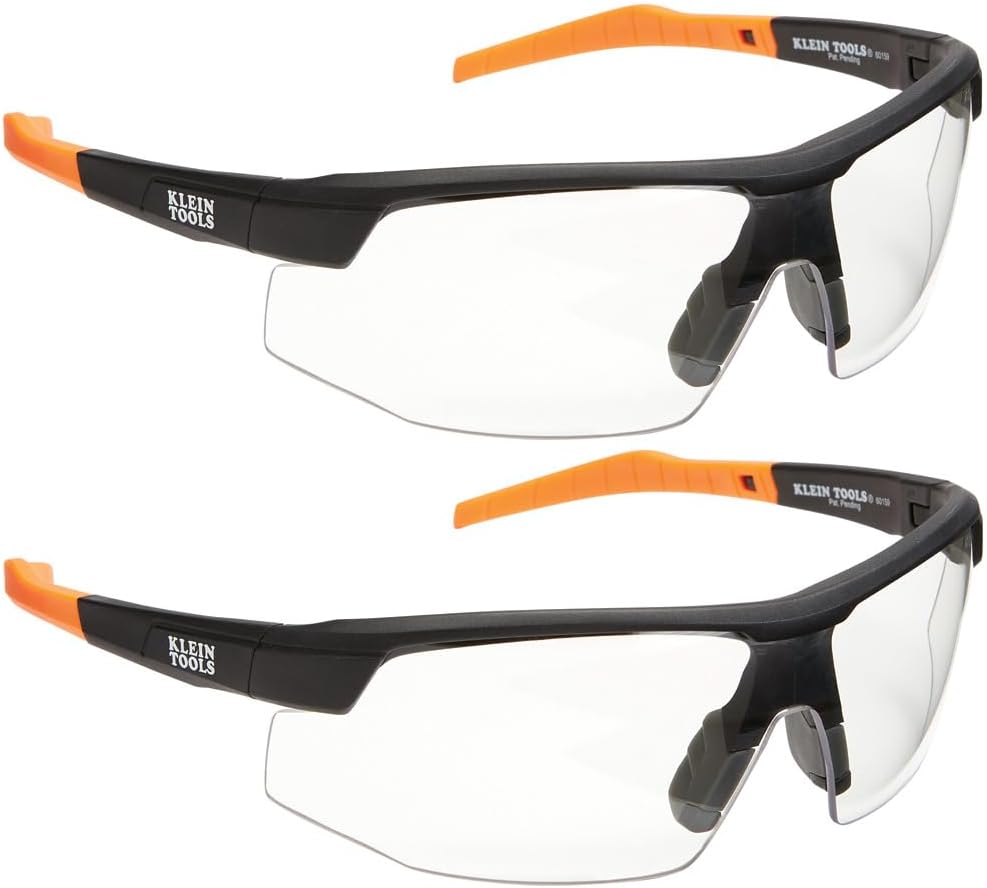
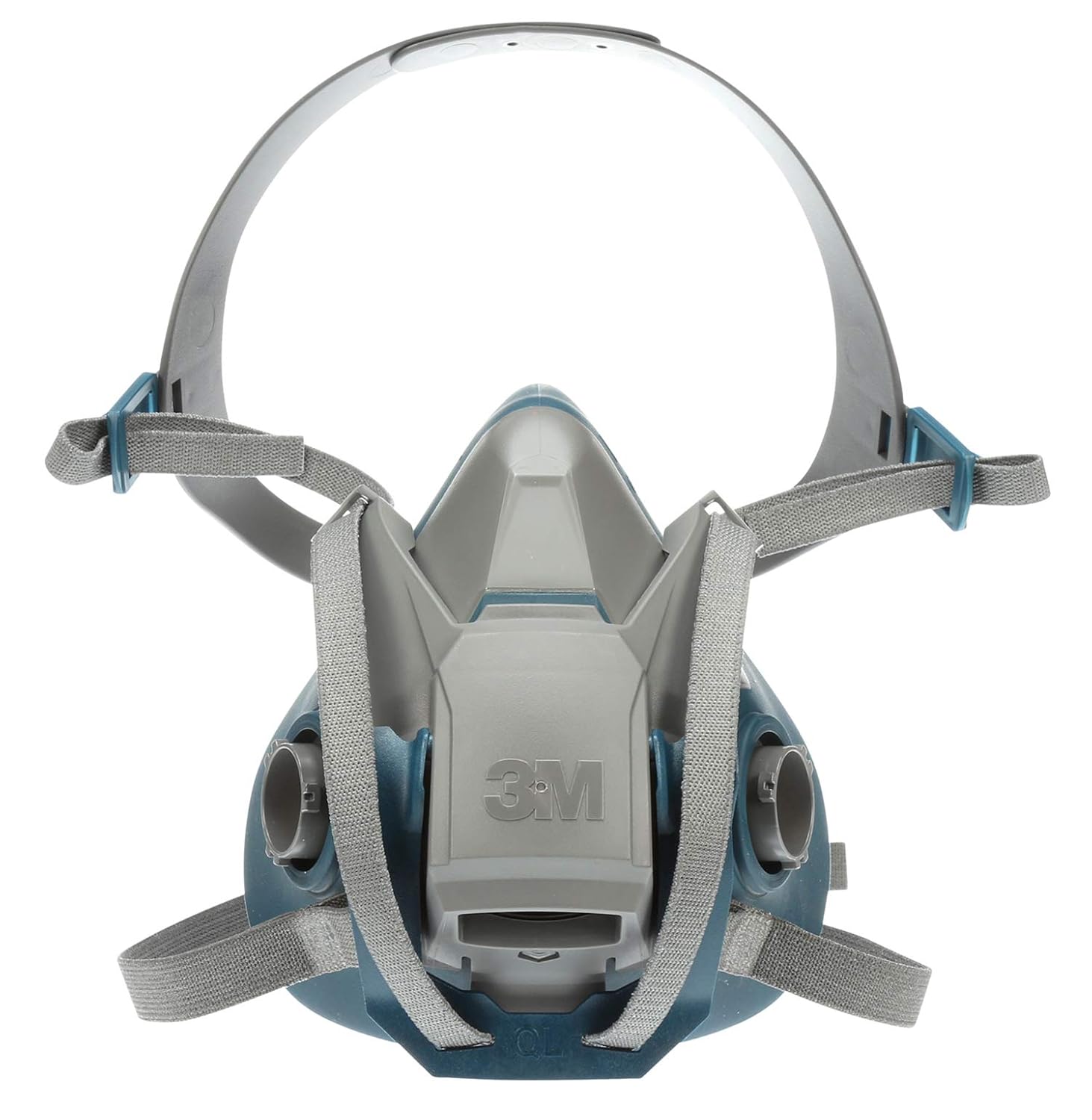
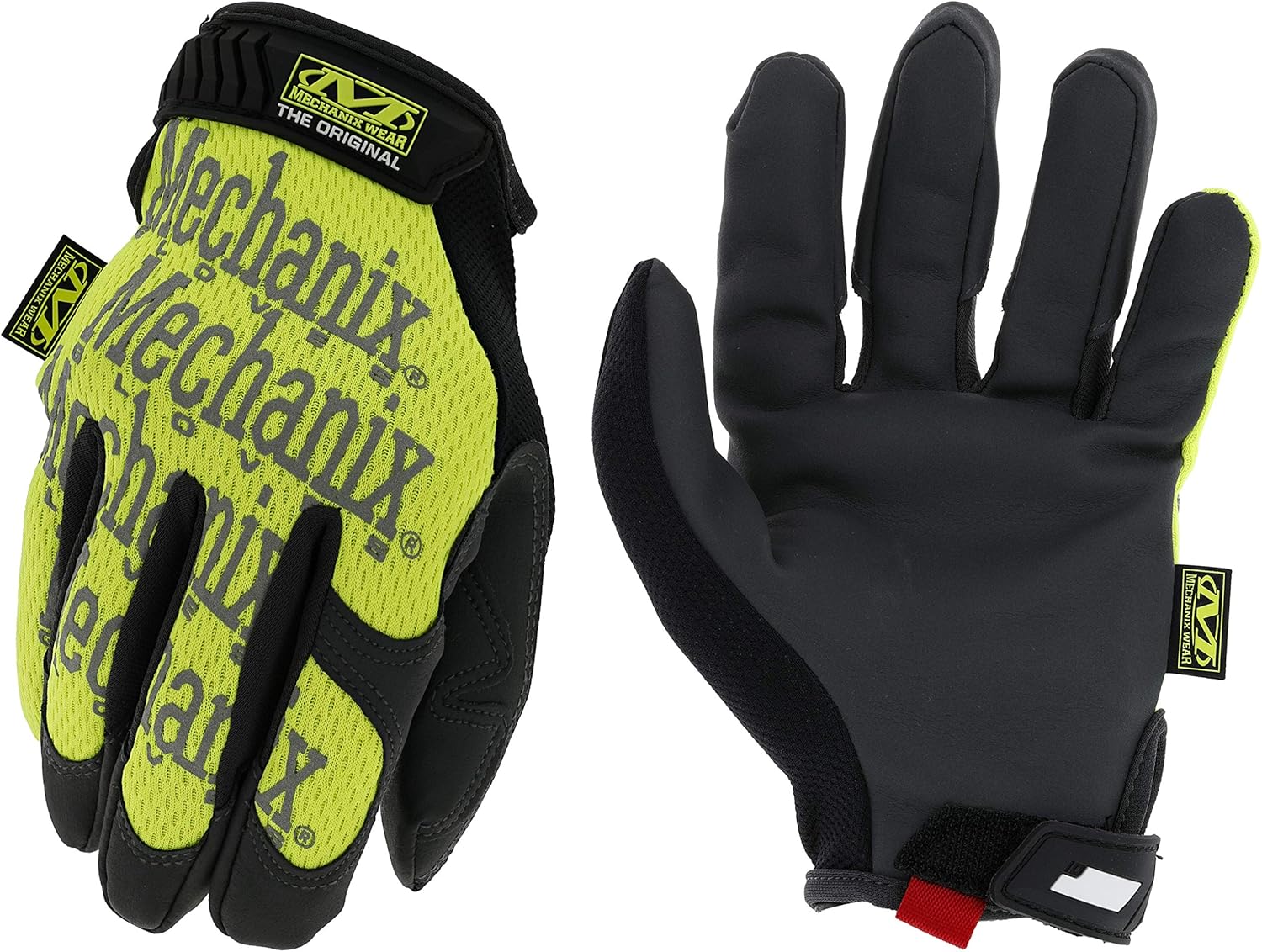
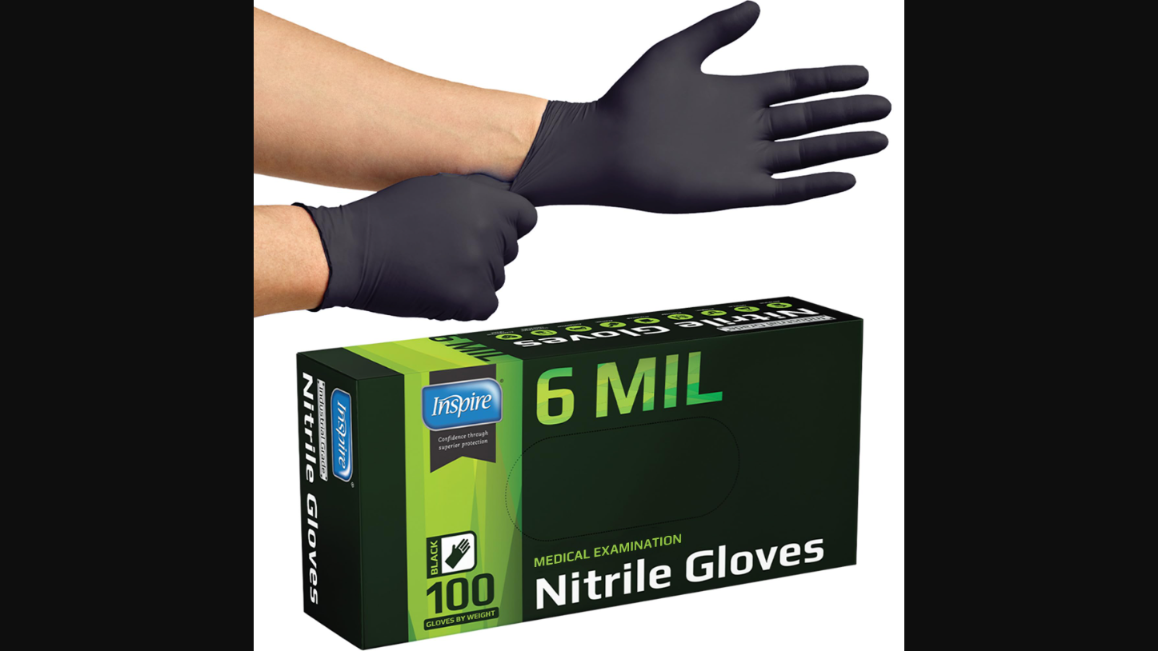
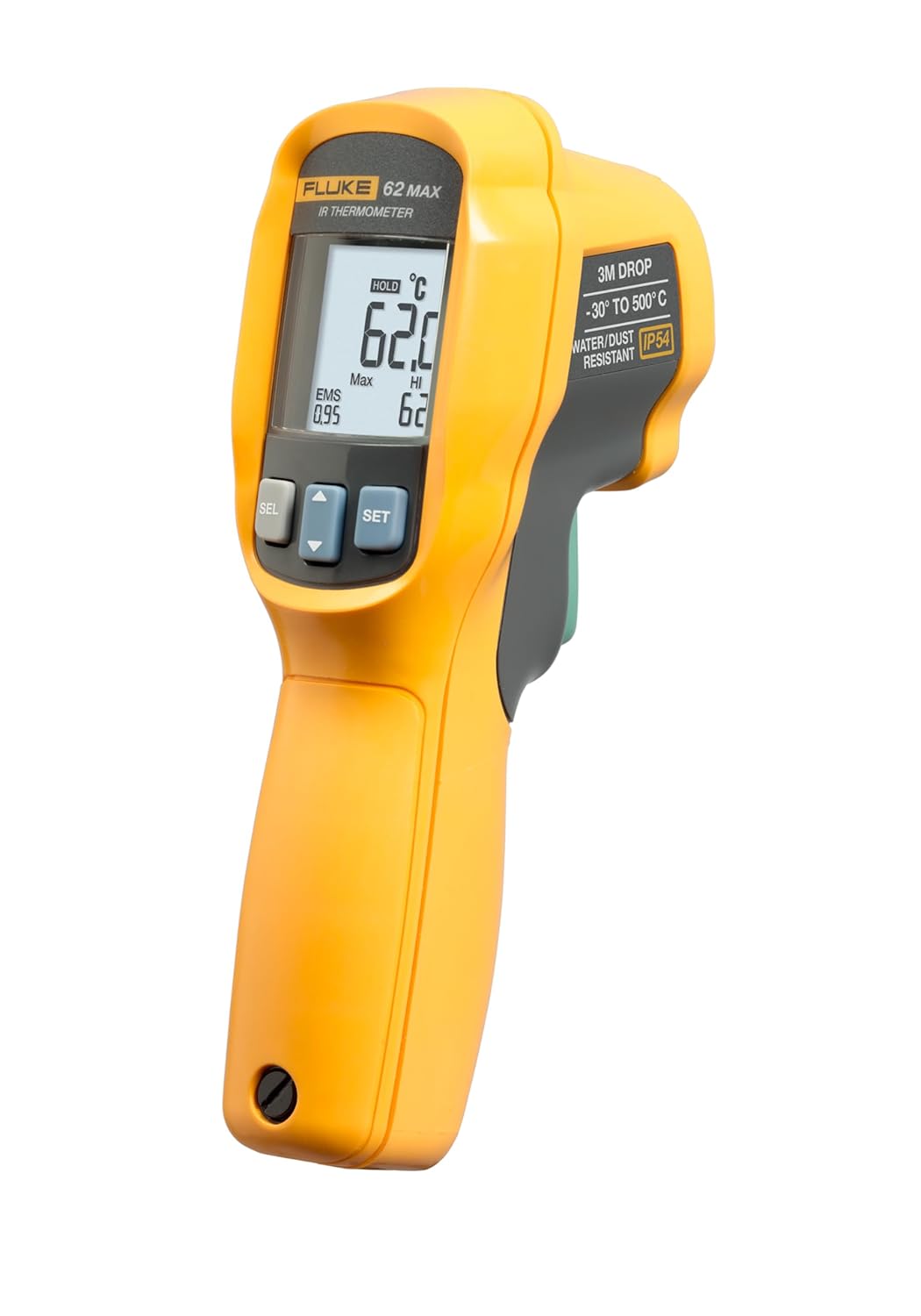
As an Amazon Associate, TestTalkHQ earns from qualifying purchases. All five cards are sourced only from the affiliate CSV with verified product images. Catalog gaps flagged by name: (1) foam earplugs with published NRR and verified image; (2) premolded multi-size earplug kits; (3) calibrated sound level meter / noise dosimeter SKU. Peltor Optime 105 now has a verified image and is usable on companion pages.
Different criterion level (85 vs 90) and exchange rate (3 dB vs 5 dB). NIOSH is more conservative. Run both in the calculator and protect to the stricter result when hearing is the goal.
No. Laboratory NRR overstates field attenuation. Derate (and fit-test) before judging whether protection is adequate, especially above ~100 dBA.
Likely yes if TWA is at or above the 85 dBA action level. The PEL is 90; the program trigger is 85. See the Noise Exposure Guide.
No. The guide teaches dBA, exchange rate, and PEL vs action level. This page diagnoses failures when the dose math already looked acceptable.
No. Use calibrated meters/dosimeters for compliance decisions. Apps and this calculator are educational estimates based on the levels you enter.