
Contractor Job Estimator
Price remodels and GC work, then send a quote with no internal numbers.
Excel or Google Sheets. Best on a computer.
$29.00
BuyWhich hearing protection to wear when the bay is loud — and when one layer is not enough
Not another dose formula page. Pair with the Noise Exposure Calculator, Noise Exposure Guide, and Noise Exposure Troubleshooting. Time limits: OSHA Noise Exposure Chart. Process PPE matrix: PPE Selection Guide by Process.
| Situation | Usually choose | Why |
|---|---|---|
| Hot shop, helmet on, intermittent grind | Foam or premolded earplugs | Fits under welding helmets; less sweat than muffs |
| Steady high noise, easy on/off, shared station | Earmuffs (NRR ~25–30 after derating check) | Faster compliance for visitors; visible protection |
| Derated single PPE still leaves residual > action level / ~105 dBA tasks | Dual: plugs + muffs | Extra attenuation when one layer cannot close the gap |
| Glasses, hard hat, respirator straps fighting seal | Plugs first; muffs only if seal verified | Temple bars and straps break muff cushions |
Pick protection from residual exposure after derating — not from the NRR printed on the box. Calculate dose first, then choose the layer stack.
Noise Exposure Calculator → NRR / dose troubleshooting →Foam plugs, premolded plugs, and earmuffs can all meet a hearing conservation program when they seal and when the derated attenuation leaves residual exposure under your target. The shop fight is rarely “which SKU has the highest NRR.” It is whether the worker can get a seal with a welding helmet, safety glasses, and respirator on — and whether a single layer still leaves them over the action level after honest derating.
Labeled NRR is a lab number. Field attenuation is lower. OSHA’s common rule of thumb for selecting protection is to derate (for example, (NRR − 7) / 2 for many foam plugs under the older field method shops still teach). If that math does not bring a 100 dBA grind below a workable residual, do not “buy a louder NRR sticker” and hope — change the stack or the time.
Choose plugs when the worker lives under a welding helmet, face shield, or hard hat for most of the shift. Muffs that do not clear the helmet shell get pushed off the pinna and leak. Foam plugs also win in hot shops where muff cushions become sweat traps and get removed “just for a minute.”
Premolded plugs help workers who hate foam roll-down or need reusable options. They still fail if the flange does not match canal size. Stock two sizes if the crew is mixed.
Choose muffs for intermittent high-noise tasks where people walk in and out of the hazard (plasma table helpers, visitors, supervisors), or where you need a visible “protection is on” signal. They also help workers with canals that reject plugs.
Watch the seal enemies: safety-glass temples, hard-hat suspensions, and respirator straps. If the cushion is bridged, effective attenuation collapses even with a high NRR label. Cap-mounted muffs on hard hats beat over-the-head muffs when the hat is mandatory — but verify the model is rated as a system.
Dual protection is a decision, not a default. Use it when:
Put the plugs in first, seal them, then add muffs. If communication is critical, add hand signals or radio discipline — dual stacks make verbal warnings unreliable.
Protection choice without dose is guessing. Use the Noise Exposure Calculator under OSHA and NIOSH criteria, pull allowable times from the OSHA Noise Exposure Chart, and diagnose wrong NRR / missed sources with Noise Exposure Troubleshooting. Process matrices that only say “hearing protection above 85 dBA” live in the PPE Selection Guide — this page is the fork for which hearing layer to wear.
Price remodels and GC work, then send a quote with no internal numbers.
Excel or Google Sheets. Best on a computer.
$29.00
BuyCheckout opens in a new tab.
Five affiliate CSV rows with verified product image URLs. Foam earplugs and calibrated meters remain catalog gaps.
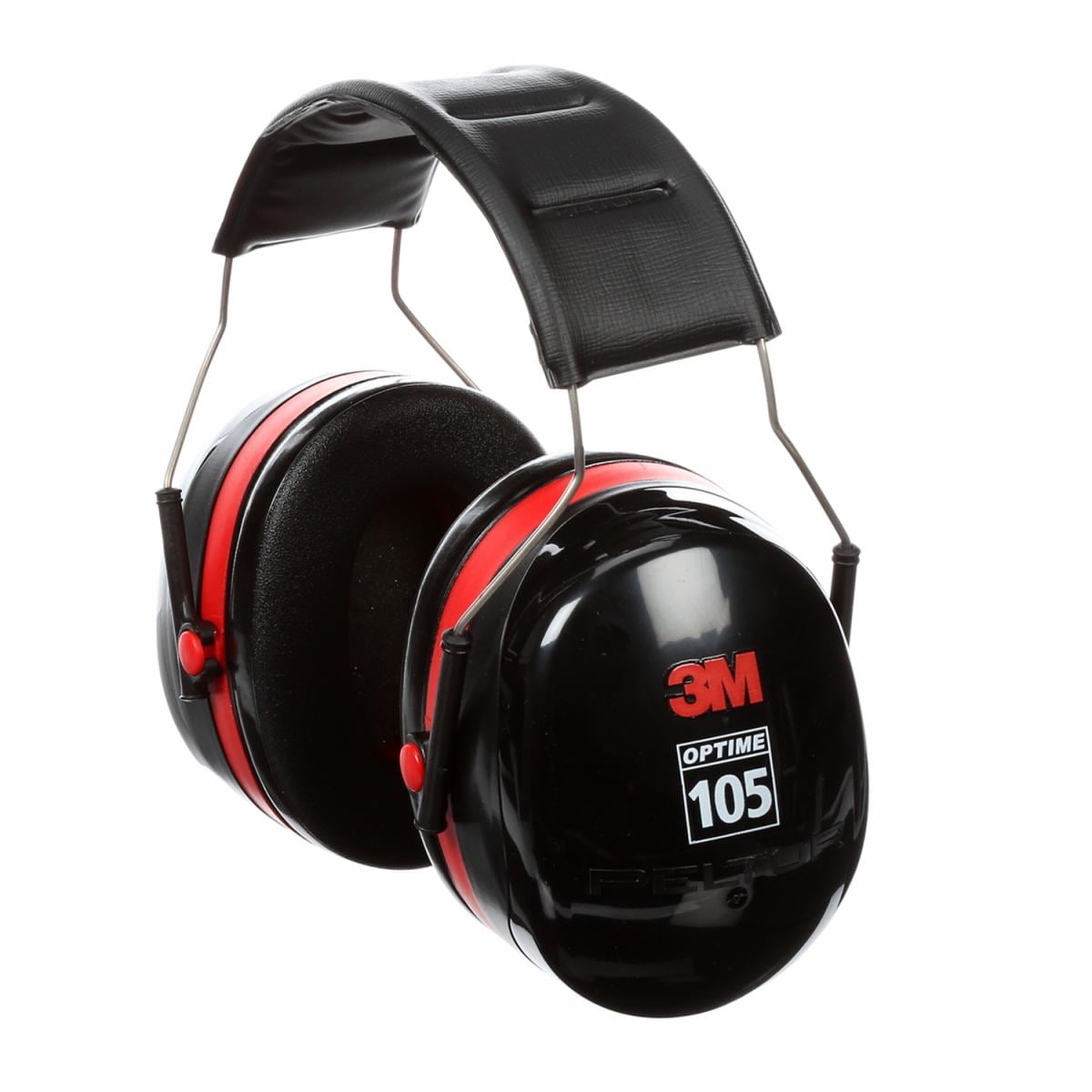
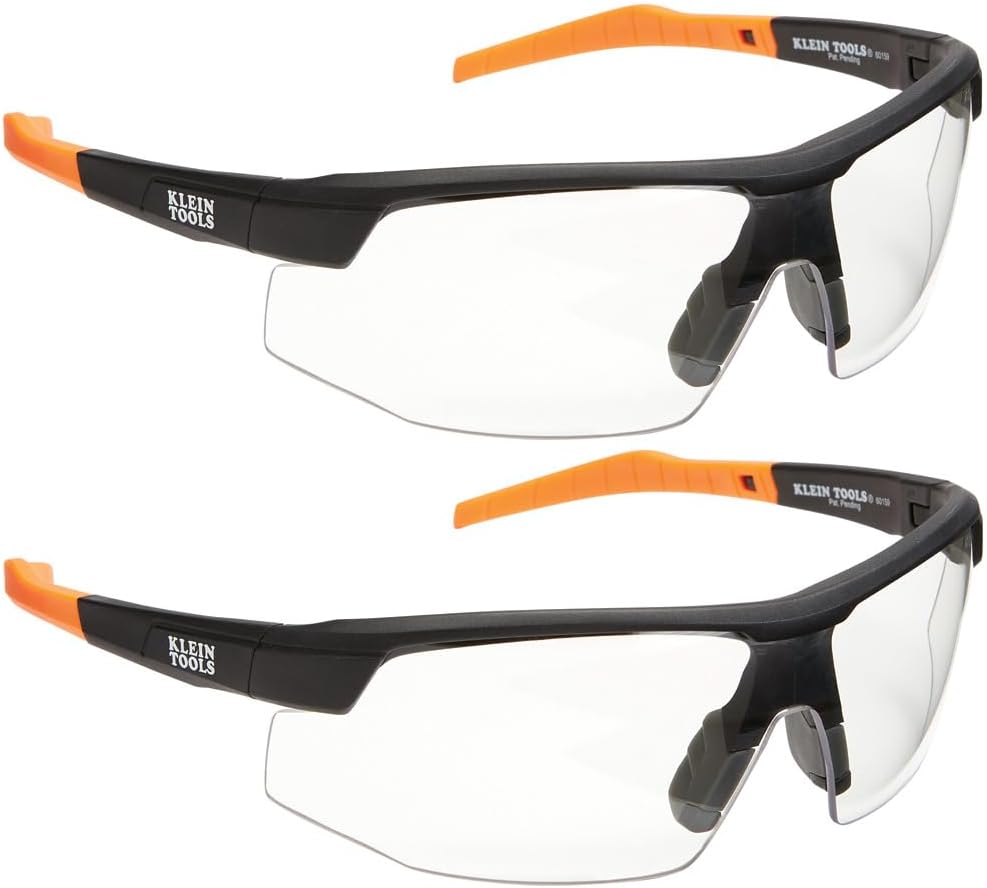
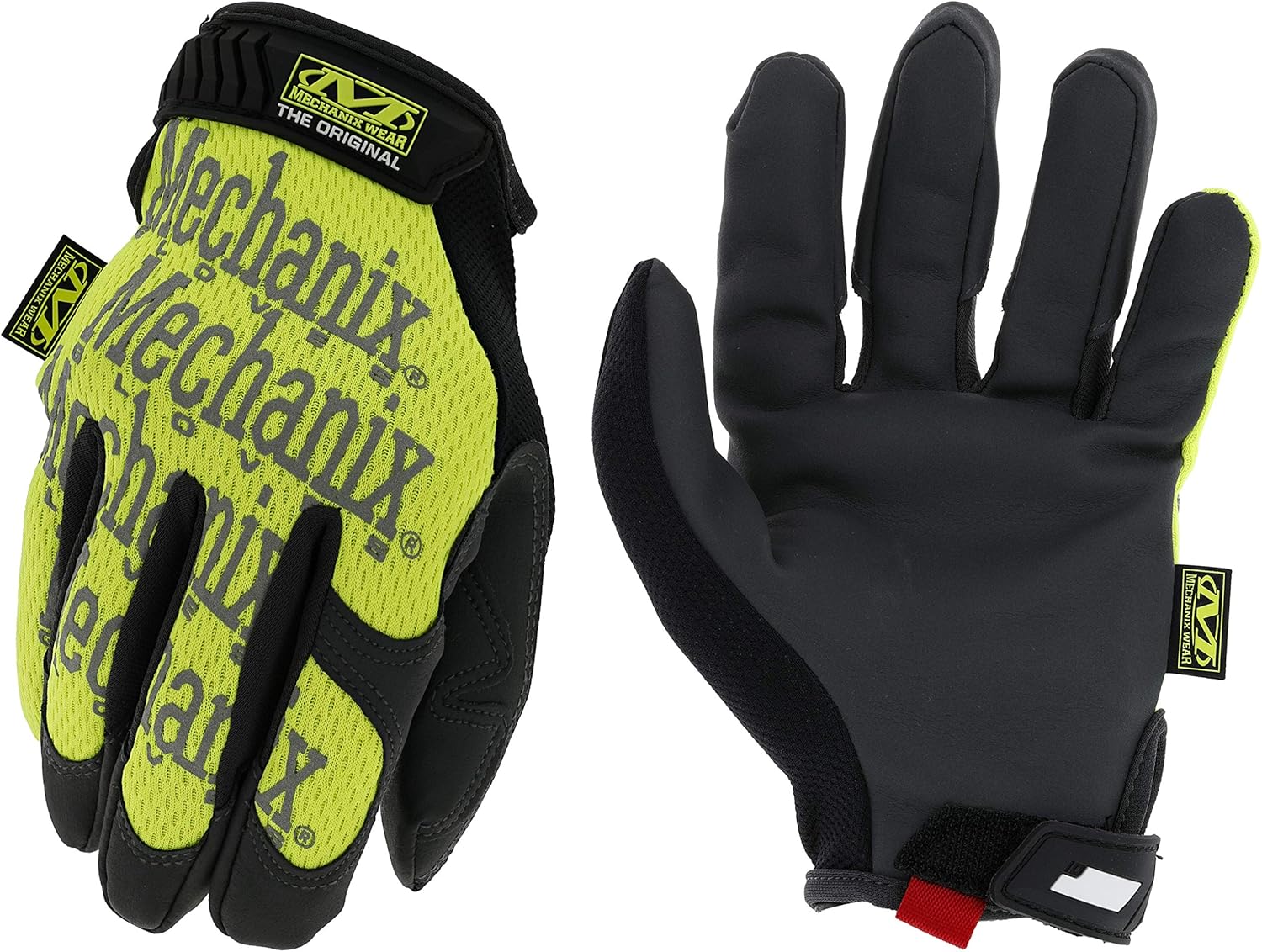
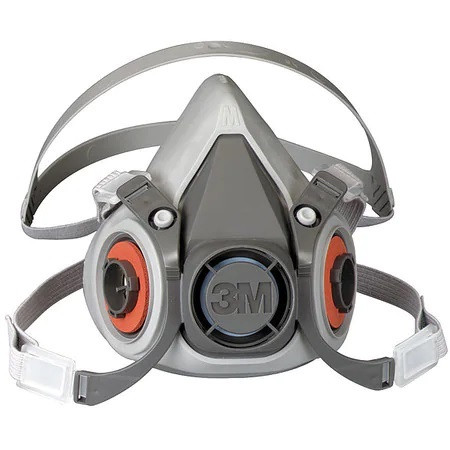
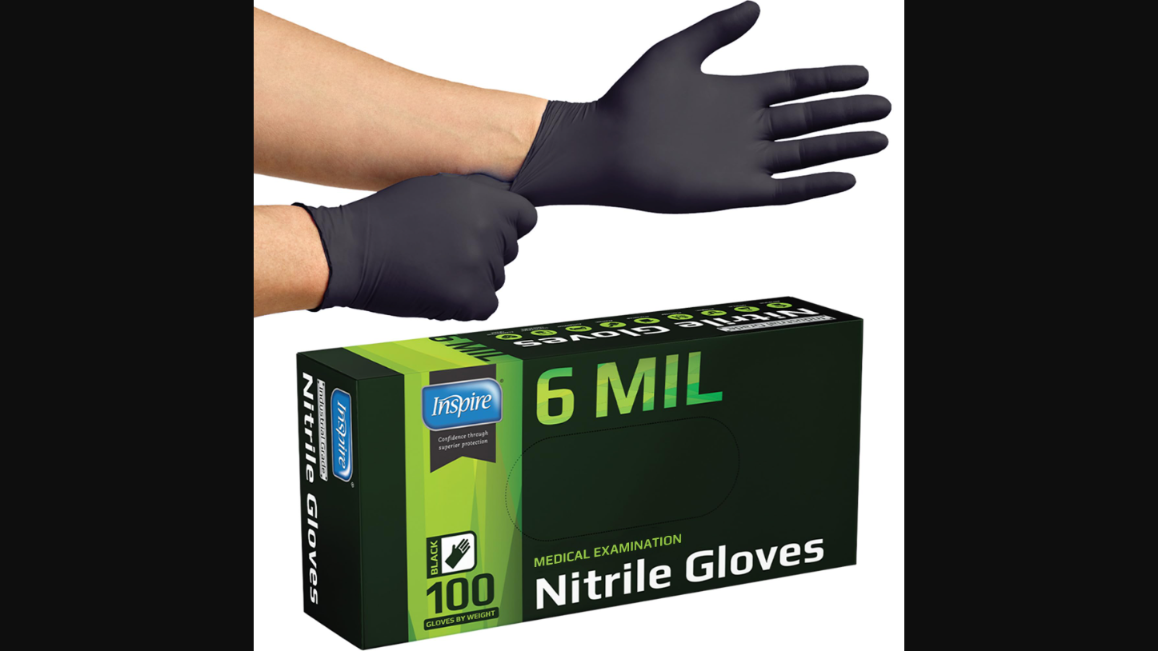
As an Amazon Associate, TestTalkHQ earns from qualifying purchases. Cards use only CSV rows with verified Product Image URLs. Catalog gaps flagged: foam earplugs with published NRR + verified image; premolded multi-size earplug kits; calibrated Type 2 sound level meter / noise dosimeter SKUs.
No. Labeled NRR overstates field performance. Derate, check residual, then decide plugs vs muffs vs dual.
No. Dual is not additive like that. Use your program’s dual rule (often ~5 dB over the better derated protector) and re-run dose.
Criteria choice is already handled in the calculator and guide — this article is only which physical protector to wear after you know the dose problem.