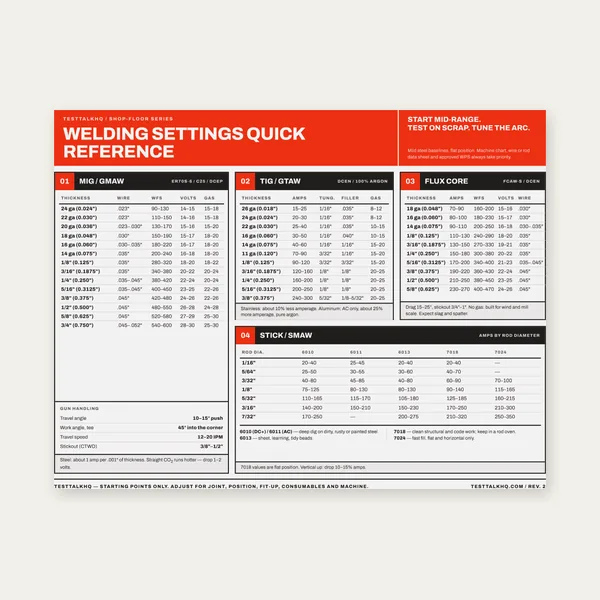
Welding Reference Card
One page. MIG, TIG, stick and flux core settings by thickness.
$3.99
BuyCalculate optimal gas flow in CFH and L/min for your welding process
One page. MIG, TIG, stick and flux core settings by thickness.
$3.99
Buy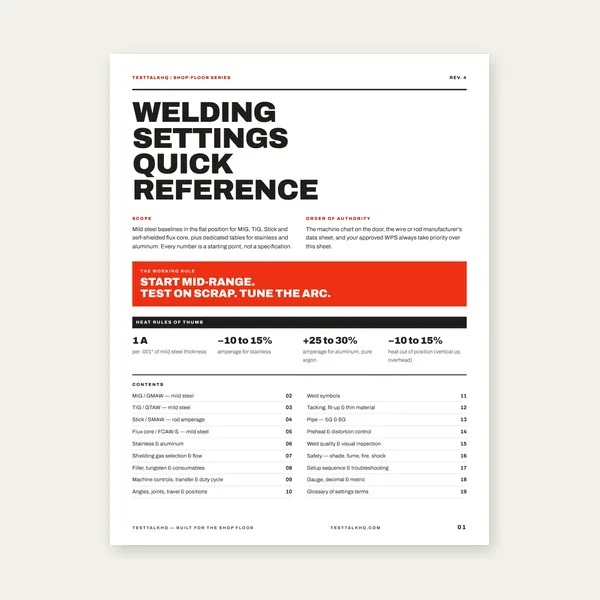
19 pages. Four processes, stainless and aluminum, symbols and inspection.
$12.99
Buy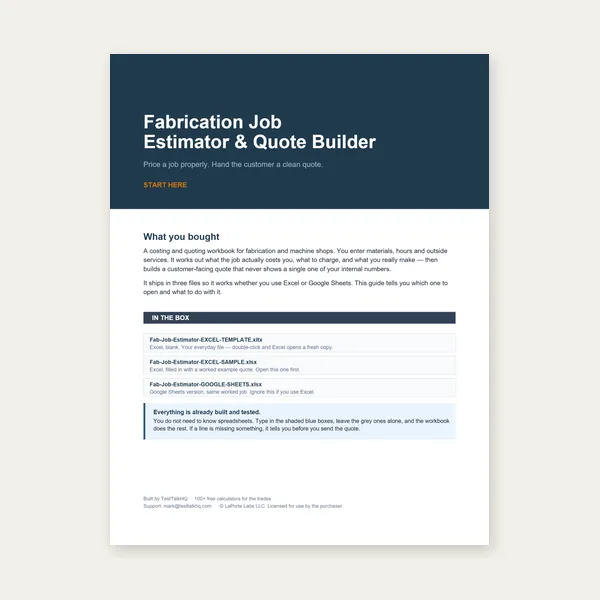
Price the job, then hand over a quote with no internal numbers.
Excel or Google Sheets. Best on a computer.
$29.00
Buy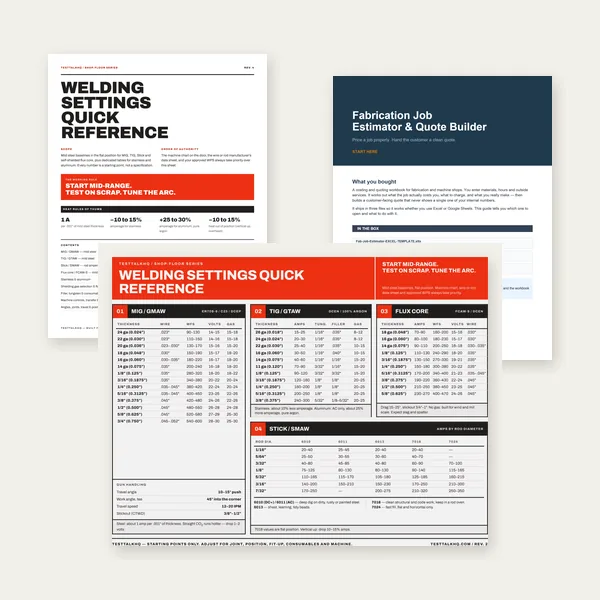
Card, 19-page guide and the estimator workbook. All six files.
Excel or Google Sheets. Best on a computer.
$34.99
$45.98 if bought separately — save $10.99
BuyCheckout opens in a new tab.
Regulators, cups, leak detection, and hoses that support consistent delivery—matching what this calculator assumes at the torch.
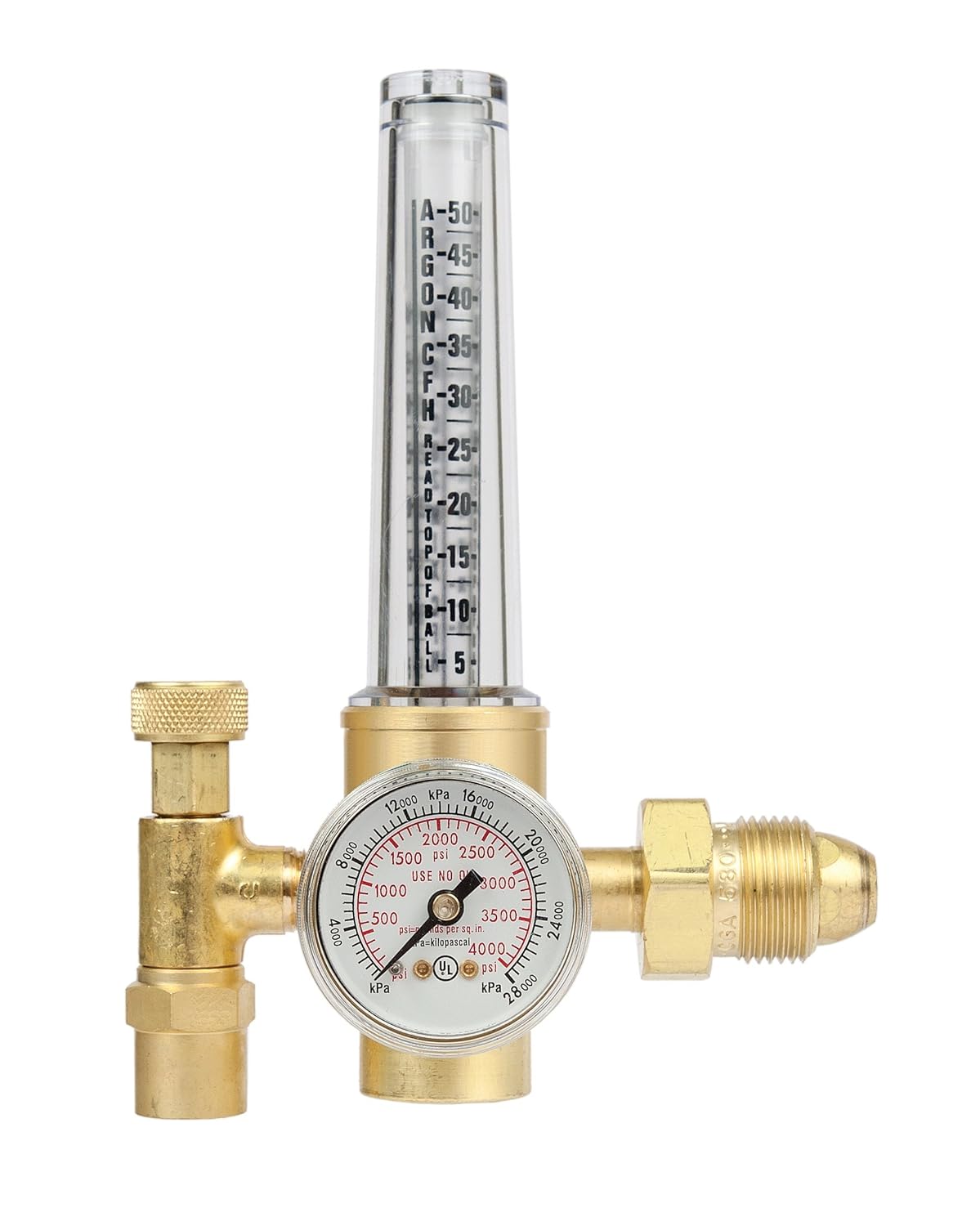
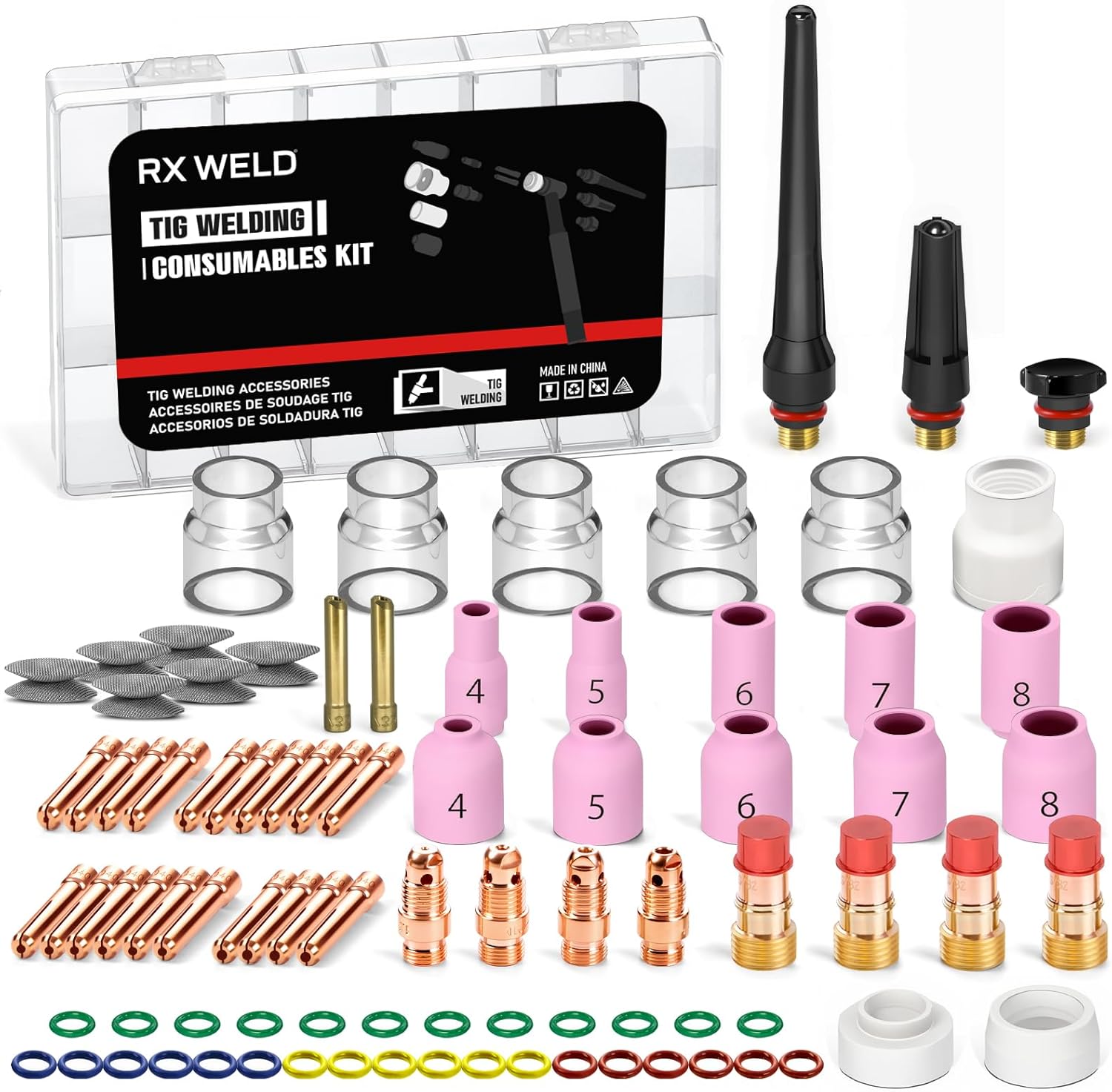
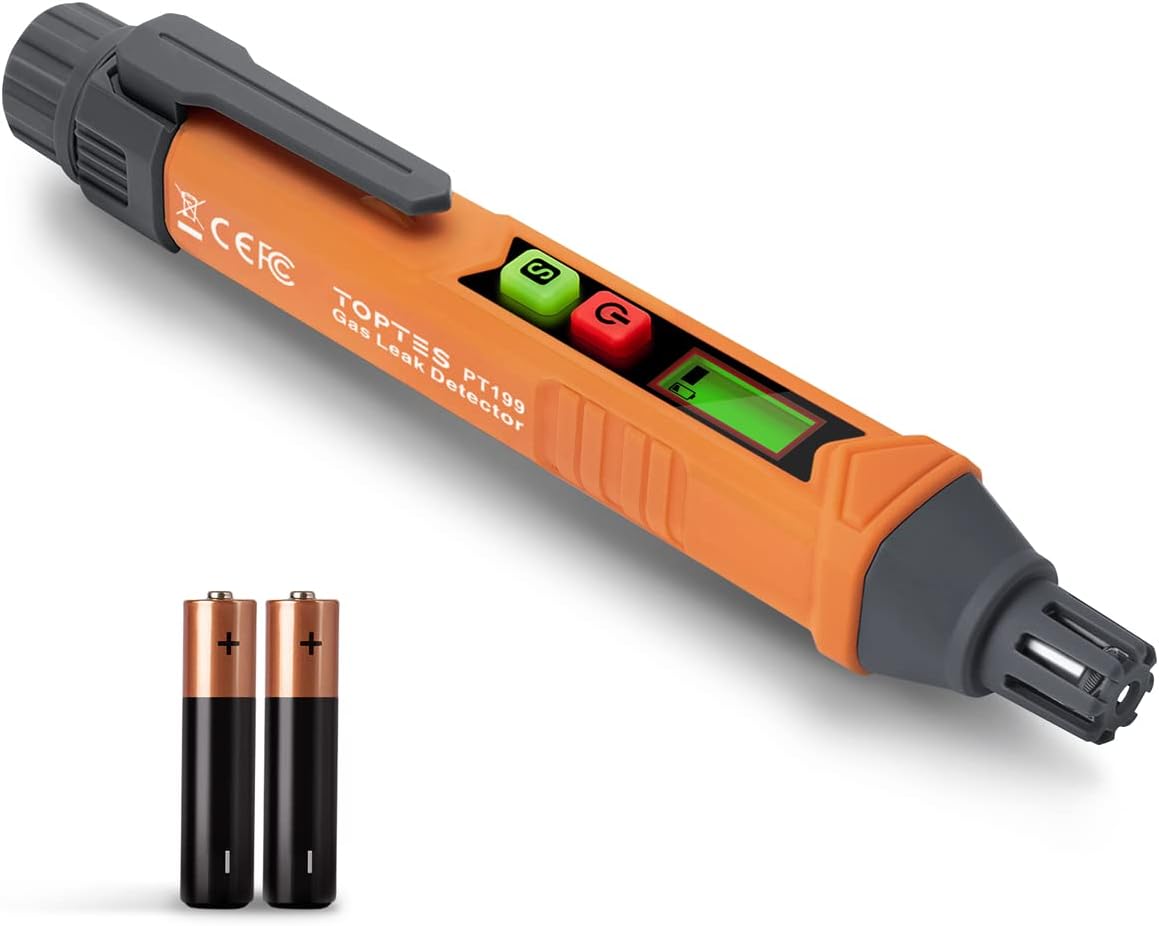
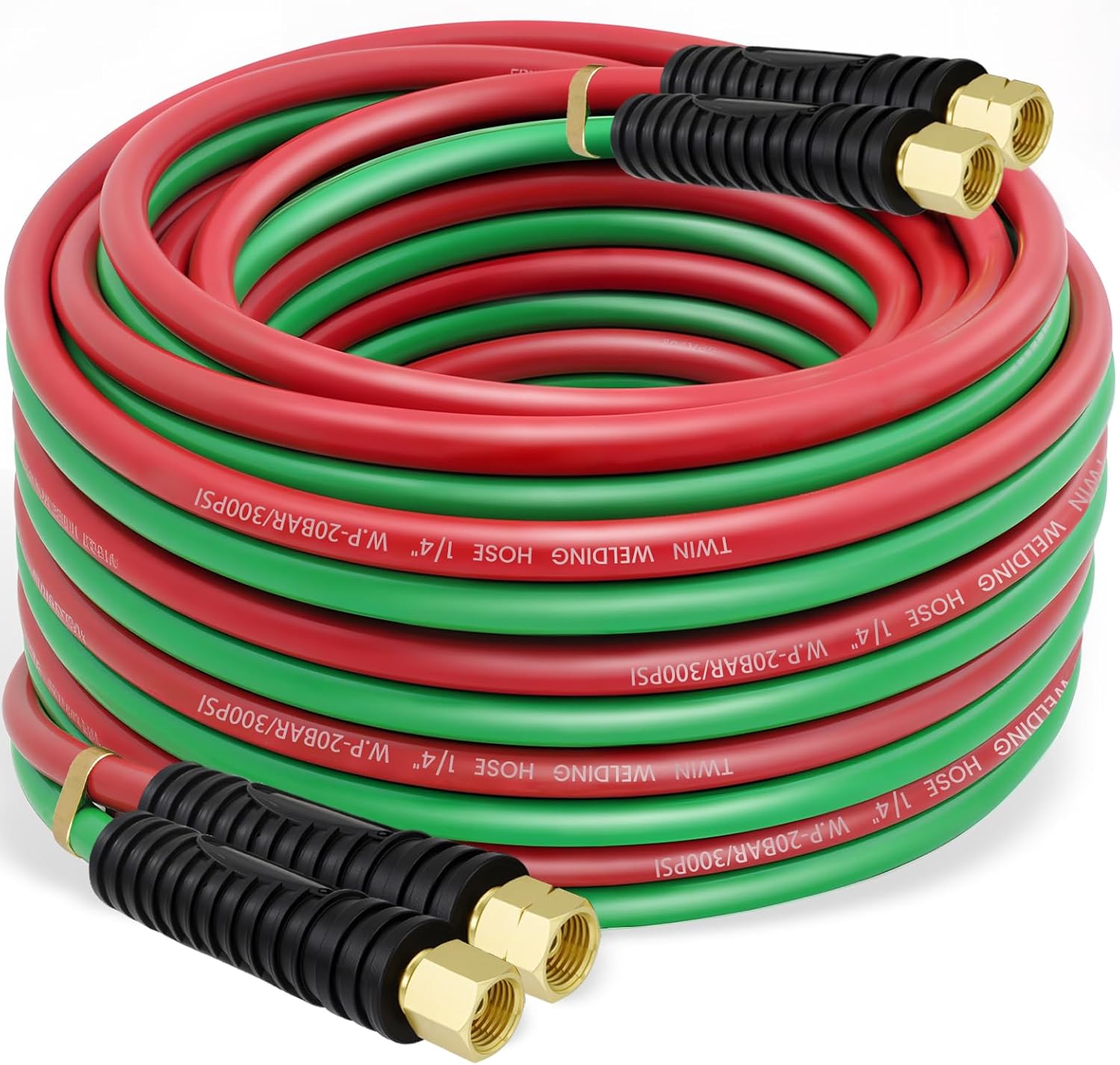
As an Amazon Associate, TestTalkHQ earns from qualifying purchases. Dialing in CFH is step one—stable delivery and leak-free fittings are what keep measured flow real at the arc.
Select your welding process, gas type, wire/electrode size, stickout distance, material type, and position. The calculator recommends an optimal flow rate in both CFH (cubic feet per hour) and L/min (liters per minute), plus a suggested range for fine-tuning based on conditions.
Flow rate is how much gas exits your torch per unit time. Too little risks porosity and oxidation; too much can cause turbulence and wasted gas.
Flow rate is measured in CFH (USA) or L/min (metric). Real-world factors—hose length, drafts, nozzle design, and humidity—affect actual coverage at the arc.
MIG Welding (GMAW): Typically 15–25 CFH for solid wire. With 0.030" wire and 3/8" stickout on mild steel, 18–20 CFH is common. Flux-core often needs a few CFH more. Helium blends typically need higher flow than pure argon.
TIG Welding (GTAW): Often 12–18 CFH on mild steel, higher for stainless or aluminum depending on cup and travel. Argon is standard; helium blends need more flow.
Stick Welding (SMAW): Open-arc stick uses no shielding gas; gas-shielded processes depend on manufacturer specs.
Plasma Cutting: Often 35–60+ CFH depending on amperage and nozzle. Low flow hurts cut quality and consumable life.
Smaller wire focuses the arc; larger wire may need slightly more shielding. Treat wire size as context alongside stickout and gas type.
Longer stickout spreads the gas path—in this calculator, stickout selections adjust the recommended CFH consistent with the live tool.
Argon: Common baseline for TIG and many MIG applications.
CO₂ and blends: Often slightly higher effective flow needs versus pure argon; blends like C25 are common on steel MIG.
Helium / Ar-He: Light gases may need higher flow than argon alone.
Porosity: Often insufficient flow or leaks; verify fittings and drafts.
Excessive spatter: Often process tuning first; if gas-related, slight flow reduction can reduce turbulence.
Weld Looks Oxidized/Discolored: Gas flow too low or contaminated. Increase flow slightly and verify hose integrity.
High cylinder usage: Check for leaks, excessive flow setting, or regulator issues.
A regulator shows delivery pressure, not necessarily volumetric flow at the torch—inline flowmeters are ideal for verification.
Looking for torches and gear? See our reviews. For shop air (not shielding gas), see the CFM Calculator.