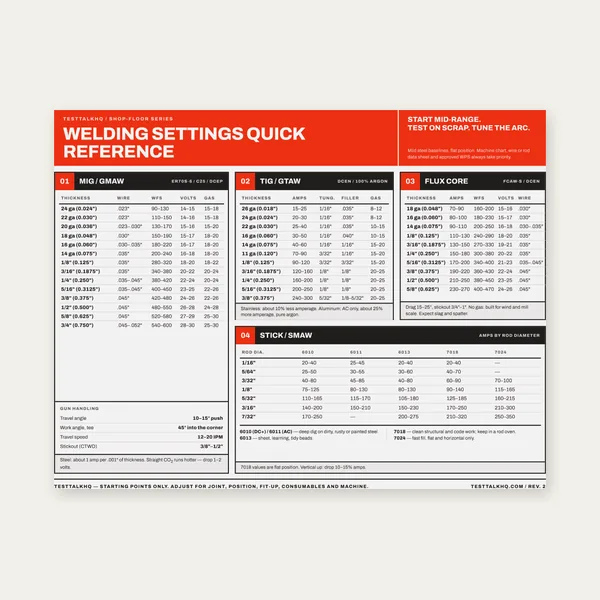
Welding Reference Card
One page. MIG, TIG, stick and flux core settings by thickness.
$3.99
BuyEstimate your shielding gas costs and optimize your welding budget
Calculate your welding gas costs accurately with our free calculator. Whether you're running a production shop or weekend warrior, knowing your shielding gas expenses helps you budget properly and identify cost-saving opportunities.
Looking for other welding cost tools? Try our Weld Cost Calculator and our Filler Metal Weight Calculator.
One page. MIG, TIG, stick and flux core settings by thickness.
$3.99
Buy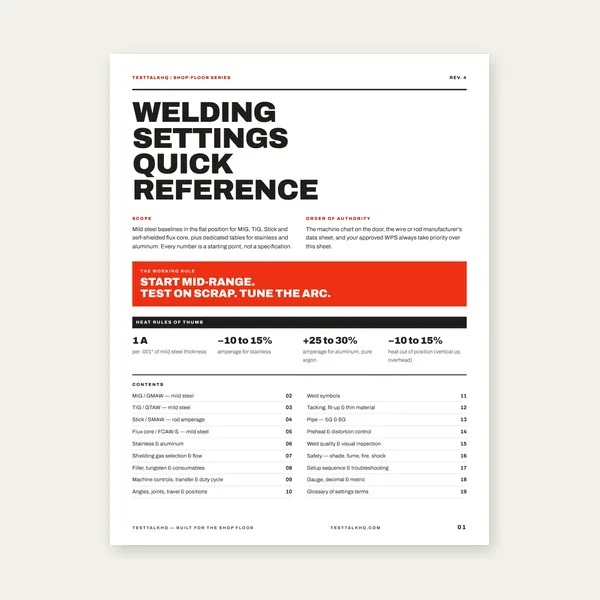
19 pages. Four processes, stainless and aluminum, symbols and inspection.
$12.99
Buy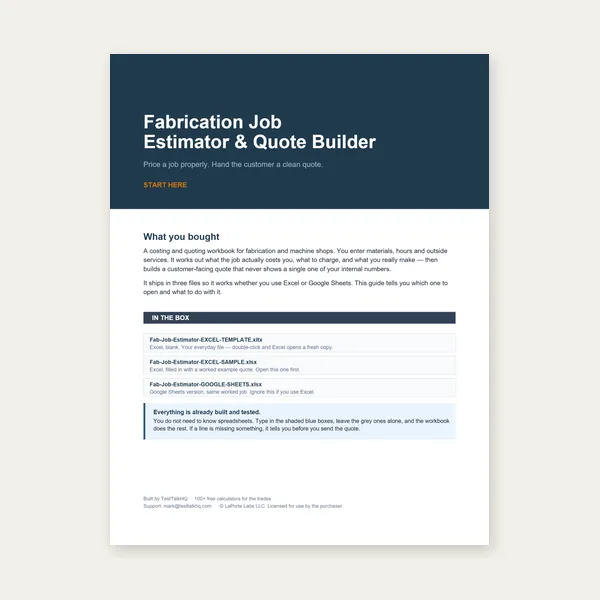
Price the job, then hand over a quote with no internal numbers.
Excel or Google Sheets. Best on a computer.
$29.00
Buy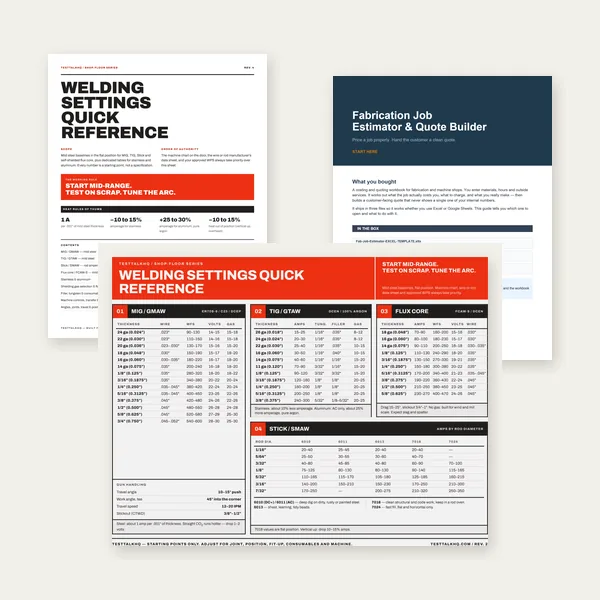
Card, 19-page guide and the estimator workbook. All six files.
Excel or Google Sheets. Best on a computer.
$34.99
$45.98 if bought separately — save $10.99
BuyCheckout opens in a new tab.
Want a client-ready quote instead of just the numbers? Excel + Google Sheets workbook for metal shops — cost, markup, and a clean customer quote.
View on Etsy →Professional gas regulators and money-saving accessories for welders.
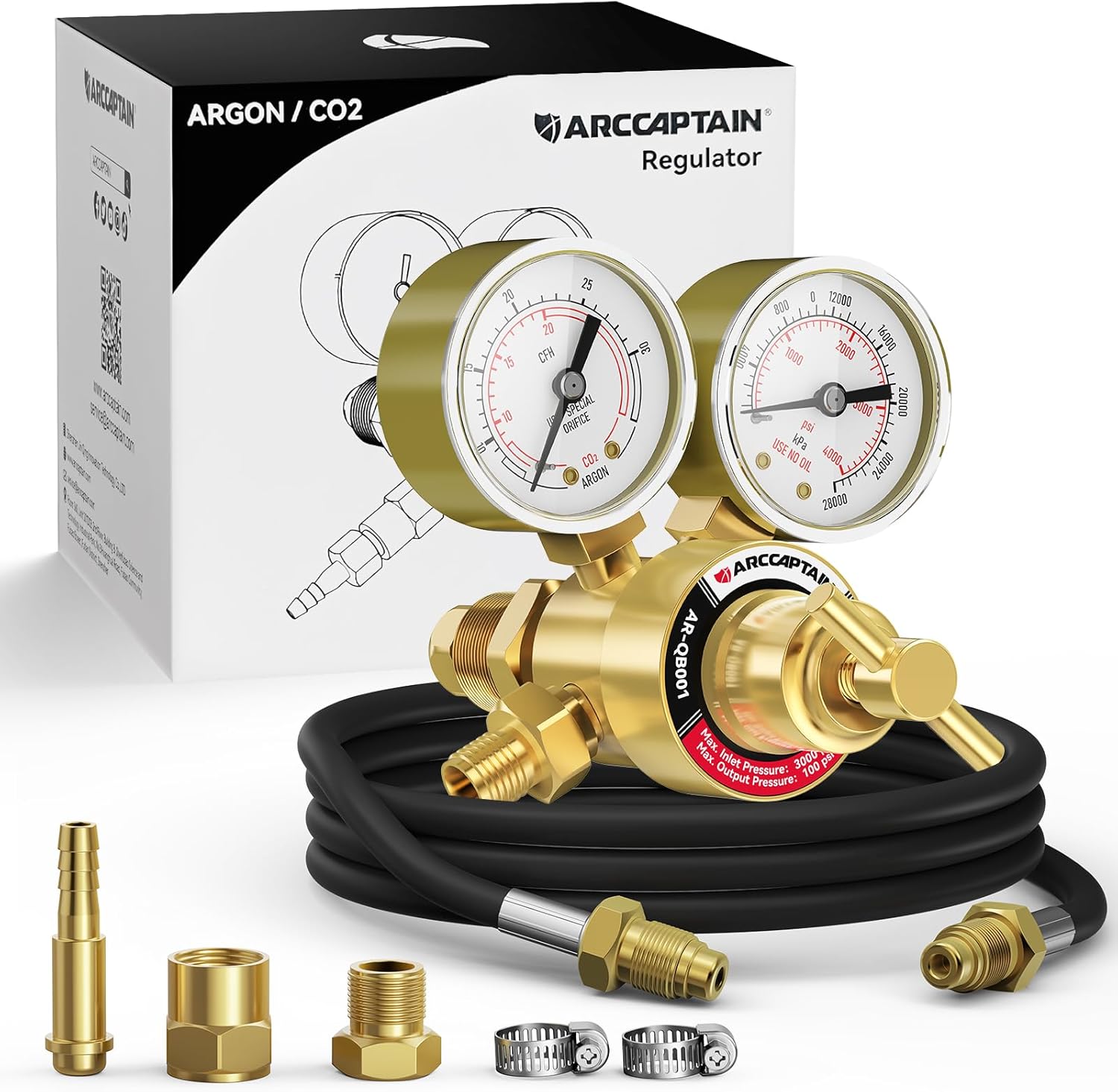
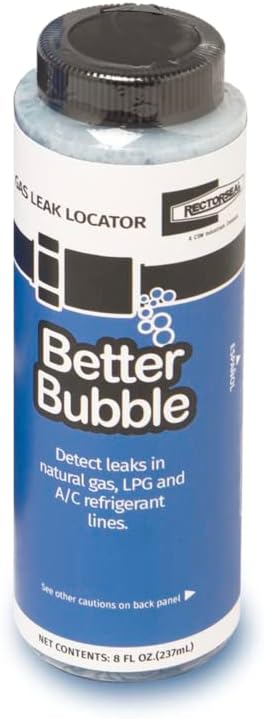
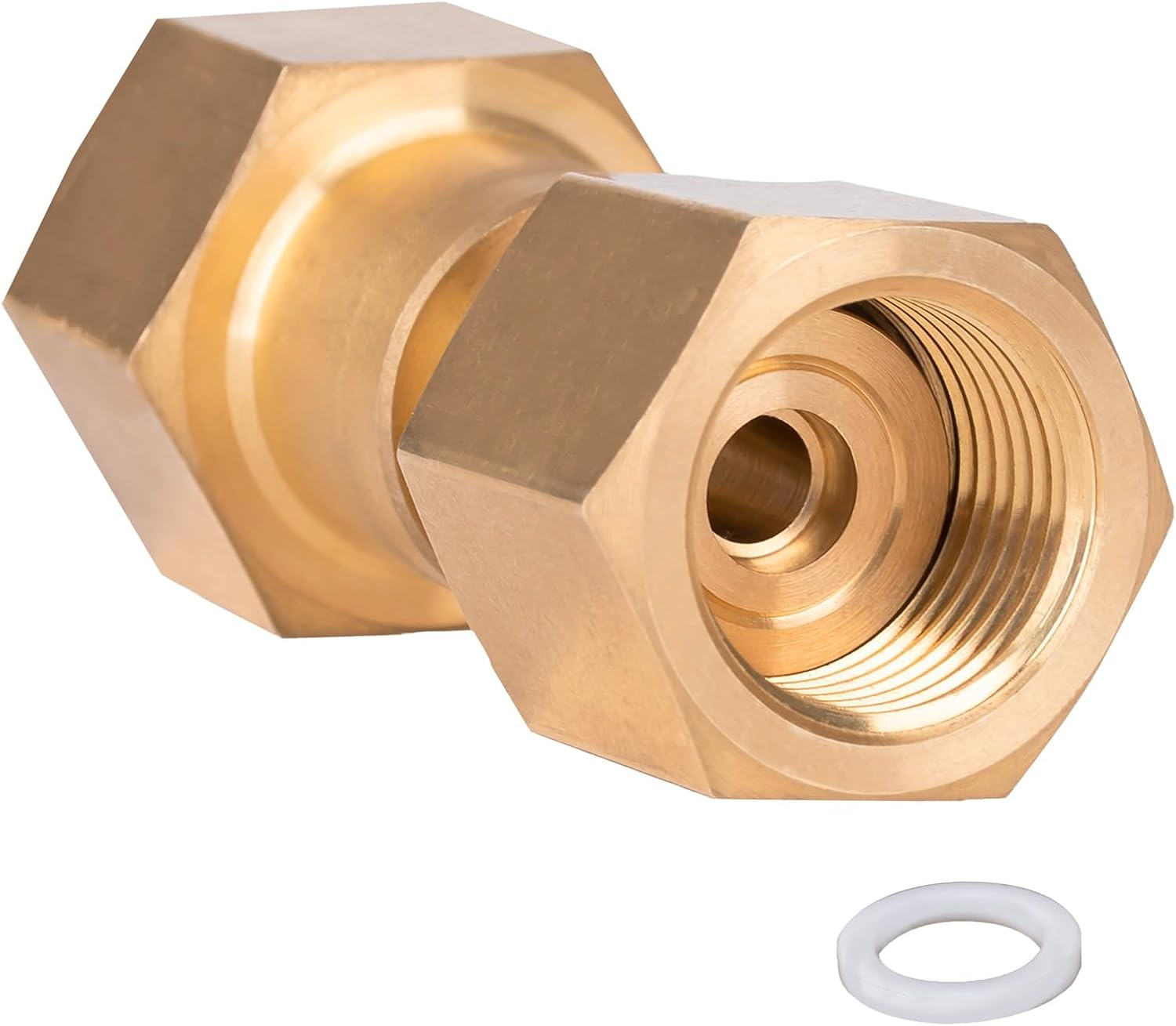
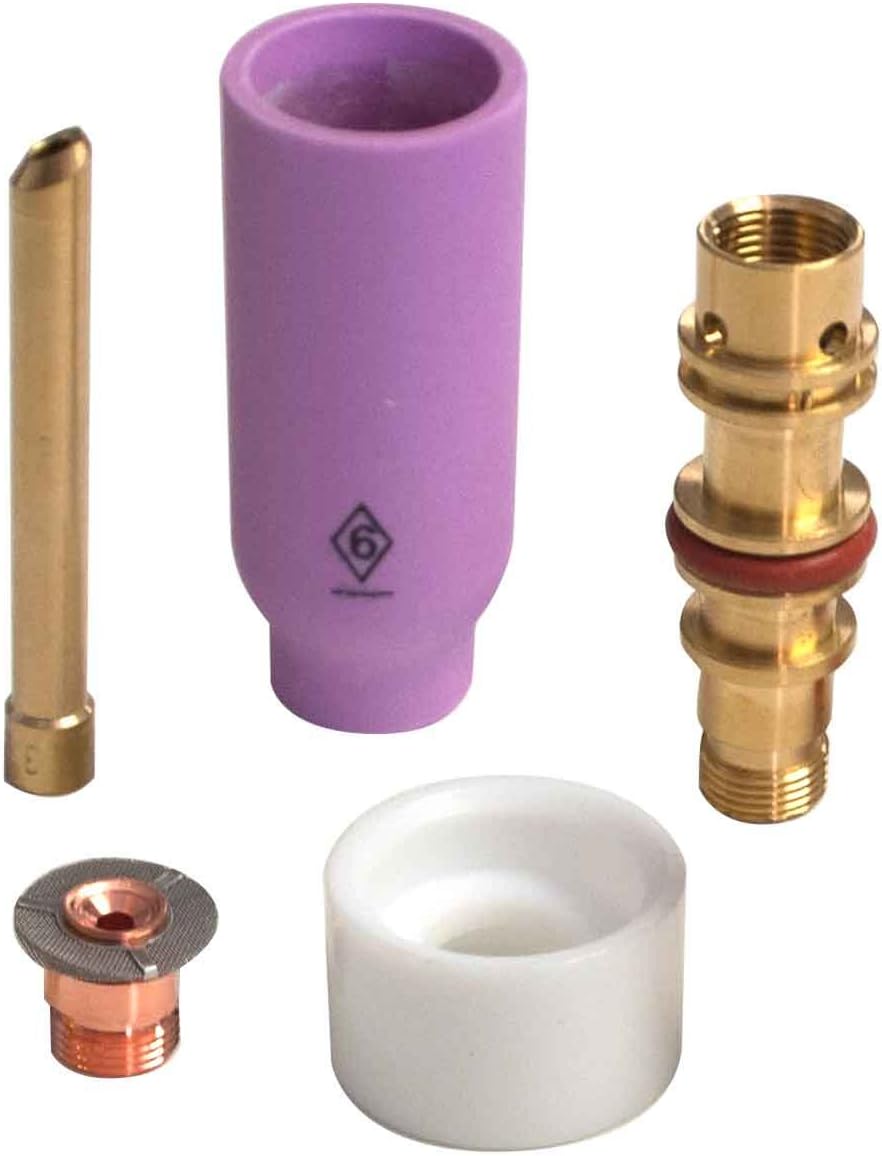
Select your shielding gas type, enter your typical gas flow rate in cubic feet per hour (CFH), input your daily welding time, and specify how many days per week you weld. Then enter your local gas cost per cubic foot and cylinder size.
Daily Cost: Your gas expense for one day of welding based on actual arc-on time.
Monthly Cost: Budget planning number for your shop overhead.
Yearly Cost: Annual gas budget for business planning.
Days Per Tank: How long your current cylinder lasts.
Refills Per Month: Monthly trips to your gas supplier.
Tank Recommendation: Suggested optimal tank size based on your usage.
75/25 Argon/CO2: Best all-around gas for MIG welding mild steel with good arc stability and minimal spatter.
100% CO2: Budget option with deep penetration, but more spatter and rougher arc than mixed gas.
90/10 Argon/CO2: Cleaner, cosmetic weld option with better puddle control than 75/25.
100% Argon: Required for MIG aluminum and used for TIG welding.
100% Argon: Standard for TIG welding steel, stainless, and aluminum.
Argon/Helium Mix: Higher heat input for TIG aluminum work.
Argon/Hydrogen Mix: Used in specific TIG stainless applications.
Many welders run excessive gas flow, wasting money. Use these ranges as a starting point and tune down to the minimum effective flow.
Thin (1/16"-1/8"): 15-20 CFH
Medium (1/8"-1/4"): 20-25 CFH
Thick (1/4"+): 25-30 CFH
Outdoor/drafty: +5-10 CFH
Steel (thin): 10-15 CFH
Steel (thick): 15-20 CFH
Aluminum: 15-25 CFH
Gas lens: Often reduces needed flow 20-30%
💡 Pro Tip: Reduce your flow by 5 CFH and run a bead. Keep reducing until porosity appears, then add back 5 CFH. That's your practical minimum effective flow.
Best for: Hobbyists, portable jobs, light use (under 30 min/day).
Best for: Small shops, regular welding (1-3 hours/day).
Best for: Production shops, daily welding (3-6 hours/day).
Best for: High-volume shops, multiple welders.
💰 Cost Consideration: Larger tanks often have lower cost per cubic foot. If you're refilling a small tank more than twice per month, upgrading usually pays off in convenience and lower per-CF cost.
Pros: No large upfront purchase, supplier handles tests/maintenance, easy tank-size swaps.
Cons: Ongoing fees and supplier lock-in.
Pros: No annual rental, fill anywhere, better long-term value for frequent users.
Cons: Upfront purchase plus periodic recertification responsibility.
Check for leaks at regulator and hose connections. Reduce flow to your minimum effective setting.
Upgrade cylinder size if you're refilling more than twice per week.
Keep a spare tank and track refill timing before critical work.
Verify flow meter accuracy and avoid over-flowing beyond required coverage.
Real-world example: A small fab shop cut monthly gas cost from about $280 to $145 by fixing leaks, reducing flow, switching blend, and moving from 125 CF to 240 CF cylinders.
Typical ranges: CO2 $0.08-$0.12/cf, 75/25 mix $0.12-$0.18/cf, Argon $0.15-$0.25/cf, Helium $0.30-$0.50/cf.
Start near 20-25 CFH for most steel MIG work, then tune lower until porosity appears and bump back up.
Frequent users usually save by buying; occasional users usually benefit from rental convenience.
Disclaimer: Gas costs vary by region, supplier, and cylinder ownership. This calculator provides estimates only. Check with local suppliers for your exact pricing.