Hot Work & Fire Watch Permit Checklist

Welding, cutting, and grinding near combustibles — permit-ready steps

Hot work — welding, brazing, cutting, grinding that produces sparks — starts more structural fires in shops and maintenance sites than most teams expect. NFPA 51B and OSHA 1910.252 require combustible clearance, permits in many facilities, and trained fire watch when automatic suppression is not present. Use this checklist before plasma, stick, or MIG work near flammable storage, and pair it with the PPE Selection Guide on the Shop Safety Tools Hub.
When a Hot Work Permit Is Required

A formal permit is typically required whenever open-flame or spark-producing work happens outside a designated hot-work area, or inside one where combustibles have been reintroduced. Designated areas still need fixed shields, fire-resistant floors, and housekeeping — a painted floor line is not protection by itself.

Common permit triggers: welding on mezzanines above packaging, cutting barrels or containers (even "empty" ones hold vapor), structural work in occupied buildings, roof work near bitumen, and maintenance inside dust-heavy environments where fine metal or wood dust ignites like fuel.

35-foot rule (NFPA 51B / OSHA 1910.252): Move combustibles at least 35 feet (11 m) from hot work, or shield them with fire-retardant covers secured tight at the bottom so sparks cannot roll underneath. If neither is possible, a competent person must authorize alternative precautions in writing on the permit.

Pre-Permit Checklist — Before Sparking Arc or Torch

  • ☐Hot work permit issued and posted at the job site (per facility policy)
  • ☐Combustibles moved ≥ 35 ft or covered with secured fire-retardant blankets
  • ☐Flammable liquids, gases, and dust sources identified and isolated
  • ☐Drums, tanks, and pipes verified empty, cleaned, and vented — never cut closed containers
  • ☐Floor and wall openings covered so sparks cannot drop to lower levels
  • ☐Fire extinguishers sized for the hazard within 10 ft travel (minimum ABC, often larger for Class B areas)
  • ☐Automatic sprinklers, alarms, and gas detection operational — not bypassed
  • ☐Adjacent rooms and shafts inspected for hidden combustibles (insulation, cable trays, wood blocking)
  • ☐Wind and ventilation assessed — outdoor sparks travel farther than the 35-ft mental model
  • ☐Fire watch person assigned, trained, and free of welding duties
  • ☐Welder PPE verified per PPE Selection Guide
  • ☐Equipment grounds and leads inspected — damaged cables arc before the intended joint
Embed this calculator Free · no API key · keep the attribution link

Copy the snippet below to embed this calculator on your site. The attribution link must stay intact and dofollow (no rel="nofollow"). Browse all embeddable calculators

<div class="ttq-embed" style="max-width:100%;margin:0 auto;">
  <iframe src="https://testtalkhq.com/embed/hot-work-fire-watch-permit-checklist/?theme=light&utm_source=embed" width="100%" height="980" frameborder="0" loading="lazy" scrolling="no" title="Hot Work & Fire Watch Permit Checklist Calculator — TestTalkHQ" style="border:0;max-width:100%;width:100%;"></iframe>
  <p style="font:400 13px/1.4 system-ui,sans-serif;text-align:center;margin:6px 0 0;">Powered by the <a href="https://testtalkhq.com/hot-work-fire-watch-permit-checklist/?utm_source=embed&utm_medium=referral&utm_campaign=calculator_embed&utm_content=hot-work-fire-watch-permit-checklist" target="_blank" rel="noopener">Online Hot Work & Fire Watch Permit Checklist</a> from <a href="https://testtalkhq.com/?utm_source=embed&utm_medium=referral&utm_campaign=calculator_embed&utm_content=hot-work-fire-watch-permit-checklist" target="_blank" rel="noopener">TestTalkHQ</a></p>
</div>

Any trade

Contractor Job Estimator

Contractor Job Estimator

Price remodels and GC work, then send a quote with no internal numbers.

Excel or Google Sheets. Best on a computer.

$29.00

Buy

See all products

Checkout opens in a new tab.

⚡ Recommended Hot Work & Fire Safety Gear

Extinguishers, blankets, and PPE that support permit compliance
Shield Fire retardant welding blanket

Fire-Retardant Welding Blanket

  • Cover combustibles inside 35-ft radius
  • Secure bottom edge against rolling sparks
  • Grommets for vertical shielding
  • Inspect for holes before each permit
  • Pair with floor sweep after job
View on Amazon →
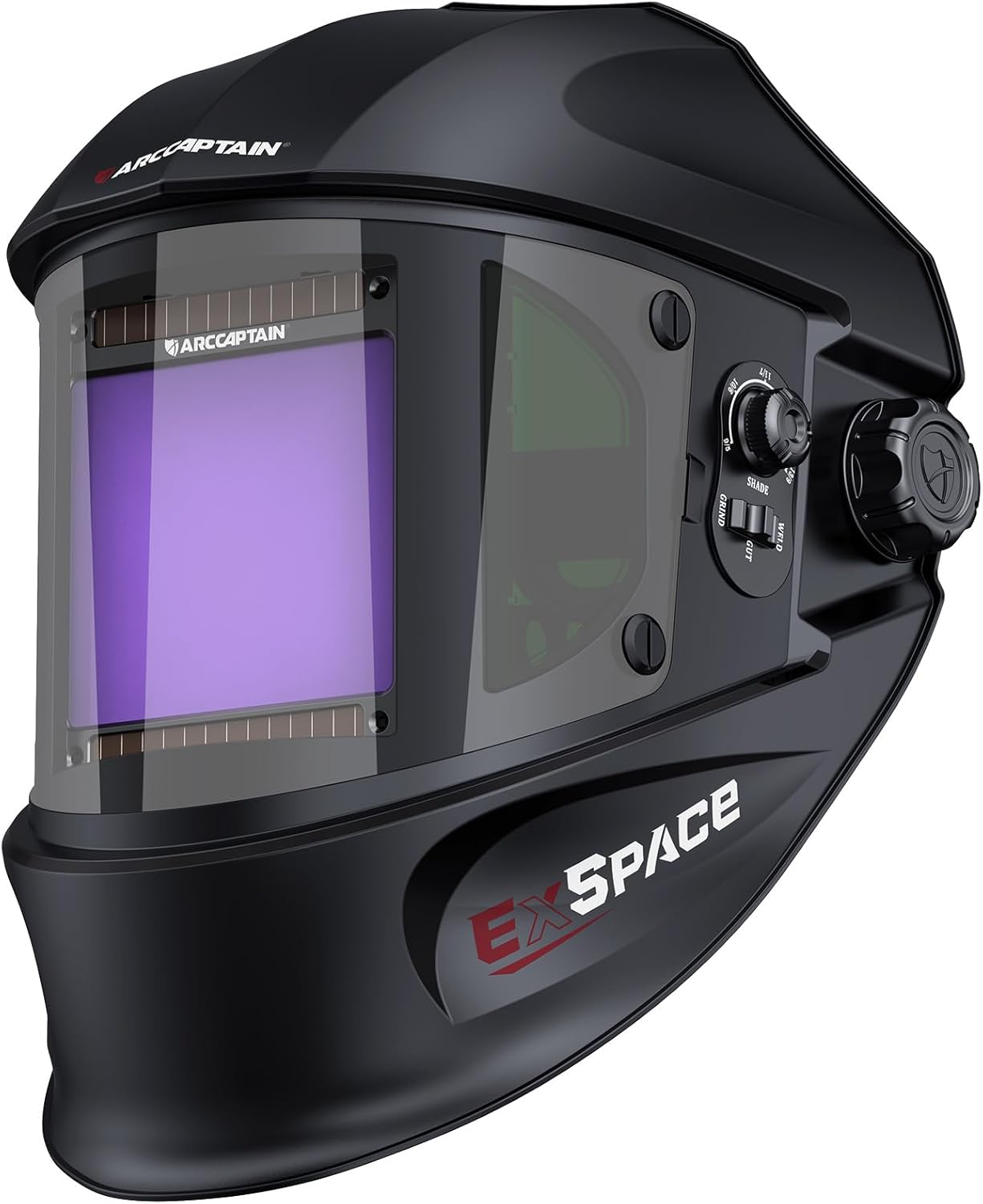
PPE ARCCAPTAIN auto-darkening welding helmet

ARCCAPTAIN Auto-Darkening Helmet

  • Eye protection during arc and plasma prep
  • Fire watch should also wear impact-rated glasses
  • FR clothing required for welder and helpers
  • See full matrix in PPE guide
  • Replace damaged lenses promptly
View on Amazon →

As an Amazon Associate, TestTalkHQ earns from qualifying purchases.

During Work — Active Hot Work Controls

  • ☐Only permitted personnel inside the controlled zone
  • ☐Fire watch maintains continuous visual contact with work and adjacent areas
  • ☐No breaks in fire watch while equipment is hot or sparks are possible
  • ☐Extinguisher remains accessible and unobstructed
  • ☐Additional spotter when sparks fall through grating or wall penetrations
  • ☐Process settings documented — use Plasma Cutting Calculator, MIG, or Stick calculators to reduce rework that extends hot work time
  • ☐Ventilation running for enclosed areas — fume and fire risk are linked when coatings off-gas
  • ☐Stop work if unknown odors, visible gas, or failed covers appear — re-permit after correction

Fire Watch — During Work and 30–60 Minutes After

Fire watch is not ceremonial. Smoldering insulation, wood embeds, and dust piles can ignite minutes after the arc stops. NFPA 51B typically requires fire watch during hot work and for at least 30 minutes after completion; many insurers and owner specs mandate 60 minutes. Follow the stricter written program on your permit.

  • ☐Fire watch trained to recognize ignition and use extinguishers without endangering self
  • ☐Watch includes areas above and below the work — not only the torch line of sight
  • ☐Periodic walk-through of adjacent compartments and ceiling spaces when accessible
  • ☐30–60 minute post-work monitoring timer started at last spark
  • ☐Log entries at 15-minute intervals if your permit template requires
  • ☐Ready access to radio or alarm to call facility emergency response
  • ☐Fire watch has no other duties during the monitoring window

Post-Work Sign-Off

  • ☐Full 30–60 minute fire watch completed with no smoke or hot spots detected
  • ☐Area swept for slag, sparks, and smoldering debris
  • ☐Fire-retardant covers removed or stored — combustibles returned only when cold
  • ☐Equipment powered down, gas cylinders valved off, leads coiled
  • ☐Permit closed with welder and fire watch signatures and time stamps
  • ☐Incidents or near-misses documented for safety review even if extinguished
  • ☐Next shift briefed if residual heat remains in thick members or insulated walls

Keep a laminated copy of this checklist with your permit binder. For fume and noise planning on the same jobs, use the Fume Ventilation CFM Calculator and Noise Exposure Calculator on the Shop Safety Tools Hub.

Related Tools & Guides