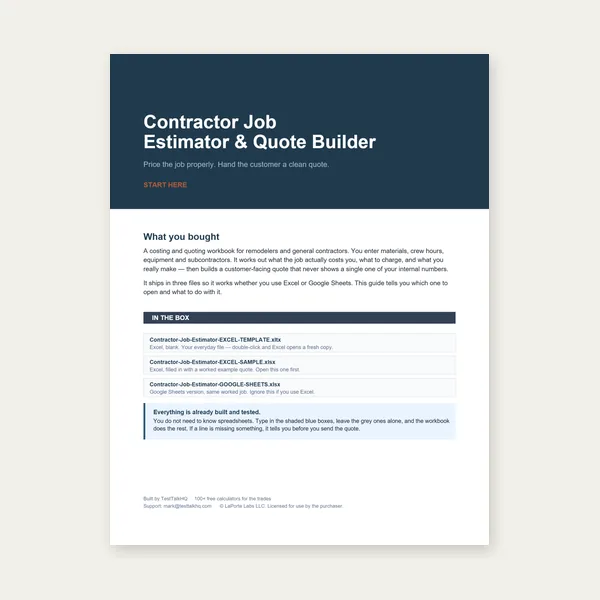
Contractor Job Estimator
$29.00
BuyExterior treated 2x12 stringers — rise, run, step count, length, and a typical IRC flag
$29.00
BuyCheckout opens here — you stay on this page.
Same square and gauges as an interior stringer. The difference is treated 2x12, hangers at the rim, and a landing that is not dirt.
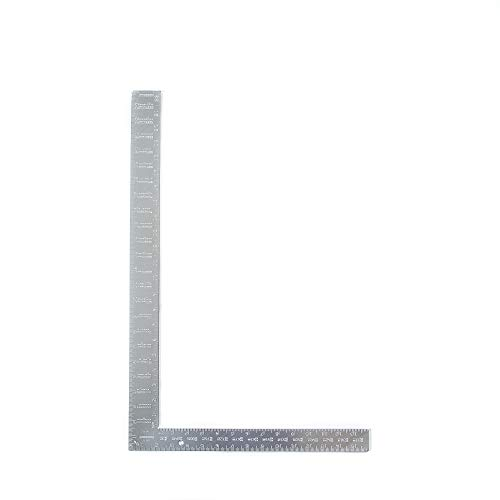
Fast 90 and 45 checks on the plumb cut at the deck rim and the seat cut at the landing. Pair it with a rafter square for the full rise/run walk.
View on Amazon →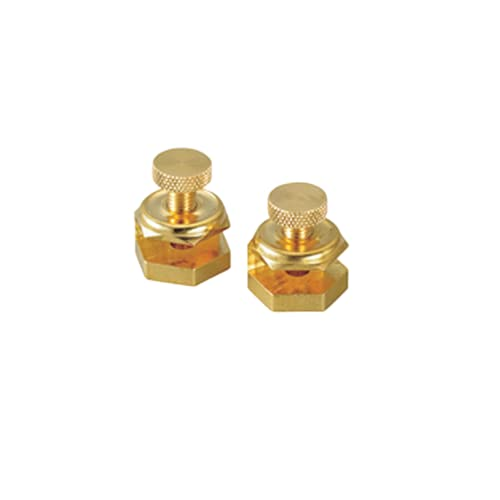
Clamp unit rise and unit run on a framing square and walk the treated 2x12. Same layout as interior — wet PT just needs a darker pencil.
View on Amazon →
Unit rise on the tongue, unit run on the body. This calculator is written for that walk on a treated 2x12.
View on Amazon →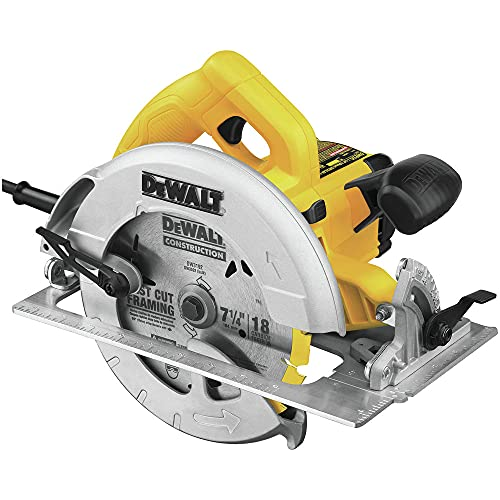
Stop short of the crotch on PT 2x12 the same way you would indoors. Finish the corner with a handsaw so you keep the 5" throat.
View on Amazon →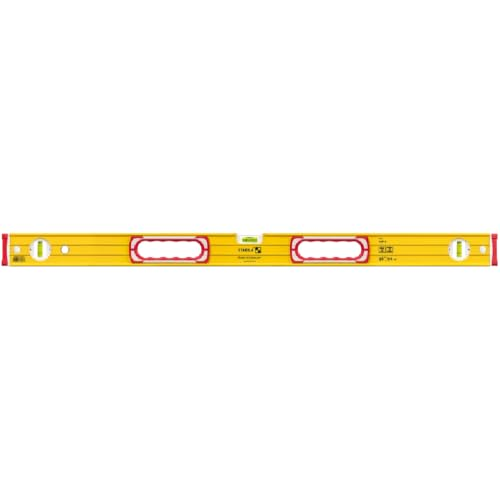
Prove the first tread and the landing pad before you hang the rest of the flight. A long level also checks the deck rim is not rolling.
View on Amazon →
Story pole, square walk, and the overcut rule. Use this calculator for deck numbers, then the interior guide before the first kerf.
Read the Layout Guide →As an Amazon Associate, TestTalkHQ earns from qualifying purchases.
Measure from the finished deck walking surface down to the finished landing (concrete, pavers, or compacted pad — not dirt). Enter the horizontal run you actually have in front of the deck. Pick 2 stringers (36" stair) or 3 (center stringer, typical over 36"). Read step count, rise per step, run per step, treated 2x12 stringer length, remaining throat, and the typical IRC flag.
Same core math as the interior Stair Stringer Calculator. How to mark and cut: stair stringer layout guide. Uneven risers and callbacks: stair troubleshooting.
Landing pads: concrete volume calculator. This tool does not size guards, posts, or a steel header.