Deck Ledger Board Attachment: The Complete Fastening Rules
Why the ledger is not stacked bearing — staggered rows, end distance, flashing, and a brief note on lateral hold-downs
Every other major deck connection sits on something: joists on a beam, beam on a post, post on a footing. The ledger hangs off the house. Run spacing in the deck ledger board fastener calculator. Field failures: common problems. Hardware choice: lag vs bolt vs structural screw. Rest of the frame: beam span, footing size, post spacing, deck stairs. Carpentry index: hub.
Get a starting on-center number.Lag or through-bolt spacing from joist span, plus a fastener count for the ledger length.
Open Ledger Fastener Calculator →Jump to what you need
Why the Ledger Is Structurally Different from Every Other Deck Connection
A post on a footing is compression into soil. A joist on a beam is bearing on wood. The ledger is a fastener group into an existing structure. Withdrawal, shear, and the condition of the band joist all matter. If that group lets go, the deck drops away from the house — the classic residential deck collapse mode.
That is why ledger fastening is its own calculation. Beam span, footing size, and post spacing size the free-standing side of the deck. They do not attach it to the house. Size those with the beam span, footing, and post spacing calculators, then come back here for the house connection.
Two Staggered Rows on a Standard-Depth Ledger
On a 2x8 or deeper ledger (about 7.25" actual and up), fasteners go in two staggered rows — one toward the top edge, one toward the bottom, offset so you are not splitting the same grain line. A single row is a shallower-ledger / special-case layout. The calculator defaults to two rows for that reason.
Stagger spreads load into more of the band joist and keeps edge distance on both the ledger and the rim. Do not put both rows so close to the edges that you blow out the board, and do not line them up as a single perforated line down the middle.
End Distance, Edge Distance, and Where the First Fastener Goes
Keep a minimum 2" end distance from each end of the ledger. The calculator uses that 2" margin when it counts fasteners. Edge distance toward the top and bottom of the board still matters so you do not split the ledger or miss the band joist behind it.
The first and last fasteners in each row sit at that end margin. Everything between them follows the on-center spacing. If the last gap wants to run wider than the calculated spacing, add a fastener rather than stretching the last bay.
Flashing Is Not Optional — It Is How the Joint Stays Dry
Water that sits in the ledger-to-house joint is the number-one rot cause at this connection. Rotten band joist plus loaded fasteners is how ledgers walk off the house years later, not the day you hang them.
Z-flashing (or an equivalent one-piece flashing that kicks water out over the ledger and behind the siding above) keeps that joint from becoming a trough. Siding is cut so the flashing tucks up behind it. Do not caulk the top of the ledger as a substitute. Do not bury the ledger behind siding with no flashing path out.
Lateral Load Devices (IRC R507.9.2) — Brief, On Purpose
Vertical load is the lag/bolt group. Decks also try to pull away from the house. IRC R507.9.2 covers tension/hold-down devices for that lateral load. They are a separate hardware path from the spacing table — listed hold-downs, tension ties, or an approved alternative, installed per the manufacturer.
This page does not size those devices. If the inspector asks for lateral load connections, that is a listed-product install, not a denser lag pattern. Do not assume extra lags replace hold-downs.
What Hardware Is Actually Listed for This Connection
For the IRC prescriptive path, plan on 1/2" hot-dip-galvanized hex-head bolts or 1/2" hot-dip-galvanized lag screws. Carriage / cap-head bolts and ordinary deck screws are not permitted for attaching the ledger to the band joist.
Lag screws must fully penetrate through and beyond the inside face of the band joist. A lag that dies in sheathing or in the first inch of rim is not that connection. Through-bolts need a washer and nut on the inside face — which means you can reach it. Structural screws (Simpson SDWS, LedgerLOK, and similar) are an ICC-ES alternate path, not the IRC table itself. Walk that three-way choice in lag vs through-bolt vs structural screw.
Ready for a starting spacing?16 ft ledger and 10 ft joist span is a typical first run.
Ledger Fastener Calculator →Framing Layout Gear for Ledger Work
Ledger fastening is a layout job as much as a hardware job. Square the board, keep it level, and cut clean before you commit the first lag or through-bolt into the band joist.
16×24 Framing Square
Mark the 2" end distance and the staggered two-row pattern on the ledger before you drill. Same square you will use on the rest of the deck frame.
View on Amazon →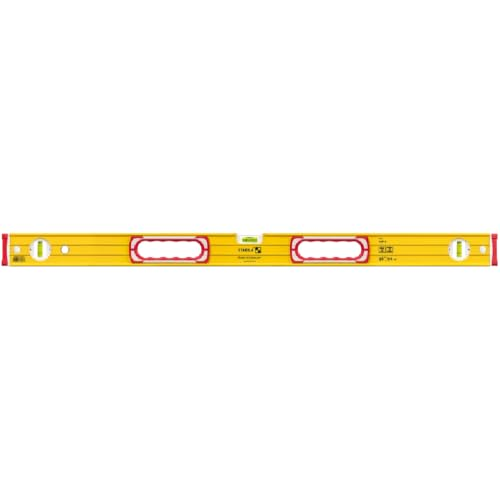
48" Box Beam Level
A ledger that walks out of level before flashing is a water problem waiting to happen. Sight it, then fasten.
View on Amazon →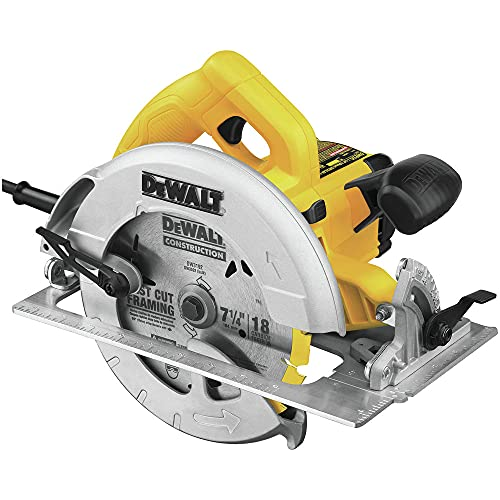
7-1/4" Circular Saw
Cut the ledger to the house, not to a guess. Crown and length are set before any fastener goes in.
View on Amazon →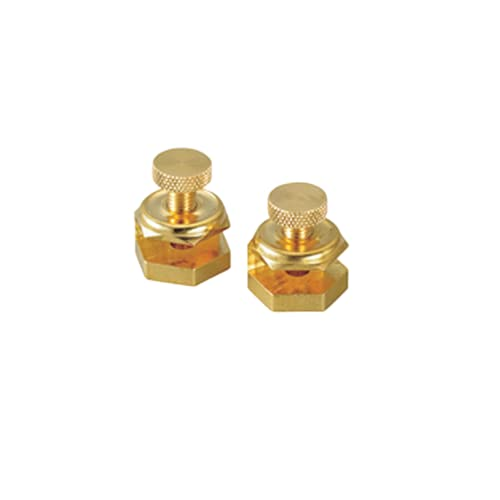
Johnson Stair Gauges
When the same deck gets stairs, lock rise and run on the square. Ledger fastening and stringer layout are different jobs.
View on Amazon →
Run the Ledger Spacing
1/2" lag screw or 1/2" through-bolt on-center spacing from joist span, plus a fastener count for the ledger length.
Open Ledger Fastener Calculator →
How Ledger Attachment Works
Why this connection is not stacked bearing, plus staggered rows, flashing, and hold-downs.
Read the Attachment Guide →As an Amazon Associate, TestTalkHQ earns from qualifying purchases. Product links are from the live TestTalkHQ affiliate CSV only.