Common Deck Ledger Board Problems and Solutions
Wrong backing, failed flashing, illegal fasteners, short lags, and the separation signs that mean the deck is walking off the house
Ledger failure is the classic residential deck-collapse mode. The goal here is a clear checklist, not a scare piece. Confirm spacing in the ledger fastener calculator. How the connection is supposed to be built: attachment rules. Hardware choice: lag vs bolt vs structural screw. Rest of the frame: beam span, footing size, post spacing, deck stairs.
Check the spacing math first.Then look at backing, flashing, and fastener type on the board that is already up.
Open Ledger Fastener Calculator →Problem index
1. Ledger Fastened into Siding or Sheathing Instead of Solid Framing
What you see: Fasteners that stop in clapboard, trim, foam, or OSB. No band joist on the far side of the hole. Interior inspection (basement or crawl) shows points that never came through the rim.
Why it fails: Sheathing and siding are not the structural rim. Withdrawal values in the ledger connection assume a band joist. A lag in foam-and-OSB is decorating, not attaching.
Fix: Locate the band joist (measure down from the subfloor, look from inside, or a borescope). Remove the ledger if it is only in cladding. Reinstall into solid rim, or convert the deck to free-standing if the rim is not usable. Do not “add a few more” into the same siding.
2. Missing or Failed Flashing — Then Rot
What you see: No Z-flashing above the ledger. Caulk smeared on the top edge. Dark staining, soft wood at the house joint, rusty fastener heads, or a ledger that has shrunk away from the siding line.
Why it fails: The ledger-to-house joint is a water trap. Rot in the band joist is how a connection that passed inspection ten years ago lets go. Fastener steel in a wet joint also corrodes, especially if the coating was never hot-dip galvanized for exterior/treated lumber.
Fix: Probe the ledger and the band joist. Soft wood is a structural problem, not a paint problem. Replace rotten members, then flash correctly (flashing tucked behind siding, kicking water out over the ledger). Attachment sequence: flashing section in the guide.
3. Wrong Fastener Type (Carriage Bolts, Deck Screws, Undersized Lags)
What you see: Round-head carriage / cap-head bolts, 3" coated deck screws in a neat grid, or 3/8" lags “because that is what was in the truck.”
Why it fails: The IRC prescriptive ledger path lists 1/2" hot-dip-galvanized hex-head bolts or 1/2" hot-dip-galvanized lag screws. Carriage heads do not give you the bearing/washer condition that path assumes. Deck screws are not that connection. Undersized lags do not match the listed diameter.
Fix: Plan a replacement with listed hardware, or an ICC-ES structural screw installed to its evaluation report. Do not mix a few deck screws into a lag pattern and call it done. Comparison: which fastener to use.
4. Insufficient Penetration into the Band Joist
What you see: Lags that bottom out before they should. Interior face of the band joist with no points showing. A thick stack of siding + sheathing that ate most of the screw length.
Why it fails: A lag for this connection has to fully penetrate through and beyond the inside face of the band joist. Length that dies in cladding never develops the withdrawal the spacing assumes.
Fix: Add up the stack: ledger + siding/standoff (if any) + sheathing + band joist, then buy lags long enough to pass the inside face. If you cannot verify penetration, through-bolts (with interior access) are the honest path. Recheck count with the calculator after you pick hardware.
5. Signs of Ledger Separation (Treat This as a Structural Warning)
What you see: A gap opening between ledger and house, fasteners that have pulled or bent, a deck that slopes away from the house more than it used to, cracked flashing, or interior drywall/finish damage in line with the rim. People on the deck feeling a bounce that was not there last season.
Why it matters: That gap is the connection unloading. Deck collapses of this type often start as a progressive separation, not a single dramatic crack. Occupants should get off the deck. This is not a caulk-and-watch item.
Fix: Shore the deck, keep people off it, and have the connection evaluated. Repair is usually new hardware into sound framing, or conversion to free-standing, plus replacement of any rotten rim. Do not load a separating ledger to “see if it is fine.”
What to Actually Do About It
- Get off a separating deck and shore it if you can do so safely.
- Confirm backing. Band joist, not siding.
- Confirm flashing and rot. Probe. Replace soft wood.
- Confirm hardware type and penetration. 1/2" HDG hex lags or through-bolts, or a listed structural screw per its report.
- Recheck spacing with the ledger fastener calculator, then verify against the adopted IRC table with the building department.
Done walking the board?Run the rule-of-thumb spacing, then confirm the table.
Ledger Fastener Calculator →Framing Layout Gear for Ledger Work
Ledger fastening is a layout job as much as a hardware job. Square the board, keep it level, and cut clean before you commit the first lag or through-bolt into the band joist.
16×24 Framing Square
Mark the 2" end distance and the staggered two-row pattern on the ledger before you drill. Same square you will use on the rest of the deck frame.
View on Amazon →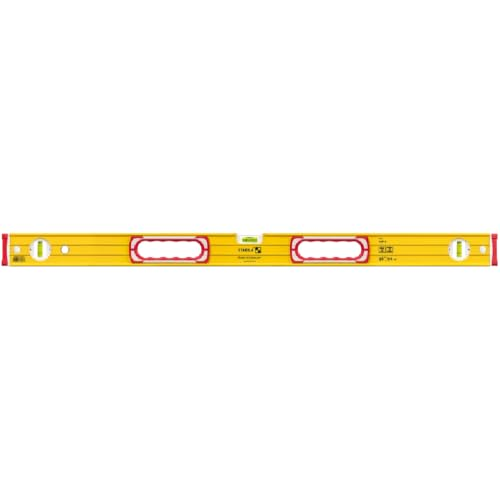
48" Box Beam Level
A ledger that walks out of level before flashing is a water problem waiting to happen. Sight it, then fasten.
View on Amazon →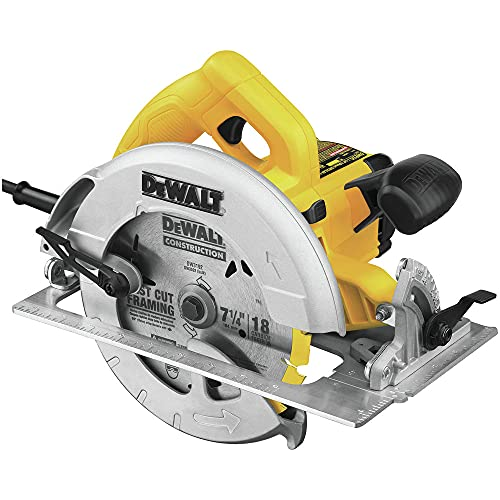
7-1/4" Circular Saw
Cut the ledger to the house, not to a guess. Crown and length are set before any fastener goes in.
View on Amazon →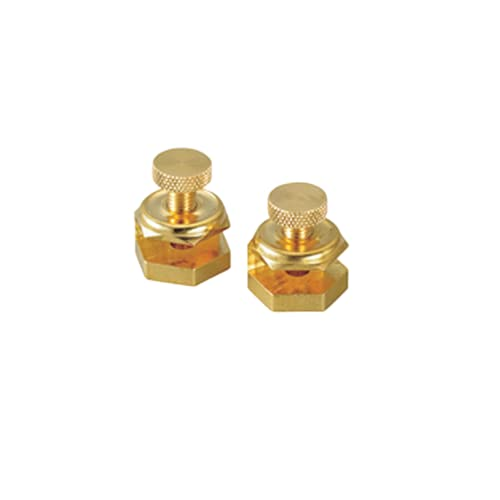
Johnson Stair Gauges
When the same deck gets stairs, lock rise and run on the square. Ledger fastening and stringer layout are different jobs.
View on Amazon →
Run the Ledger Spacing
1/2" lag screw or 1/2" through-bolt on-center spacing from joist span, plus a fastener count for the ledger length.
Open Ledger Fastener Calculator →
How Ledger Attachment Works
Why this connection is not stacked bearing, plus staggered rows, flashing, and hold-downs.
Read the Attachment Guide →As an Amazon Associate, TestTalkHQ earns from qualifying purchases. Product links are from the live TestTalkHQ affiliate CSV only.