Lag Screws vs. Through-Bolts vs. Structural Screws for Deck Ledgers — Which to Use
No backside access vs. a nut on the inside face vs. an ICC-ES alternate — three real paths, not three names for the same screw
Run spacing for the two IRC-listed diameters in the deck ledger board fastener calculator. How the connection is supposed to go together: attachment rules. What goes wrong on existing decks: troubleshooting. Beam, footing, posts, stairs: beam span, footing size, post spacing, deck stairs.
Lags and through-bolts are the two IRC-table paths.Structural screws are a different approval. Do not mix the spacing math.
Open Ledger Fastener Calculator →Jump to what you need
1/2" Lag Screws — Standard IRC Path, No Interior Access Required
Hot-dip-galvanized 1/2" hex-head lag screws are the usual prescriptive answer when you cannot get behind the band joist (finished basement, no crawl, or a rim you will not open). You drill from the deck side. The lag must still fully penetrate through and beyond the inside face of the band joist — “no access” does not mean “short lag.”
Under the InterNACHI rule of thumb this site uses as a starting point, lag spacing is tighter than through-bolt spacing for the same joist span (190 ÷ span vs 330 ÷ span). That is more holes, not a worse connection if they are installed correctly. Predrill. Do not hammer them in. Do not substitute a carriage head.
1/2" Through-Bolts — Stronger Layout When You Can Reach the Inside Face
A through-bolt is a 1/2" hot-dip-galvanized hex-head bolt with a nut and washer on the inside of the band joist. You need that inside face. In exchange you get a clamped connection and, under the same rule of thumb, wider on-center spacing than lags — fewer fasteners for the same ledger.
If the basement is open or the crawl lets you hold a wrench on the rim, through-bolts are the cleaner engineering story. They still are not carriage bolts. They still need flashing, two staggered rows on a standard-depth ledger, and 2" end distance. See attachment rules.
ICC-Approved Structural Screws (Simpson SDWS, LedgerLOK, and Similar)
These are not the IRC table. They are a code-alternate path through an ICC evaluation report (or equivalent listed data). Diameter is usually smaller than 1/2". Many install with no predrill. Spacing, edge distance, and minimum rim thickness come from that report, not from 190 ÷ span or 330 ÷ span.
Use them when the report matches your species, treated lumber, ledger thickness, and rim. Do not drop LedgerLOK spacing onto a lag-screw worksheet, and do not assume a structural screw lets you skip flashing or lateral hold-downs. If the inspector wants the IRC table, lags or through-bolts are the path that matches this calculator.
Side-by-Side (Qualitative)
| Question | 1/2" lag screw | 1/2" through-bolt | Structural screw (ICC-ES) |
|---|---|---|---|
| Backside access | Not required (still must penetrate the inside face) | Required — nut and washer on the rim | Not required |
| Code path | IRC prescriptive ledger fasteners | IRC prescriptive ledger fasteners | Evaluation report / listed alternate |
| Typical spacing vs the other IRC option | Tighter OC (more fasteners) on the rule-of-thumb formula | Wider OC (fewer fasteners) on the same formula | Per the report — do not use 190/span or 330/span |
| Predrill | Yes | Yes (through hole) | Often no — follow the brand |
| Head / coating | Hex head, hot-dip galvanized (or equivalent listed coating) | Hex head, HDG, washer and nut inside | Maker’s head and coating as listed |
| Not this product | Deck screws, 3/8" lags, carriage heads | Carriage / cap-head bolts | Unlisted “construction” screws |
How to Choose on a Real Job
- Open rim and you can get a wrench on it? Through-bolts. Fewer holes, clamped connection, IRC path.
- Finished interior, but you can still hit a real band joist with full penetration? 1/2" HDG lags. IRC path. Confirm length.
- You are installing a listed structural screw on purpose? Follow that report. Do not use this calculator’s inch spacing for layout.
- Rim is rotten, brick veneer with no backing, or the inspector will not accept a ledger? Free-standing deck. Hardware choice will not invent a band joist.
Then run the calculator for lags or bolts, and verify the adopted table. Problems on an existing board: troubleshooting.
Picked lags or bolts?Get a starting on-center number from joist span.
Ledger Fastener Calculator →Framing Layout Gear for Ledger Work
Ledger fastening is a layout job as much as a hardware job. Square the board, keep it level, and cut clean before you commit the first lag or through-bolt into the band joist.
16×24 Framing Square
Mark the 2" end distance and the staggered two-row pattern on the ledger before you drill. Same square you will use on the rest of the deck frame.
View on Amazon →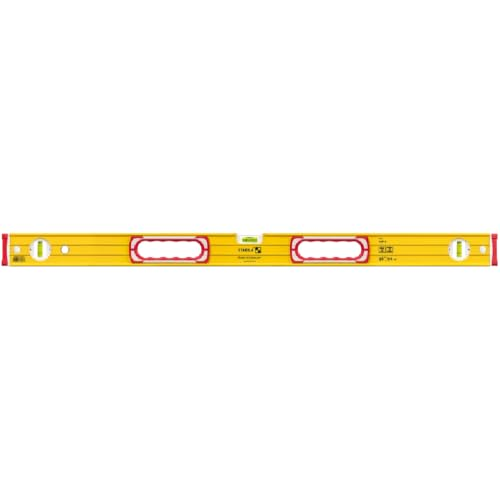
48" Box Beam Level
A ledger that walks out of level before flashing is a water problem waiting to happen. Sight it, then fasten.
View on Amazon →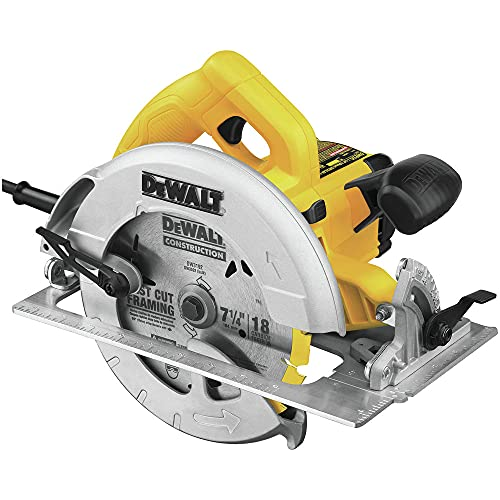
7-1/4" Circular Saw
Cut the ledger to the house, not to a guess. Crown and length are set before any fastener goes in.
View on Amazon →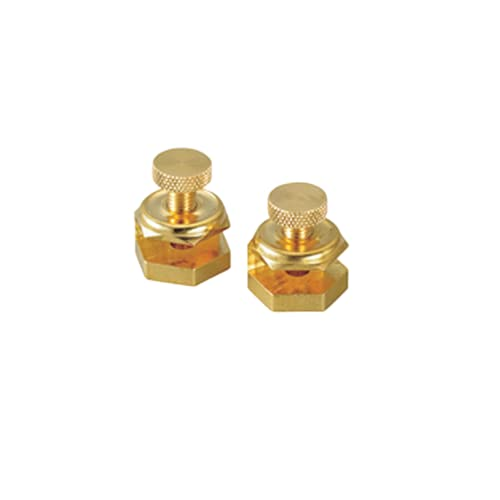
Johnson Stair Gauges
When the same deck gets stairs, lock rise and run on the square. Ledger fastening and stringer layout are different jobs.
View on Amazon →
Run the Ledger Spacing
1/2" lag screw or 1/2" through-bolt on-center spacing from joist span, plus a fastener count for the ledger length.
Open Ledger Fastener Calculator →
How Ledger Attachment Works
Why this connection is not stacked bearing, plus staggered rows, flashing, and hold-downs.
Read the Attachment Guide →As an Amazon Associate, TestTalkHQ earns from qualifying purchases. Product links are from the live TestTalkHQ affiliate CSV only.