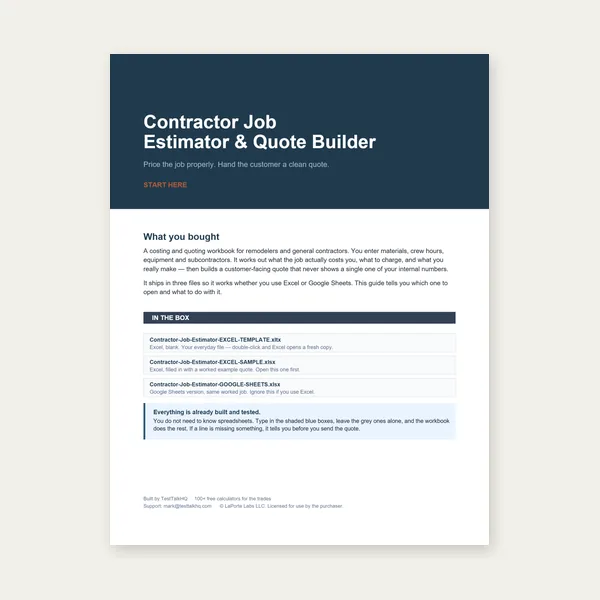
Contractor Job Estimator
$29.00
BuyMaximum tabulated span from standard IRC 2021 tables — a starting point, not a final design
Look up the maximum allowable joist span for Southern Pine, Douglas Fir-Larch, Hem-Fir, or Spruce-Pine-Fir at 2x6 through 2x12 and 12 / 16 / 24 inch on-center spacing. Floor uses IRC Table R502.3.1(2) (40 psf live / 10 psf dead, L/360, No. 2). Deck uses Table R507.6 (40 psf live, wet service, No. 2). This is a starting point based on those standard tables, not a substitute for local code, the lumber grade stamp, or a licensed engineer.
How the tables work: joist span guide. Bounce and sag: troubleshooting. Why floor and deck differ: floor vs deck joists. Full grid: IRC joist span tables.
Same deck, different job: Deck Stair Calculator. Interior stairs: Stair Stringer Calculator. Roof commons: Rafter Length & Roof Pitch Calculator. Lumber volume: Board Foot Calculator.
Choose floor or deck, then species/grade, joist size, and on-center spacing. The result is the maximum tabulated span from the matching IRC 2021 cell. Read the yellow flag on the result: it is a starting point. Confirm the stamp on the lumber, the adopted code in your jurisdiction, and whether your loads actually match 40 psf live / 10 psf dead.
How the tables work and how to read a grade stamp: joist span guide. Bounce, sag, and inherited framing: troubleshooting. Why floor and deck numbers diverge: floor joists vs deck joists. Bookmarkable grid: IRC joist span tables.
Deck stairs still need their own layout: Deck Stair Calculator. Interior stringers: Stair Stringer Calculator. Commons: Rafter Length & Roof Pitch Calculator. Buying the bunk: Board Foot Calculator.
A span table is a lookup, not a calculation. The IRC publishes maximum spans for common species, grades, sizes, and spacings under stated live load, dead load, and deflection limits. This tool returns that published cell. It does not check shear, bearing, hangers, cantilevers, notches, holes, snow, or a 20 psf dead-load finish.
Floor: residential living areas, 40 psf live, 10 psf dead, L/360, No. 2, dry service, Table R502.3.1(2). Deck: 40 psf live, 10 psf dead, L/360, No. 2, wet service, no cantilever, Table R507.6. Sleeping rooms (30 psf), 20 psf dead load, Select Structural, #1, #3, 19.2" o.c., and snow-country deck rows are not in this dropdown.
Long spans past the table, heavy tile or granite, hot tubs, roof snow on a covered deck, notched or heavily bored joists, engineered I-joists, and anything the inspector will not accept as prescriptive. Those jobs need listed manufacturer data or a licensed engineer. Treat every number here as a conversation starter with the code book, not a green light to cut.
Inherited a bouncy floor or a sagging deck?Table numbers first. Then what to do when the existing framing does not match.
Troubleshooting →$29.00
BuyCheckout opens here — you stay on this page.
Span tables tell you how far a joist may run. The square, tape, and level still have to match the stamp and the bay you are actually framing.
Layout the joist bays after the table says the size works. Same square you will use on the deck stairs off that same frame.
View on Amazon →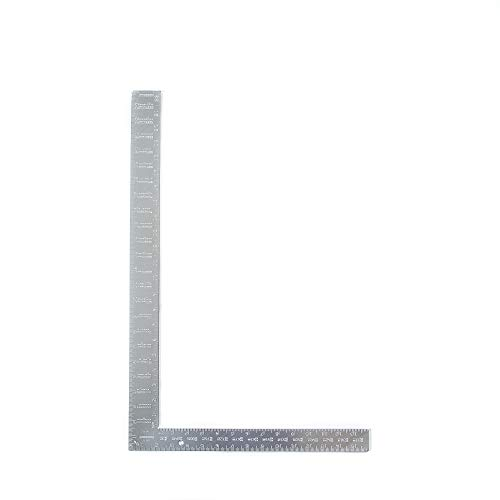
Fast 90s when you are checking joist crowns and hanger seats. Not a substitute for reading the grade stamp.
View on Amazon →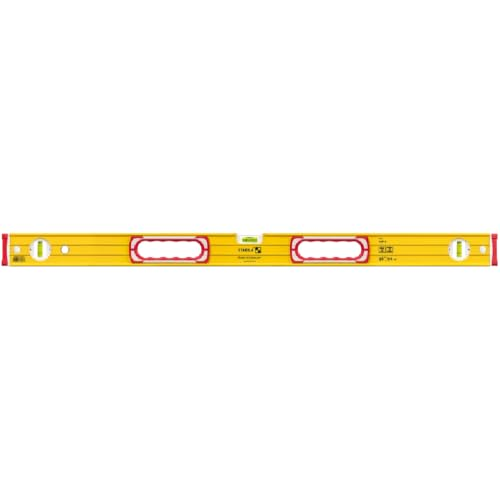
Existing sag shows up here before you argue with a span table. Sight the bay, then compare to the tabulated number.
View on Amazon →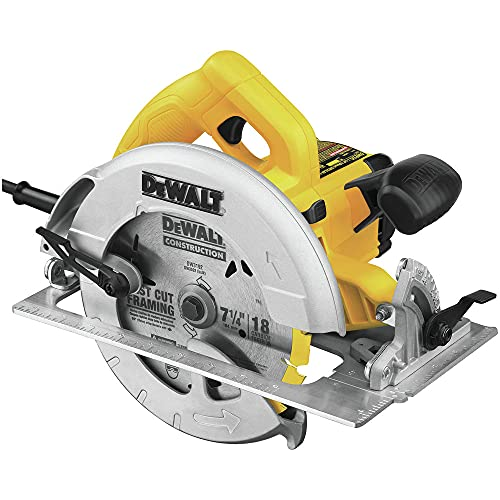
Cut to the span you actually have, not to a wish. If the table does not reach, change size, spacing, or call an engineer — do not sneak an extra foot.
View on Amazon →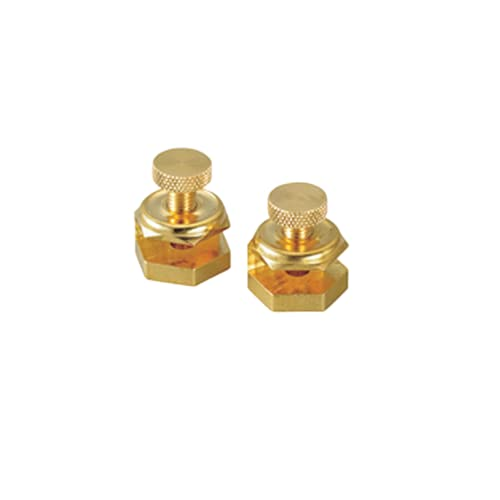
When the same deck gets stairs, lock rise and run on the square. Joist span and stringer layout are different jobs.
View on Amazon →
Species, grade, spacing, load, and the stamp. Read this before you treat a 2x10 as one number everywhere.
Read the Joist Span Guide →As an Amazon Associate, TestTalkHQ earns from qualifying purchases.