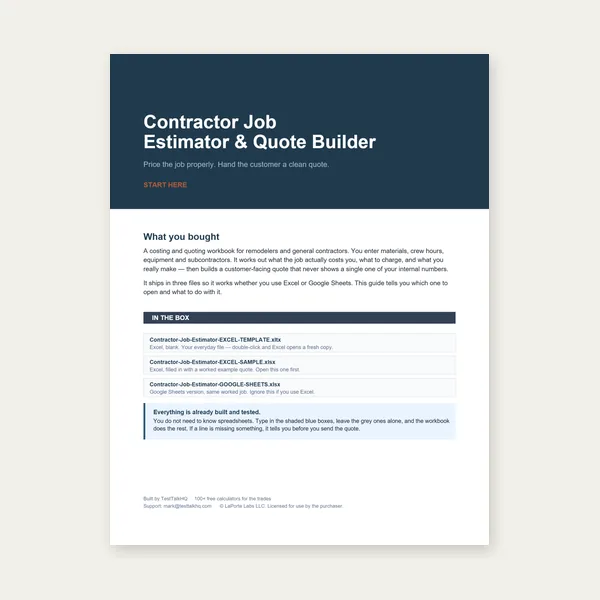
Contractor Job Estimator
$29.00
BuyHow IRC span tables work, what species/grade/spacing/load actually change, and how to read a lumber grade stamp
There is no single “2x10 span.” The number you get is a cell in a published table: species, grade, size, on-center spacing, live load, dead load, and deflection limit. Change any one of those and the allowable span moves. The joist span calculator looks up the common residential cells. It is a starting point, not a stamp and not a permit.
When the existing floor bounces: troubleshooting. Why a deck 2x10 is not a floor 2x10: floor vs deck. Full grids: IRC joist span tables.
Need the tabulated span?Species, size, spacing, floor or deck. Starting point only.
Open Calculator →The International Residential Code does not say “use 2x10s.” It points you to tables. For interior floors that is Table R502.3.1(2) for living areas at 40 psf live load (and a sibling table for sleeping areas at 30 psf). For exterior decks that is Table R507.6. Each cell is the maximum span for that combination under the footnotes: grade, dead load, deflection limit, wet-service or dry, and — for decks — no cantilever in the main-span column.
The American Wood Council derived those numbers from NDS design values: bending, shear, and L/360 live-load deflection for floors. You do not re-derive them on site. You match the row. If your job does not match the footnotes, you leave the table and go to the AWC span calculator, listed I-joist data, or a licensed engineer.
This cluster uses IRC 2021 Table R502.3.1(2) (40 psf live / 10 psf dead, L/360, No. 2) and Table R507.6 (40 psf live, wet service, No. 2, no cantilever). Those are the same cells the calculator and the chart show.
Species sets the published design values. Southern Pine, Douglas Fir-Larch, Hem-Fir, and Spruce-Pine-Fir are the four common construction species in the IRC floor table. They are not interchangeable. After the 2013 Southern Pine design-value change, SP #2 no longer leads every cell — a DF-L #2 2x10 at 16" o.c. on the floor table reaches 15′-7″; SP #2 on the same row is 14′-0″.
Grade is the quality sort: Select Structural, #1, #2, #3. No. 2 is what most framing bunks and the IRC deck table assume. #3 is a much shorter span. Select Structural is longer. If you run the calculator on #2 and install #3, you undersized the floor. The stamp, not the SKU name on the rack, is the grade.
Spacing is on-center, not the gap. 12" o.c. shares load across more members and allows a longer span. 24" o.c. does the opposite. 16" o.c. is the residential default because sheathing and decking are typically rated for it. 19.2" exists on the floor table; this tool does not include it so nobody treats a 19.2 cell as 16.
Load is why floor and deck tables exist as separate documents even when both say 40 psf live. Floors assume dry service and a 10 psf dead load in the cells we publish. Decks assume wet service (treated lumber, rain), include an incising factor for some species, and cap some long 2x12 cells at 18′-0″. Same nominal size, different footnotes, different number. That split is the whole floor vs deck comparison.
Every structural board is supposed to carry a grade mark from an accredited agency (WWPA, SPIB, NLGA, WCLIB, and others). In lieu of a stamp, a mill certificate can satisfy the code — you will not have that on a big-box 2x10. Read the stamp before you trust a table cell.
If the ink is gone, you do not get to assume #2. Either restamp through the yard, use a conservative species/grade the inspector accepts, or get engineering. Guessing is how bounce and callbacks start. More on that in troubleshooting.
It is not shear, hanger capacity, rim-joist nailing, or a cantilever. Floor cantilevers have their own IRC tables. Deck cantilevers are a different column in R507.6. This calculator returns the main-span cell only.
It is not permission to notch the middle third or bore a 3-inch hole next to a hanger. IRC R502.8 still limits cuts in sawn lumber. Engineered I-joists follow the manufacturer, not this table.
It is not local code. Jurisdictions adopt IRC editions on a delay and amend them. Snow-country decks use the higher snow rows in R507.6, not the 40 psf live row. Confirm the adopted edition before you order 2x8s for a 12-foot deck.
Layout after the table: deck stairs, interior stringers, common rafters, board feet.
Only if a different spacing or species on the 2x8 row actually reaches your span. If it does not, the table already answered. Do not “go up a grade in your head.”
Interior dry floors use R502.3.1(2). Exterior decks use R507.6 with wet service. Do not mix them. See floor vs deck.
Not in these tables. Use the manufacturer's span chart for that series and the installed flange restraint. Mixing a sawn-lumber cell with an I-joist SKU is a miss.
A licensed engineer. Long spans, heavy finishes, openings, and anything the inspector will not accept as prescriptive are not calculator jobs.
$29.00
BuyCheckout opens here — you stay on this page.
Confirm the stamp and the bay. Then layout. The table does not replace a square or a level on an existing sag.
Mark joist layout after the table says the size reaches. Same square for the deck stairs off that frame.
View on Amazon →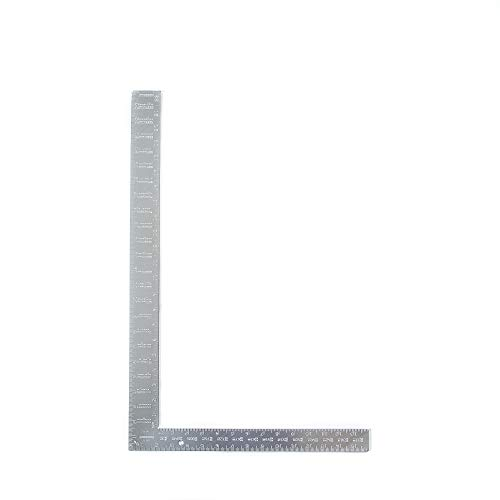
Quick 90s and crown checks. The calculator still wants species and grade from the stamp, not from memory.
View on Amazon →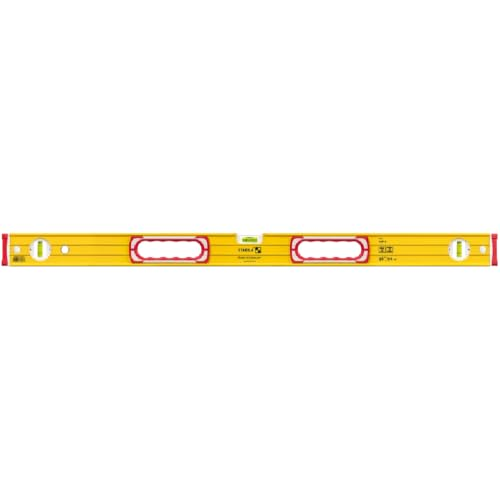
Existing bounce and sag are a field measurement first. Compare that to the tabulated span second.
View on Amazon →
Do not cut a joist longer than the table allows and hope. Change size, spacing, or get engineering.
View on Amazon →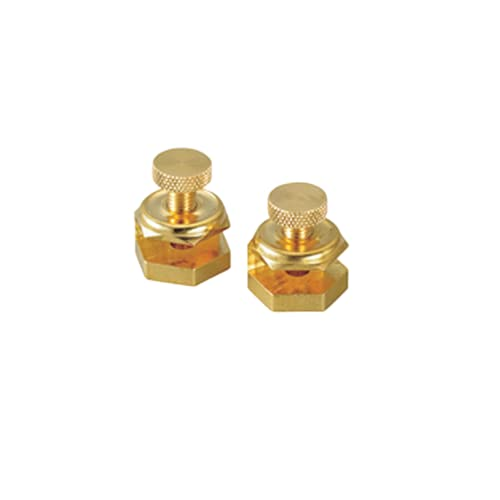
When the deck also needs stairs, lock the square. Span and stringer math are separate.
View on Amazon →
Species, size, spacing, floor or deck. Starting point only — verify local code and the stamp.
Open Joist Span Calculator →As an Amazon Associate, TestTalkHQ earns from qualifying purchases.