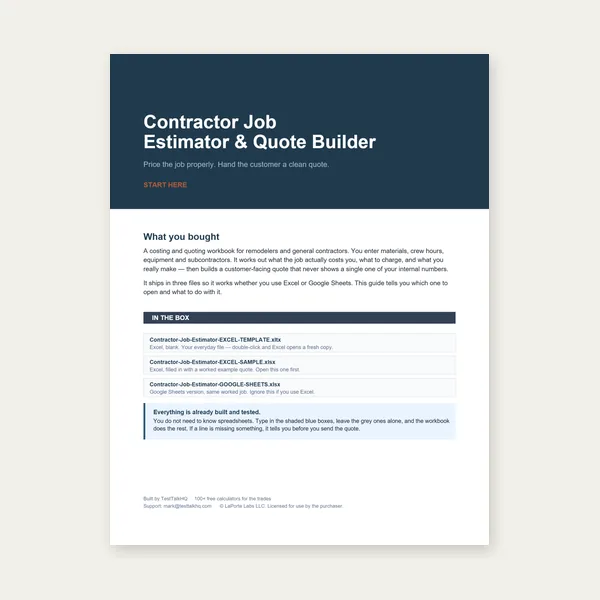
Contractor Job Estimator
$29.00
BuyWrong angle, rafter too short or too long, ridge board out of line
Most “bad rafter” callbacks are layout, not lumber. The pair was cut on the wrong triangle, the overhang was added as board inches, or the ridge moved while you hung the first commons.
Re-run the numbers: Rafter Length & Roof Pitch Calculator. Marking sequence: rafter length and pitch guide. If you cut a hip with common math: common vs hip/valley.
Confirm the triangle firstSpan or run, pitch or rise, overhang. Then decide if the board or the layout is wrong.
Open Calculator →If the ridge joint gaps at the top or crushes at the bottom, the plumb cut is not the pitch. Classic causes: saw set to the seat angle (90° minus pitch) instead of the plumb; Speed Square read as a 6° mark instead of 6/12 (26.6°); or a hip plumb used on a common.
Hip and valley plumb cuts are not the common pitch angle. If the board is a hip and you used 26.6° on a 6/12 roof, the angle is wrong even if the length were accidentally close. Stop and use the hip/valley calculator, then hip/valley troubleshooting. Decision: common vs hip/valley.
Measure what you actually cut against the calculator's three lengths: line (plate to ridge), tail, and total (ridge to fascia). They fail for different reasons.
A short rafter that is only short in the tail can sometimes take a longer fascia plumb if stock remains. A short line length cannot be stretched at the ridge. Cut a new common. Sistering a scab onto a ridge cut is not a roof.
A ridge that walks off layout is usually the first pair, not the ridge board. If the two commons are different lengths or different plumbs, the ridge is pushed toward the short side and rotated toward the open plumb.
Temporary ridge support (a post or a kicker) keeps the first pair from spreading while you fill in. Spreading looks like “rafters too short” by afternoon. The layout guide is the mark-and-cut sequence; this page is what to measure when the ridge is already wrong.
If the seat teeters on the outside corner of the plate, the seat cut is not level (wrong complementary angle) or the heel is not plumb. If the rafter sits but the remaining depth looks like a 2x4, the seat is too deep for the stock.
Re-run the triangleIf pitch-direct and rise+run disagree with the board, believe the calculator and recut the pattern.
Open Rafter Calculator →Tails were not cut on the same total length, or overhang was mixed between level inches and board inches. Recut fascia plumbs from a story stick of total stock, not by chasing the existing eave.
Runs are unequal: a wall out of square, a ridge off center, or span/2 used on a building that is not centered. Measure both runs. Do not clone the long-side pattern onto the short side.
That tool divides a floor-to-floor rise into steps and flags IRC 7.75"/10". It will not give a rafter length. Use the rafter calculator. Stairs: stringer calculator or deck stair calculator.
A fascia nailer can hide a tail that is 1/2" shy. It cannot hide a short line length. If the birdsmouth is off the plate, cut a new rafter.
$29.00
BuyCheckout opens here — you stay on this page.
Lock 12 and the pitch on a framing square. The calculator is the numbers; the square is the line.
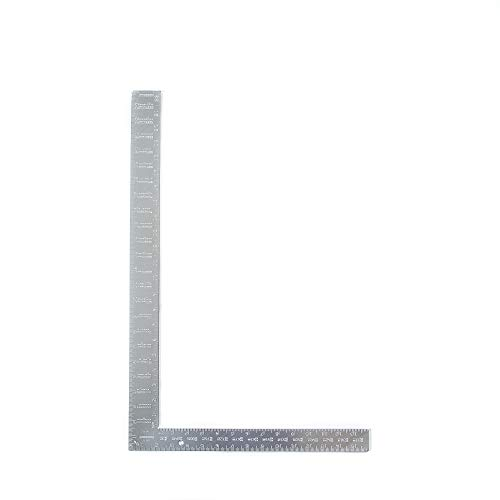
Pivot to the pitch degree for the ridge plumb cut. Confirm it against the calculator angle so the pair meets the ridge.
View on Amazon →
12 on the body, pitch on the tongue. Same walk as a stringer, different triangle.
View on Amazon →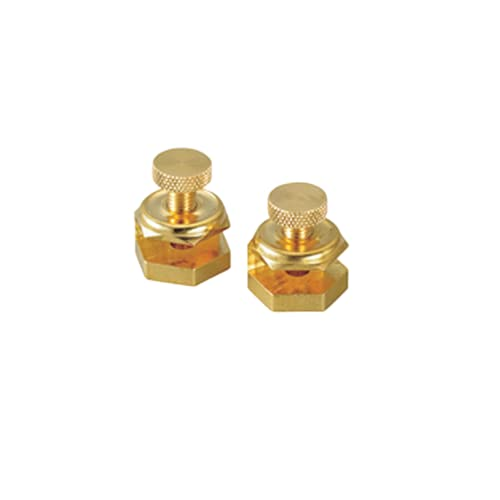
Clamp the pitch so the square cannot drift while you tick plumb and seat lines.
View on Amazon →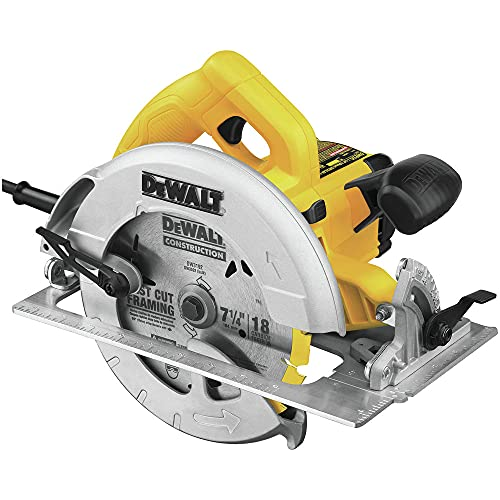
Bevel to the plumb-cut angle. Stop the birdsmouth kerfs short of the crotch so remaining depth stays in the board.
View on Amazon →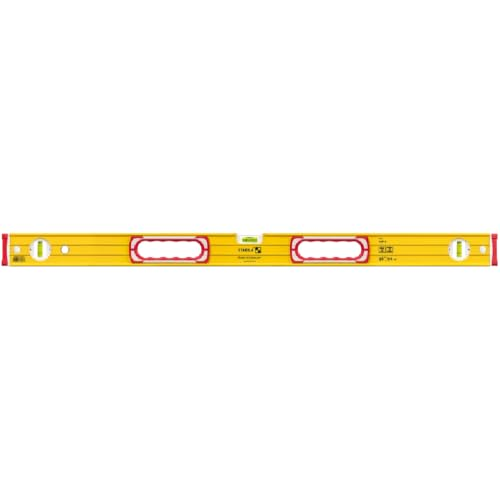
Prove plate and ridge before the first pair. A rolling plate shows up as a rafter that is “too short” on one side.
View on Amazon →
Span or run, pitch or rise, overhang. Common rafter only.
Open Rafter Calculator →As an Amazon Associate, TestTalkHQ earns from qualifying purchases.