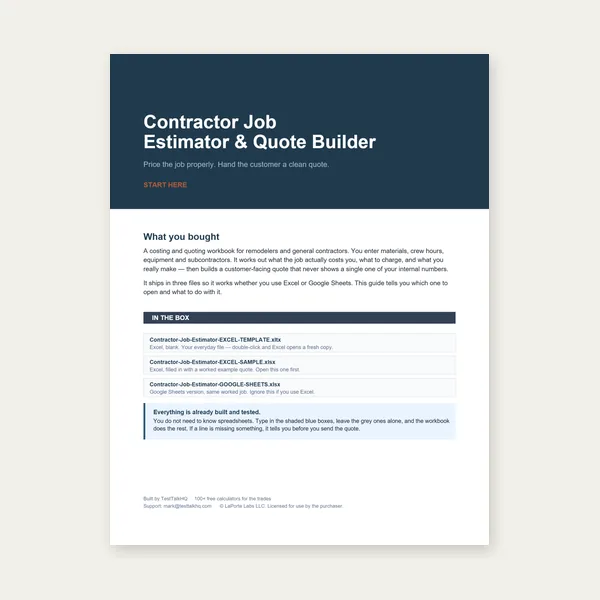
Contractor Job Estimator
Price remodels and GC work, then send a quote with no internal numbers.
Excel or Google Sheets. Best on a computer.
$29.00
BuyRafters running long or short at the ridge, backing-angle mistakes, and seat-cut fit — how to diagnose each
A hip that misses is rarely “the calculator was off by a hair.” It is usually the wrong triangle (common math on a hip), the common plumb on a hip saw setting, a backing bevel skipped or reversed, or a birdsmouth that does not match a 45° plate corner. Work the failure mode, then recut.
Re-run the numbers: Hip / Valley Rafter Length Calculator. How the 1.4142 works: diagonal-run guide. Common vs this math: common vs hip/valley.
Common-rafter cutting mistakes (wrong common plumb, short commons, crooked ridge) already live on rafter cutting troubleshooting. This page is hip/valley only. Stair stringer problems are a different triangle: stair stringer troubleshooting.
Need the diagonal-run numbers again?Common run, pitch, plumb, seat.
Open Calculator →Symptom. The hip hits the ridge past the theoretical center, or it dies short and leaves a gap. Commons on the same roof look fine.
Diagnose. First ask: did anyone multiply the common length by 1.4142? That scales rise and overshoots. Second: was the common run typed into the hip calculator, or was the hip plan run typed in (1.4142 applied twice)? Third: was ridge thickness subtracted twice, or not at all? Fourth: is the ridge actually on layout? A ridge that has walked off the centerline makes every hip look “long” on one corner and “short” on the next.
Fix. Re-enter common run (plate to ridge) and pitch in the hip/valley calculator. Confirm diagonal run prints as run × 1.4142 (12 ft common → 16.97 ft diagonal). Recut from a new pattern. Do not plane a long hip into a gap that will telegraph through the sheathing. If commons are also wrong, fix the ridge first using common rafter troubleshooting.
Symptom. Jacks do not sit on the hip. One edge of the hip is proud; the other is buried. Sheathing wants to rock. Or the backing cut was so aggressive the hip is skinny at the top.
Diagnose. Backing (cheek) bevel is not the hip plumb and not the common plumb. It drops the top edges of the hip so both roof planes land. Using hip plumb as a backing bevel, or backing the wrong face on a valley vs a hip, is the usual miss. Unequal-pitch roofs need a different backing; 1.4142 layout will not save it.
Fix. Stop cutting. Confirm equal pitch both sides. Cross-check backing on a framing square or a rafter table — the calculator does not print backing on purpose. Recut backing from a full-thickness pattern if you already burned the edge. Do not “fill with shims” under jacks and call it a plane.
Symptom. Birdsmouth rocks, only the heel or only the seat touches, or the hip sits high on the plate corner and the ridge end is low (or the reverse).
Diagnose. A hip seat is still a level cut, but the plate corner is 45° to the hip in plan. A common-shaped birdsmouth (square heel and seat copied from a common) will not nest. Seat angle must be 90° minus hip plumb, not 90° minus common pitch. Remaining depth still matters: a deep seat on a 2x6 hip is a broken stick even if the angle was pretty.
Fix. Recut the birdsmouth with hip seat angle from the calculator. Keep remaining depth. If the plate itself is out of square at the corner, fix the wall — do not invent a new hip length to hide a 2° plate. Level the plate the same way you would before hanging commons.
Symptom. Gap at the top of the hip-to-ridge joint, or the hip crushes at the bottom of the plumb. Length looks close.
Diagnose. Saw or Speed Square set to the common pitch (6/12 = 26.6°) instead of hip plumb (~19.5° on that same roof). Classic when the crew used the common calculator printout on a hip. The decision page exists so that mix-up dies before the kerf.
Fix. Recut ridge plumb to the hip angle. Do not split the difference. If the length was also from common math, recut the whole stick from the hip calculator.
Look at backing and the skewed seat next, not a third decimal on length. Then look at whether the ridge and plates are on layout.
That is usually a ridge that has walked, not two different formulas. Pull a centerline. Fix the ridge, then recut from one pattern.
Irregular hip. 1.4142 is wrong. This calculator cannot help. Do not average the pitches and hope.
Only for shared issues (ridge off layout, plate out of level). Angle and length failures on a hip have their own causes. Start here, and use common troubleshooting for the commons on the same roof.
Price remodels and GC work, then send a quote with no internal numbers.
Excel or Google Sheets. Best on a computer.
$29.00
BuyCheckout opens in a new tab.
A square and a level find most hip misses before the sheathing does.
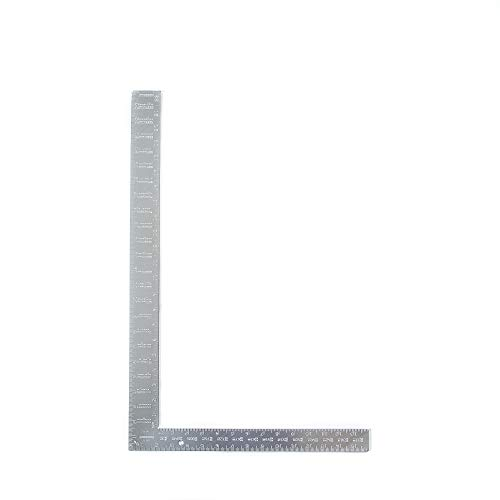
Confirm hip plumb in degrees, not the common 6/12 mark, before you recut a ridge.
View on Amazon →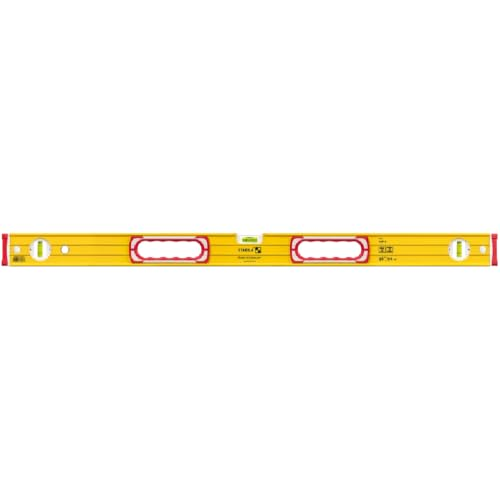
Prove plate and ridge before you blame the hip length. A rolling plate looks like a short rafter.
View on Amazon →As an Amazon Associate, TestTalkHQ earns from qualifying purchases.