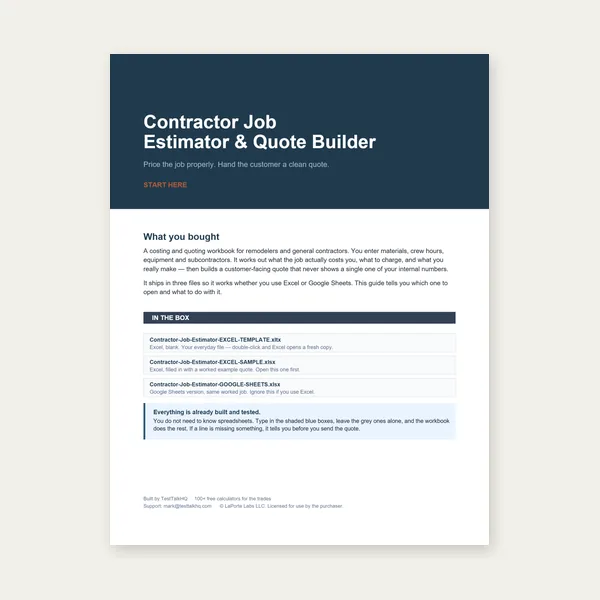
Contractor Job Estimator
$29.00
BuyWhen the simple common-rafter math applies — and when it does not
The Rafter Length & Roof Pitch Calculator sizes a common rafter: square to the ridge, same pitch as the roof, run = half the span (or the actual plate-to-ridge run you type). A hip or valley is a different stick — use the Hip / Valley Rafter Length Calculator (diagonal run = common run × 1.4142). Feeding a hip into the common calculator will give you a confident, wrong length and the wrong plumb angle.
How to mark a common: rafter length and pitch guide. Hip/valley method: diagonal-run guide. If you already cut the wrong one: common troubleshooting or hip/valley troubleshooting.
Two calculators now. Commons: span or run, pitch, overhang. Hips and valleys: common run × 1.4142, then a new hypotenuse.
Open Hip / Valley Calculator →Use the calculator when the rafter runs perpendicular to the ridge (or to the bearing wall on a shed) and the pitch of that rafter is the roof pitch. Gable commons, jack commons that still sit square to the ridge (the length shortens, the pitch does not), and a shed common with a known run all share the same triangle: run, rise, hypotenuse.
If you can set a framing square to 12 and the roof pitch and walk a plumb and a seat that match the roof, you are in common-rafter land. That is the same family of square work as a stair stringer — one right triangle, equal steps or one long hypotenuse.
A hip runs to the corner in plan. On a square-corner building the hip's plan run is not the common run. It is the diagonal of the common run: hip run = common run × √2 (for a 90° corner). The rise is the same as the common. So hip length = √((common run × √2)² + rise²). That is longer than the common, and the plumb cut is not the common pitch angle.
Hips also take a backing bevel so the jack edges land on a plane, and the birdsmouth is skewed in plan. That is a second layout on top of length. For the length itself, use the Hip / Valley Rafter Length Calculator — do not type a hip into the common tool. Walkthrough: diagonal-run guide.
A valley is the inside corner. In plan it is the same kind of diagonal as a hip: longer run, same rise, different plumb, plus bevels so the valley can receive the jacks. A valley is often dropped or doubled; none of that is common-rafter length.
If you need a valley length, use the Hip / Valley Rafter Length Calculator (same diagonal-run math as a regular hip). Do not use the common rafter calculator. Using common length on a valley leaves a gap at the inside corner or a valley that sits high and throws every jack off.
| Common rafter | Hip / valley | |
|---|---|---|
| Plan direction | Square to the ridge | To the corner (typically 45° in plan) |
| Run | Span/2 or plate-to-ridge | Common run × √2 (square corner) |
| Rise | Plate to ridge | Same rise as the common |
| Length | √(run² + rise²) | √(hip run² + rise²) — longer |
| Plumb cut | Pitch angle (arctan rise/run) | Flatter / different; not the common degree |
| Birdsmouth | Plumb heel + level seat | Skewed; plus backing or cheek bevels |
| Calculator | Common rafter tool | Hip / valley tool |
Jack rafters that land on a hip still use common plumb and common pitch. Only their length steps down. Cut the full common from the calculator first, then shorten jacks on layout. Do not invent a new pitch for each jack.
Square to the ridge? Common calculator. Runs to a corner? Hip/valley calculator. Two tools, two triangles.
Open Hip / Valley Calculator →No. That scales the hypotenuse as if rise scaled too. Rise does not scale; only the plan run does. Use hip run = common run × √2, then a new hypotenuse with the same rise. And you still need the hip plumb, not the common plumb.
A 12/12 common is 45°. The hip is still a different run and a different plumb. 12/12 does not make a hip into a common.
Worse, not better. The plan angle is not 45° and both pitches feed the hip. The hip/valley calculator is regular (equal-pitch, 90°) only. Unequal pitches still need a dedicated irregular-hip method.
You still subtract half the ridge thickness from each common run. A structural ridge beam is thicker, so the subtraction is larger. The calculator lets you enter run directly if you already deducted it.
They do not. Stringers are a different triangle with code rise/run. Use the Stair Stringer Calculator or Deck Stair Calculator.
$29.00
BuyCheckout opens here — you stay on this page.
Lock 12 and the pitch on a framing square. The calculator is the numbers; the square is the line.
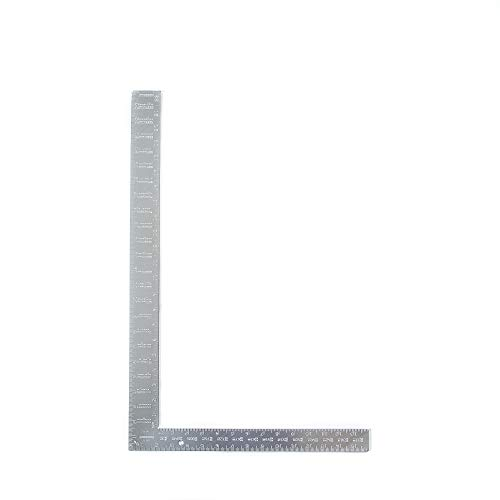
Pivot to the pitch degree for the ridge plumb cut. Confirm it against the calculator angle so the pair meets the ridge.
View on Amazon →
12 on the body, pitch on the tongue. Same walk as a stringer, different triangle.
View on Amazon →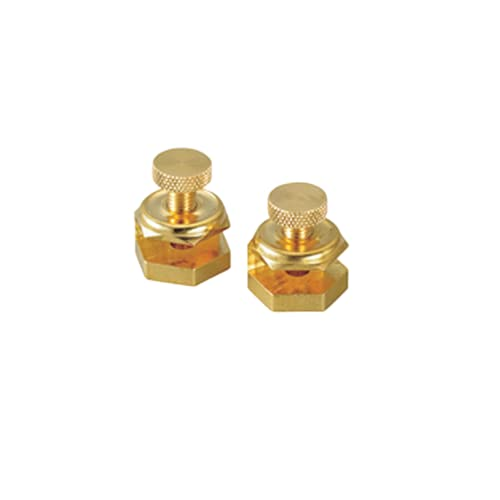
Clamp the pitch so the square cannot drift while you tick plumb and seat lines.
View on Amazon →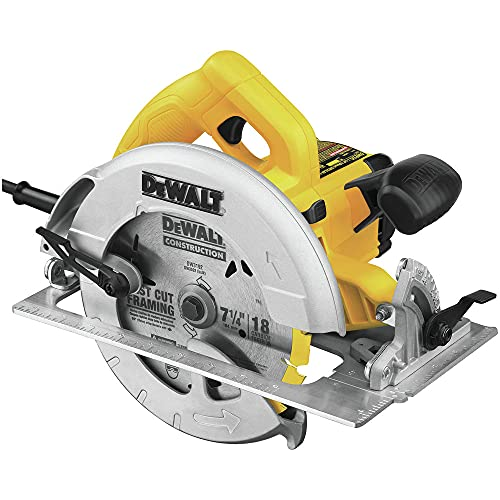
Bevel to the plumb-cut angle. Stop the birdsmouth kerfs short of the crotch so remaining depth stays in the board.
View on Amazon →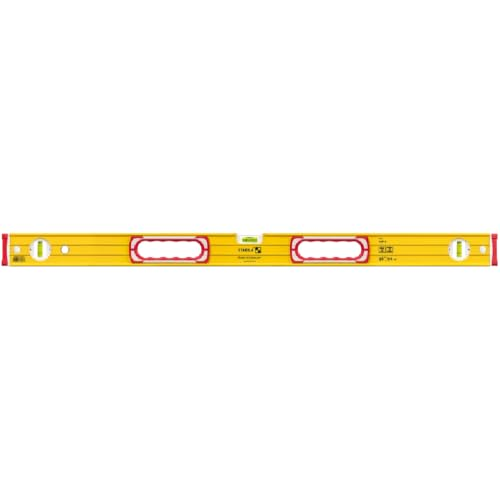
Prove plate and ridge before the first pair. A rolling plate shows up as a rafter that is “too short” on one side.
View on Amazon →
Span or run, pitch or rise, overhang. Common rafter only.
Open Rafter Calculator →As an Amazon Associate, TestTalkHQ earns from qualifying purchases.