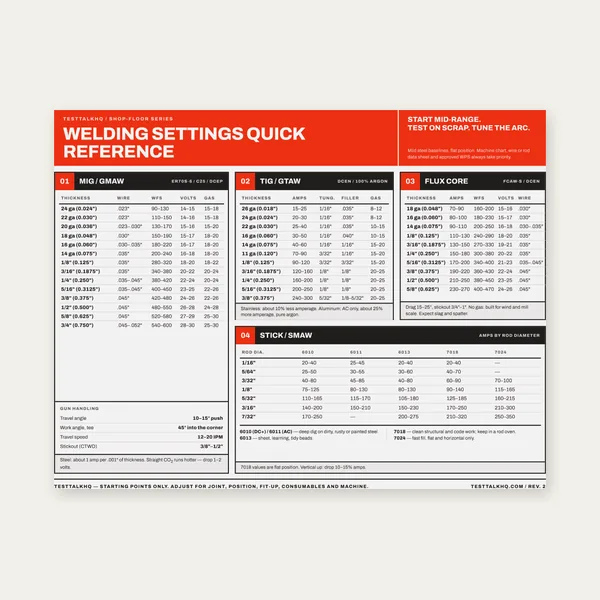
Welding Reference Card
One page. MIG, TIG, stick and flux core settings by thickness.
$3.99
BuyFCAW voltage, wire speed, amperage range, and polarity starting points
Get accurate flux core welding settings with our FCAW calculator. Covers self-shielded and gas-shielded flux core on mild steel from thin sheet to heavy plate—voltage, wire feed speed, suggested amperage range, and polarity. Whether you're running inner shield or dual-shield flux core, use these parameters as a baseline before you strike an arc.
Need other processes? Try our MIG Welding Calculator, TIG Welding Calculator, or Stick Welding Calculator.
One page. MIG, TIG, stick and flux core settings by thickness.
$3.99
Buy
19 pages. Four processes, stainless and aluminum, symbols and inspection.
$12.99
Buy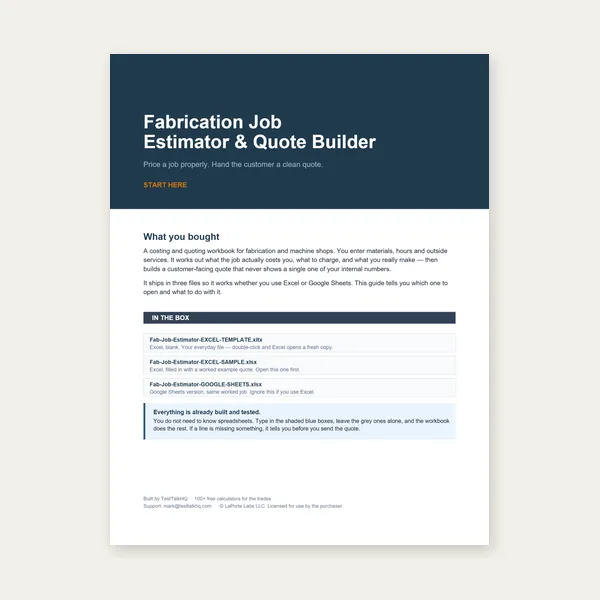
Price the job, then hand over a quote with no internal numbers.
Excel or Google Sheets. Best on a computer.
$29.00
Buy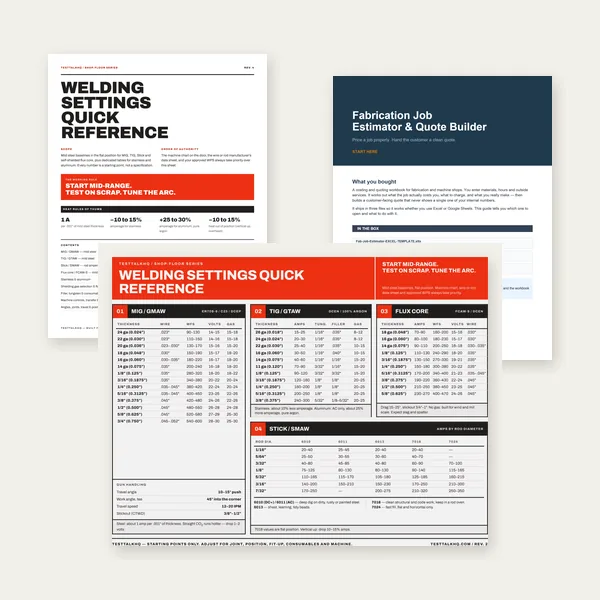
Card, 19-page guide and the estimator workbook. All six files.
Excel or Google Sheets. Best on a computer.
$34.99
$45.98 if bought separately — save $10.99
BuyCheckout opens in a new tab.
Five picks for machines, PPE, and slag cleanup matched to FCAW workflow
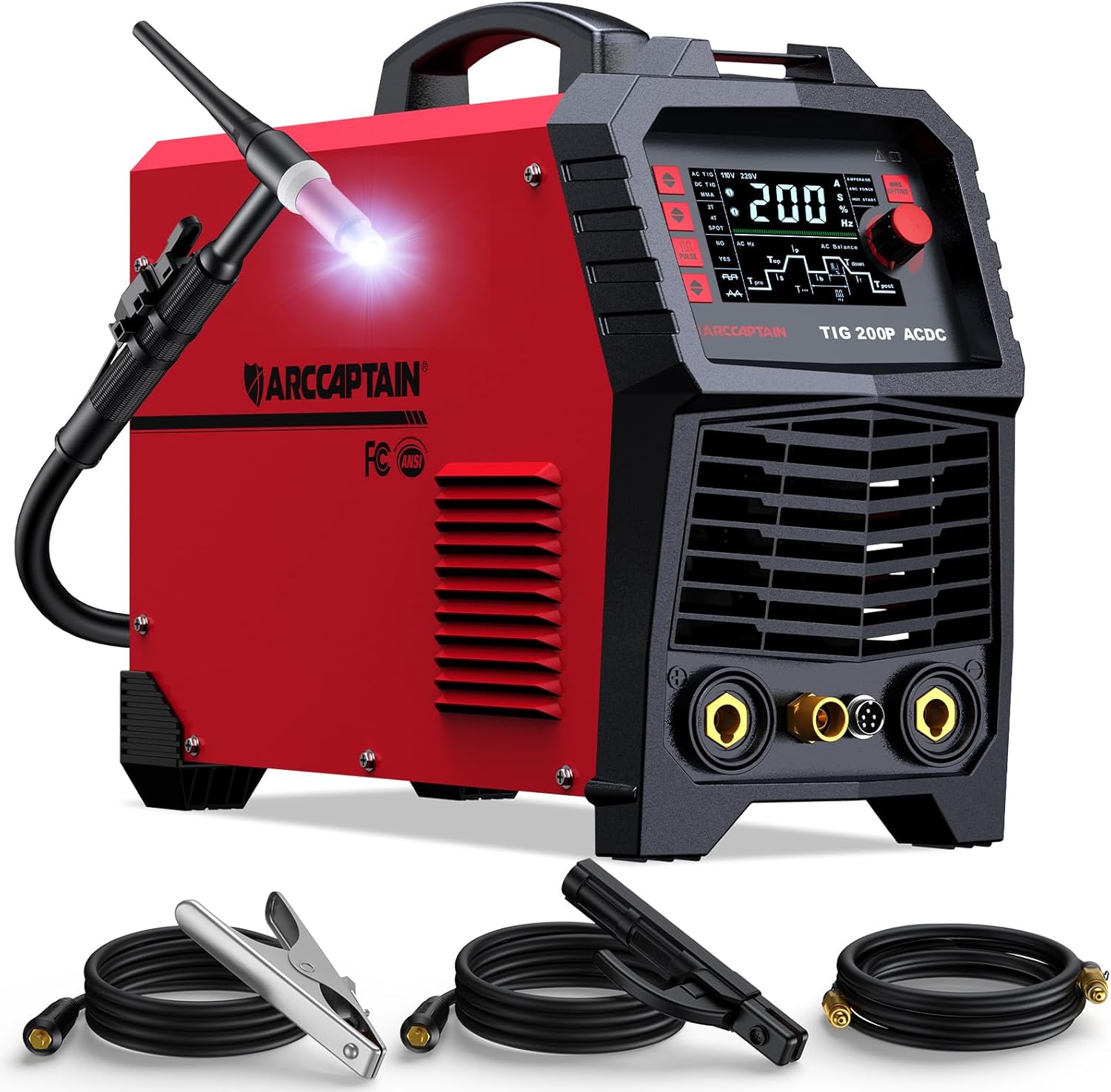
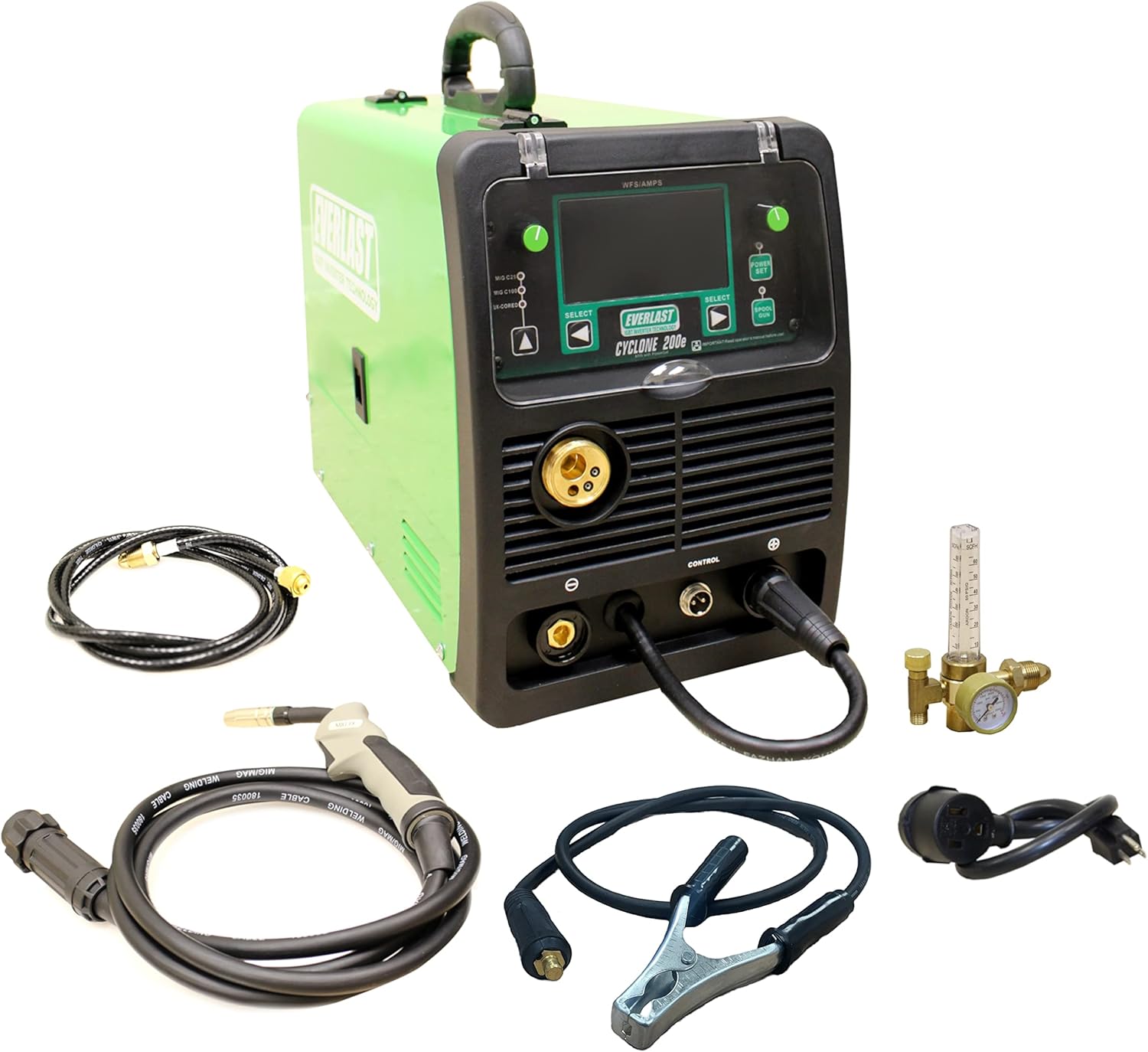
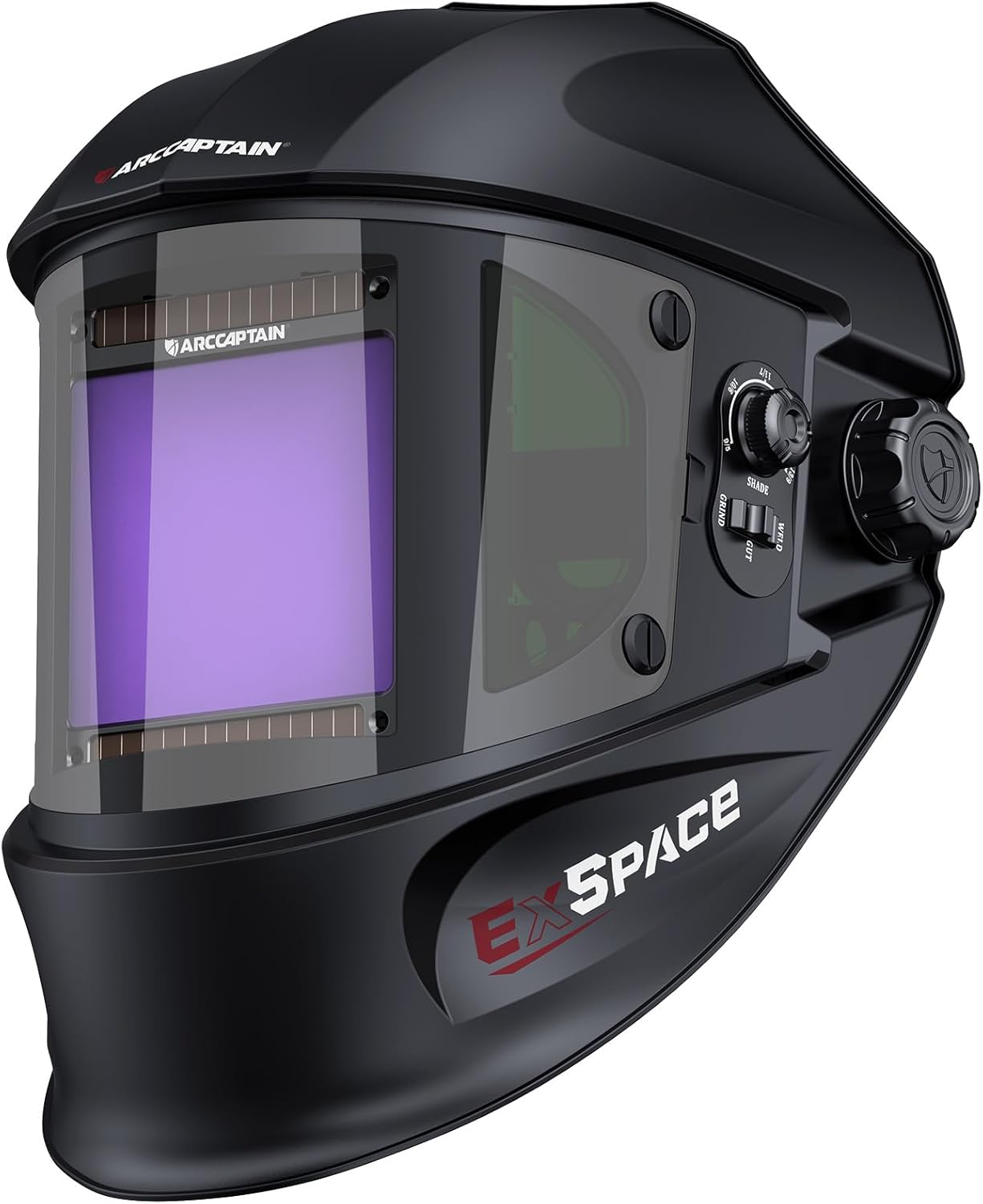

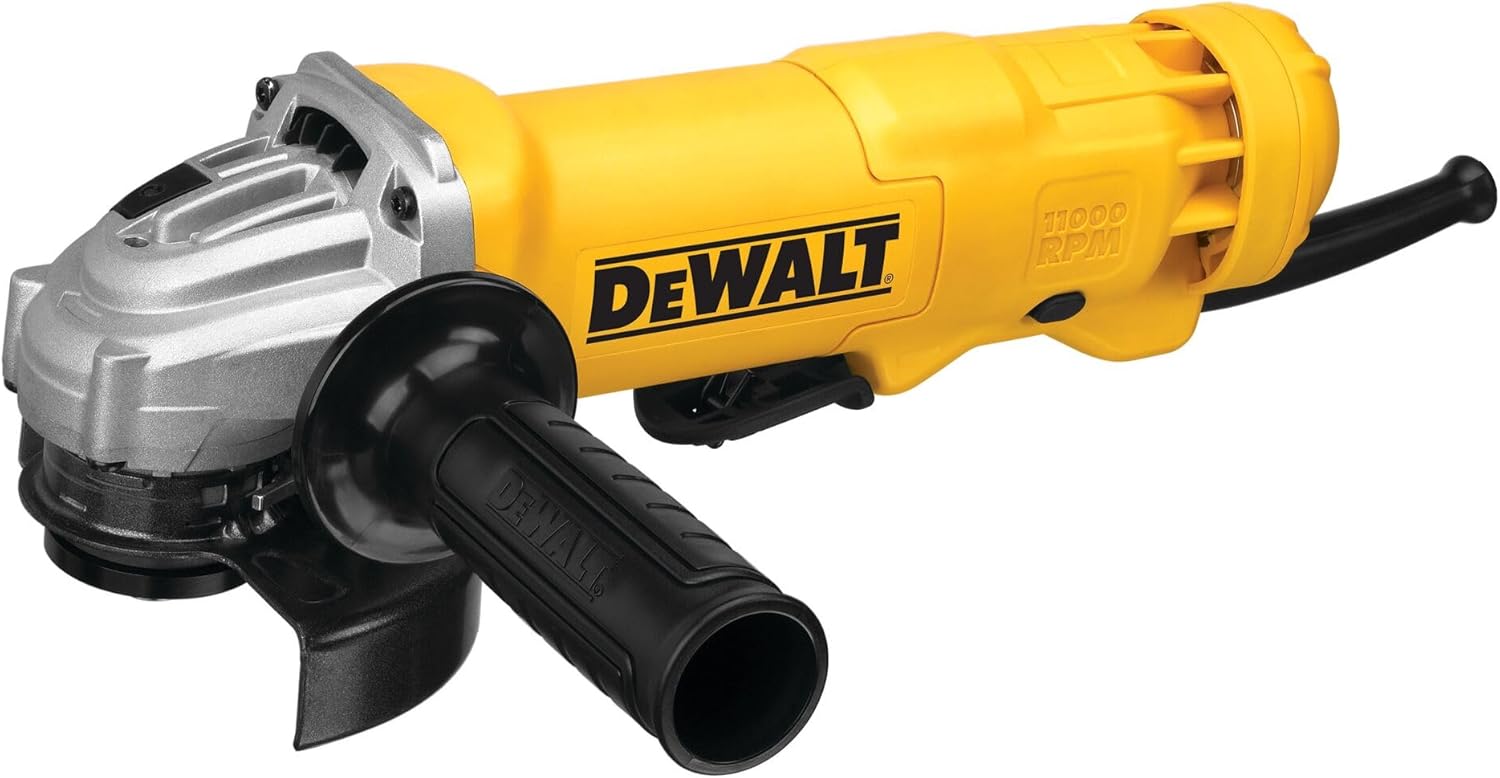
As an Amazon Associate, TestTalkHQ earns from qualifying purchases.
Flux-cored arc welding (FCAW) is one of the most versatile and productive welding processes available to fabricators. Unlike solid wire MIG welding, flux core wire has a tubular design with flux compounds inside that create shielding gas and slag protection during the weld.
Self-shielded flux core (FCAW-S) typically runs DCEN with a longer stick-out; gas-shielded (FCAW-G) runs DCEP with a shorter stick-out and external CO₂ or C25. Use Advanced options to set classification, stick-out, gas, and travel speed — polarity still follows the self/gas toggle above.
| Process | Polarity | Stick-out | Gas | Notes |
|---|---|---|---|---|
| FCAW-S | DCEN | 1/2"–1" | None | Outdoor / windy; more slag |
| FCAW-G | DCEP | 3/8"–3/4" | CO₂ or C25 | Indoor; smoother bead |
Self-Shielded Flux Core (FCAW-S): Uses DCEN polarity (electrode negative). No external gas bottle required—suited to outdoor work, field repairs, and windy conditions. Expect more spatter, rougher bead appearance, and heavier slag versus dual-shield.
Gas-Shielded Flux Core (FCAW-G): Uses DCEP polarity (electrode positive) and external shielding gas—typically 100% CO₂ or 75/25 argon/CO₂. Smoother arc and bead profile with less spatter; primarily indoor or screened use.
.030" Wire: Thin flux core option for lighter gauge material and smaller machines.
.035" Wire: Common general-fabrication size for a wide thickness band.
.045" & up: Heavier sections and structural work—typically on higher-duty machines.
DCEN (Electrode Negative): Used for self-shielded flux core. Work clamp to positive (+), gun to negative (−).
DCEP (Electrode Positive): Used for gas-shielded flux core. Gun to positive (+), work clamp to negative (−).
Self-shielded flux core (FCAW-S) generates its own shielding from the flux inside the wire — no gas bottle, no wind screens, and no regulator to babysit. That makes it the default for outdoor structural work, field repairs, and farm fabrication where MIG gas would blow away. Gas-shielded flux core (FCAW-G) uses external CO₂ or mixed gas and typically produces cleaner beads, less spatter, and easier slag removal — but it needs indoor or sheltered conditions.
Wire feed speed, voltage, and polarity settings differ significantly between FCAW-S and FCAW-G. Running gas-shielded parameters on self-shielded wire (or the reverse) is one of the fastest ways to get an ugly arc and weak welds. Always match the calculator mode to your spool label and verify against the manufacturer’s spec sheet before production welding.
Most self-shielded flux core wire runs on DCEN (electrode negative) — gun to negative (−), work clamp to positive (+). That is the opposite of typical solid-wire MIG, which uses DCEP. Gas-shielded flux core normally uses DCEP (electrode positive). Wrong polarity causes excessive spatter, poor penetration, an erratic arc, and slag that is hard to remove.
Before you dial in wire speed and voltage, confirm polarity at the machine terminals or digital menu. A quick test on scrap takes less time than grinding bad beads off a production joint. If you switch between MIG and flux core on the same welder, polarity is the first setting to double-check — not the last.
Flux core is the go-to process when you cannot control wind or weather. Self-shielded wire eliminates the gas bottle entirely, which simplifies mobile rigs for construction sites, pipeline tie-ins, and equipment repair in the field. You trade some bead cosmetics and slag cleanup time compared to solid-wire MIG indoors, but you gain reliability when the environment fights you.
For shop work on clean mild steel with good fit-up, solid MIG often wins on appearance and speed. For outdoor stick-and-move jobs, flux core’s tolerance for wind and lack of gas logistics usually wins overall. Keep a chipping hammer and wire brush in the cart either way — flux core always owes you slag removal before paint or multi-pass work.