Interpass Temperature Calculator
Maximum interpass temperature by material, process & preheat
Calculate the maximum interpass temperature allowed for carbon steel, low-alloy, stainless, aluminum, and chrome-moly welding. Stay within code limits and protect weld quality between passes.
Pair with our Preheat Temperature Calculator for minimum preheat, and the Heat Input Calculator to control energy per pass. Browse more free welding calculators.
⚡ Recommended Temperature & Welding Gear
Thermometers, PPE, and shop tools for interpass temperature control on multi-pass welds
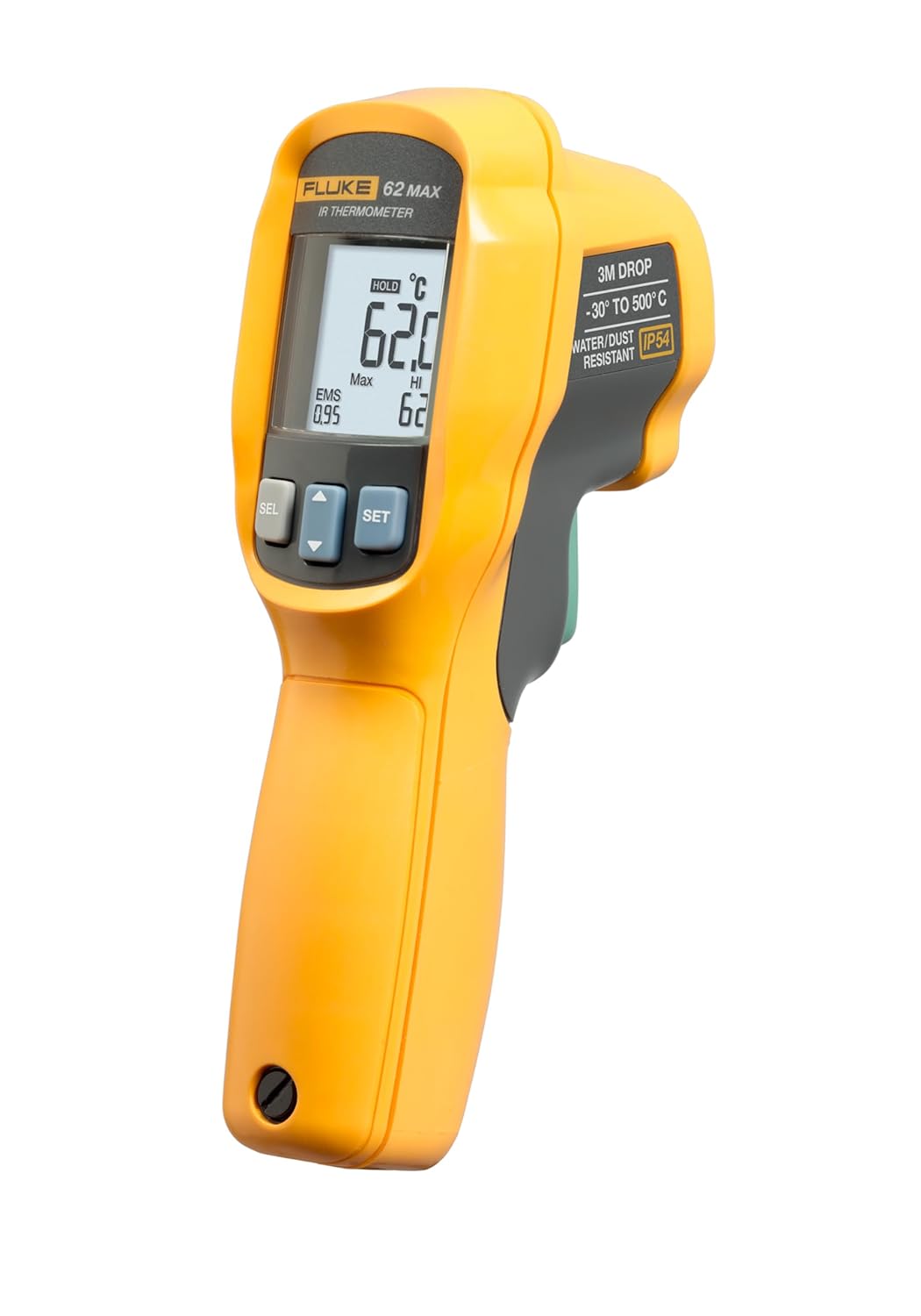
Fluke 62 Max Industrial Infrared Thermometer
- Non-contact readings on hot base metal
- Wide temperature range for welding
- Rugged industrial housing
- Fast spot checks between passes
- Trusted field accuracy
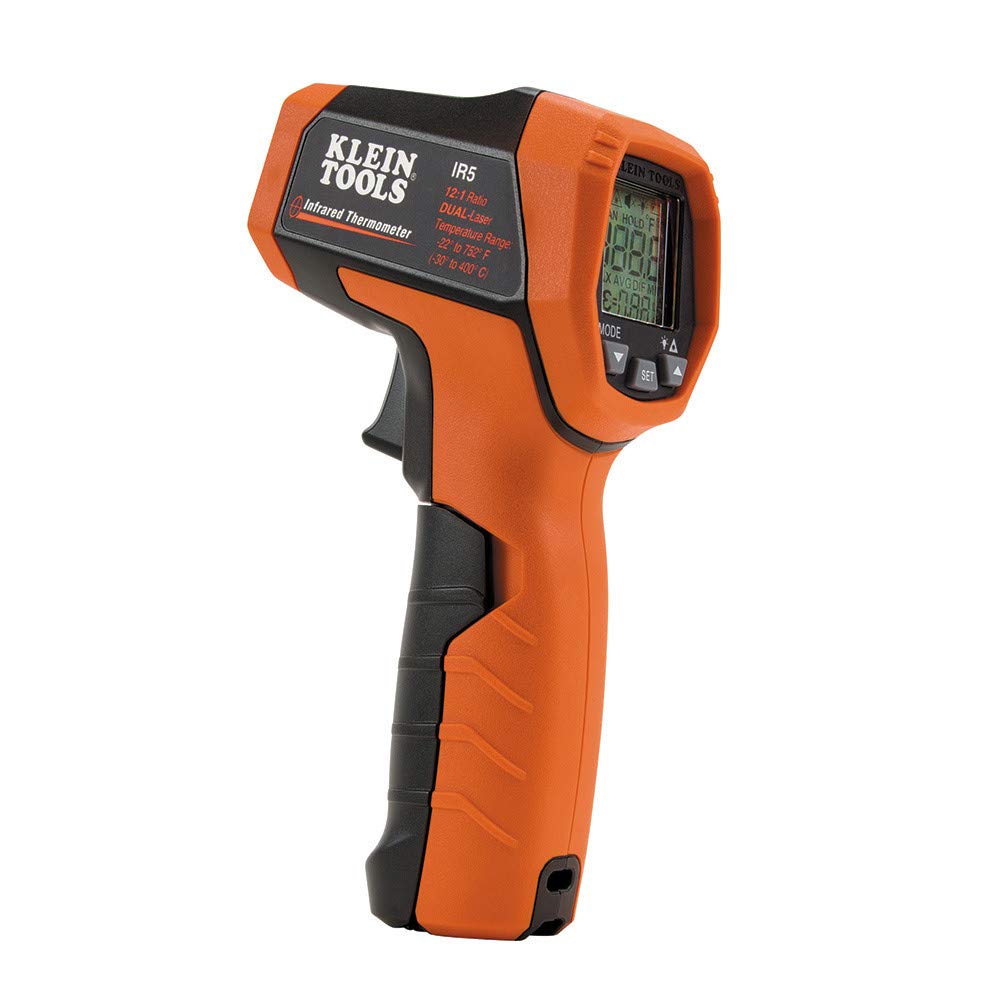
Klein Tools IR5 Dual Laser Infrared Thermometer
- Dual laser targeting for spot size
- Strong value for shop & field use
- Quick interpass verification
- Backlit display for dim bays
- Compact carry size
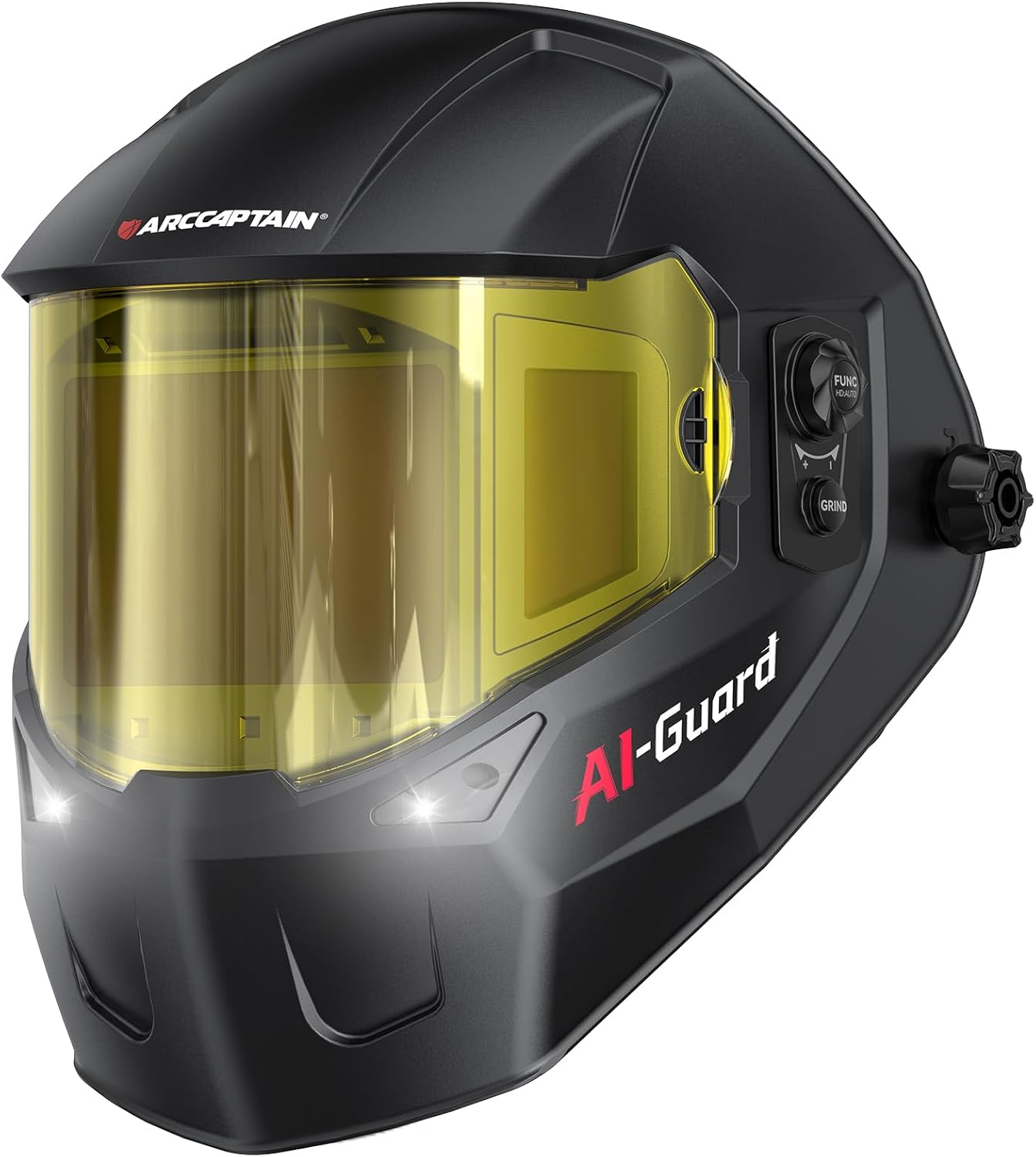
ARCCAPTAIN 180 Panoramic Welding Helmet
- Wide-view lens for multi-pass work
- True-color arc detection
- Comfortable for long shifts
- See bead tie-ins clearly
- Essential multi-pass PPE
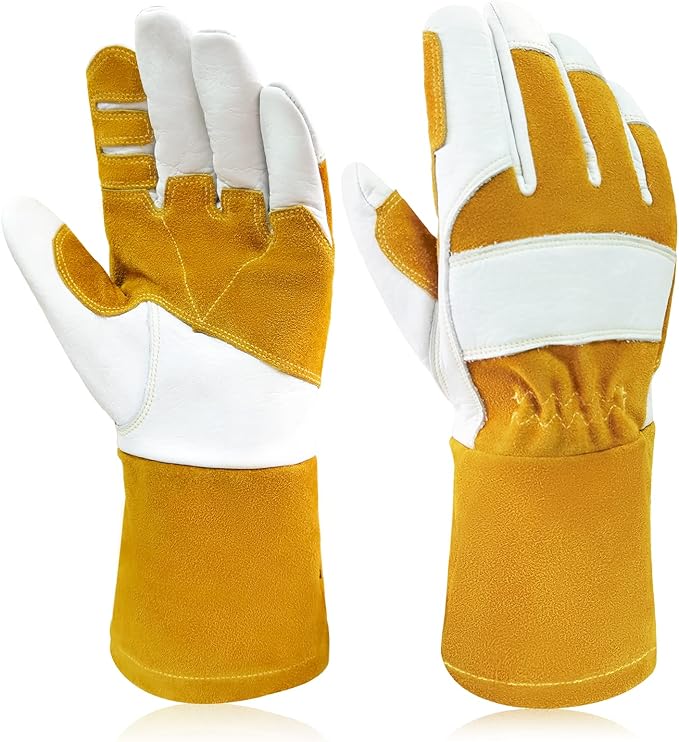
Intra-FIT Cowhide MIG Welding Gloves
- Heat-resistant cowhide leather
- Comfortable fit for long jobs
- Good dexterity near hot joints
- Protects hands between passes
- Shop favorite for MIG/Stick

VASTOOLS Welding Accessories 6pc Set
- Chipping hammer & wire brush
- Slag cleanup between passes
- Magnetic squares & pliers
- Complete starter kit value
- Field-ready carry pouch
As an Amazon Associate, TestTalkHQ earns from qualifying purchases.
Distortion planning: Weld Shrinkage Calculator · Distortion Troubleshooting.
What Is Interpass Temperature?
Interpass temperature is the temperature of the base metal immediately before each subsequent weld pass is started. It sets both a minimum — the joint must be at or above your required preheat — and a maximum — it must not exceed the limit for that material and application.
Exceeding the maximum interpass temperature can cause grain growth in the heat-affected zone, sensitization in stainless steels, loss of temper in aluminum, and reduced toughness across all materials. Multi-pass welds accumulate heat; interpass control keeps that buildup within metallurgical limits.
Why Interpass Temperature Matters for Stainless Steel
Austenitic stainless steel is especially sensitive to heat. Holding the interpass temperature above 350°F (177°C) for too long causes chromium carbide precipitation at grain boundaries — a process called sensitization — which destroys the corrosion resistance the stainless was chosen for.
In critical applications like food processing, pharmaceutical, or chemical service, strict interpass control is non-negotiable. Duplex stainless is even more restrictive: keeping interpass below 300°F (149°C) helps preserve the balanced ferrite-austenite microstructure that gives duplex its strength and corrosion resistance.
How to Measure Interpass Temperature
Three common methods are used in the field and shop:
- Contact pyrometer — most accurate; place the tip directly on base metal within 1 inch of the weld joint.
- Infrared thermometer — fast and non-contact, ideal for hot parts; watch for emissivity error on shiny or painted surfaces.
- Temperature-indicating crayons (Tempilstik) — melt at a calibrated temperature; widely used for quick pass/fail checks in field welding.
Always measure within 1 inch of the weld joint on the base metal, not on the weld metal itself, unless your WPS specifies otherwise.
Interpass vs Preheat — Key Differences
Preheat is the temperature the base metal must reach before the first arc is struck. It slows cooling on the first pass, allows hydrogen to escape, and reduces hardening in the HAZ on susceptible steels.
Interpass temperature is the temperature window between passes during the weld. Preheat prevents hydrogen cracking on the first pass; interpass control prevents heat buildup that degrades the weld and HAZ on subsequent passes.
Both are required by most structural and pressure vessel codes — they work together, not interchangeably. Use our preheat calculator for minimum preheat and this tool for the upper limit.