🔥 Heat Input Calculator
Welding heat input in kJ/mm and J/in for ASME/AWS or ISO procedures
Calculate welding heat input for any arc process from amperage, voltage, and travel speed. Useful for WPS planning, controlling cooling rate, distortion, and hydrogen-cracking risk across MIG, TIG, Stick, and flux-core.

⚙️ Equipment for Heat Input Control
Machines and supplies that help you hold stable amps, volts, and travel for repeatable kJ/mm
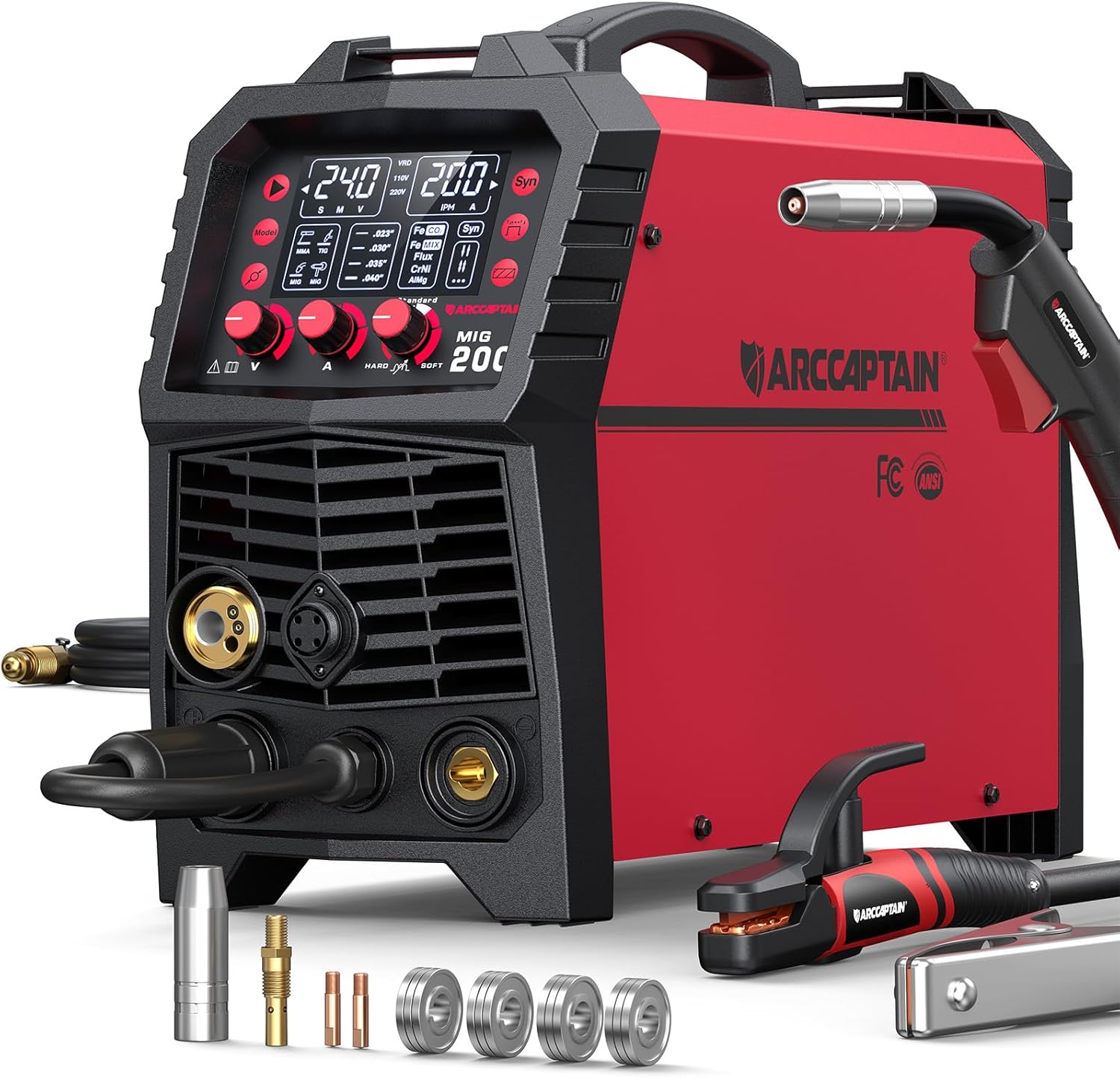
ARCCAPTAIN 6-in-1 Multi-Process
- MIG, flux core, TIG, stick & more in one unit
- Digital meters for amps & volts feedback
- Dual voltage 110V / 220V
- Dial-in heat input across processes
- Strong shop versatility
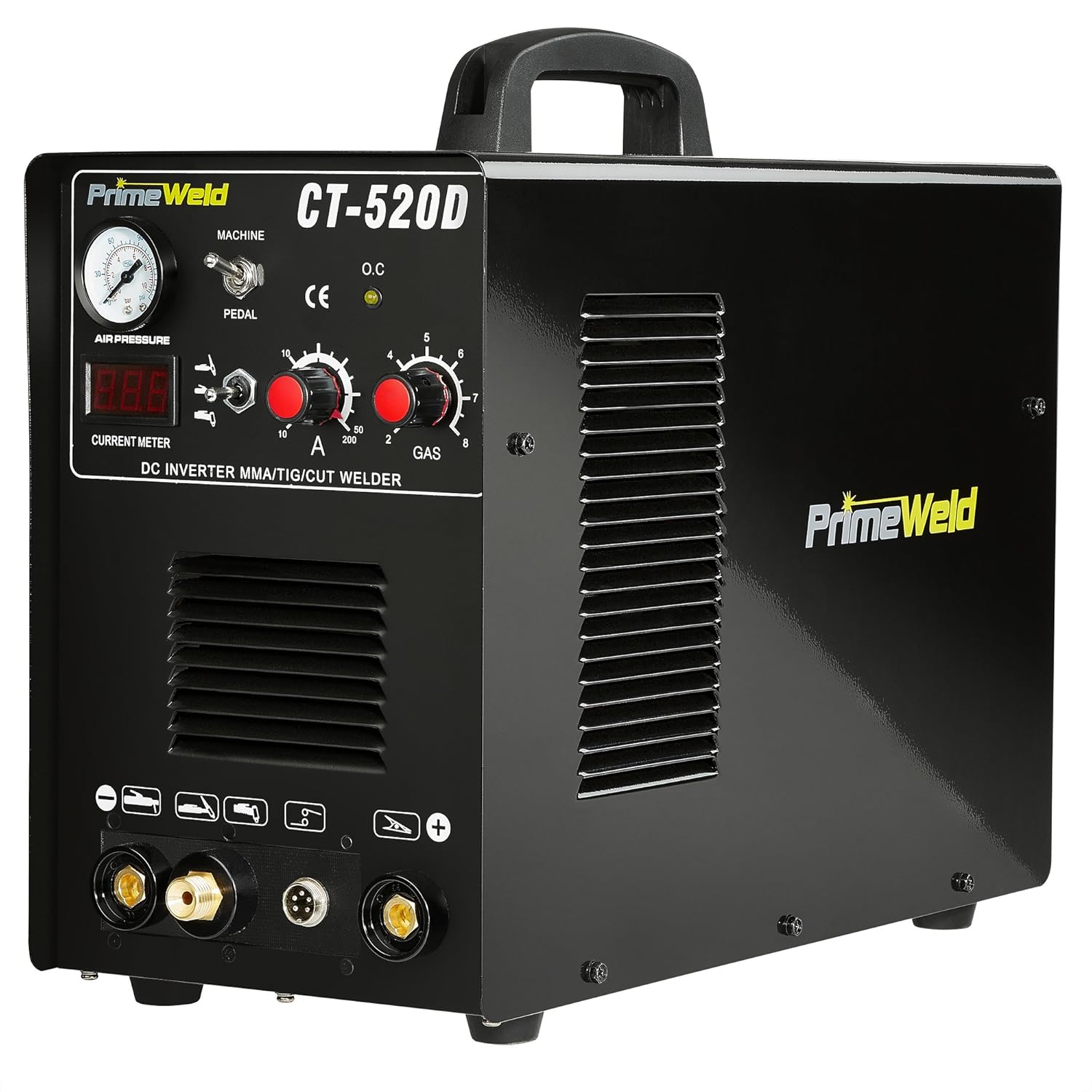
PrimeWeld 3-in-1 Welder
- Higher output for thick-section work
- HF TIG starts for stable arc volts
- Foot pedal option on TIG for live amp trim
- Inverter stability for repeatable settings
- Heat-input friendly control layout
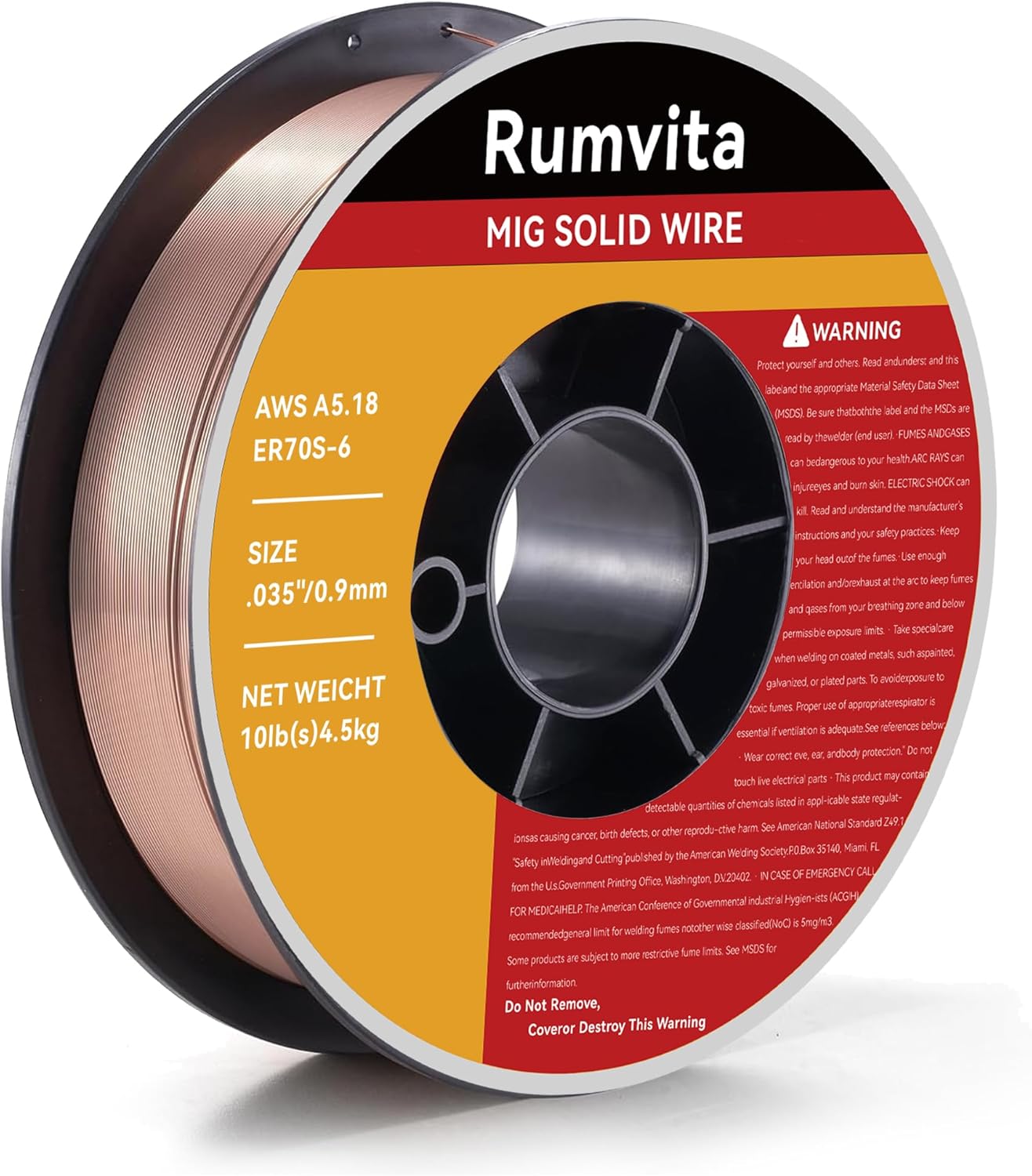
ER70S-6 MIG Wire (.035")
- Consistent feed for stable amperage
- General structural & fab sizes
- Quality copper-coated wire
- Pairs with volt/trim calculator workflows
- 10 lb spools for fewer changeovers
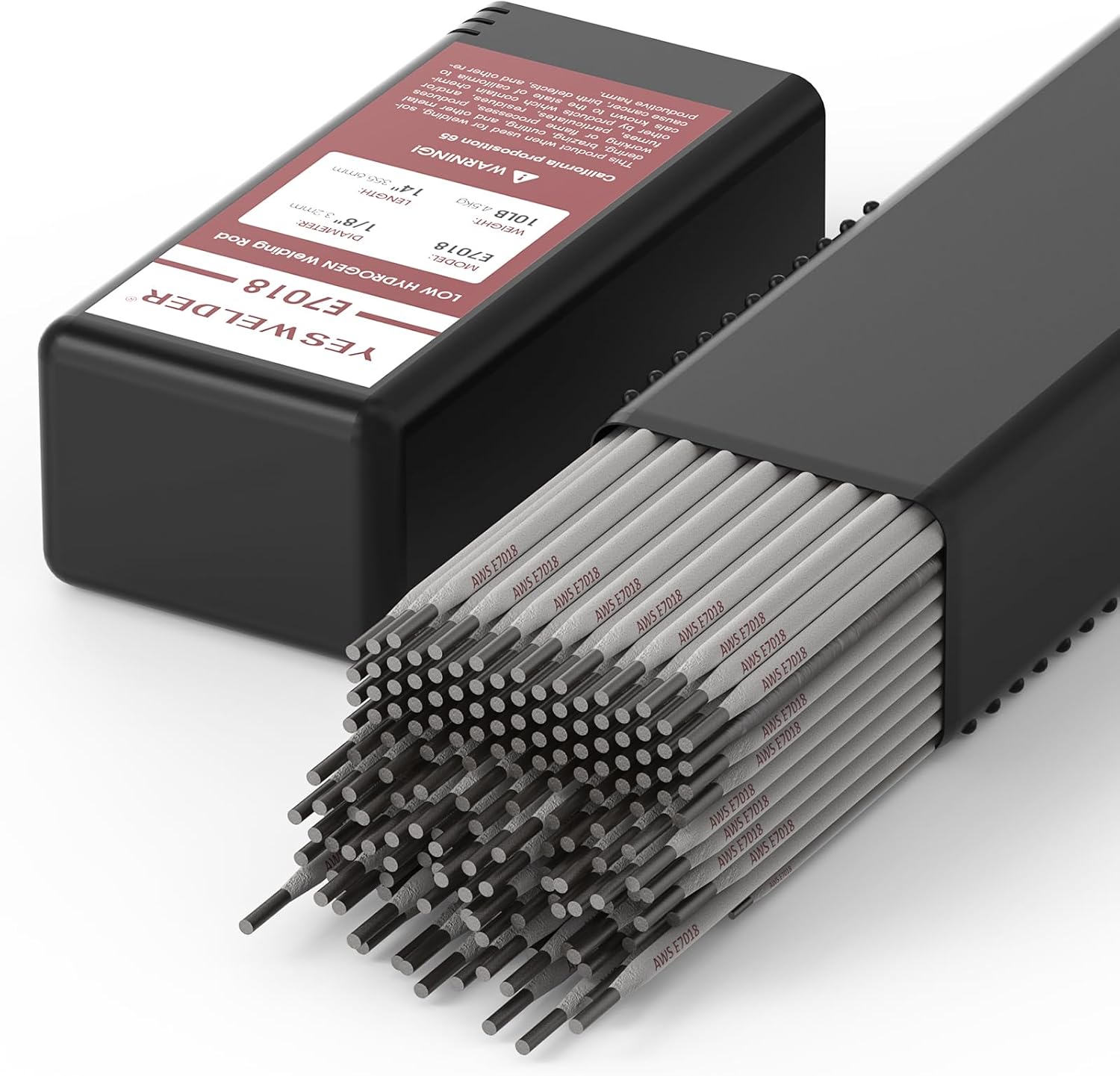
YesWelder E7018 Electrodes (1/8")
- Low-hydrogen runs for controlled cooling
- Typical structural amperage bands
- Moisture-conscious packaging
- SMAW heat-input procedures
- Shop staple rod stock
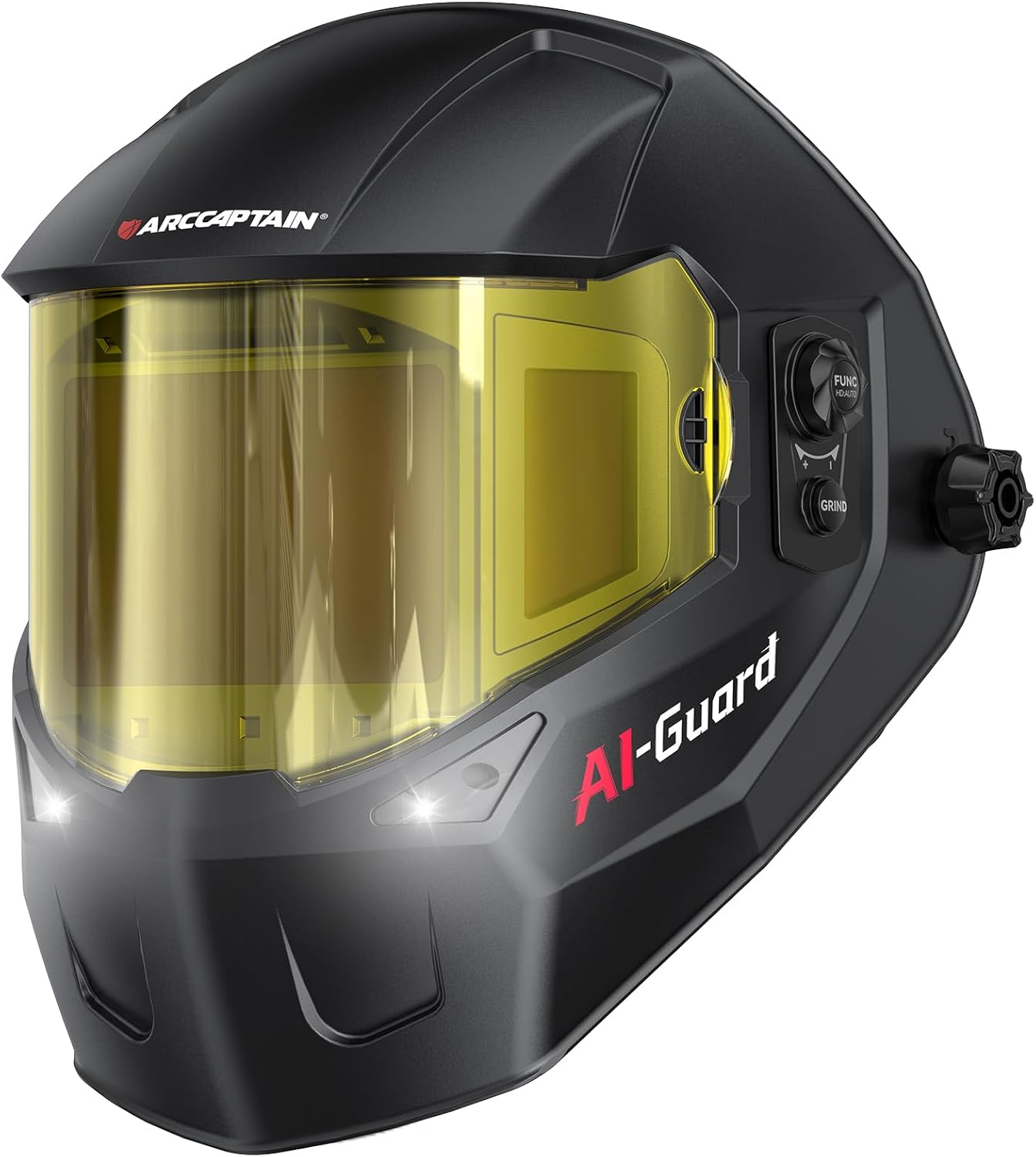
ARCCAPTAIN Halo Helmet
- True-color lens for puddle read
- Wide view for travel consistency
- Multi-sensor arc detection
- Comfortable headgear for long jobs
- See bead freeze lines vs heat input
As an Amazon Associate, TestTalkHQ earns from qualifying purchases.
How to Use the Heat Input Calculator
Select ASME/AWS or ISO, enter welding current (amps), arc voltage (volts), and travel speed. ASME uses travel speed in inches per minute; ISO uses mm per minute and applies thermal efficiency from the selected process. You get heat input in kJ/mm and a related J/in-style readout from the live calculation path, plus interpretation text.
Understanding Heat Input
Heat input is electrical energy per unit weld length. It influences cooling rate, microstructure, distortion, and defect risk. Too much heat can coarsen grains and distort parts; too little can cool too fast and raise hydrogen-cracking risk on susceptible steels.
ASME vs. ISO / European Standards
ASME IX: Uses amps, volts, and travel speed with the efficiency embedded in shop practice for many AWS/ASME procedures.
ISO 1011-1: Applies explicit thermal efficiency because processes transfer arc energy differently (for example TIG vs SAW).
Heat Input Ranges for Common Applications
Low (interpretation bands in results): Thin sections, distortion-sensitive work, some aluminum workflows.
Moderate: Typical structural and carbon-steel fabrication.
High: Thick sections, slower travel, or situations where slower cooling is desired.
How Heat Input Controls Weld Quality
Penetration: Higher heat input generally drives more penetration until other limits apply.
Distortion: More heat input increases shrinkage stress and distortion risk—especially on thin assemblies.
Grain size: Very high heat input can coarsen HAZ grains; very low can drive fast cooling.
Hydrogen cracking: Cooling rate ties to heat input—balance preheat, consumables, and restraint.
Corrosion resistance: On stainless, excessive heat input can affect HAZ sensitization depending on alloy and practice—often paired with travel discipline.
Common Heat Input Problems and Solutions
Delayed cracking: Often hydrogen-related—review heat input, preheat, consumable moisture, and restraint.
Distortion: Reduce heat input or sequence welds; improve fixturing.
Incomplete fusion at “high” amps: Travel may be too fast—heat input drops.
Creating Welding Procedure Specifications (WPS)
Bracket amperage, voltage, and travel so the combined heat input stays inside the range your procedure needs for the material and thickness.
Related Resources
For stainless travel-speed discussions vs heat input, see our MIG welding settings chart. Browse welding machine reviews and welder guides for equipment that holds stable volts and amps.
Related Calculators & Guides
- → Heat Input Guide
- → Preheat vs. Interpass Temperature
- → Preheat Temperature Guide
- → Interpass Temperature Guide
- → Interpass Temperature Calculator
- → Preheat Temperature Calculator
- → Common Weld Defects Explained
- → Weld Shrinkage Calculator
- → Weld Distortion Troubleshooting
- → Weld Joint Design Calculator
- → Weld Symbol Reference Tool