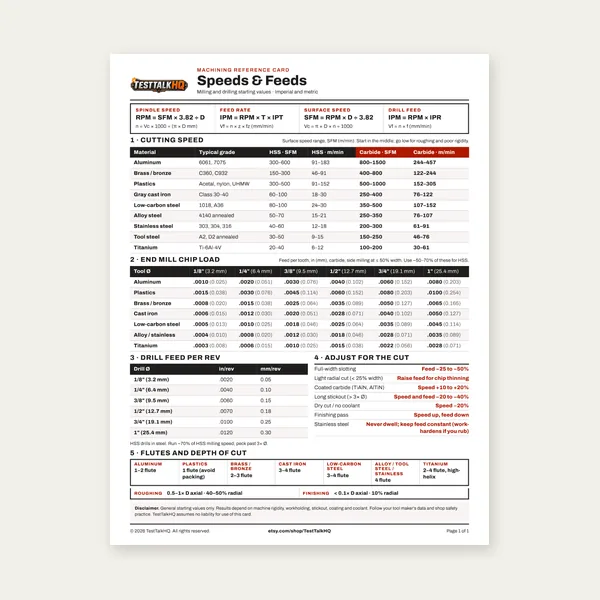
Machining Speeds & Feeds Card
One page. Speeds, chip load and drill feed, imperial and metric.
$3.99
BuyHow table height, pierce delay, and IPM lock together — and why they are not handheld torch settings
On a gantry, the torch does not “feel” the plate. Pierce height, pierce delay, cut height, and cut speed are four programmed numbers that have to agree with material, thickness, and process amps. Get one wrong and the other three look guilty.
Need a starting-point range? Open the CNC Plasma Pierce Height & Cut Speed Calculator. Handheld amps and drag-tip travel still live on the Plasma Cutting Calculator.

Have material, thickness, and amps?Pierce height, delay, cut height, and an IPM band to dial from — labeled as a starting point, not an OEM lock.
Open Calculator →A CNC plasma cycle is not one setting. It is a sequence:
They trade. A slightly high cut height acts like a slower speed (wider kerf, more top rounding). A late delay on thin sheet acts like you started the cut already moving — the lead-in becomes a gouge. Stainless wants more delay than mild steel at the same thickness because the pierce is stickier. Aluminum spatters; that is why the calculator adds pierce height and delay on aluminum rather than copying the mild-steel row.
The calculator interpolates a mechanized air-plasma band for 40 / 45 / 65 / 85 / 105 A. It is a starting-point range. Consumable family (shielded vs FineCut), air PSI, and THC response will move every number. Your OEM cut chart for that exact stack still wins when you have it.
Do not change four knobs at once. Use the calculator output as the first coupon, then one variable per test cut on scrap of the same heat and thickness.
The existing Plasma Cutting Settings Guide and handheld calculator answer torch amps, travel speed, pierce time, and gas pressure for a human holding the handle. That operator can roll the wrist, drag a shield, and stretch a pierce by feel.
A table cannot. It only has Z height, a dwell, and a feed rate. Pierce “time” on a handheld chart is how long you linger before you pull; pierce delay on a CNC is a programmed wait at pierce height. Mixing those two cells is how shops blow a $12 nozzle on the first hole of a nest.
Stay in your lane: this cluster is gantry Z and IPM. Handheld amps/voltage/technique stay on the plasma-cutting pages. Comparison page if you run both in the same shop: CNC vs handheld.
Starting-point rangeMild steel, stainless, or aluminum · 40–105A · pierce, delay, height, IPM.
Open CNC Plasma Calculator →It is the common shielded air-plasma default, not a law. FineCut stacks sit lower. High-amp thick plate sits higher. If the OEM chart for your shield says 0.08", use 0.08".
No. Use the handheld plasma calculator. Drag-tip standoff is not a programmed pierce height.
Because nozzle wear, air, and THC lag move the sweet spot. A band tells you where to start the coupon. One fake-precise number would be a lie.
One page. Speeds, chip load and drill feed, imperial and metric.
$3.99
Buy
27 pages. Milling, drilling, tapping, turning and CNC routing.
$12.99
Buy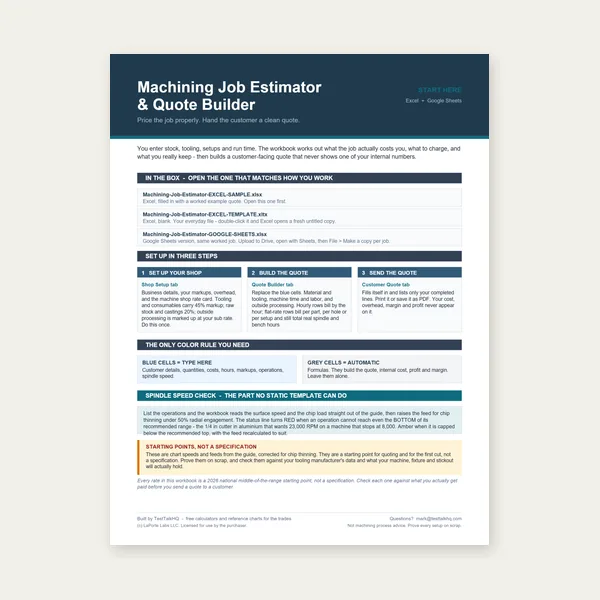
Quote shop work and check operations against your spindle's top speed.
Excel or Google Sheets. Best on a computer.
$29.00
Buy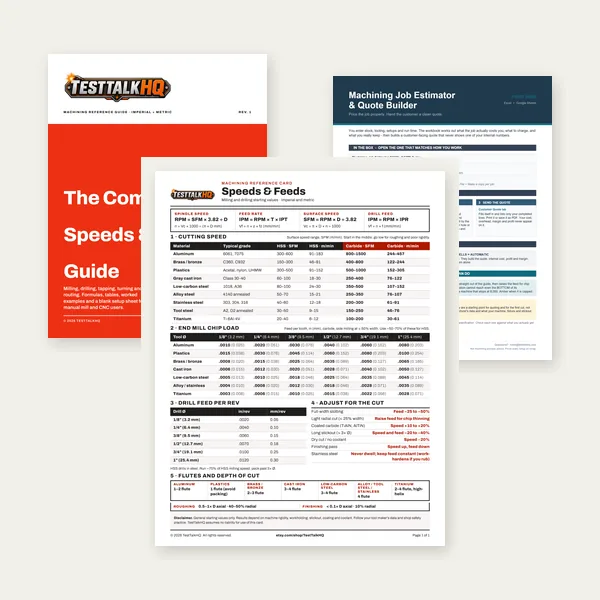
Card, 27-page guide and the estimator workbook. All six files.
Excel or Google Sheets. Best on a computer.
$34.99
$45.98 if bought separately — save $10.99
BuyCheckout opens here — you stay on this page.
From the TestTalkHQ plasma catalog — CNC-ready amperage, shop air that holds PSI under a long gantry cut, and spare consumables. Handheld torch amps still live on the handheld plasma calculator.
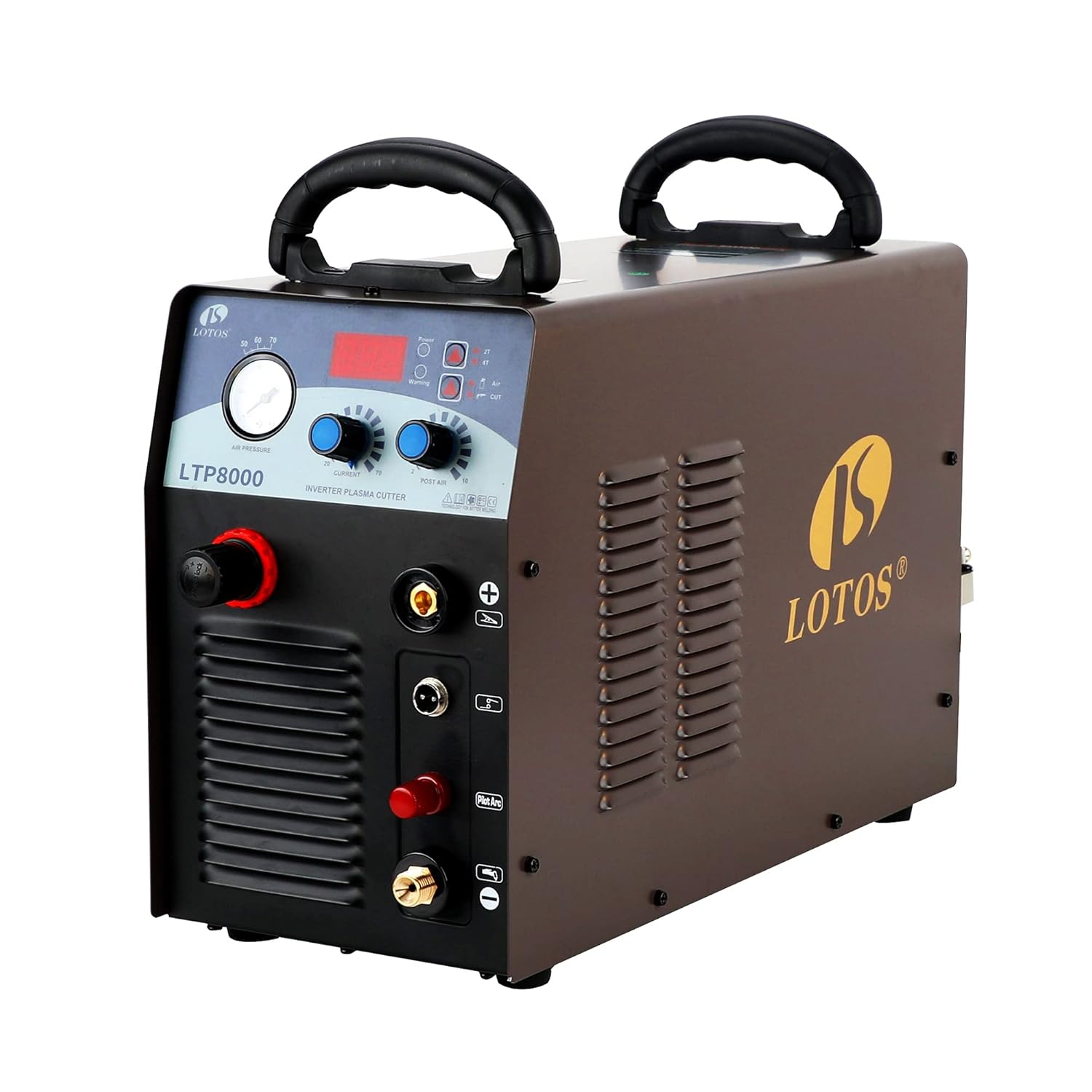
80A class with a CNC-ready torch lead. Matches the 85A column in this calculator for 1/4–1/2" mild steel on a small gantry.
View on Amazon →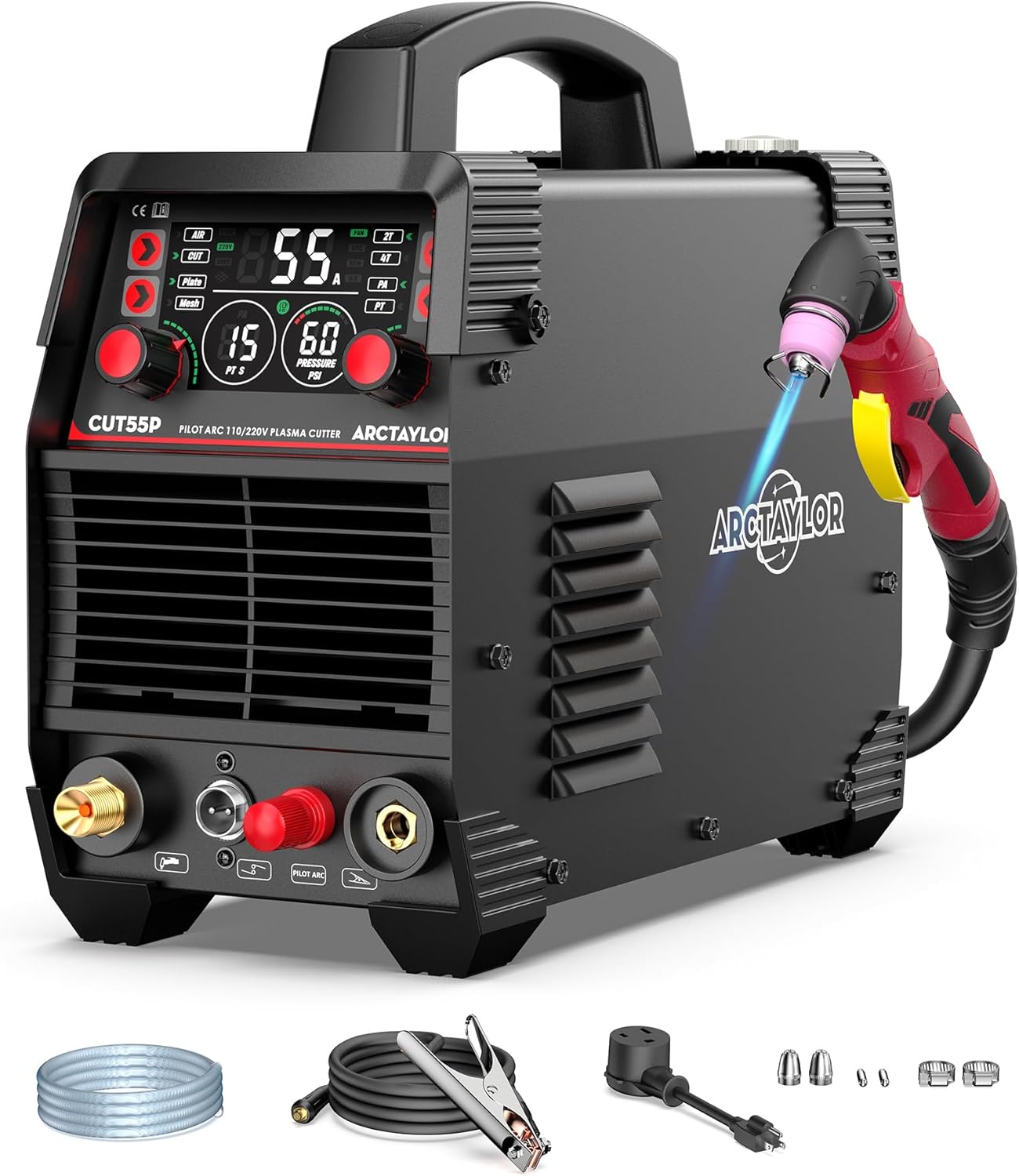
Hobby-table range. Use the 45A or 65A starting points here, then drop pierce delay if the stack is 16 ga, not 1/4".
View on Amazon →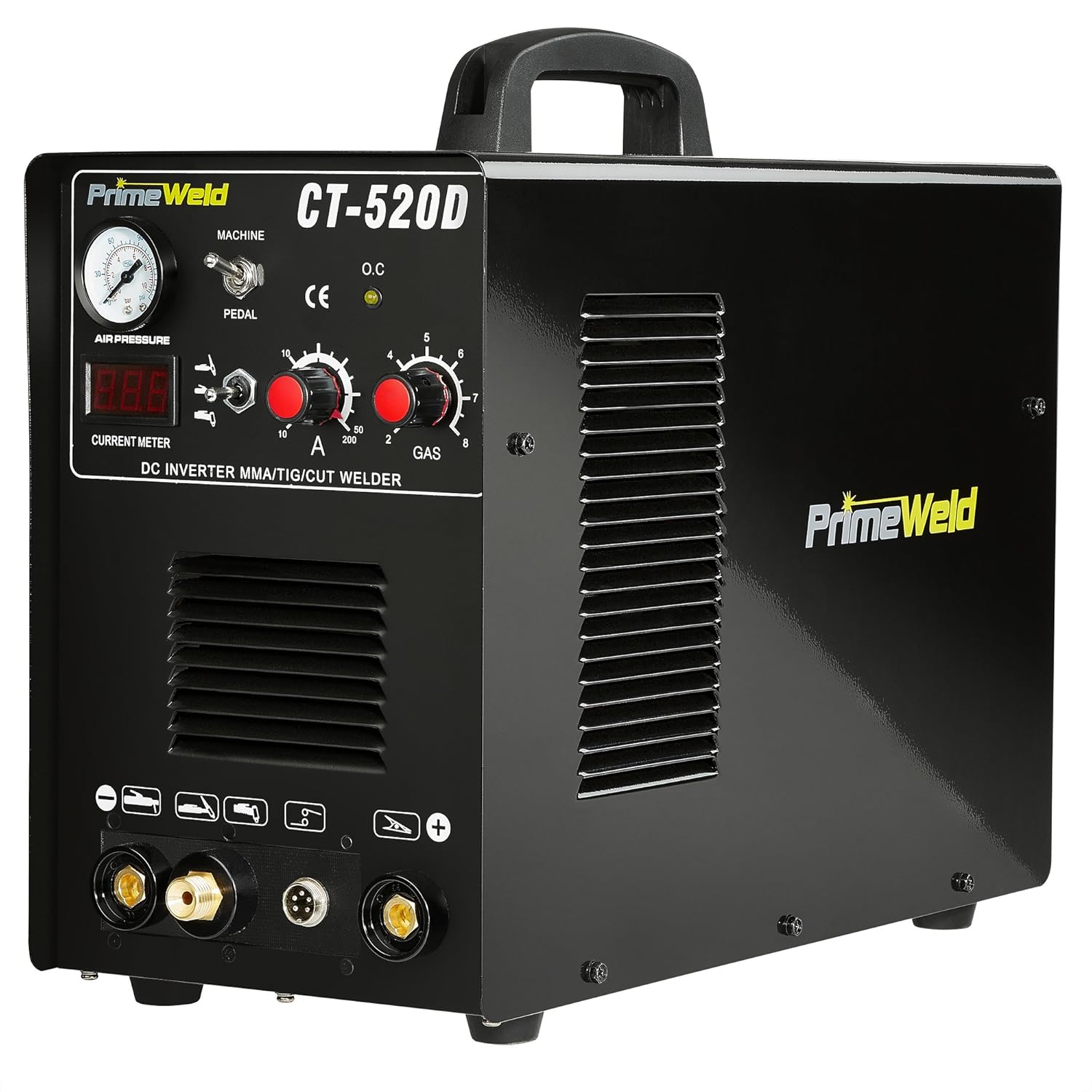
50A plasma on a combo box. Fine for a small CNC table on sheet; do not treat it as a 105A production chart.
View on Amazon →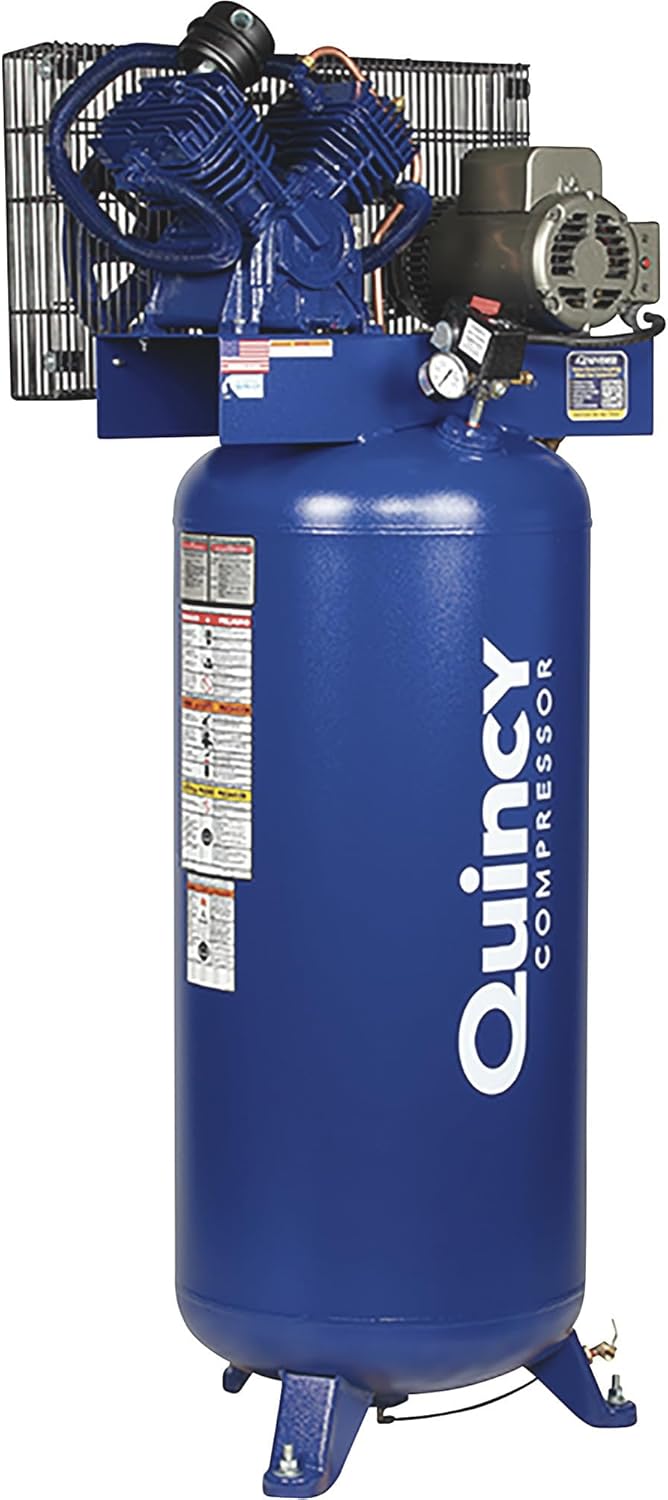
Gantry cuts run longer than a handheld pass. If PSI sags, pierce delay and cut height will not save the edge. Sizing: plasma compressor guide.
View on Amazon →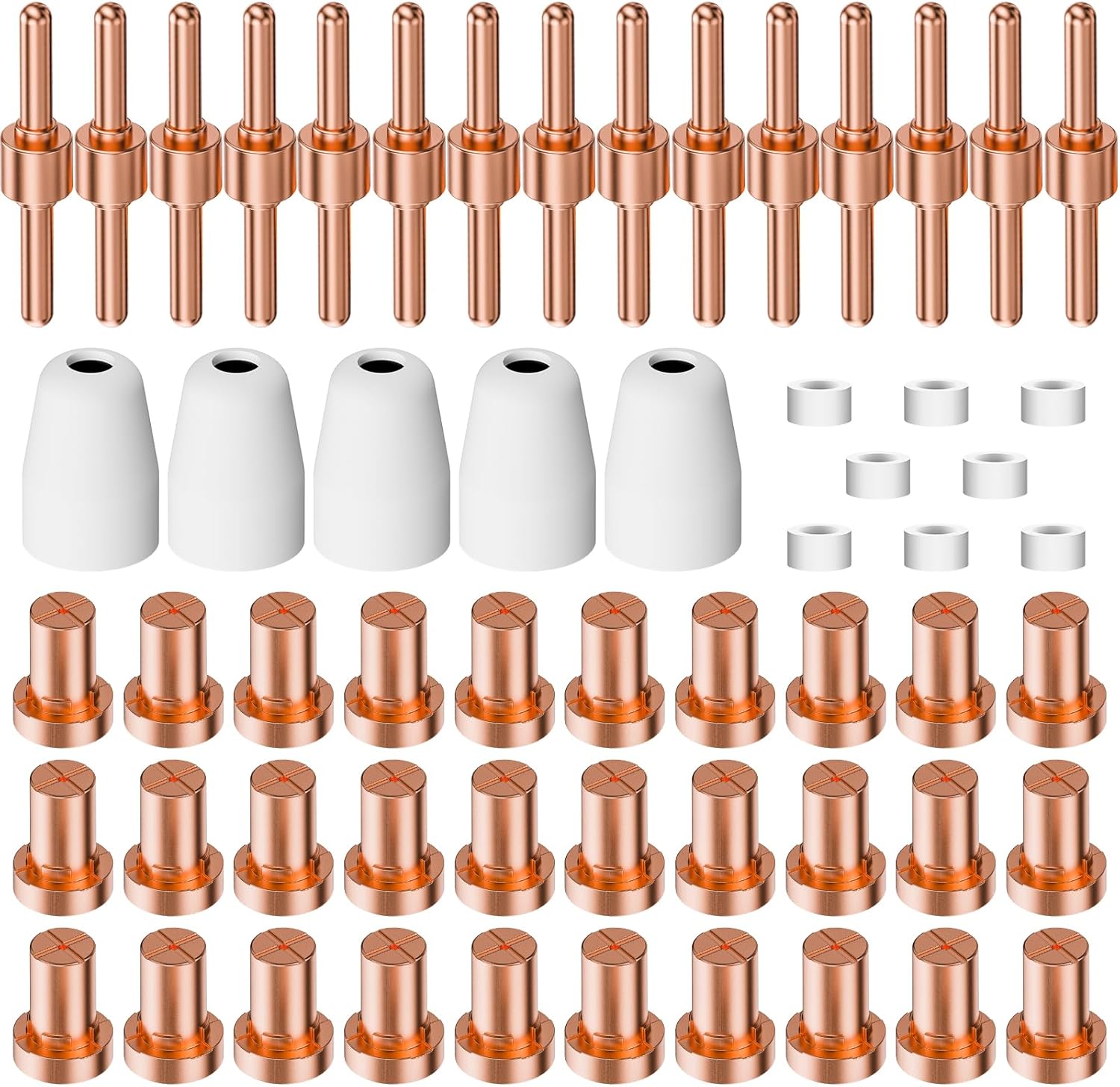
Blown nozzles from a low pierce or a late motion command look like “wrong IPM.” Change tip and electrode as a pair before you rewrite the post processor.
View on Amazon →
Every new material lot gets a 2" test pierce and a 6" straight cut before the nest. This calculator is the starting point; the coupon is the lock-in.
Read the Dial-In Guide →As an Amazon Associate, TestTalkHQ earns from qualifying purchases.