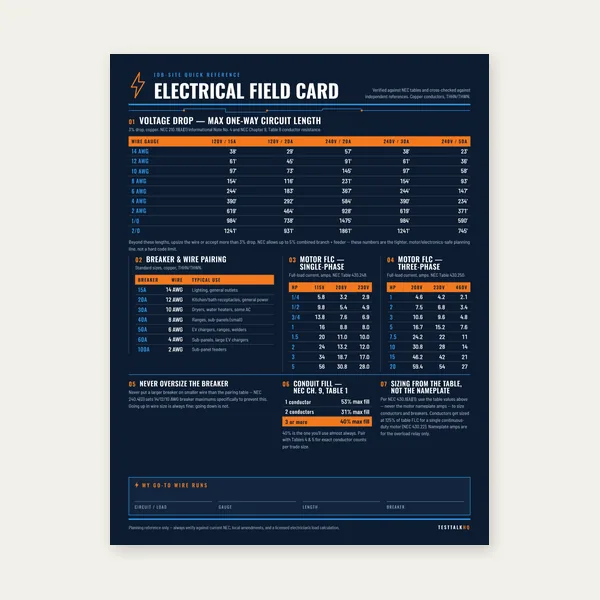
Electrical Reference Card
One page. Voltage drop lengths, breaker and wire pairing, motor FLC.
$3.99
BuyA real capacity fork for feeder and service planning: grow the meter/main, or add a garage/shop feeder panel that still fits spare capacity
This is not the residential-vs-commercial method fork, and it is not the EV-only panel-upgrade-vs-load-management fork. Use this when the feeder/service load calculator shows you need more capacity for a garage, shop, ADU feeder, or addition — and you must choose how to buy that capacity.
| Choice | Best when | Main upside | Main risk |
|---|---|---|---|
| Service / meter upgrade | Whole-house calc is already tight; multiple new continuous loads; panel spaces and bus are both maxed | Buys lasting headroom for EV, shop, HVAC, and additions | Higher cost, utility scheduling, longer outage |
| Subpanel on existing service | Service still has spare demand amps; need local circuits in garage/shop; feeder length is manageable | Lower cost; keeps work localized; easier expansion of branch spaces | Does not invent spare capacity on an already-maxed service |
| Subpanel after a service upgrade | You need both more service amps and a remote panel | Correct long-term layout for shops and ADUs | Two scopes of work if not planned together |
What you are buying: More calculated spare capacity at the meter/main — often 150 A → 200 A or 200 A → 320/400 A class work depending on the utility and load list. That may include a new load center, larger service entrance conductors, and utility coordination.
Choose this when:
Tradeoffs: Cost, inspection, possible utility delay, and temporary power interruption. Long-term operation is simpler: the service matches the real inventory.
What you are buying: A local panel for garage, shop, barn, or addition circuits, fed by a feeder protected in the main. The subpanel can be rated higher than the feeder for spare spaces, but the feeder and upstream service still limit real capacity.
Choose this when:
Tradeoffs: A beautiful 125 A subpanel on a maxed 100 A service still trips the main. Size the feeder with 215.2 continuous rules, check voltage drop on long runs, and verify service headroom with a full load calc — not “panel amps” marketing.
Garage / shop feeder numbers. Use the subpanel calculator after service headroom is proven.
Open Subpanel Calculator| Situation | Choose | Why |
|---|---|---|
| Calc already near main rating before new continuous loads | Service upgrade | Subpanel cannot create spare demand amps |
| Service has spare amps; garage needs local circuits | Subpanel | Problem is location and spaces, not utility capacity |
| Panel full on spaces but service amps exist | Often new panel / subfeed | Bus/spaces problem — may not need a meter upgrade |
| Long feeder to detached shop + tight service | Upgrade, then subpanel | Need both capacity and a remote panel |
| Only EVSE is the bottleneck and listed EMS is accepted | See EV fork page | Different decision: upgrade vs NEC 625.42 load management |
One page. Voltage drop lengths, breaker and wire pairing, motor FLC.
$3.99
Buy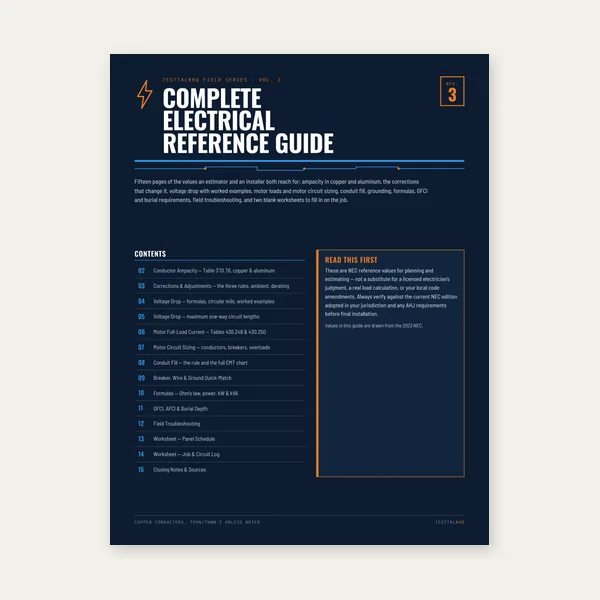
15 pages. Ampacity, corrections, voltage drop, motor circuits, conduit fill.
$12.99
Buy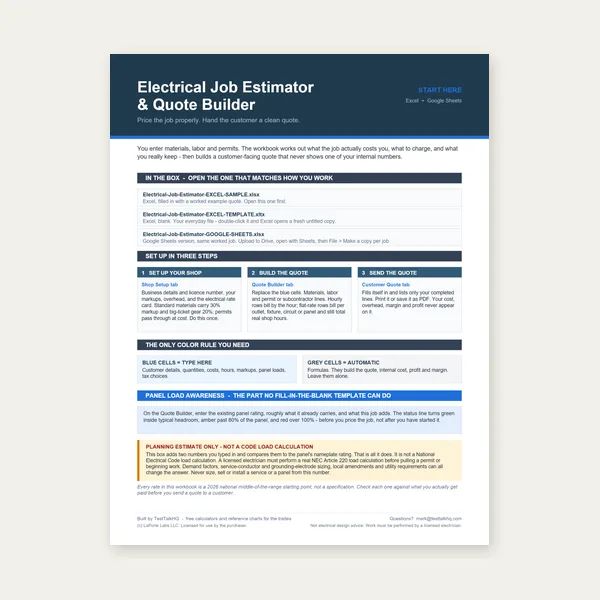
Quote electrical work and flag panel headroom before you price it.
Excel or Google Sheets. Best on a computer.
$29.00
Buy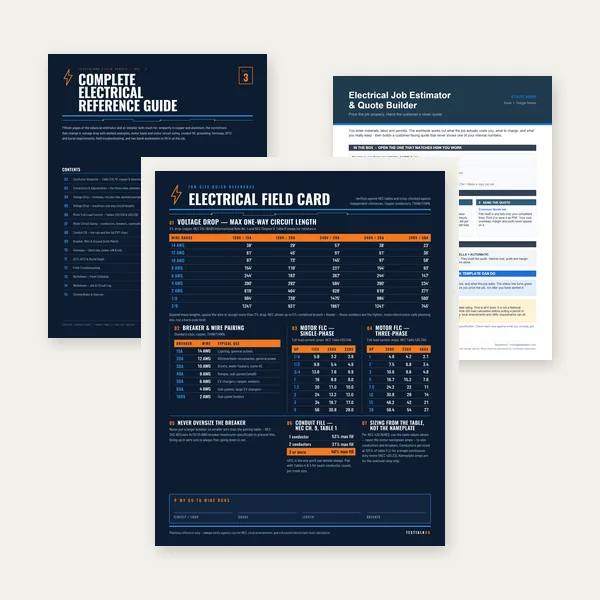
Card, 15-page guide and the estimator workbook. All six files.
Excel or Google Sheets. Best on a computer.
$34.99
$45.98 if bought separately — save $10.99
BuyCheckout opens in a new tab.
Six products from the live TestTalkHQ affiliate CSV: clamp meters, multimeters, circuit finder, load center, and panel label maker.


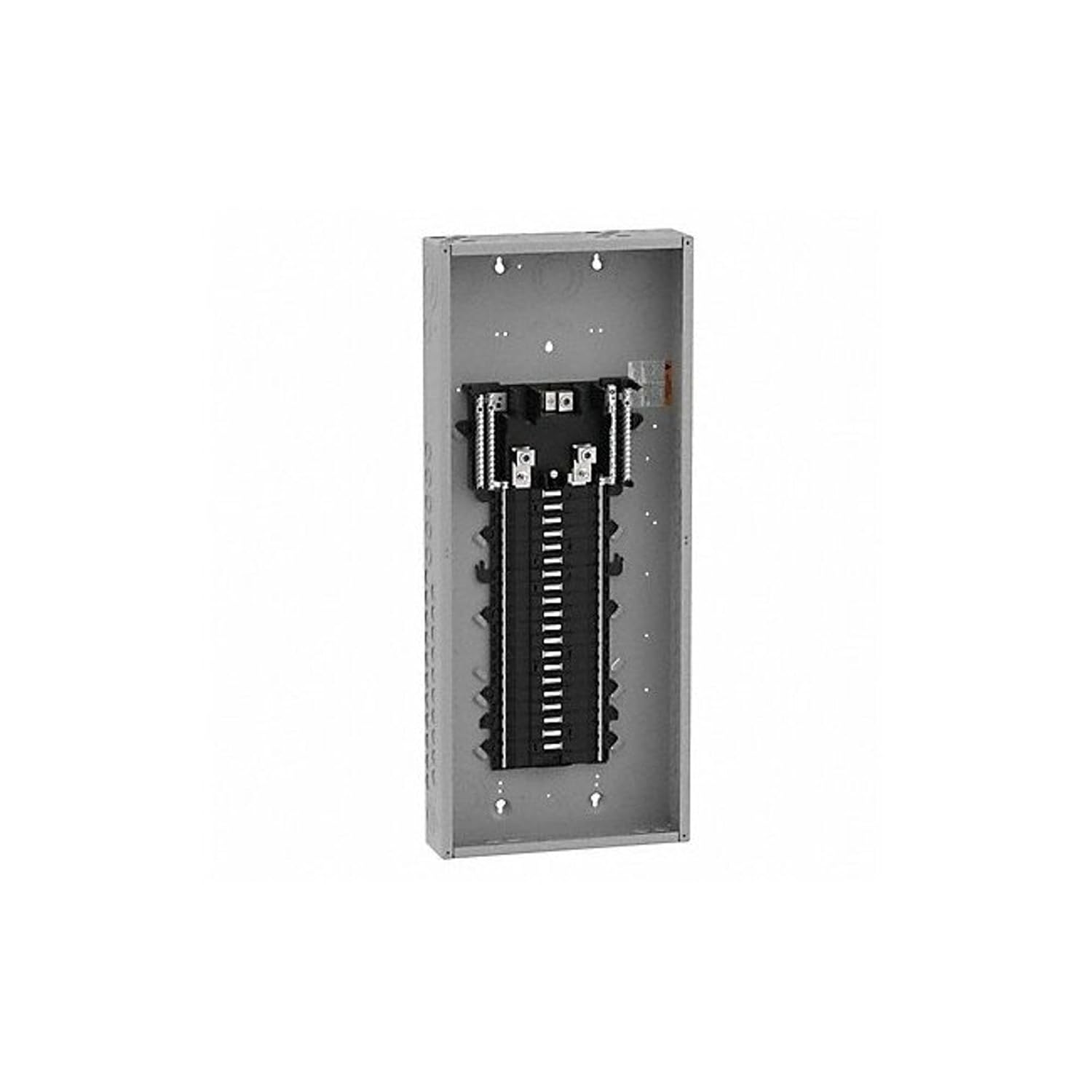
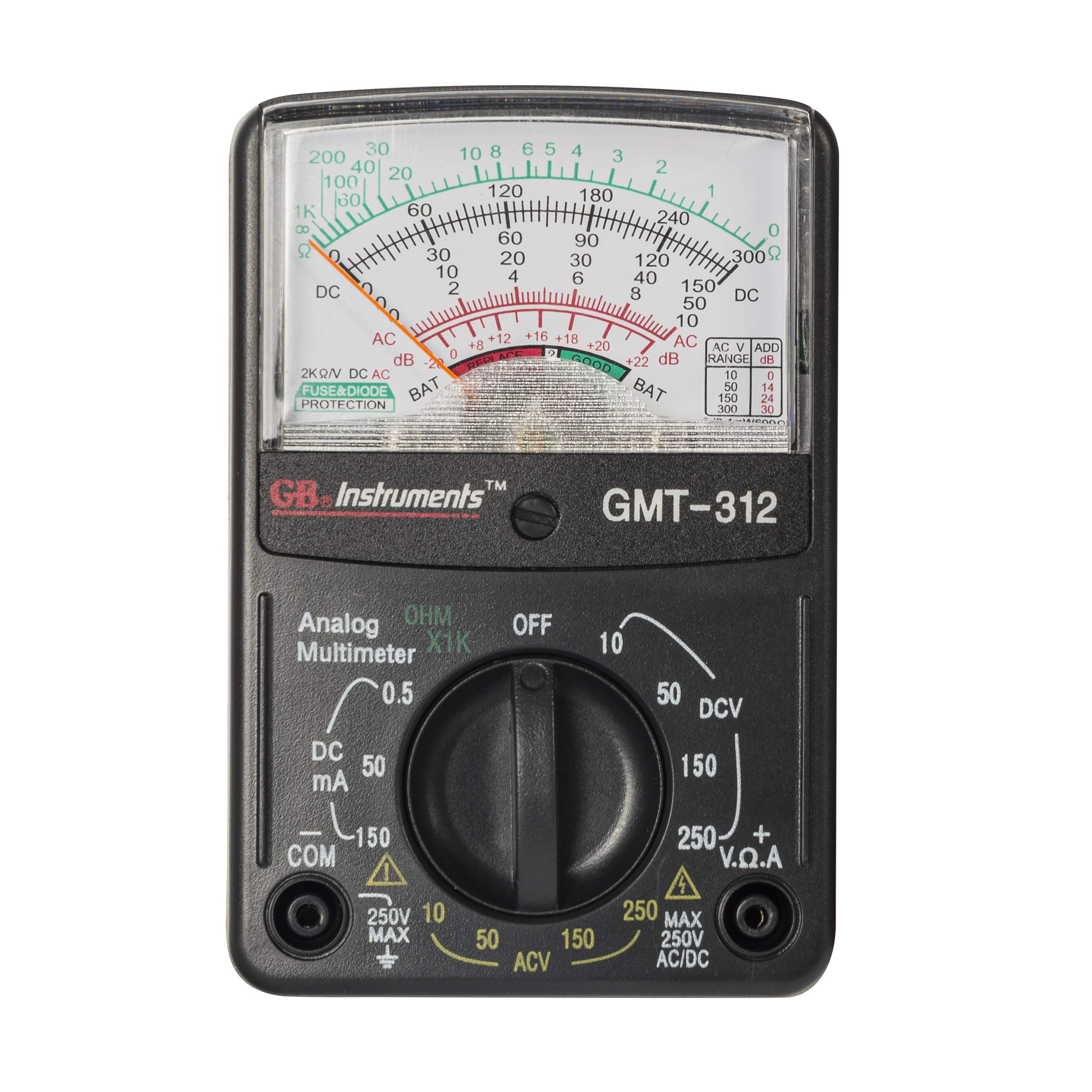
As an Amazon Associate, TestTalkHQ earns from qualifying purchases. Catalog note: clamp meters, circuit finder, load center, and label maker are present. No dedicated CT demand-meter kit or panel-schedule label pack SKU beyond the Brother label maker was found in the live CSV.
No. Panel bus rating is a maximum. The upstream service and feeder breaker still limit how much load you can add.
When the whole-service demand still has spare capacity after the new loads, and you mainly need local branch circuits and spaces.
Yes. Subpanel feeders follow NEC 215.2 like other feeders. Lighting and EVSE are common continuous loads on garage feeders.
That can be an upgrade-vs-listed-load-management decision. Use the EV-specific fork page after the dwelling load calc is honest.