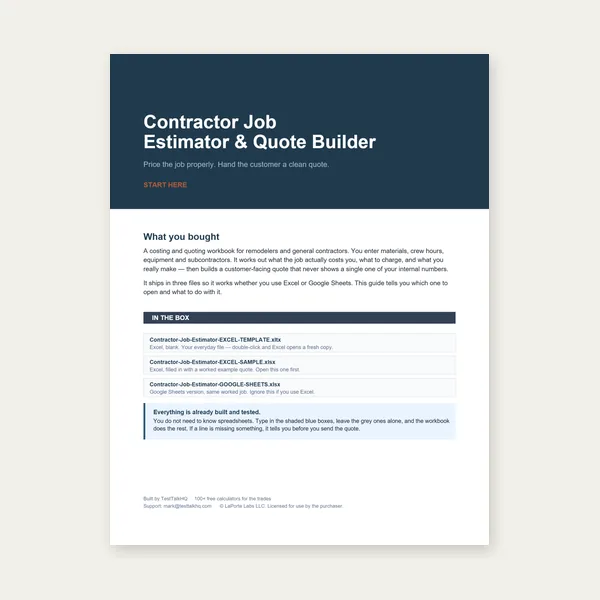
Contractor Job Estimator
Price remodels and GC work, then send a quote with no internal numbers.
Excel or Google Sheets. Best on a computer.
$29.00
BuyWhen the feeder math looked right but the shop still trips, neutrals are bonded wrong, VD is high, or a big panel bus didn't create capacity
Run this when the Sub-Panel Sizing Calculator recommended a feeder and panel rating that still fails in the field. For the outbuilding workflow and 4-wire rules, use the Sub-Panel Sizing Guide. Choosing service upgrade vs adding a subpanel is already covered on Service Upgrade vs Subpanel — Which to Choose. This page stays on diagnosis after the sizing decision.

Most "we bought a 200A sub-panel" surprises come from confusing bus rating with feeder ampacity, running a 3-wire feeder with a second neutral-ground bond, ignoring main-panel headroom, skipping continuous 125%, or treating voltage drop as optional on long garage runs.
| Symptom | What it usually means | First fix | Next tool |
|---|---|---|---|
| Big sub-panel, still trips / weak power | Panel bus ≠ feeder capacity; upstream breaker is the real limit | Size feeder + OCPD to demand; treat bus as maximum only | Sub-Panel Calculator |
| Tingle on metal / parallel neutral current | 3-wire feeder or neutral bonded at sub-panel | Convert to 4-wire; isolate neutral bar; bond EGC only | Sub-Panel Guide |
| Main service trips after shop feeder added | Main headroom never verified | Re-run dwelling/service load; consider service upgrade | Upgrade vs Subpanel |
| Lights dim when welder/compressor starts | Feeder VD or undersized conductors for distance | Check VD at operating current; upsize or shorten | Voltage Drop Calculator |
| Detached garage, inspector flags grounding | Missing electrode system / EGC with feeder | Add GES + EGC per 250.32 / 250.122 | GEC Calculator |
What it looks like: Crew installs a 125A or 200A sub-panel on a 60A feeder and expects 200A of shop power. Breakers trip, voltage sags, or the AHJ asks why the feeder is smaller than the panel label.
Likely causes: Bus ampacity is a maximum enclosure rating. The upstream feeder OCPD and conductors set the real capacity. Oversizing the panel for spare spaces is fine — mistaking that for available amps is not.
Fixes: Re-run the Sub-Panel Sizing Calculator for feeder amps and wire. Keep the larger bus if you want expansion room, but protect and load only to the feeder. Guide reminder: Sub-Panel Sizing Guide.
What it looks like: Metal parts tingle, EGCs carry current, GFCI/AFCI nuisance issues, or the inspector fails the bonding screw left in at a feeder panel.
Likely causes: Older 3-wire feeders (hot-hot-neutral, no EGC) or a second main-bonding jumper at the sub-panel. Neutral and equipment ground must stay isolated in a sub-panel fed by a 4-wire feeder; objectionable current on metal paths is the field symptom.
Fixes: Install/verify 4-wire feeder (two hots, neutral, EGC). Isolate the neutral bar. Bond the enclosure to the EGC only. For detached structures, add the grounding electrode system and keep the feeder EGC. See the guide's grounding/bonding section.
What it looks like: Garage feeder is sized correctly by itself. Whole-house main trips when the shop and house peak together. Optional-method dwelling calc was never updated.
Likely causes: Sub-panel demand was treated as independent of Article 220 service load. A correct feeder can still push a maxed 100A or 150A service over the edge.
Fixes: Recalculate dwelling/service load with the new feeder included. If headroom is gone, the decision is service upgrade vs load management — already covered on Service Upgrade vs Subpanel. Related feeder demand diagnosis: Feeder / Service Load Troubleshooting.
What it looks like: Lighting, EVSE, or other continuous loads on the sub-panel run warm conductors or trip near nameplate. Non-continuous math looked fine.
Likely causes: Feeder conductors and OCPD must account for 125% of continuous load (NEC 215.2 / 210.19 patterns). Shop lighting banks and Level 2 EVSE are classic continuous offenders on garage feeders.
Fixes: Separate continuous vs non-continuous in the load list. Re-enter totals in the calculator and upsize feeder/OCPD as required. Cross-check EVSE branch work with the EV Charger Circuit Sizing Calculator when that load dominates.
What it looks like: Ampacity passes; welder/compressor starts dim lights or drop out. Or AHJ flags missing rods/electrodes at a detached garage even though an EGC arrived with the feeder.
Likely causes: Ampacity ≠ voltage drop. Long aluminum or copper runs need a VD check at real operating current. Detached structures usually need a local grounding electrode system in addition to the feeder EGC (NEC 250.32 / AHJ).
Fixes: Run the Voltage Drop Calculator; upsize if VD is excessive. Size EGC/GEC with the EGC and GEC calculators. Guide workflow: Sub-Panel Sizing Guide.
Need feeder amps and wire for the shop again? Re-enter loads, distance, and Cu/Al after you fix bonding or headroom assumptions.
Open Sub-Panel CalculatorNo new decision article. Service upgrade vs adding a subpanel / feeder panel is already published as Service Upgrade vs Subpanel — Which to Choose.
Chart SKIPPED: Feeder/panel planning numbers already live in the calculator and guide. Related feeder tables exist on the Feeder / Service Load Chart. A separate sub-panel chart would restate the same ampacity/VD planning without clearing the new-data + 400-word bar.
Sub-Panel Calculator → Sub-Panel Guide → Upgrade vs Subpanel →
Price remodels and GC work, then send a quote with no internal numbers.
Excel or Google Sheets. Best on a computer.
$29.00
BuyCheckout opens in a new tab.
Five CSV catalog picks with verified Product Image URLs — meters and circuit materials used when diagnosing feeders and panels.

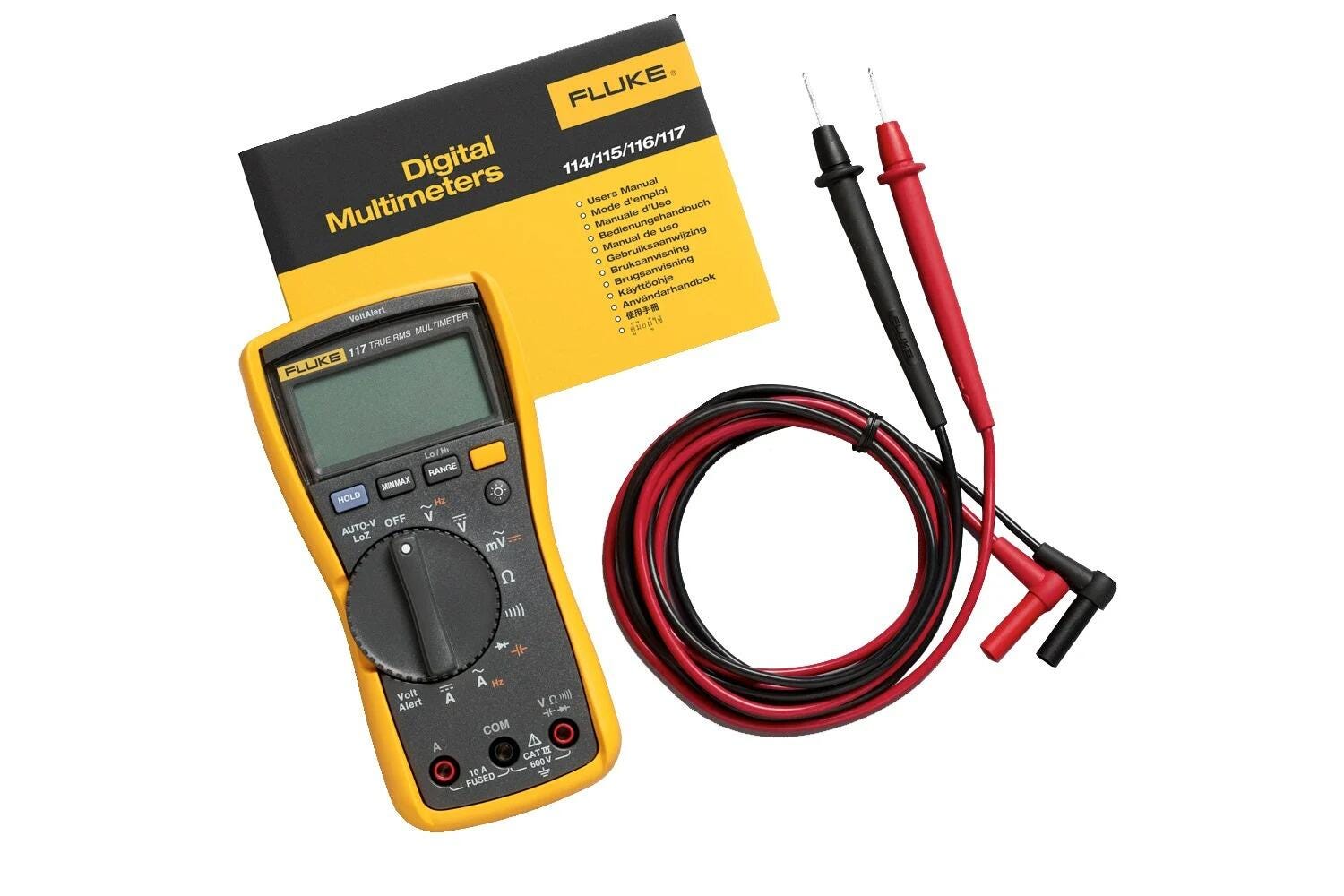
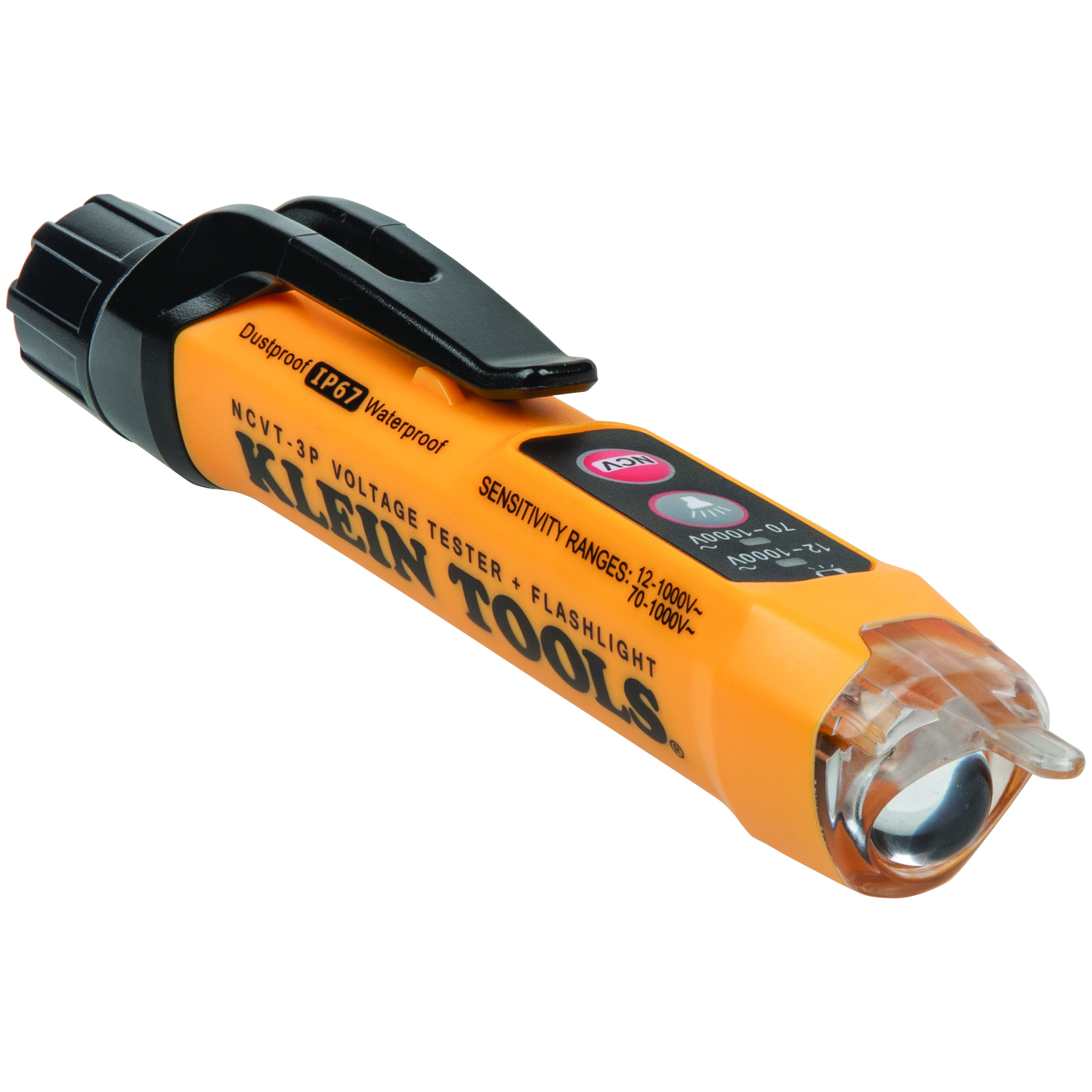
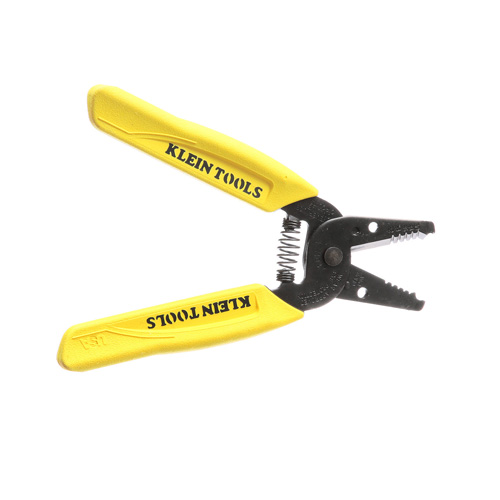

As an Amazon Associate, TestTalkHQ earns from qualifying purchases. All five cards are sourced only from the affiliate CSV with verified product images. Catalog gaps flagged by name: (1) no 2-2-2-4 Al SER / mobile home feeder cable spool with verified image; (2) no ground rod / clamp kit with verified image; (3) no 60–100A 2-pole QO/HOM feeder breaker SKU with verified image. Highest-priority sub-panel catalog fills.
Yes. Bus rating is a ceiling. The feeder OCPD protects the conductors; a larger panel only adds spaces.
Without a separate EGC (and with neutral bonded at both ends), neutral current can ride metal paths. Modern practice is 4-wire with an isolated neutral in the sub-panel.
Main service load may already be at the limit. Recalculate dwelling load and see the upgrade-vs-subpanel decision page.
No. The guide teaches the sizing workflow. This page diagnoses failures when the plan already looked correct.