
Contractor Job Estimator
Price remodels and GC work, then send a quote with no internal numbers.
Excel or Google Sheets. Best on a computer.
$29.00
BuyDedicated circuit after a panel/service upgrade vs a listed NEC 625.42 EV energy management system — real cost, complexity, and capacity tradeoffs
Level 1 vs Level 2 is already covered in How to Size an EV Charger Circuit. This page is the other fork: when the branch size is fine but the panel or service is the bottleneck. Run numbers with the EV Charger Circuit Sizing Calculator and Residential Load Calculator. If the circuit already exists and misbehaves, go to EV Charger Circuit Troubleshooting.

You need a dedicated EV branch (NEC 625.40). The fight is whether the service/panel must grow to carry that continuous load at full nameplate, or whether a listed automatic load management system (NEC 625.42) can keep the EVSE under a controlled maximum so the existing service stays compliant.
| Path | Best when | Main upside | Main downside |
|---|---|---|---|
| Panel / service upgrade + dedicated circuit | You want full EVSE nameplate anytime; EMS not listed/available; AHJ distrusts managed loads | Simple long-term: breaker ampacity = available charge rate | Higher upfront cost; longer outage; more invasive work |
| Listed EV load / energy management (625.42) | Service is tight; two+ chargers; temporary deferral of upgrade | Lower immediate cost; may avoid meter/main upgrade | Complexity, commissioning, shared-capacity throttling |
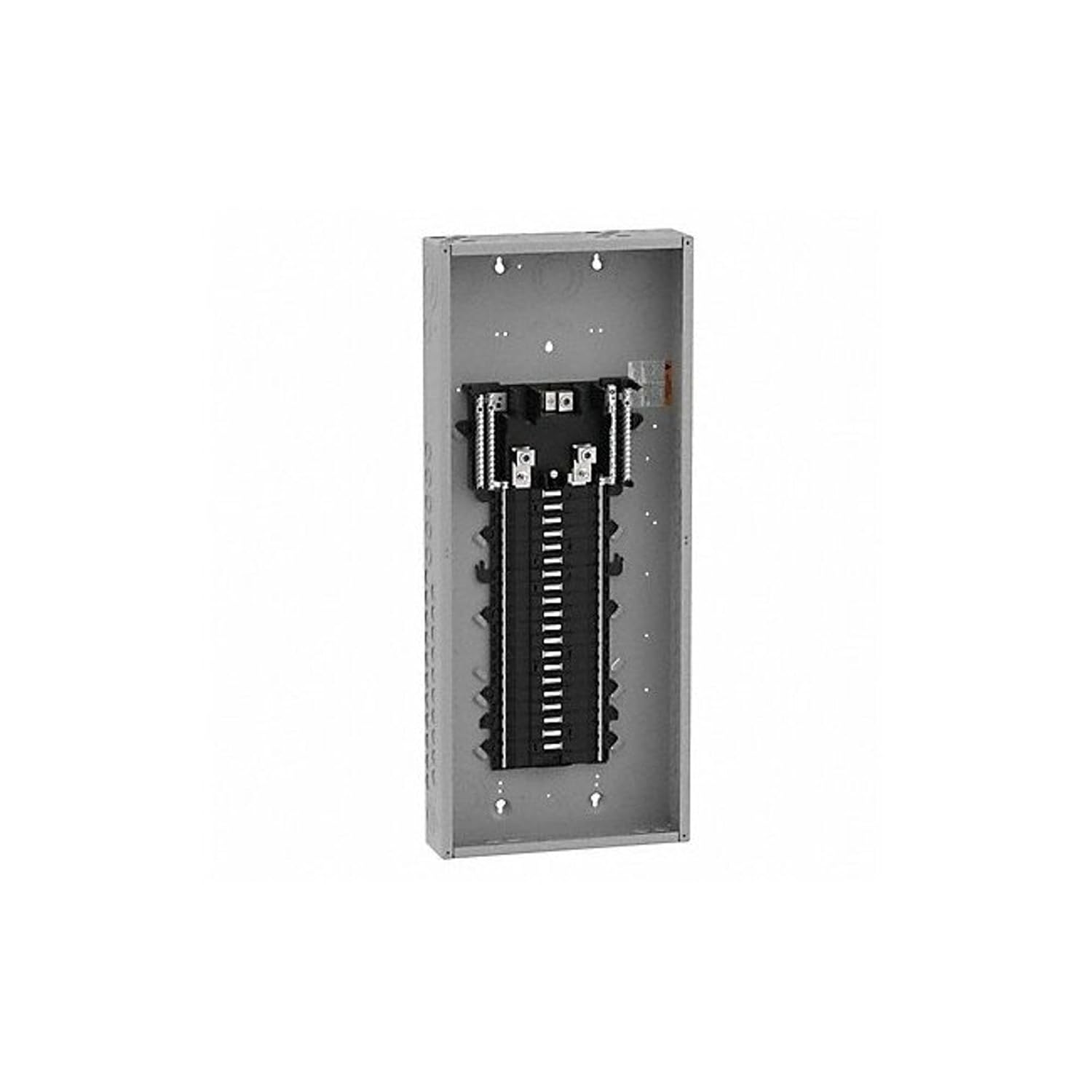
What you are buying: Enough bus spaces and calculated spare capacity that a dedicated 40–60A (or larger) 2-pole can land without load management. Often this means a 200A (or larger) load center, sometimes a utility meter/main upgrade, then a conventional dedicated branch sized with the EVSE calculator.
When it is the clearer choice:
Tradeoffs: Higher material + labor, possible utility scheduling, and temporary power interruption. Long-term operation is simpler: set the EVSE to the circuit’s continuous rating and forget diversity logic.
What you are buying: Equipment listed to automatically limit EVSE load so the service or feeder is not required to carry every charger at full nameplate at once. That can be a manufacturer PowerShare link, a third-party EMS, or a panelboard solution with EV load control — only if it is listed for the purpose.
When it is the clearer choice:
Tradeoffs: Commissioning, firmware, CT placement, and documentation for the inspector. Charge rate can drop when the dryer, range, and HVAC stack. Fail-safe behavior must be understood — if the EMS fails, what current does the EVSE default to?
| Factor | Upgrade + dedicated | Listed load management |
|---|---|---|
| Upfront cost | Higher (panel/service/labor) | Usually lower if service stays |
| Time to energize | Utility / inspection dependent | Often faster if listing accepted |
| Daily charge predictability | Full configured amps anytime | May throttle at house peaks |
| Second EV later | Capacity already bought | May need EMS expansion or upgrade anyway |
| Failure modes | Conventional OCPD / wiring | EMS/CT/settings dependency |
| Inspection story | Simple continuous-load branch + Article 220 | Must show listing, settings, and controlled maximum |
Need the branch numbers either way Breaker, wire, and voltage drop still come from continuous-load sizing.
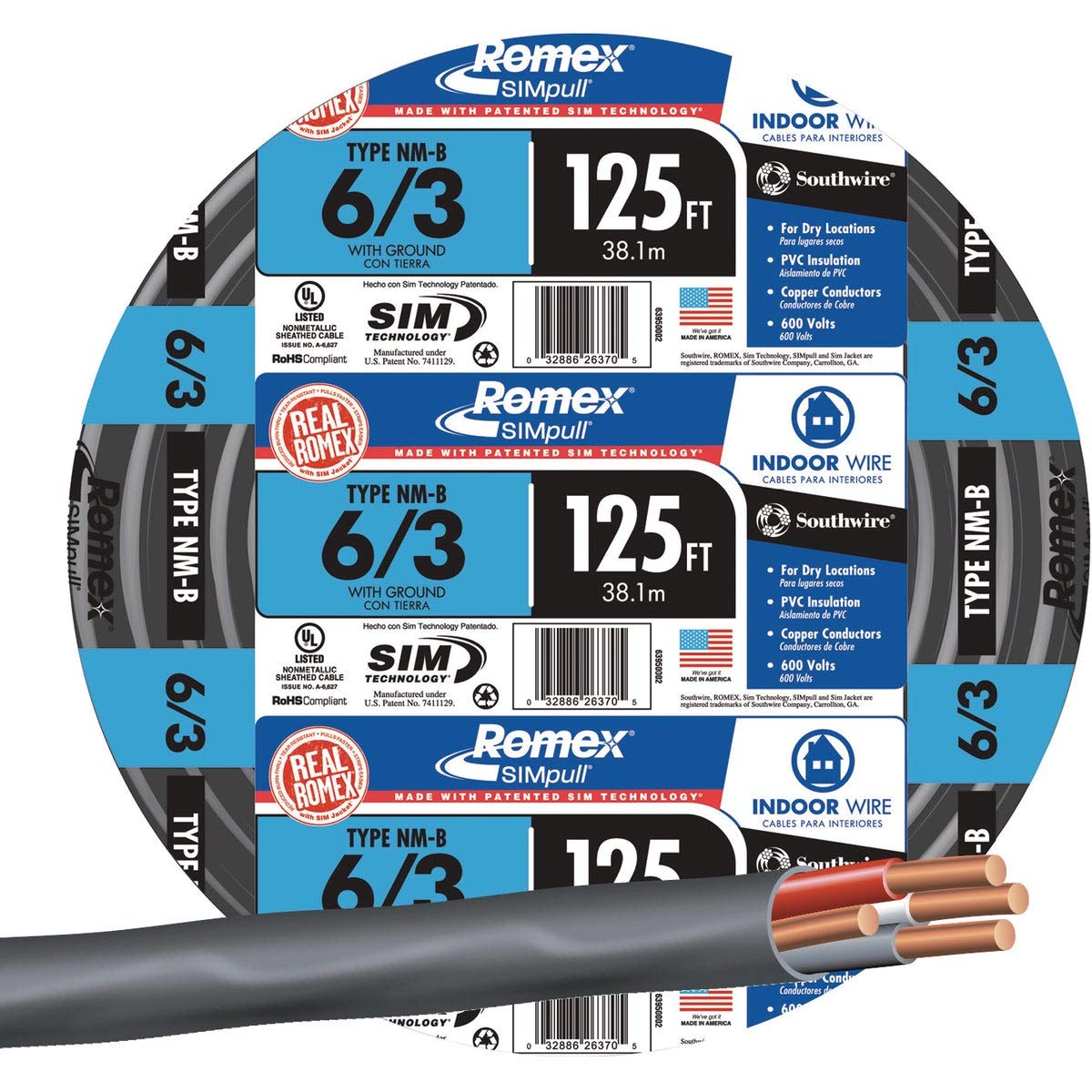
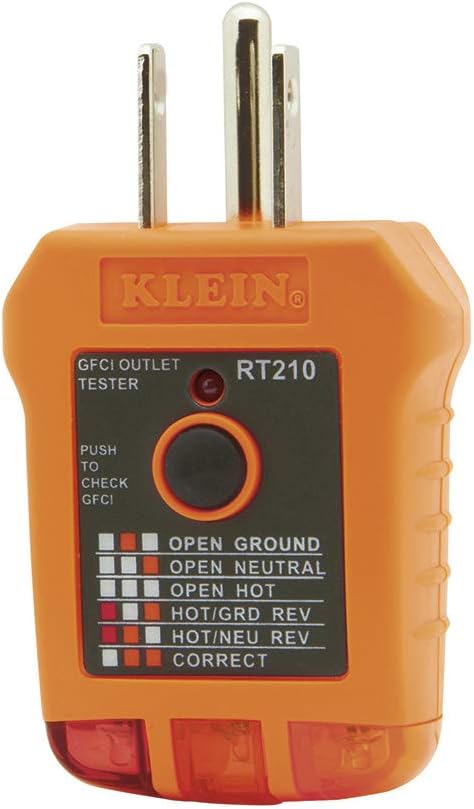
Open EVSE CalculatorCircuit hardware and meters for panel upgrades, branch conductors, and verifying managed vs full-rate current. Catalog gap: the affiliate CSV has no listed EVSE units and no 40/50/60A two-pole EV-rated breakers — use these electrical products for the branch and panel side only.


As an Amazon Associate, TestTalkHQ earns from qualifying purchases. Always follow manufacturer torque, listing, and AHJ requirements. EVSE hardware is a catalog gap in the affiliate CSV — do not substitute unrelated products for a charger.
No. NEC 625.40 still expects EVSE on a dedicated branch unless the listing describes another arrangement. 625.42 addresses how much load you must count on the service/feeder when automatic management is present.
No. Voltage/level choice is covered in the sizing guide. This page is only panel/service upgrade vs listed EV load management when capacity is the constraint.
Not for reducing Article 220 EV load. Inspectors look for equipment listed for EV load management under 625.42 (or equivalent). Unlisted shed schemes do not create a demand factor.
Yes. Upgrade buys capacity and spaces; branch conductors and OCPD still follow continuous-load sizing for the EVSE rating/setting.
Verify spaces, bus rating, and whether demand factors were optimistic. Diagnose calc vs field disagreements in EV charger circuit troubleshooting and the residential load troubleshooting page.
Price remodels and GC work, then send a quote with no internal numbers.
Excel or Google Sheets. Best on a computer.
$29.00
BuyCheckout opens in a new tab.