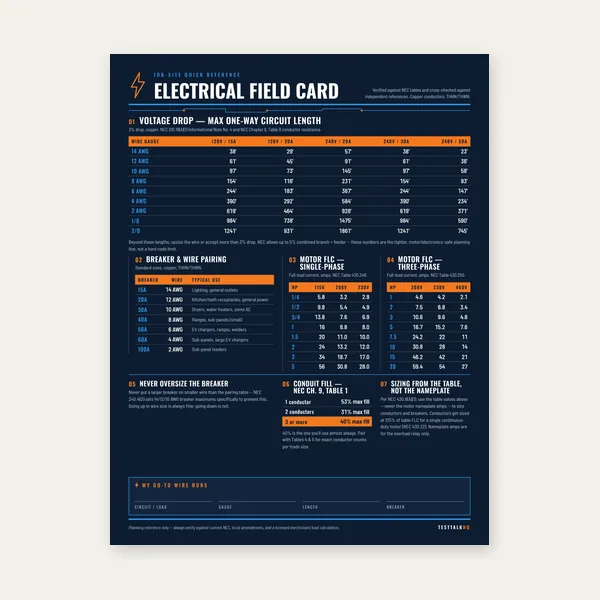
Electrical Reference Card
One page. Voltage drop lengths, breaker and wire pairing, motor FLC.
$3.99
BuyStub-Up, Offset & Saddle Bends
Calculate bend mark distances, offset spacing, saddle layout, and box-offset marks for EMT — with bender deduct, multiplier, and shrinkage shown for every result. See the Conduit Bending Guide for mark symbols and field technique.

| Trade size | Typical deduct | Notes |
|---|---|---|
| 1/2" EMT | 5" | Hand bender — Klein, Ideal, Greenlee |
| 3/4" EMT | 5" | Verify stamped table on your head |
| 1" EMT | 6" | Spring-back — slight over-bend |
| 1-1/4" EMT | 8" | Longer shoe radius |
| 1-1/2" EMT | 8" | Match manufacturer chart |
| 2" EMT | 11" | Heavy wall — test bend recommended |
Offset multipliers: 10°=6.0 · 22°=2.6 · 30°=2.0 · 45°=1.4 · 60°=1.1. Stub shrinkage ≈ 5/8" per 90°.
One page. Voltage drop lengths, breaker and wire pairing, motor FLC.
$3.99
Buy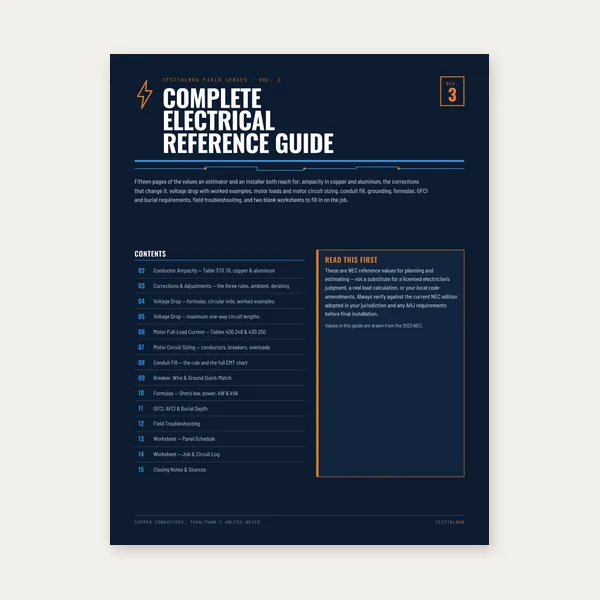
15 pages. Ampacity, corrections, voltage drop, motor circuits, conduit fill.
$12.99
Buy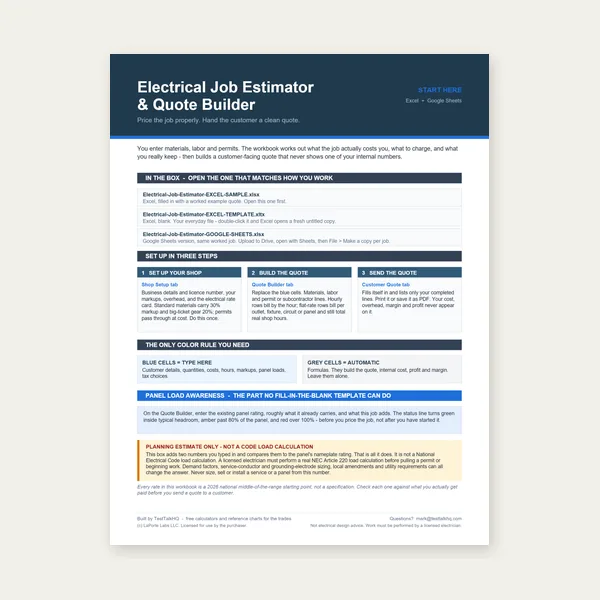
Quote electrical work and flag panel headroom before you price it.
Excel or Google Sheets. Best on a computer.
$29.00
Buy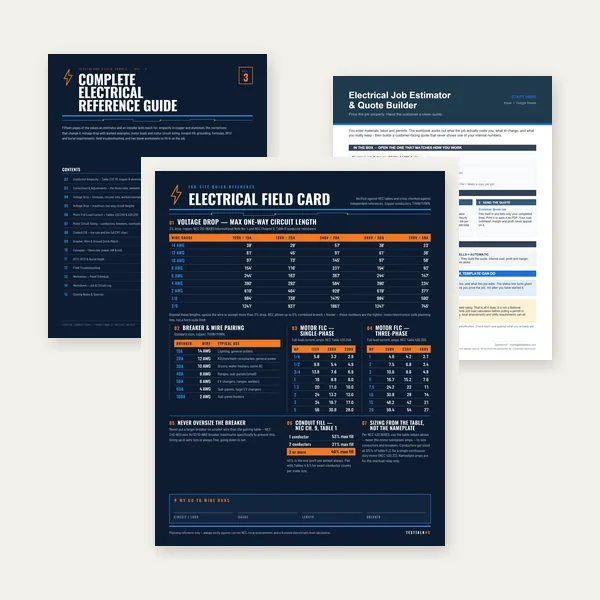
Card, 15-page guide and the estimator workbook. All six files.
Excel or Google Sheets. Best on a computer.
$34.99
$45.98 if bought separately — save $10.99
BuyCheckout opens in a new tab.
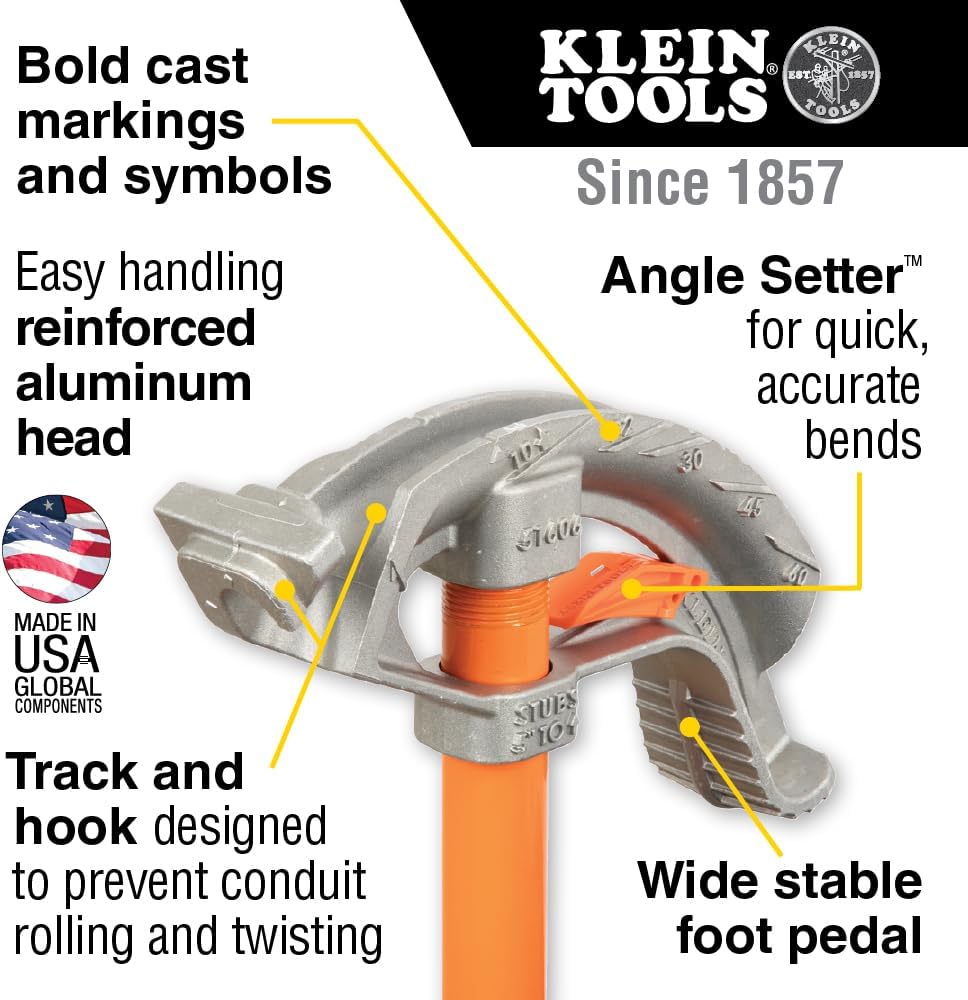
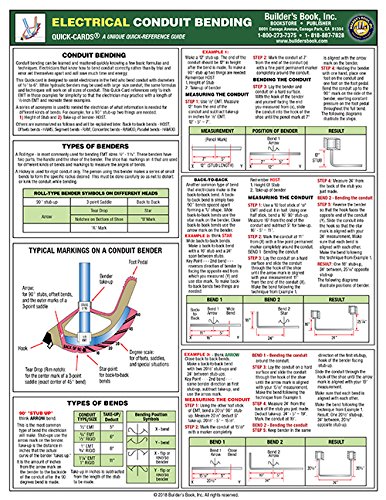
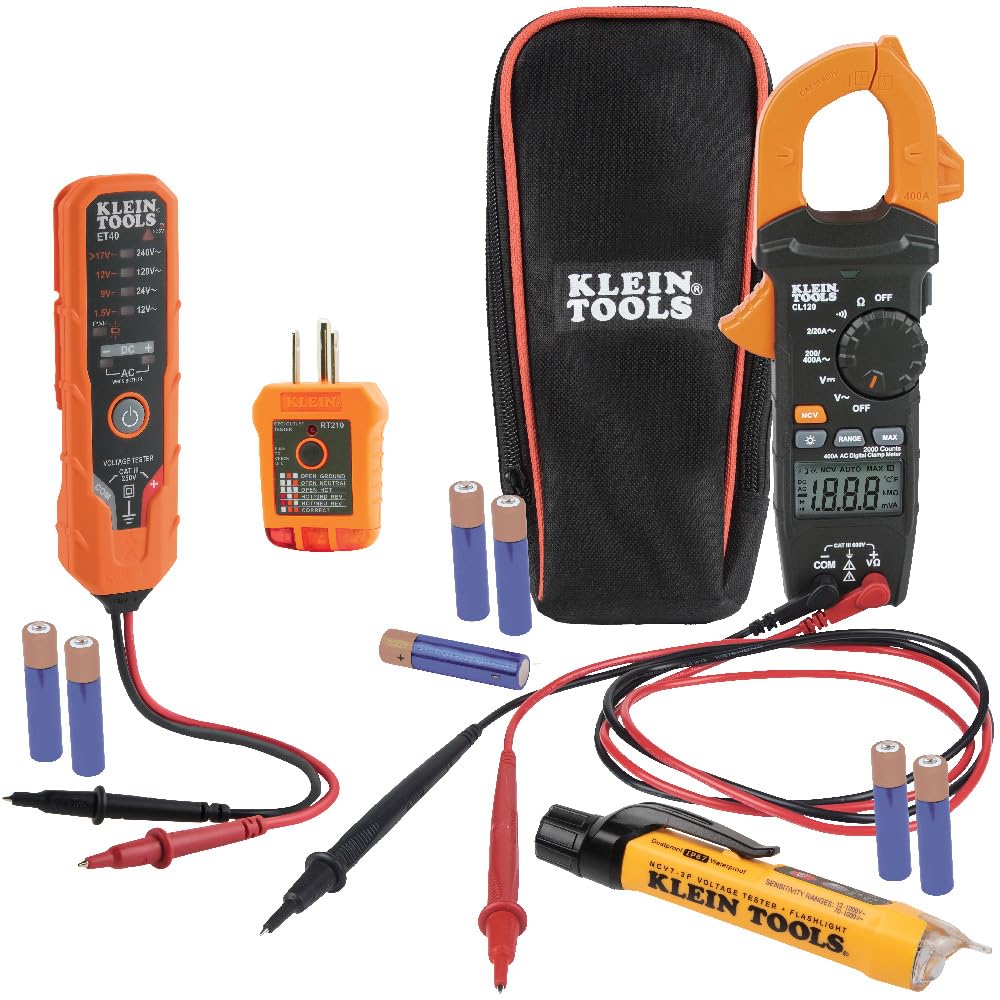
Hand benders, angle finders, and EMT for layout work — pair with the calculator before you cut a stick.
As an Amazon Associate, TestTalkHQ earns from qualifying purchases. Prices and availability subject to change.
A bender multiplier converts obstacle height into the distance between two offset marks. The math is straight trigonometry made field-friendly: for a 45° offset, the multiplier is 1.4, so a 6" obstruction needs 6 × 1.4 = 8.4" between bend marks. Steeper angles use smaller multipliers — a 60° offset spaces bends closer but puts more stress on the pipe and is harder to keep in plane. Shallow 10° offsets use multiplier 6.0 and are gentler on the conduit but eat more wall length and add more cumulative shrink. The multiplier does not change with conduit trade size; only the deduct and spring-back change. Always write the multiplier on your mark so the second bend matches the first angle exactly.
A dog leg means the second bend is rotated out of plane with the first — the offset kicks sideways instead of staying parallel to the original run. Prevent it by sighting down the conduit before every bend, keeping your body aligned with the first bend plane, and marking the floor or wall where the pipe should land. On offsets, both bends must be the same angle bent in the same rotational direction. Do not flip the pipe between bends unless the layout calls for it. For saddles, bend the center first, check that it clears the obstacle, then bend each side while watching the center bend plane. A digital angle finder on the handle catches a few degrees of twist before you commit. If you dog-leg an offset, cut it out — heating and re-bending EMT weakens the wall.
The layout math — multipliers, deducts, shrinkage — describes the same geometry whether you bend EMT or rigid. The tooling and feel are different. EMT is bent on a hand bender with a published deduct; it spring-backs a few degrees, so experienced electricians slightly over-bend and check with a level. Rigid (RMC) uses a hydraulic or Chicago bender with a larger centerline radius and different deduct values stamped on the machine — never use EMT deducts on rigid. Rigid does not spring back as much, so what you see in the shoe is closer to the finished angle. IMC falls between the two. PVC is heat-bent or sweeps — no hand bender deduct applies. When switching from EMT practice to rigid on a job, run a test piece and measure the stub that actually landed before laying out production marks.
Measure twice from a fixed reference — floor, deck, or beam — not from the last bend you made. Add shrink when measuring between boxes: each offset and each 90° shortens the run along the original axis. For stub-ups, mark stub height minus deduct from the cut end and use the arrow, not the star, unless your layout specifically calls for a back-of-bend reference. Make a test bend when the wall finish is expensive or the stick is long — a 10-foot stick with a missed stub costs more time than a 2-foot scrap test. Ink marks lightly; heavy Sharpie lines blur when you sight the arrow. In cold weather EMT is stiffer and spring-back changes; in hot attics it bends easier. Keep the bender level — a canted shoe opens or closes the effective angle and shows up as a twist at the second mark.