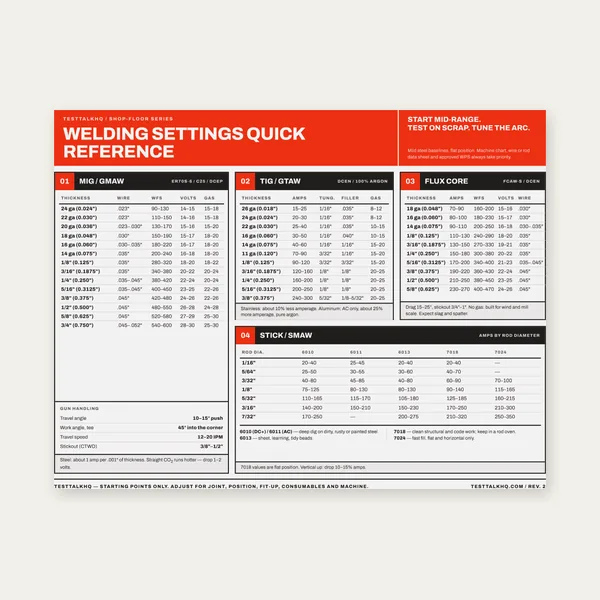
Welding Reference Card
One page. MIG, TIG, stick and flux core settings by thickness.
$3.99
BuyCalculate electricity costs and compare welder efficiency
One page. MIG, TIG, stick and flux core settings by thickness.
$3.99
Buy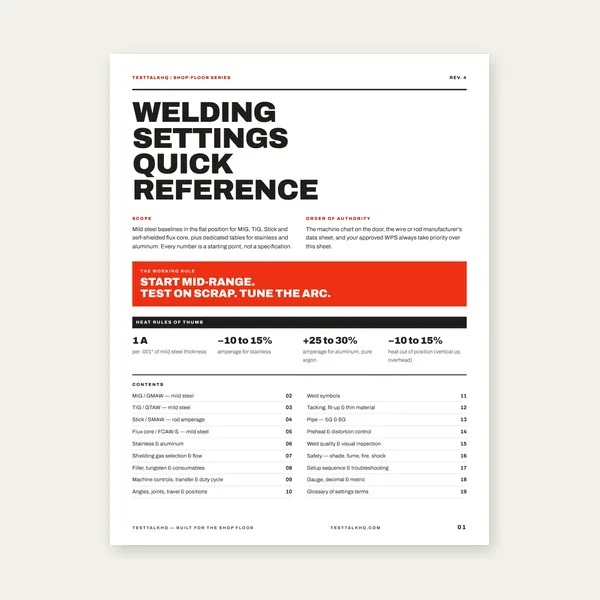
19 pages. Four processes, stainless and aluminum, symbols and inspection.
$12.99
Buy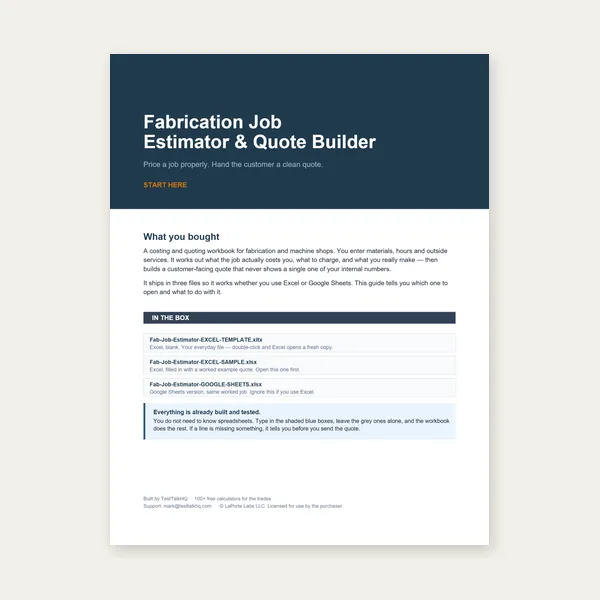
Price the job, then hand over a quote with no internal numbers.
Excel or Google Sheets. Best on a computer.
$29.00
Buy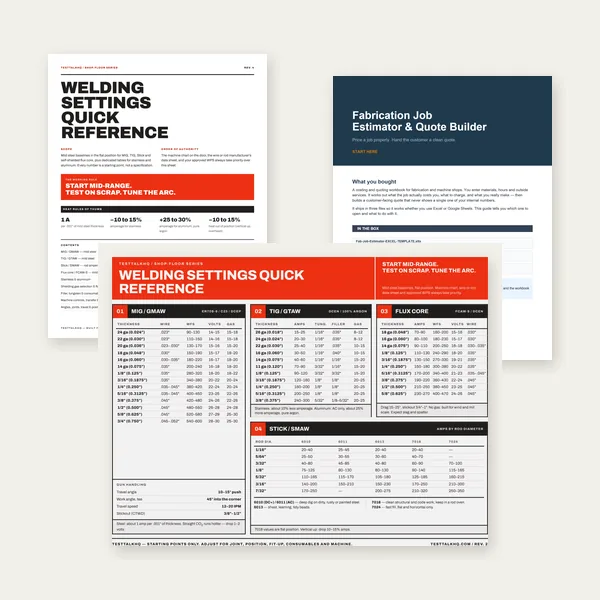
Card, 19-page guide and the estimator workbook. All six files.
Excel or Google Sheets. Best on a computer.
$34.99
$45.98 if bought separately — save $10.99
BuyCheckout opens in a new tab.
Want a client-ready quote instead of just the numbers? Excel + Google Sheets workbook for metal shops — cost, markup, and a clean customer quote.
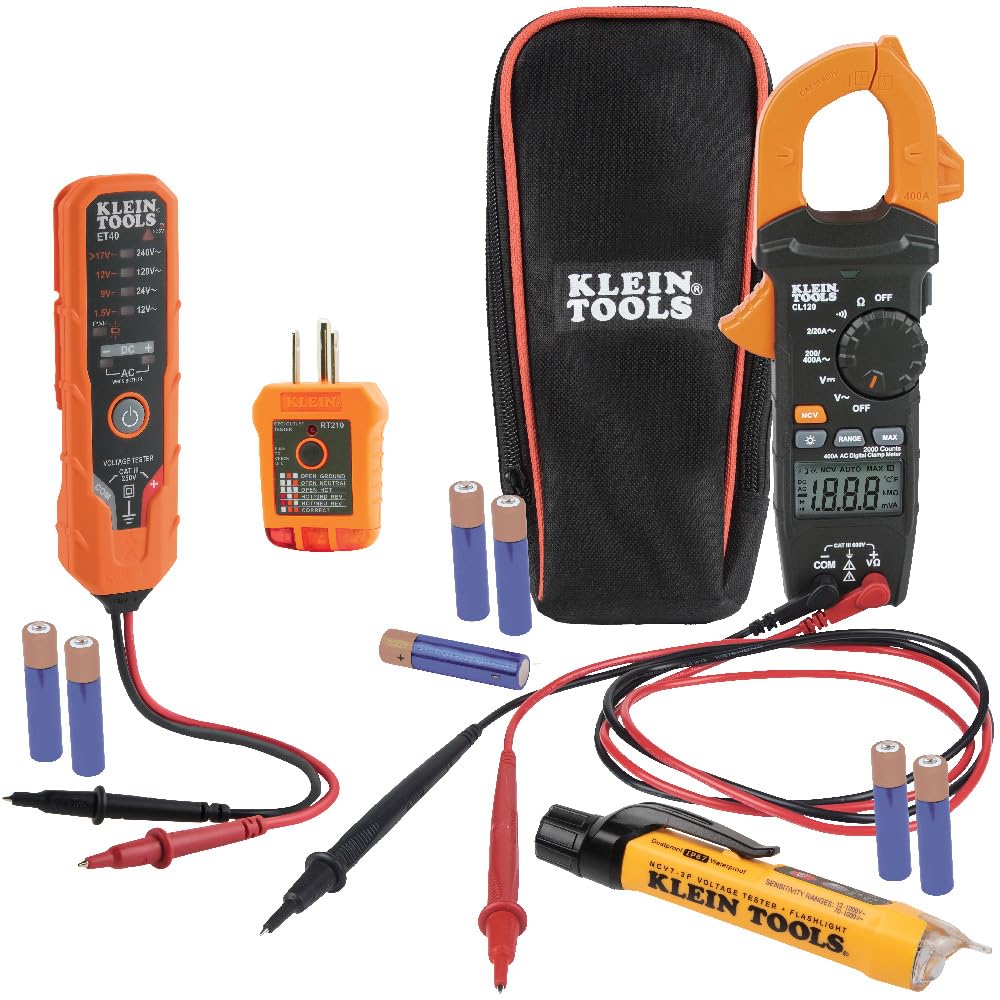
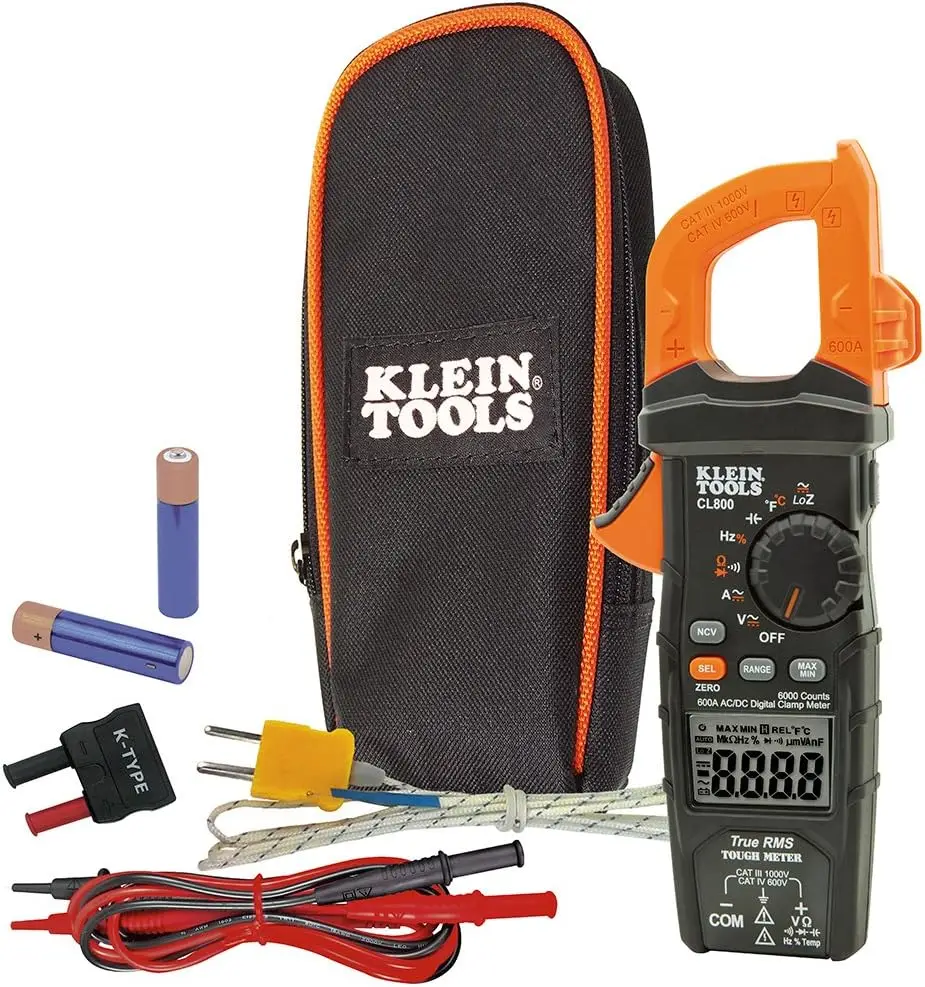
View on Etsy →Verify input voltage and current draw; pair readings with this calculator when planning circuits or inverter upgrades.

As an Amazon Associate, TestTalkHQ earns from qualifying purchases.
Select your welder type (inverter, transformer, or engine-driven), choose your welding process, enter your welder's maximum amperage rating and the average amperage you typically weld at, input duty cycle from the specs, select input voltage (120V or 240V), specify your daily welding time and days per week, and enter your local electricity rate. The calculator provides detailed cost breakdowns and efficiency comparisons.
What it means: Kilowatt-hours consumed per day/month/year. This is what your electric company bills you for. A 200A welder at 150A actual use consumes approximately 5–8 kWh per hour of welding depending on efficiency.
Why it matters: Knowing consumption helps you budget accurately and compare welders before purchase.
Daily/Monthly/Yearly: Actual dollar costs at your local electric rate. These are real overhead expenses that must be factored into job quotes and business budgets.
Typical costs: Small shop (4 hrs/day) = $50–100/month. Production shop (8 hrs/day) = $150–300/month.
Inverter welders: 80–90% efficient (best)
Transformer welders: 50–60% efficient
Engine-driven: 30–40% efficient (worst)
Efficiency = how much input power becomes welding power vs waste heat.
If upgrading from transformer to inverter welder saves $50/month in electricity ($600/year), and the new welder costs $1,800 more, payback period is 3 years. For high-use shops, inverter efficiency pays for itself quickly.
How they work: Use high-frequency electronics to convert AC power to precise DC welding current. Minimal energy waste as heat.
Advantages:
Best for: Any shop welding regularly (3+ hours/week). Energy savings pay for higher upfront cost within 2–4 years depending on usage.
How they work: Heavy copper coils and iron cores transform voltage. Simple, robust technology. Significant energy lost as heat in the transformer.
Characteristics:
Best for: Occasional welders (under 2 hours/week) where lower upfront cost matters more than efficiency. Industrial settings where weight isn't a concern and reliability is critical.
How they work: Gasoline or diesel engine drives an alternator producing welding current. Necessary for remote sites without grid power.
Characteristics:
Best for: Construction sites, pipeline work, farm/ranch repairs where no electrical service exists. Not economical for shop use where grid power is available.
💡 Real-World Savings Example
Shop Profile: Small fabrication shop, 4 hours welding/day, 5 days/week, $0.13/kWh electric rate
Old transformer welder: 8 kWh/hour = $416/year in electricity
New inverter welder: 5 kWh/hour = $260/year in electricity
Annual savings: $156/year. If inverter costs $500 more, payback in 3.2 years. Plus benefits: lighter weight, better arc control, works on 120V or 240V.
Power consumption is directly related to amperage. Welding at 100A vs 200A uses roughly half the power. Don't overbuy capacity you'll never use — a 200A welder is cheaper to buy and run than a 300A welder if you rarely exceed 180A.
Duty cycle affects how often you can weld continuously, but doesn't directly change power consumption per arc-on hour. However, low duty cycle means more cooling downtime = lower effective productivity. Higher duty cycle welders can maintain output longer without overheating.
Same welder is more efficient on 240V vs 120V input. At 120V, current draw is higher (watts = volts × amps), stressing circuits and wasting energy. Always use 240V if available — better for welder lifespan and efficiency.
Hot environments force cooling fans to run more = additional power draw. Welders in cool shops use 5–10% less power than identical units in hot environments. Keep shop ventilated but not excessively hot.
It depends on welder type, amperage, and your electric rate. Typical example: 200A inverter welder at 150A output, $0.13/kWh rate = approximately $0.65–0.85/hour of actual welding time. A 200A transformer welder doing the same work costs $1.00–1.30/hour. Engine-driven welders cost $3–8/hour in fuel. Use our calculator above for your specific situation.
Yes, significantly. Inverter welders are 80–90% efficient vs 50–60% for transformers. This means inverters use 30–50% less electricity for the same welding output. A shop welding 20 hours/week can save $150–300/year in electricity with an inverter. For professional use, inverter efficiency pays for the higher upfront cost within 2–4 years.
Check your welder's input amperage on the nameplate (not output amperage). Typical: 140A welder on 120V needs 20A breaker. 200A welder on 240V needs 40–50A breaker. Always size breaker 25% above nameplate rating per electrical code. Consult an electrician if unsure — undersized breakers trip constantly, oversized breakers are fire hazards.
Yes, power consumption increases roughly linearly with amperage. Welding at 200A uses approximately twice the power as welding at 100A. This is why it's important to use appropriate amperage for your material thickness — overwelding (using more amps than needed) wastes electricity and consumables. Match amperage to job requirements.
If you weld more than 3–4 hours per week, yes. Calculate your current annual electricity cost using our calculator, then calculate the cost with an inverter at 60% of that consumption. The difference is your annual savings. Divide the price difference between welders by annual savings = payback period in years. Under 5 years = good investment, especially considering other inverter benefits (lighter weight, better arc, dual voltage).
Yes, but size matters. Inverter welders need clean sine wave power — use generator rated 2× welder's max input watts. Transformer welders are more forgiving. Example: 200A inverter welder drawing 7000W max needs 14,000W generator minimum. Cheaper generators with "dirty" power can damage inverter electronics. Engine-driven welders are designed for generator use (they ARE a generator).
TIG welding is most efficient — precise current control, no spatter waste, high deposition efficiency. MIG is close second. Stick welding is least efficient — electrode coating doesn't deposit, stubs waste material, more heat input needed. However, process choice should be based on application requirements, not just efficiency. Stick welding is still best for dirty/rusty materials despite lower efficiency.
Not directly. Duty cycle is the percentage of 10 minutes a welder can operate at max output before needing to cool. A 60% duty cycle welder at 200A uses the same power per arc-on minute as a 100% duty cycle welder at 200A. However, low duty cycle means more downtime waiting for cooling. For production work, higher duty cycle = more productivity per hour, but not lower power per weld.
Disclaimer: Power consumption estimates are based on typical welder efficiency ratings and standard operating conditions. Actual consumption varies by welder model, age, condition, and usage patterns. Electricity rates vary by location and time of use. This calculator provides estimates for comparison and planning purposes only. Always verify specifications with your welder manufacturer and local utility provider.