⚡ Electrode & Wire Consumption Calculator

Estimate MIG wire, stick rods, TIG filler, and consumable cost before the job starts

Calculate exactly how much welding wire, electrodes, or filler rod you need for any project. This helps with accurate job bidding, cleaner purchasing, and fewer mid-job supply gaps.

Looking for related tools? Use the Weld Cost Calculator and Welding Gas Cost Calculator.

Embed this calculator Free · no API key · keep the attribution link

Copy the snippet below to embed this calculator on your site. The attribution link must stay intact and dofollow (no rel="nofollow"). Browse all embeddable calculators

<div class="ttq-embed" style="max-width:100%;margin:0 auto;">
  <iframe src="https://testtalkhq.com/embed/electrode-wire-consumption-calculator/?theme=light&utm_source=embed" width="100%" height="980" frameborder="0" loading="lazy" scrolling="no" title="Electrode & Wire Consumption Calculator — TestTalkHQ" style="border:0;max-width:100%;width:100%;"></iframe>
  <p style="font:400 13px/1.4 system-ui,sans-serif;text-align:center;margin:6px 0 0;">Powered by the <a href="https://testtalkhq.com/electrode-wire-consumption-calculator/?utm_source=embed&utm_medium=referral&utm_campaign=calculator_embed&utm_content=electrode-wire-consumption-calculator" target="_blank" rel="noopener">Electrode & Wire Consumption Calculator</a> from <a href="https://testtalkhq.com/?utm_source=embed&utm_medium=referral&utm_campaign=calculator_embed&utm_content=electrode-wire-consumption-calculator" target="_blank" rel="noopener">TestTalkHQ</a></p>
</div>

Any trade

Contractor Job Estimator

Contractor Job Estimator

Price remodels and GC work, then send a quote with no internal numbers.

Excel or Google Sheets. Best on a computer.

$29.00

Buy

See all products

Checkout opens in a new tab.

Recommended Consumables

Process-specific picks for MIG wire, stick electrodes, TIG filler, and core accessories.
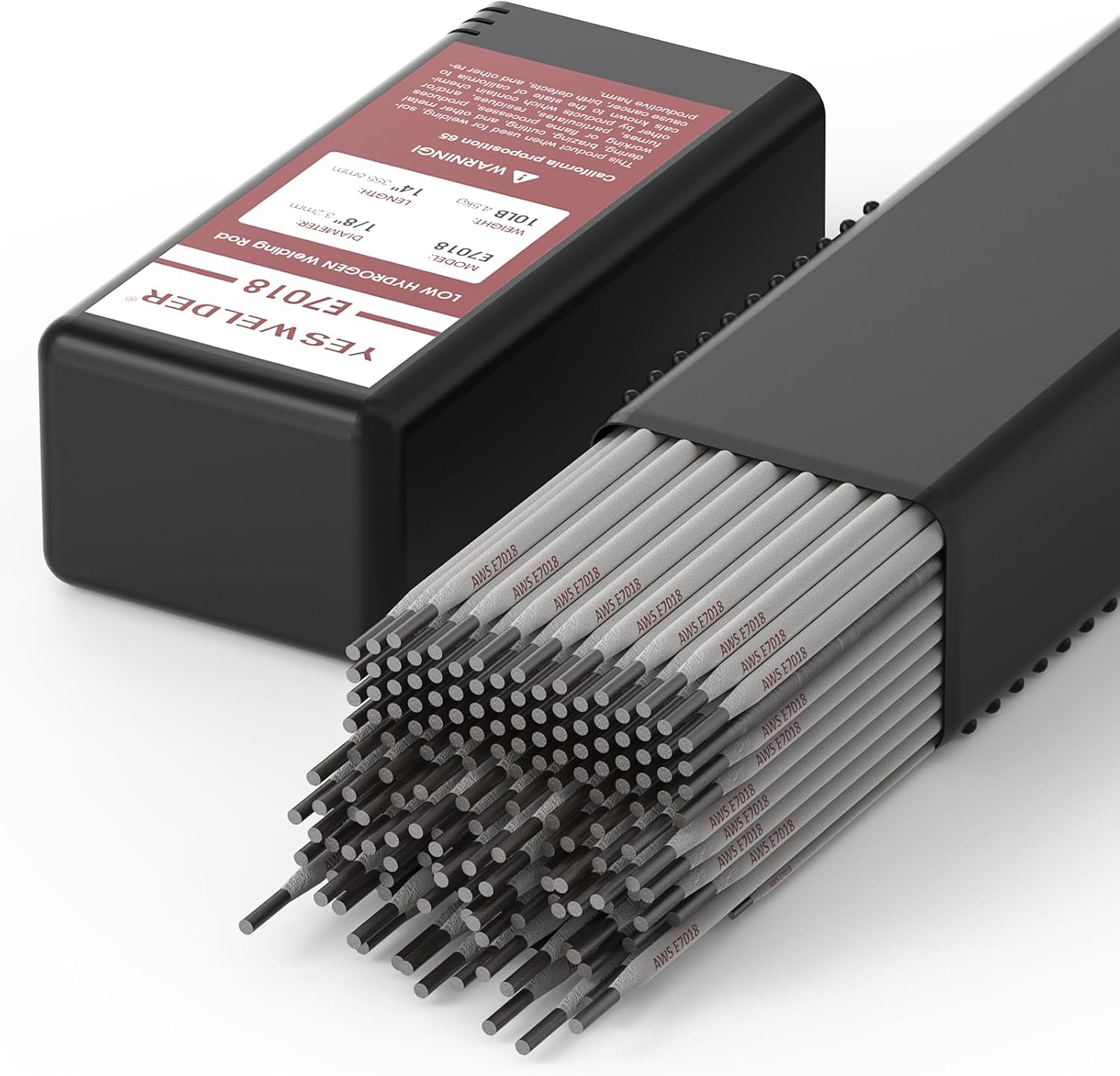
7018 stick welding rods

Yeswelder 7018 Electrode Pack

  • Common 1/8" low-hydrogen rod size
  • Useful baseline for rod-count estimates
  • Practical stock box for SMAW jobs
View on Amazon →
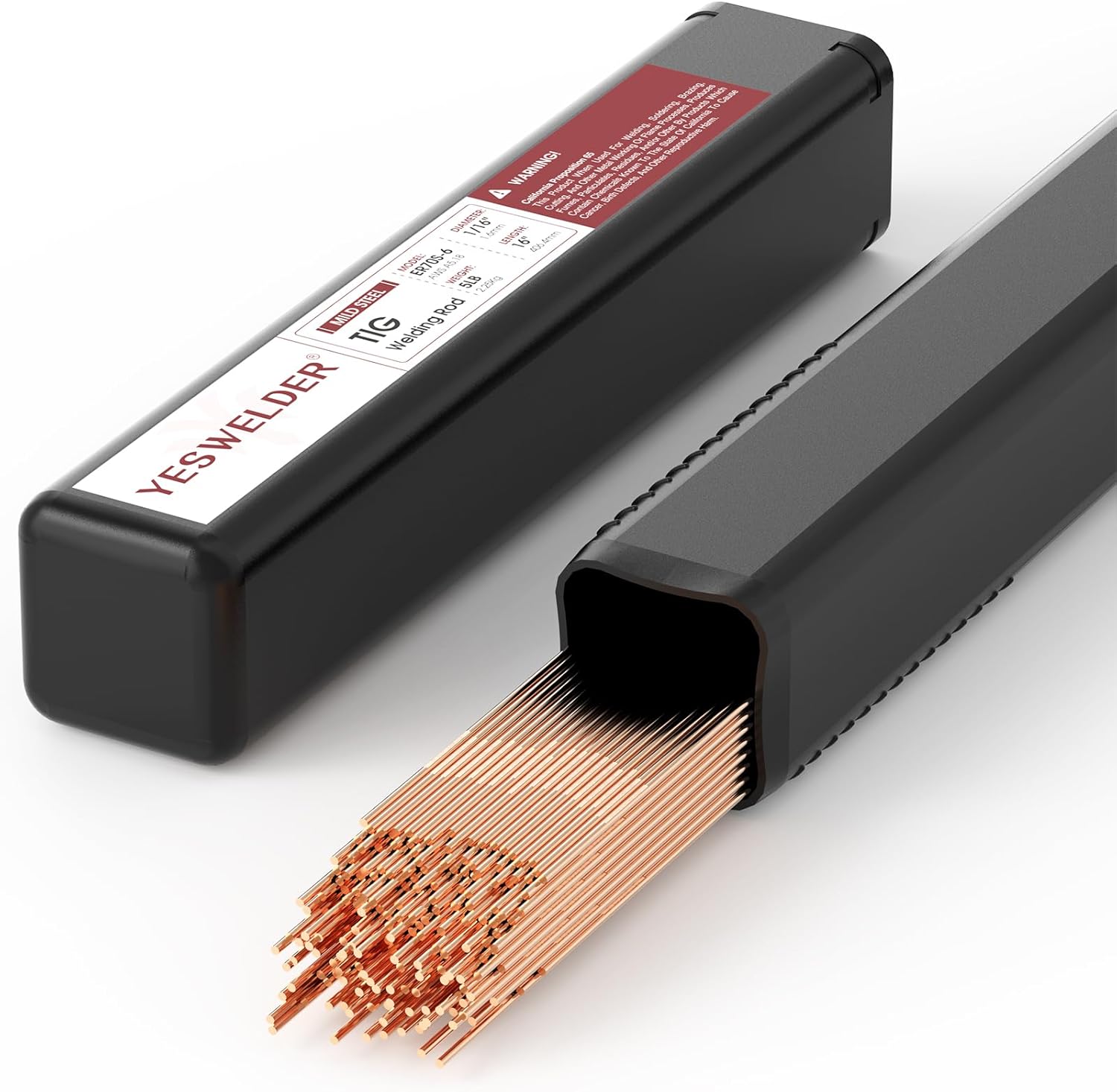
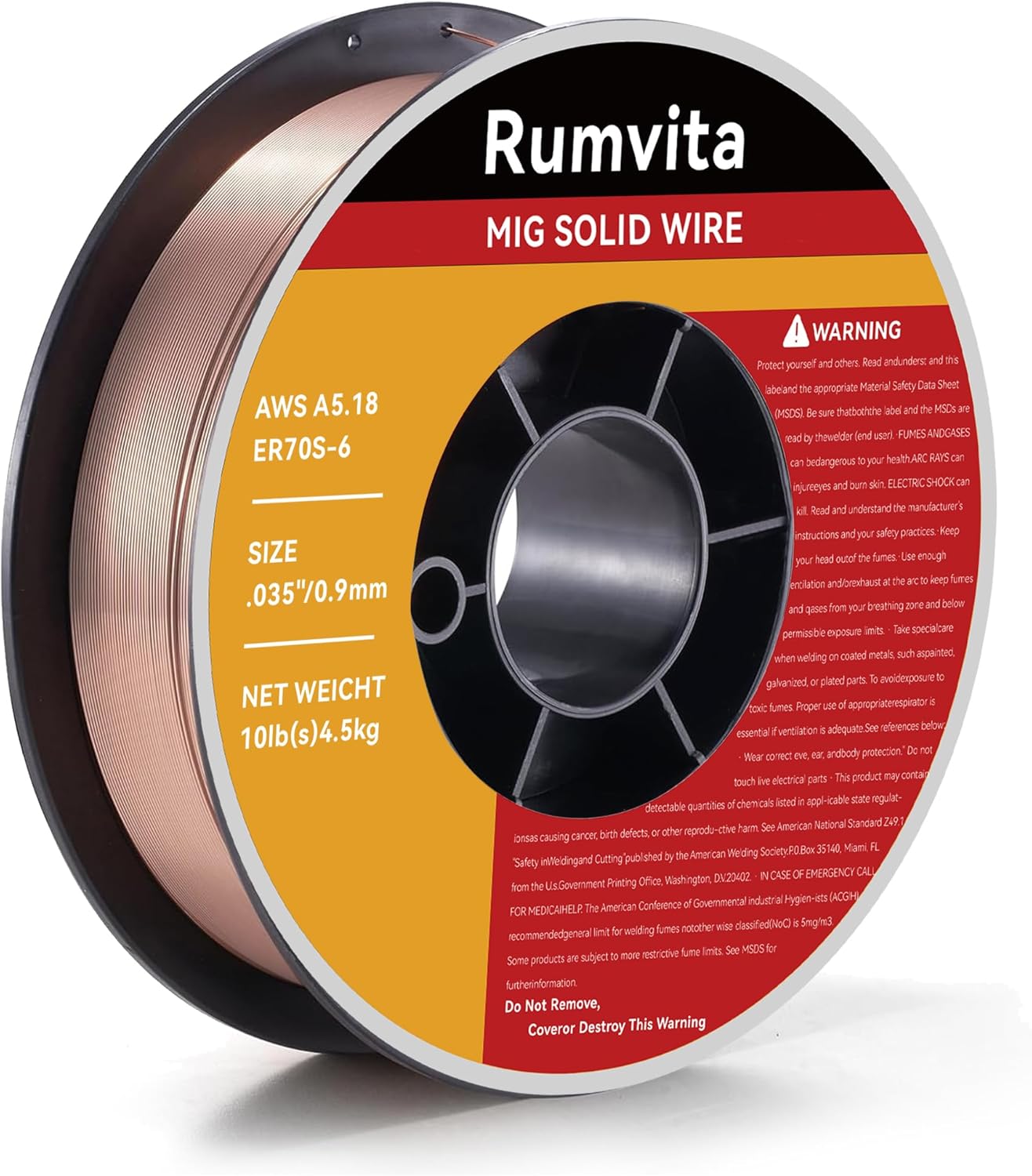
ER70S-6 TIG filler rods

Yeswelder ER70S-6 TIG Filler Rods

  • Supports TIG filler weight planning
  • Multiple diameters to match setup
  • Handy for rod-count conversion
View on Amazon →
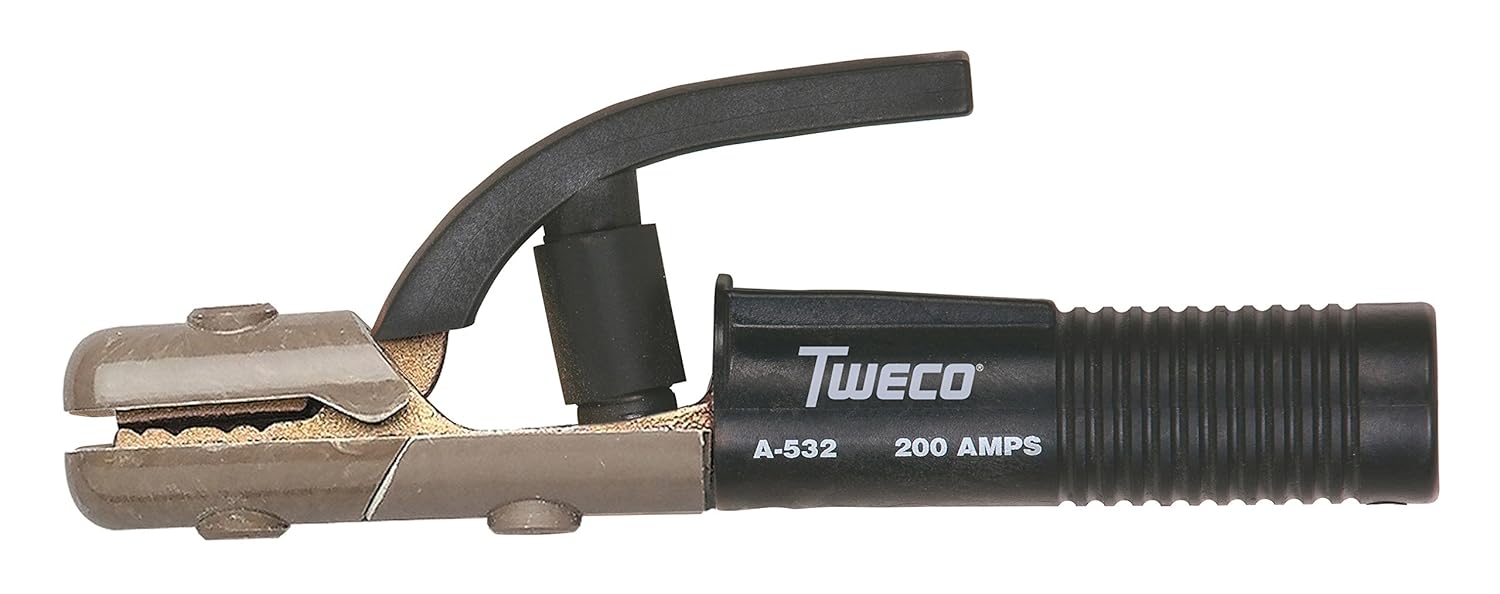
Tweco electrode holder

Tweco Professional Electrode Holder

  • Fits common stick rod diameters
  • Heavy-duty jaws for production runs
  • Useful with high rod-consumption jobs
View on Amazon →
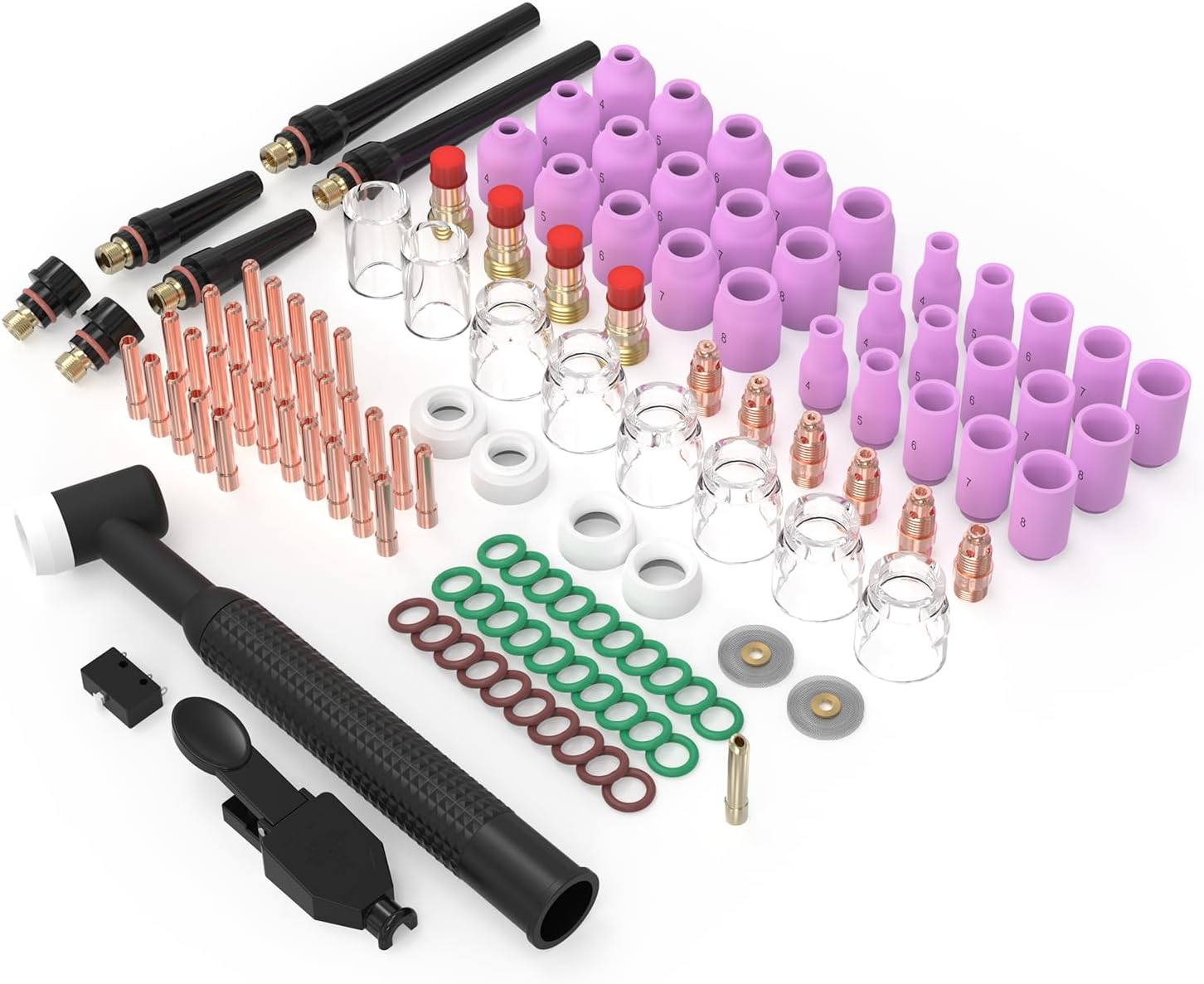
TIG consumables kit

Complete TIG Consumables Kit

  • Cups, collets, and tungsten assortments
  • Pairs with long-run filler planning
  • Good backup stock for shop downtime
View on Amazon →

As an Amazon Associate, TestTalkHQ earns from qualifying purchases.

How to Use This Calculator

Select process, weld length, joint type, weld size, consumable diameter, deposition efficiency, and current material price. The calculator estimates material amount and consumable cost from weld volume and process efficiency assumptions.

Understanding the Result Blocks

  • Material Needed: pounds for MIG/TIG, rod count for Stick.
  • Total Material Cost: direct consumable estimate from your price input.
  • Weight Per Foot: deposited metal intensity for comparing weld plans.

Planning Tips

Use a 15-20% safety margin for startup waste, cutoffs, repairs, and practice welds. Keep process defaults realistic: MIG around 95% efficiency, Stick around 65%, TIG around 90%.

Pro tip: Keep past jobs with actual consumable usage and compare against this estimator to tighten quotes over time.

→ Wire & Electrode Consumption Guide

What this calculator does

Estimate how much MIG wire, stick electrodes, or TIG filler you need before you quote a job or hit the supply house. It uses weld length, joint type, and weld size to calculate metal volume, then applies deposition efficiency so you are not buying spools or rods based on guesswork. Cost fields turn pounds or rod counts into a consumables line item for bids and change orders.

What each input means

  • Welding process: MIG, TIG, stick, or flux-core—each changes how filler is measured (pounds vs rods) and typical efficiency.
  • Total weld length: Sum of all beads on the job in inches; measure layout or use drawing scale for multiple passes if you enter one pass at a time.
  • Joint type: Fillet, groove, or other geometry that drives how much metal fills the joint.
  • Fillet leg size / weld size: Throat or leg dimension in inches—the main driver of cross-sectional area per inch of length.
  • Wire or electrode diameter: Matches what you run on the machine; used with process defaults for stick rod counts.
  • Deposition efficiency: Percent of filler that actually lands in the weld (typical 90–98% for wire processes, lower for stick).
  • Material cost: Price per pound for wire or per rod for stick; feeds the total consumable cost in results.

Using the results on the job

Add 10–15% to the calculated weight for stubs, bird nests, and practice coupons before you order. For long production runs, compare one shift’s actual usage to the estimate and adjust efficiency on the next bid. Keep rod and wire type on the traveler so the numbers stay traceable when someone else finishes the job.

Multi-pass welds need each pass counted in total length or run the calculator once per pass and sum the results. Stick jobs priced per rod should match the rod count output to your electrode box size so you are not buying cases mid-week. Pair this estimate with gas and power calculators on large structural work for a fuller consumables picture.

Get WeldKit on Google Play