Weld Joint Design Calculator
Groove angle, root opening, throat size & weld volume
Calculate joint dimensions for butt, T, corner, lap, and edge welds — groove depth, effective throat, cross-section area, and filler volume per inch. Defaults follow AWS D1.1 Table 3.3 recommendations.
Pair with our Fillet Weld Strength Calculator, Preheat Temperature Calculator, and Heat Input Calculator. Browse more free welding calculators.
⚡ Recommended Joint Prep & Welding Gear
Grinders, PPE, and shop tools for groove prep, fit-up, and multi-pass welding
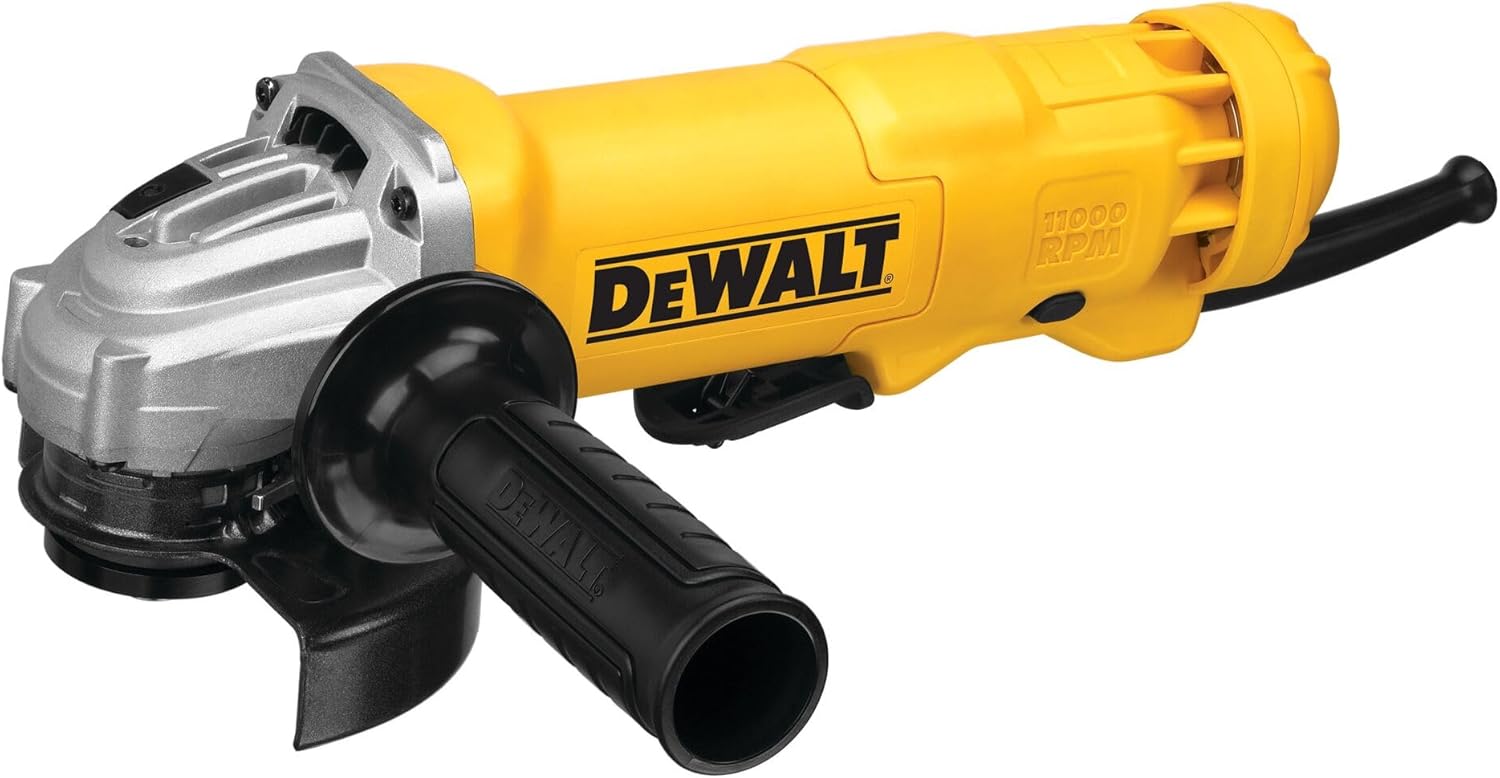
DEWALT Angle Grinder 4.5 Inch 11 Amp
- Bevel and groove plate edges
- 11 amp motor for heavy prep
- Essential for V-groove fit-up
- Deburr root faces quickly
- Shop standard for weld prep
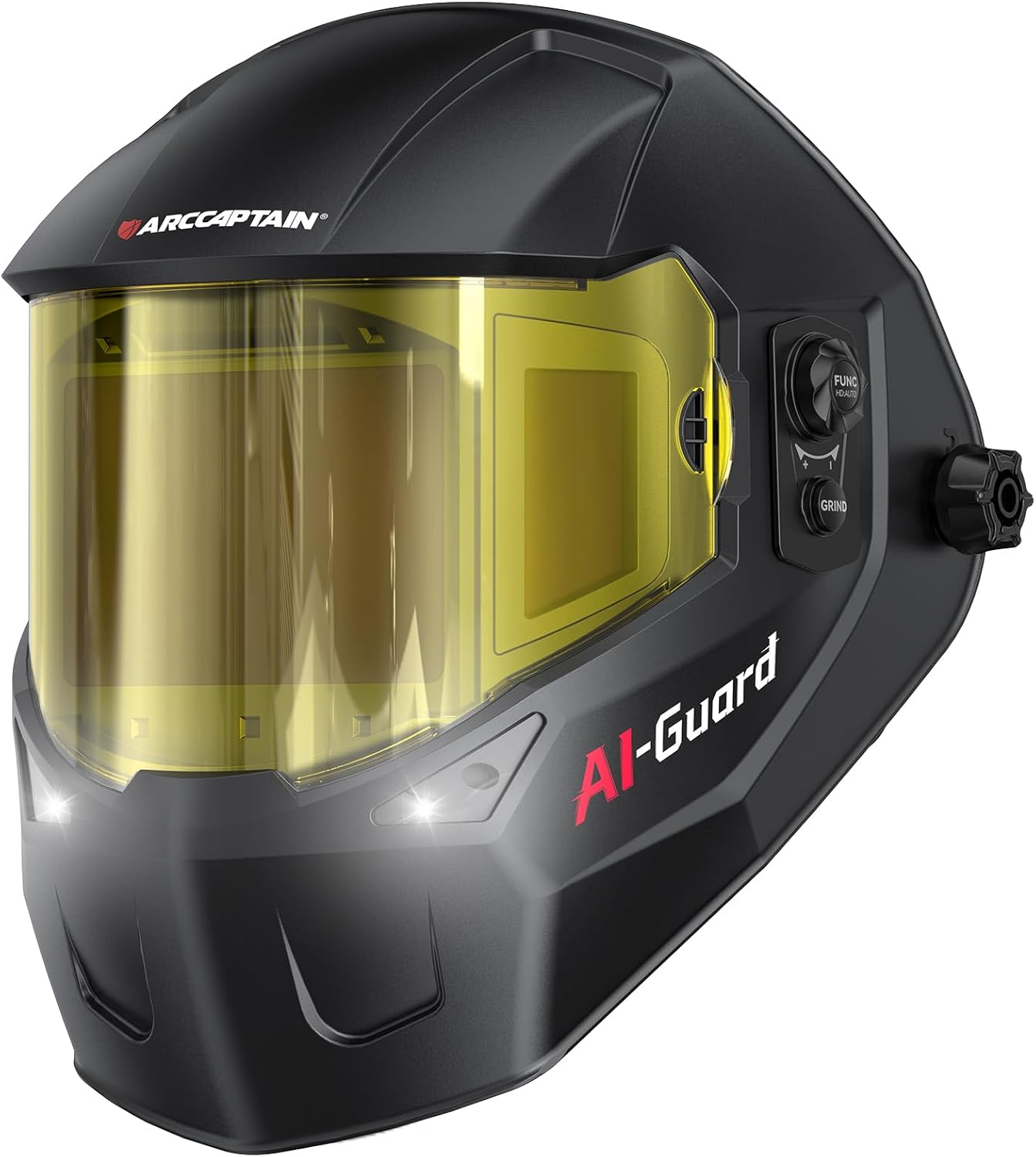
ARCCAPTAIN 180 Panoramic Welding Helmet
- Wide view for groove alignment
- True-color lens for root passes
- Comfortable for long fit-up
- See joint gap clearly
- Multi-process PPE
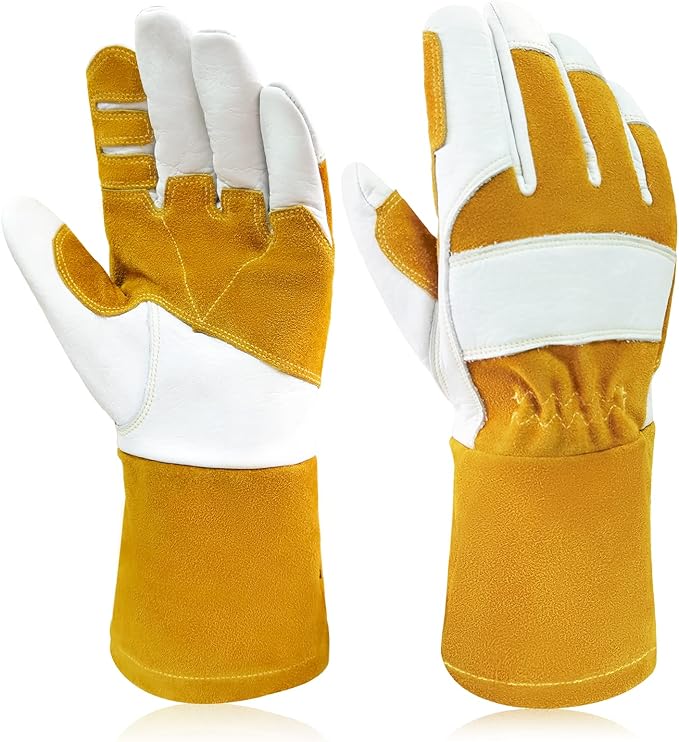
Intra-FIT Cowhide MIG Welding Gloves
- Heat-resistant cowhide leather
- Good dexterity at the joint
- Comfortable for long welds
- Protects during multi-pass work
- Shop favorite for fab
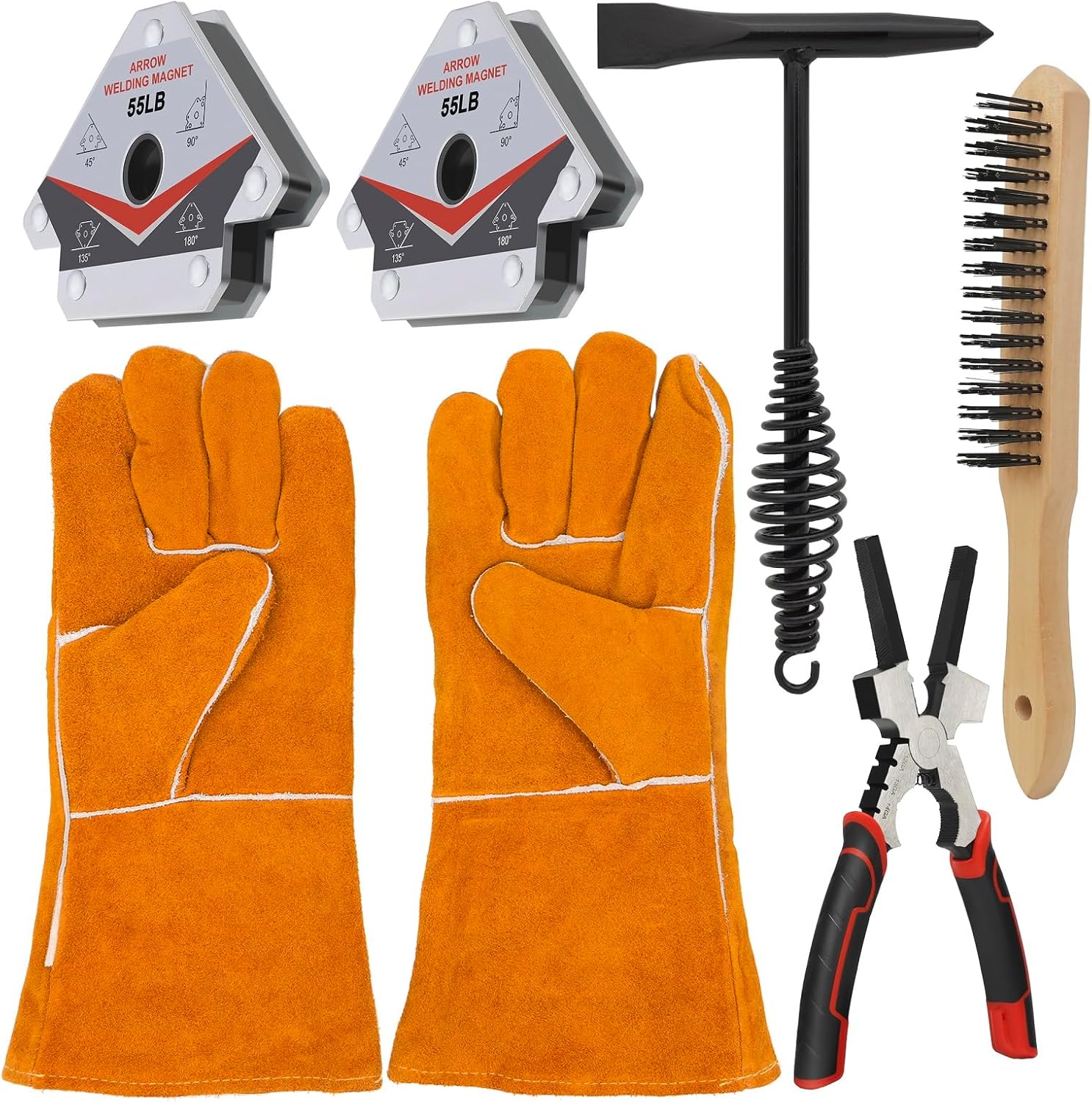
VASTOOLS Welding Accessories 6pc Set
- Chipping hammer & wire brush
- Slag cleanup between passes
- Magnetic squares & pliers
- Complete starter kit value
- Field-ready carry pouch
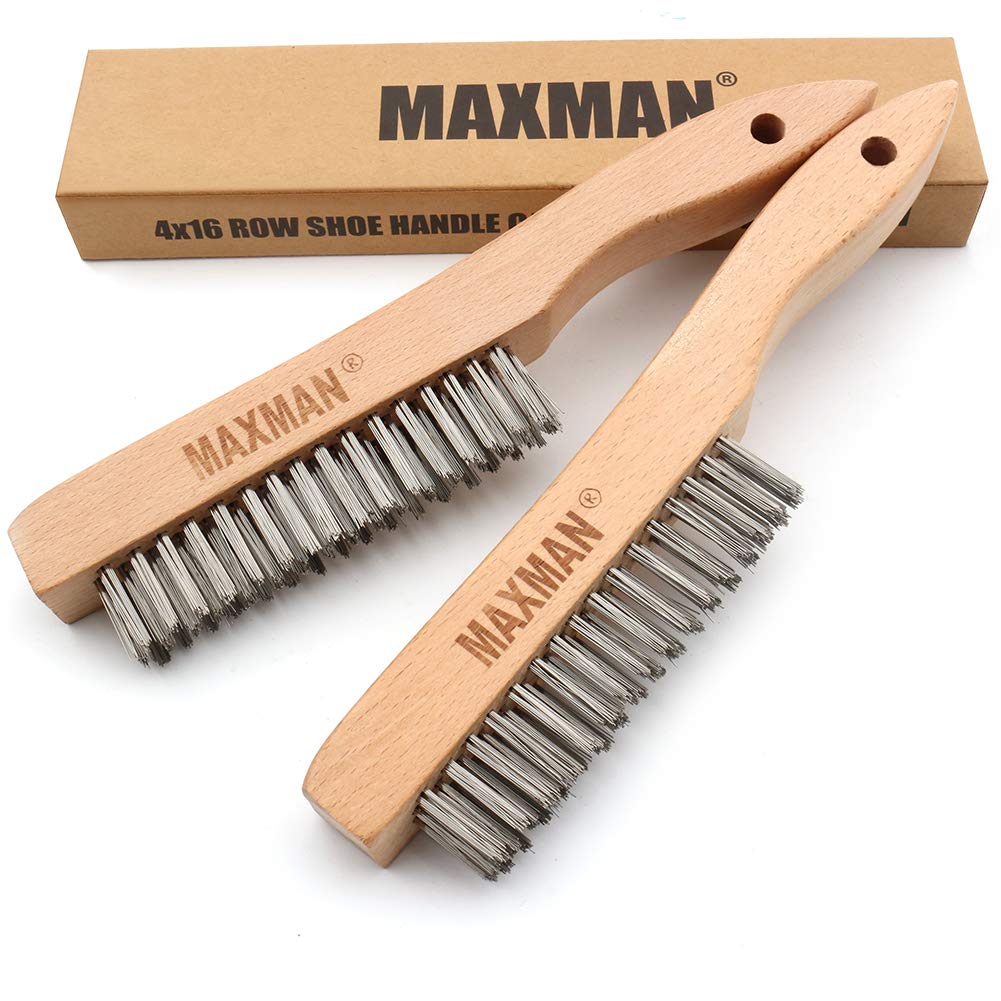
MAXMAN Wire Brush Heavy Duty Stainless 2-Pack
- Clean groove faces before welding
- Stainless bristles for tough scale
- 10-inch handle for leverage
- 2-pack shop value
- Prep root and bevel faces
As an Amazon Associate, TestTalkHQ earns from qualifying purchases.
Joint Type vs Weld Type — What's the Difference?
A joint type describes how two pieces of metal are positioned relative to each other — butt, T, corner, lap, or edge. The weld type describes the shape of the weld groove used to join them — fillet, V-groove, bevel, U-groove, and so on.
One joint type can use multiple weld types. A T-joint for example can be welded with a fillet, a single bevel groove, or a J-groove depending on the strength and penetration required.
When to Use a Groove Weld vs a Fillet Weld
Fillet welds are the most common — they're fast, require no joint prep, and work well for T-joints and lap joints under moderate load. Groove welds are used when full joint penetration (CJP) is required for maximum strength, typically in structural, pressure vessel, or pipe applications.
CJP groove welds achieve 100% joint efficiency per AWS D1.1. Fillet welds are limited by throat size and are less efficient under tension perpendicular to the weld axis.
Groove Angle and Root Opening — Why They Matter
Groove angle determines how much access the welder has to the root of the joint. Too tight an angle means poor fusion at the root — too wide means more filler metal, more heat, and more distortion.
Root opening provides space for the root pass to achieve full penetration. Root face prevents burn-through on the first pass. AWS D1.1 specifies acceptable ranges for each groove type — the defaults in this calculator follow those tolerances.
Joint Efficiency and Design Strength
Joint efficiency is the ratio of weld strength to base metal strength. A full penetration groove weld in tension has 100% joint efficiency — it's as strong as the base metal. A fillet weld's efficiency depends on its throat size and loading direction.
Welds loaded in shear along the weld axis are stronger than those loaded in tension perpendicular to the axis. For critical structural work, always design to the throat, not just the leg size.