
Starrett Digital Caliper
- Checks OD and wall quickly
- Supports accurate fit-up
- Useful at receiving and fab bench
Calculate total weight and weight per foot from outer diameter, wall thickness, length, and material density.
Measure accurately, prep clean cuts, and handle heavy stock safely.
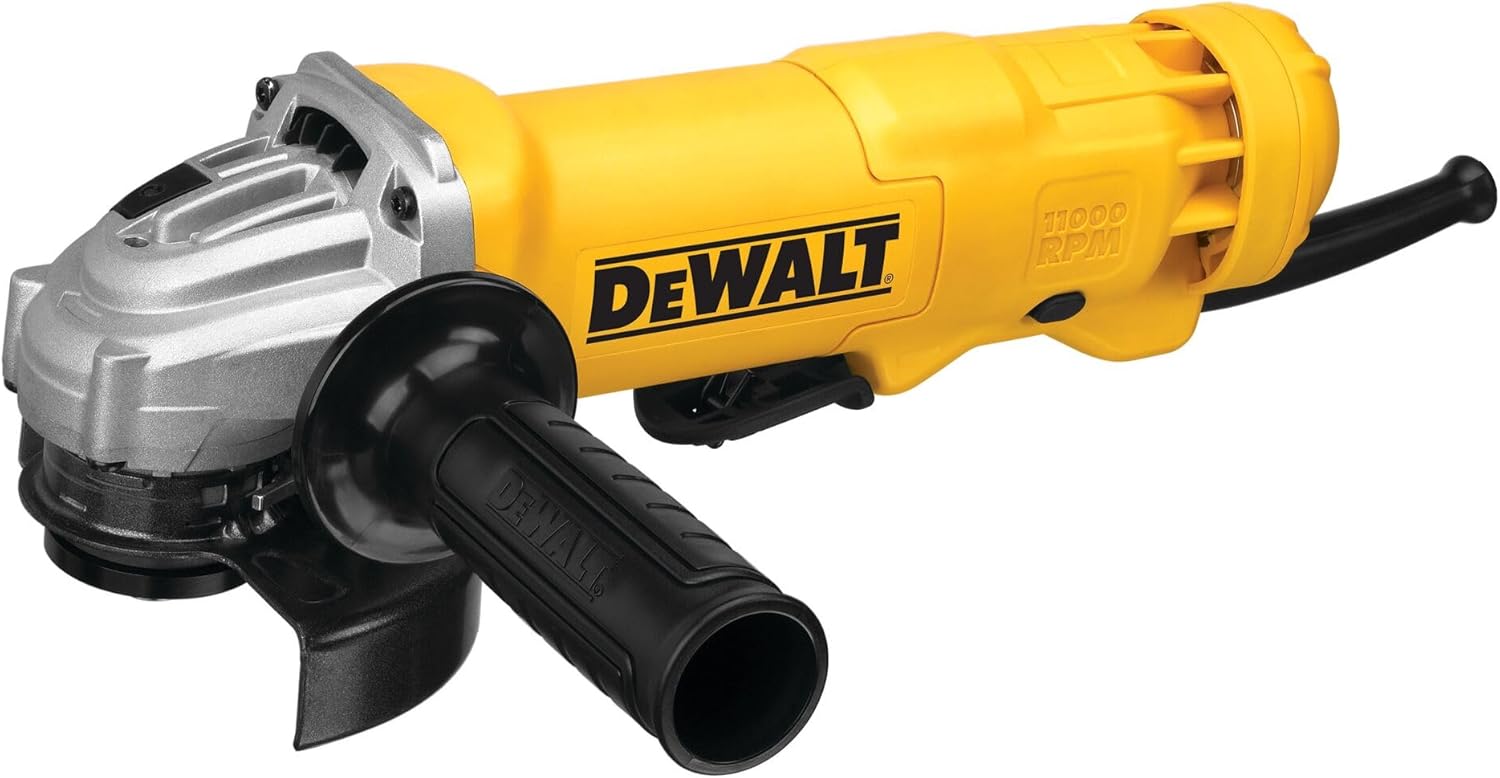

Enter outer diameter (OD), wall thickness, and total length, then select material and output units. The calculator uses standard tube weight formulas with material density built in. Use actual measured OD and wall — not nominal pipe name alone — because schedule and manufacturing tolerance shift real dimensions.
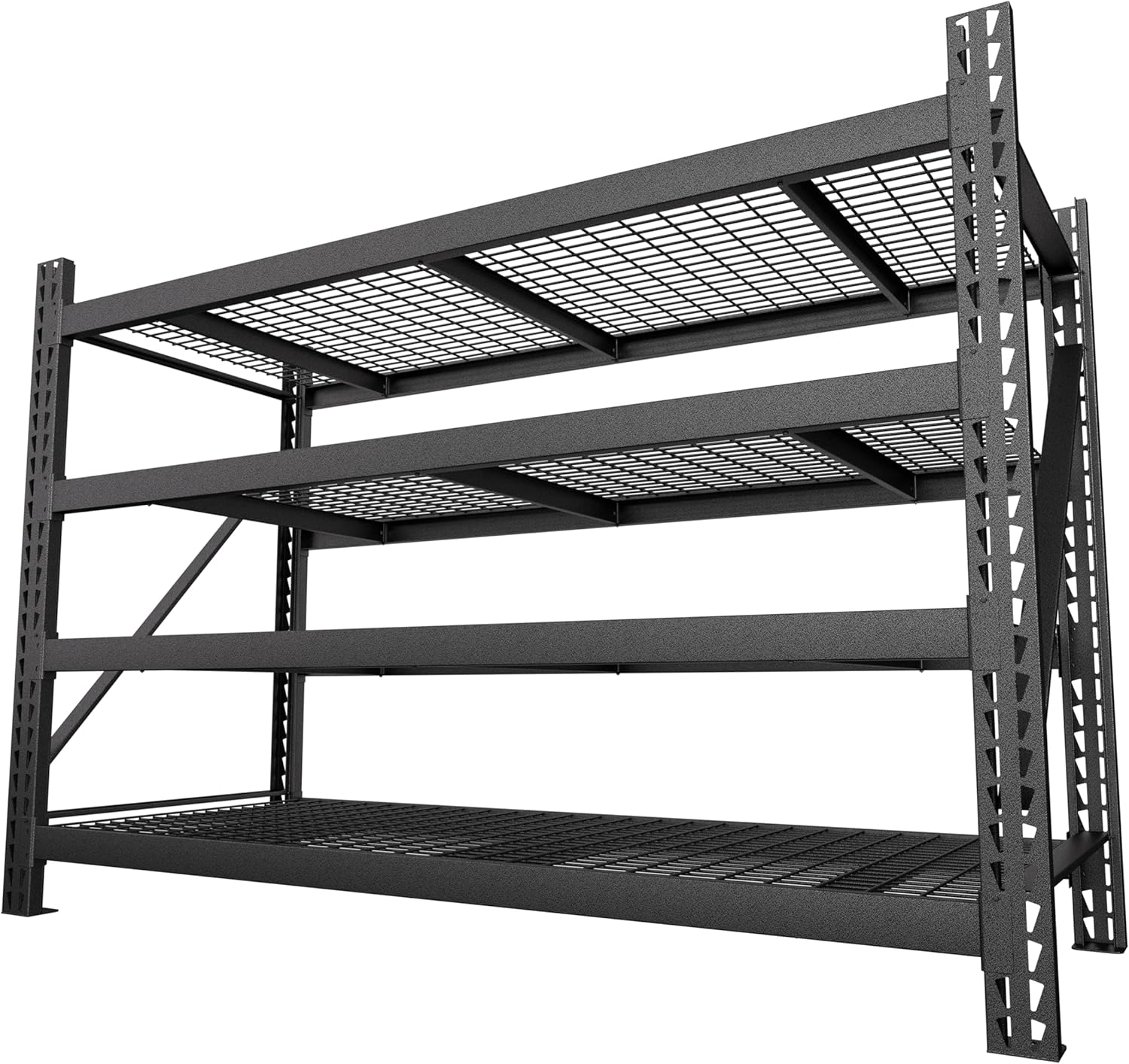
Weight per foot drives shipping quotes, rack loading, crane picks, and manpower planning before you cut or weld. Underestimating a 20-foot stick of heavy wall pipe is how shops get surprised at the loading dock.
Yes. Material density changes automatically based on the selected option. Stainless runs heavier than mild steel at the same dimensions; aluminum runs roughly one-third the weight of steel.
No. It is for weight estimation only. Load capacity, deflection, and code compliance still require engineering review when structures depend on the tube or pipe.
Calculator lb/ft looked right but NPS, schedule, or alloy still disagree with the yard: Pipe & Tube Weight Troubleshooting. Formulas and schedule tables: Pipe & Tube Weight Guide. Which tool to open: Metal Weight vs Pipe/Tube.
Use weight estimates alongside our other metal planning tools when you are quoting jobs or staging material for a fab week.
Pipe schedule (Schedule 40, Schedule 80, and so on) is a standardized wall thickness system tied to nominal pipe size — not a direct decimal you can assume without a chart. Higher schedule numbers mean thicker walls and more weight per foot at the same nominal size. Schedule 80 on a given NPS size weighs significantly more than Schedule 40 because the wall is thicker even though the nominal name is the same.
Structural tube (HSS, mechanical tubing) is usually specified by actual OD and wall thickness in decimal inches — not schedule. Mixing the two systems on a PO is a common source of wrong material at the job site. Always verify whether your spec refers to pipe schedule or tube wall before ordering, and use measured OD and wall in this calculator for the most accurate weight.
Metal Weight Troubleshooting — Scale mismatch, density errors, scrap blowouts.
Metal Weight vs Pipe/Tube — Which calculator for plate vs pipe.
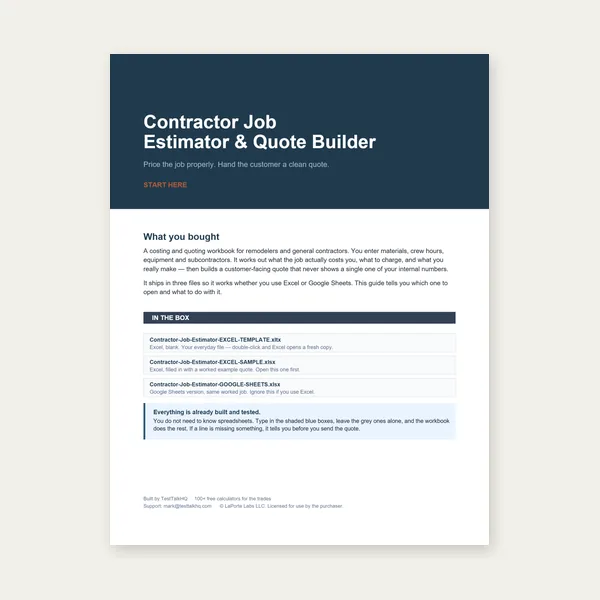
Price remodels and GC work, then send a quote with no internal numbers.
Excel or Google Sheets. Best on a computer.
$29.00
BuyCheckout opens in a new tab.
Calculate total weight and weight per foot for round pipe and tube from outer diameter, wall thickness, length, and material. Outputs in pounds or kilograms help with shipping quotes, crane picks, and rack loading. A reference table of common sizes is included for quick sanity checks against your entered numbers.
Plan lifts and rigging from total weight before cutting long sticks—tube gets awkward fast. Weight per foot is handy for partial lengths and for comparing two wall schedules on a quote. Add margin for mill scale, galvanizing, or internal coating when you are near equipment limits. For structural work, this tool estimates mass only; deflection and load capacity still need engineering review.
Nominal pipe names do not replace OD and wall—measure the piece you will weld. Compare calculator output to the reference table row closest to your size as a double-check. For shipping, round up total pounds to the next pallet class and note alloy on the bill of lading; mixed-density loads confuse freight scales if labels are vague.
After cutting, re-weigh one random stick on a floor scale during receiving—catches supplier wall tolerance drift before you build a frame near the crane limit. Use weight per foot in spreadsheets when you price railing or chassis tube by the linear foot instead of by the stick.