Contractor Job Estimator
Price remodels and GC work, then send a quote with no internal numbers.
Excel or Google Sheets. Best on a computer.
$29.00
BuyDiagnose NPS traps, schedule mix-ups, pipe-vs-tube sizing, and scale fights — when the calculator already printed lb/ft
Not another density lesson or schedule chart. Pair with the Pipe & Tube Weight Calculator and the pipe/tube weight guide for formulas and schedule tables. This page stays on pipe/tube-specific field failures. Calculator choice forks: which calculator to use. General weight errors: metal weight troubleshooting.

Use this when schedule and alloy look right in the calculator, but lb/ft, freight, or rigging still disagree with the yard scale or the distributor chart.
| Problem | What it usually means | First fix | Next tool |
|---|---|---|---|
| Weight 10× too high | NPS entered as actual OD (1" pipe ≠ 1.000" OD); solid bar selected | Pick NPS + schedule; mic actual OD | Pipe & Tube Calculator |
| Sch 40 number on Sch 80 stock | Wrong schedule row; wall thickness from wrong chart line | Read stencil; confirm Sch 40 vs 80 wall | Pipe/Tube Guide |
| Wall looks right; weight still off | Wall and ID swapped in inputs; ID treated as wall | Mic OD + wall; do not derive wall from guessed ID | Pipe & Tube Calculator |
| Tube spec on pipe chart (or reverse) | Mechanical tubing OD×wall entered as NPS; or pipe called out as HSS | Match PO system: NPS/schedule vs decimal OD×wall | Which Calculator? |
| Systematic ~5–8% density error | 304 selected for CS pipe; mild steel on stainless schedule stock | Read cert / heat mark; fix alloy row | Density Chart |
| Scale > theoretical lb/ft | Mill tolerance heavy side; couplings; water; mill scale; banding | Weigh one dry stick; compare to chart tolerance band | This page §5 |
| Rect tube overweight in calc | HSS modeled as sharp-corner hollow; ignored corner radius | Use actual OD/wall; do not treat as solid minus rectangle | Pipe & Tube Calculator |
What it looks like: Calculator shows hundreds of pounds for a short stick. Crane plan oversized. Quote laughed off the job. Or you typed 2.000" OD for “2-inch pipe” and got a solid-bar nightmare.
Likely causes: Nominal Pipe Size (NPS) treated as decimal OD. Solid round shape selected in the general metal calculator with NPS as diameter. Schedule lookup skipped — wall assumed from memory. Mixing IPS nameplate with mechanical tubing decimals.
Fixes: Use NPS + schedule in the Pipe & Tube Weight Calculator, or enter measured OD and wall from a mic — never the nominal name alone. If the print says “1 Sch 40,” do not invent 1.000" solid. Cross-check OD against the guide schedule table before quoting freight.
What it looks like: Weight per foot is close but consistently wrong by 30–60%. Fit-up fails because ID is tighter than expected. Two sticks with the same NPS name weigh very differently and only one matches the calculator.
Likely causes: Sch 40 chart row used on Sch 80 stock (or XXS/XH confusion). Wall thickness entered where ID belongs, or ID back-calculated wrong from a remembered OD. “Standard wall” assumed without reading stencil. Dual-marked import pipe matched to the wrong ASTM line.
Fixes: Read the stencil: SCH 40, SCH 80, XS, XXS. Mic wall at both ends — mill tolerance can shift real weight. In the calculator, enter wall thickness explicitly; if using ID mode anywhere, verify ID = OD − 2×wall. Schedule reference tables are in the pipe/tube guide — use the row that matches the stencil, not the job nickname.
Wall vs ID: If you typed ID into the wall field, weight explodes or collapses. Mic OD and wall; let the tool derive ID.
Open Pipe & Tube CalculatorWhat it looks like: PO says “2×2×0.120 HSS” but you ran NPS pipe logic. Or print says “1¼-inch tube” and you used 1.25" NPS Sch 40 OD. Weight and fit-up both fail even though “the number on the page” matched.
Likely causes: Structural tube (HSS, mechanical tubing) specified as actual OD × wall in decimals, entered as NPS + schedule. Pipe with coupling-ready NPS/schedule treated as tube with literal OD from the name. Aluminum architectural tube quoted with steel pipe chart habits. Square “tube” on a pipe rack assumed to follow IPS naming.
Fixes: Read the PO system first: NPS/schedule → pipe path; OD × wall (often A500/A513) → tube path with measured decimals. When in doubt, mic and enter what you measured. Decision logic for which tool to open lives on Metal Weight vs Pipe/Tube — do not guess from habit.
What it looks like: Dimensions and schedule match, but weight tracks consistently high or low by ~5–8% on long runs. Cert says A53/A106 and calculator used 304. Or stainless stick run as “steel” default.
Likely causes: Material dropdown left on last job’s alloy. Galvanized or black pipe assumed mild steel when spec is stainless schedule. 304 vs 316 confusion (small delta) masked a steel-vs-stainless swap (large delta). Imported dual-cert stock not matched to the selected density.
Fixes: Read stencil, cert, and color/ magnet check when alloy is unclear. Mild steel ~0.284 lb/in³; 304 ~0.286; 316 ~0.290 — close to each other, not close to aluminum. Fix the alloy row in the calculator, then re-run lb/ft. General density mix-ups (plate, scrap, coating) belong on metal weight troubleshooting — this section is schedule stock with the right size but wrong metal family.
What it looks like: Calculator and chart agree, but the platform scale reads heavy (or light) on the same stick. Yard says “your chart is wrong.” Bundles disagree with single-stick math.
Likely causes: Mill tolerance on wall thickness (heavy-side pipe is real). Threaded coupling, flange prep, or welded cap on the weighed length. Water, ice, or mud in ID or on OD. Mill scale and rust not in theoretical math. Weighing banded bundles with dunnage. Comparing published lb/ft to a cut length that includes kerf waste still attached.
Fixes: Weigh one dry, deburred, uncoupled length. Compare to theoretical with a ± tolerance band — ASTM pipe allows wall variation; weight follows wall. For receiving disputes, mic wall in several spots and recompute with max measured wall. Strip banding; drain ID on stored outdoor stick. If scale still disagrees after alloy and dimensions are proven, step back to general checks on metal weight troubleshooting (scrap factor, quantity field, coating).
What it looks like: Rectangular tube weight in a hand spreadsheet or “box minus box” math reads heavier than the calculator or distributor chart. HSS takeoff overweight vs nest weight. Sharp-corner assumption on A500/A513 tube.
Likely causes: Modeling HSS as a solid rectangle minus a smaller rectangle, ignoring internal and external corner radii. Using nominal “2×2” without measured OD and wall. Mixing square tube with pipe schedule tables. Entering flat-to-flat as OD without checking whether the spec is outside or inside dimension.
Fixes: Use measured OD and wall in the Pipe & Tube Weight Calculator hollow inputs — the tool uses standard tube weight math, not sharp-corner billet subtraction. Mic both walls on rect tube; wall can vary slightly on thin HSS. For critical bids, weigh a sample stick after the first delivery. Do not duplicate full HSS tables here — the guide covers shape context.
Two companion pages own the forks this cluster should not restate. Use Metal Weight vs Pipe/Tube when the wrong calculator was opened (solid plate/bar vs schedule hollow). Use Metal Weight Troubleshooting for general density, scrap, coating, and solid-vs-hollow mistakes that are not NPS/schedule-specific. This page owns pipe/tube field diagnostics after you are on the right tool.
Which Calculator? → General Weight Troubleshooting → Pipe/Tube Guide →
Price remodels and GC work, then send a quote with no internal numbers.
Excel or Google Sheets. Best on a computer.
$29.00
BuyCheckout opens in a new tab.
Five CSV catalog picks with verified product images — measure OD/wall, cut and prep stock, weigh sticks, handle safely
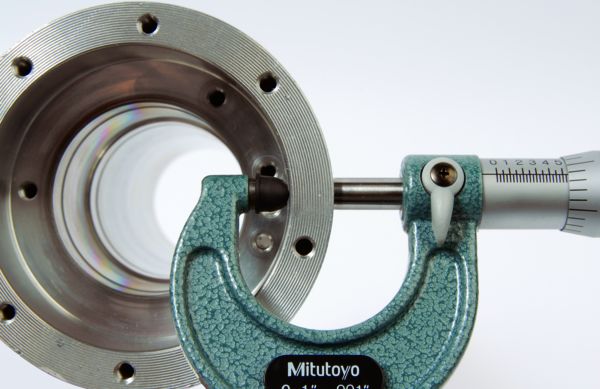
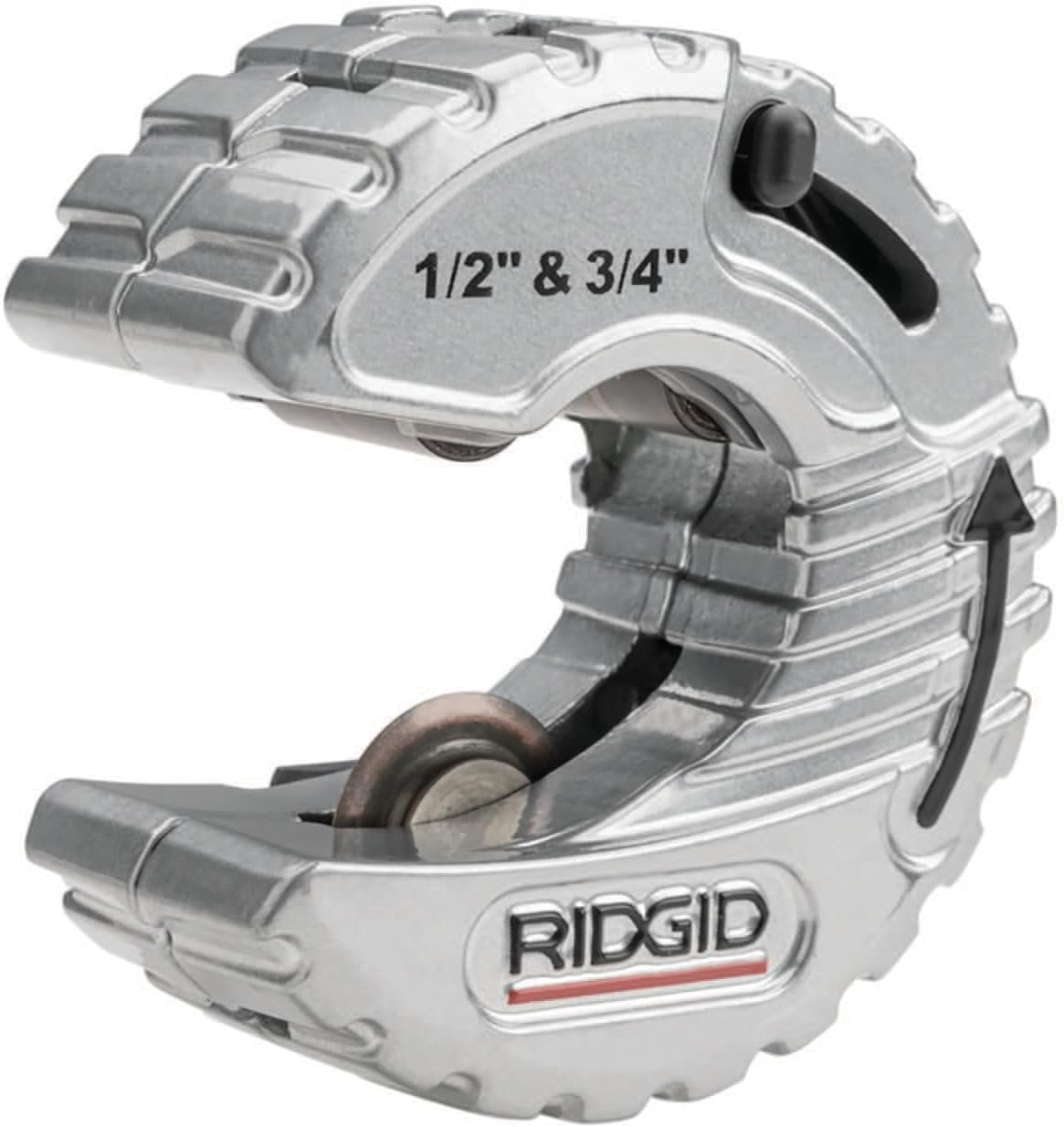
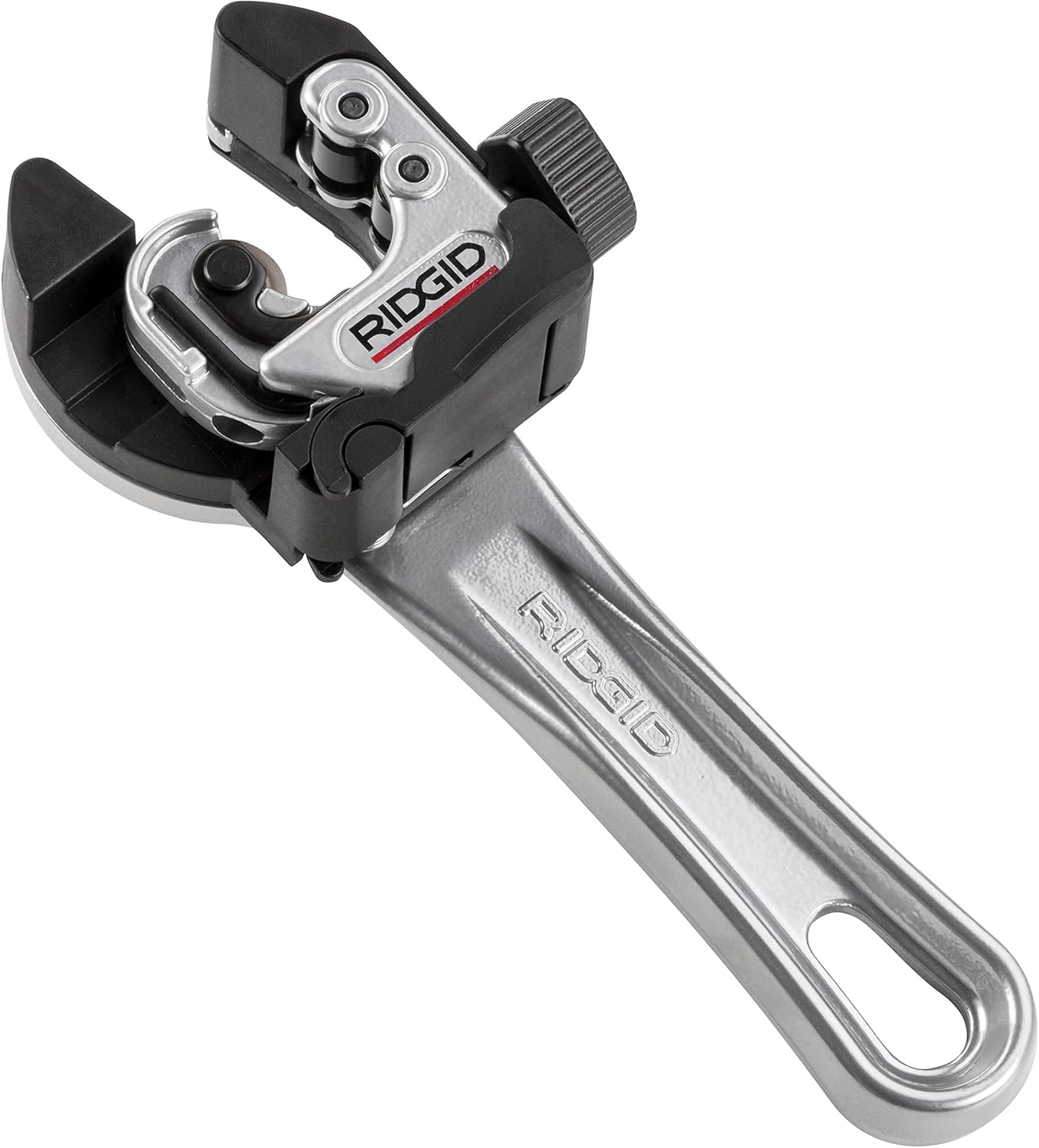
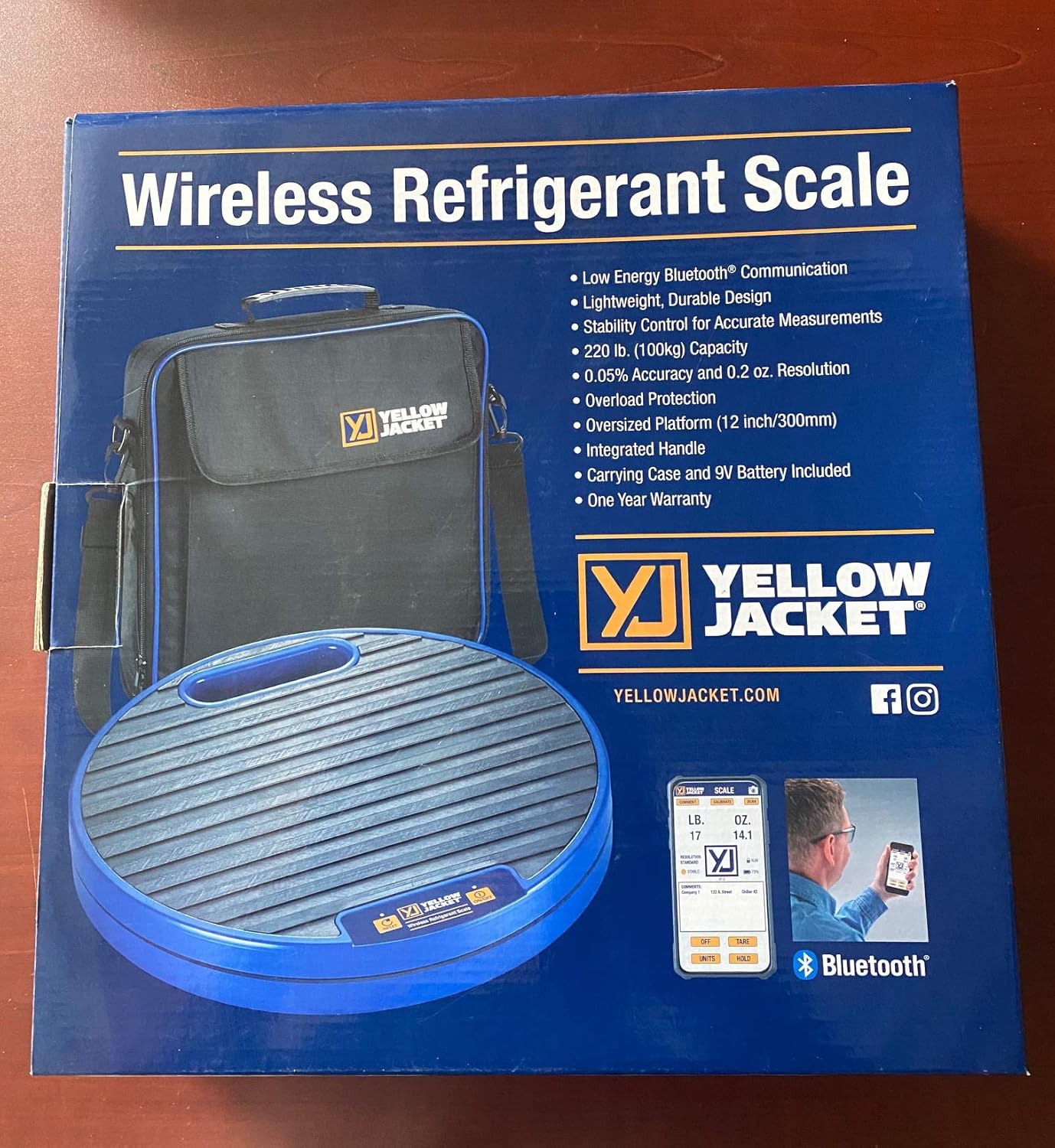
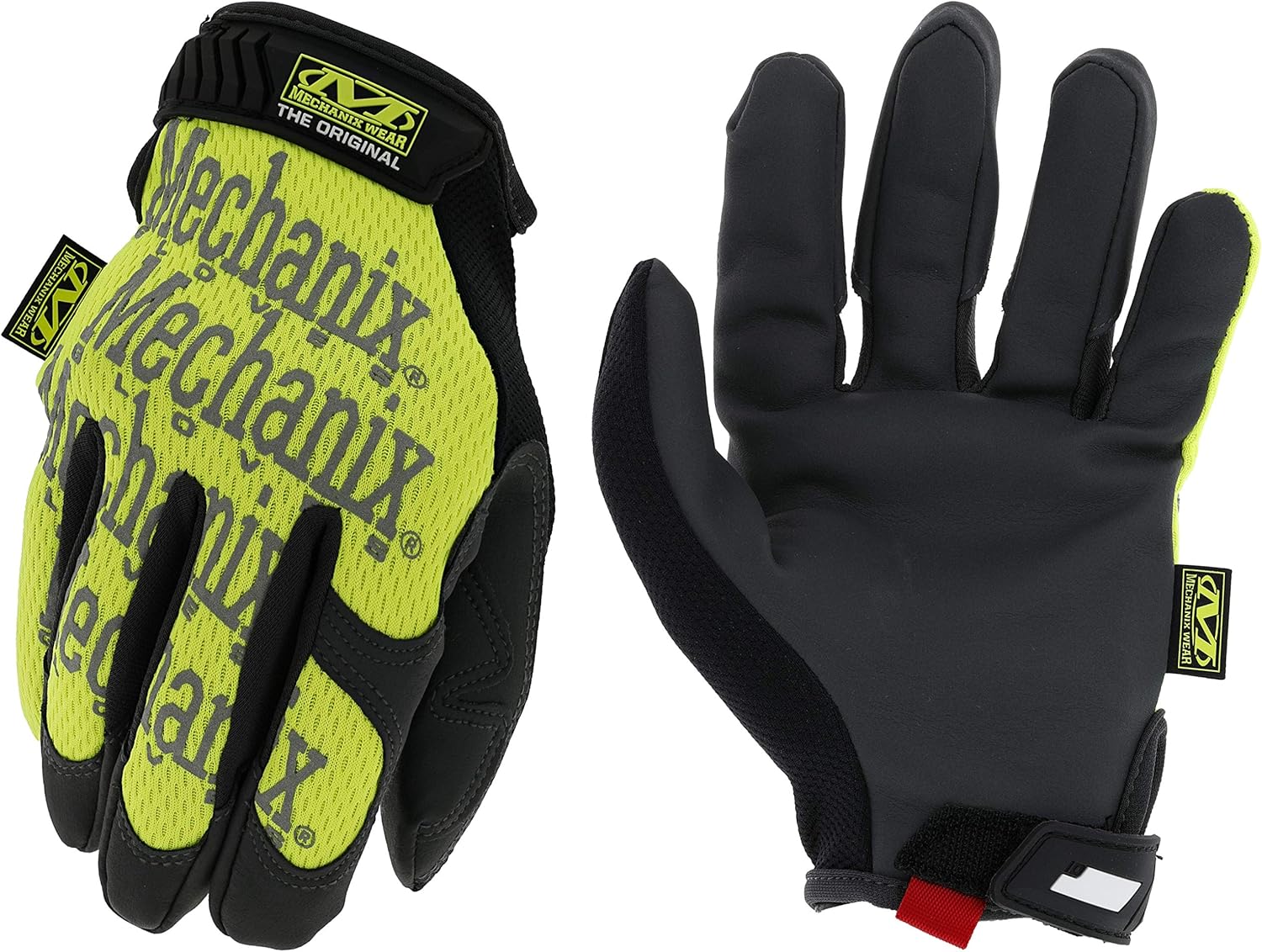
As an Amazon Associate, TestTalkHQ earns from qualifying purchases. All five cards are sourced only from the affiliate CSV with verified images. Catalog gaps flagged by name: TIPRE 660 lb Digital Platform Scale (CSV row 101, NOIMG); Starrett Electronic Slide Caliper (row 100, NOIMG); DIYMAG 350 lb Lifting Magnet (row 98, NOIMG); AUNMAS MT2 live center (row 315, N/A for this cluster).
No. NPS is a nominal name. 1" Sch 40 pipe is about 1.315" OD. Enter schedule + NPS or measured OD — never the nominal inch as decimal OD.
At the same NPS, Sch 80 has thicker wall and higher lb/ft. The exact delta depends on size — use the guide schedule table or mic the wall; do not assume “a little heavier.”
Prefer mic’d wall with OD in the pipe/tube calculator. Swapping wall and ID is a top failure mode. If you only know ID, verify ID = OD − 2×wall before trusting the output.
Schedule/NPS stock → pipe/tube tool with schedule or mic’d OD/wall. Plate/bar/solid → metal weight calculator. See the decision article.
Often mill heavy-side wall, couplings, water, scale, or banding. Weigh one dry uncoupled length and mic wall before blaming the formula.
No. The guide teaches formulas, schedules, and densities. This page diagnoses field failures when inputs looked finished.