⚡ Wire Feed Speed to Amps Calculator

Convert MIG wire feed speed (IPM) to amperage — and amps back to IPM

Embed this calculator Free · no API key · keep the attribution link

Copy the snippet below to embed this calculator on your site. The attribution link must stay intact and dofollow (no rel="nofollow"). Browse all embeddable calculators

<div class="ttq-embed" style="max-width:100%;margin:0 auto;">
  <iframe src="https://testtalkhq.com/embed/wire-feed-speed-to-amps-calculator/?theme=light&utm_source=embed" width="100%" height="980" frameborder="0" loading="lazy" scrolling="no" title="Wire Feed Speed to Amps Calculator — TestTalkHQ" style="border:0;max-width:100%;width:100%;"></iframe>
  <p style="font:400 13px/1.4 system-ui,sans-serif;text-align:center;margin:6px 0 0;">Powered by the <a href="https://testtalkhq.com/wire-feed-speed-to-amps-calculator/?utm_source=embed&utm_medium=referral&utm_campaign=calculator_embed&utm_content=wire-feed-speed-to-amps-calculator" target="_blank" rel="noopener">Free Wire Feed Speed to Amps</a> from <a href="https://testtalkhq.com/?utm_source=embed&utm_medium=referral&utm_campaign=calculator_embed&utm_content=wire-feed-speed-to-amps-calculator" target="_blank" rel="noopener">TestTalkHQ</a></p>
</div>

Welding

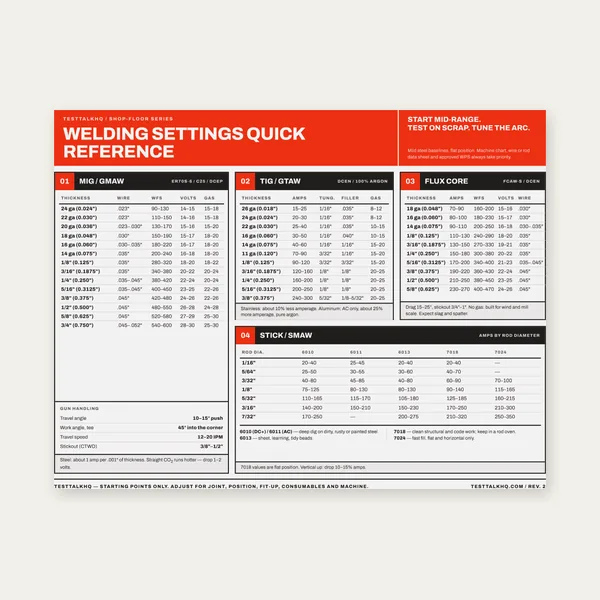
Welding Reference Card

Welding Reference Card

One page. MIG, TIG, stick and flux core settings by thickness.

$3.99

Buy
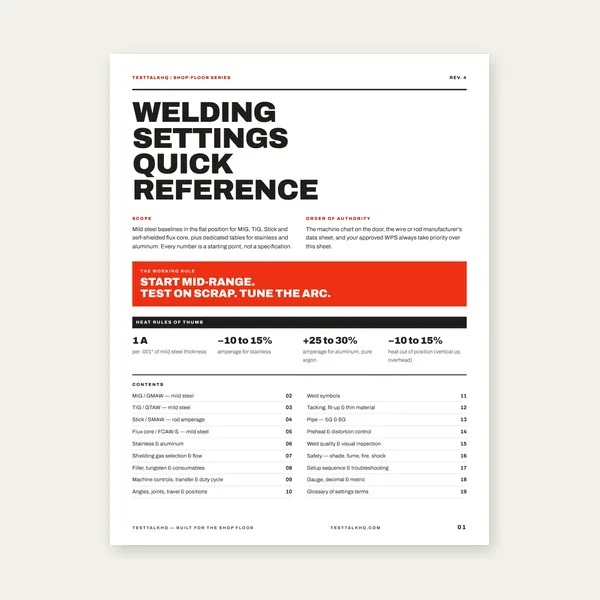
Complete Welding Settings Guide

Complete Welding Settings Guide

19 pages. Four processes, stainless and aluminum, symbols and inspection.

$12.99

Buy
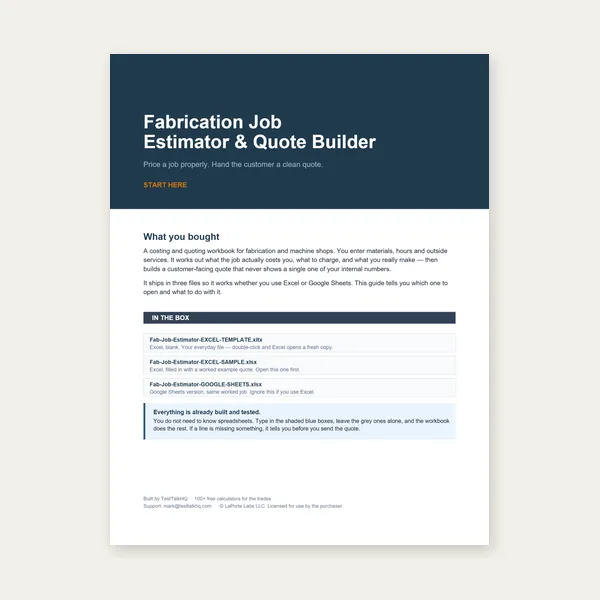
Welding Job Estimator

Welding Job Estimator

Price the job, then hand over a quote with no internal numbers.

Excel or Google Sheets. Best on a computer.

$29.00

Buy
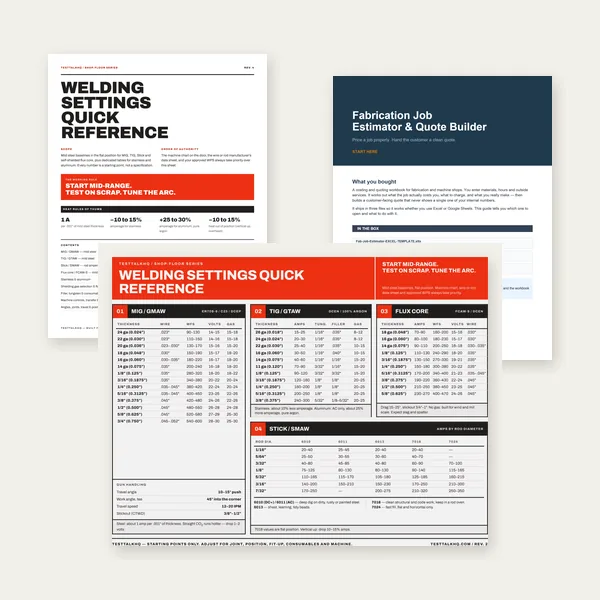
BEST VALUE
Welding Complete Bundle

Welding Complete Bundle

Card, 19-page guide and the estimator workbook. All six files.

Excel or Google Sheets. Best on a computer.

$34.99

$45.98 if bought separately — save $10.99

Buy

See all Welding products

Checkout opens in a new tab.

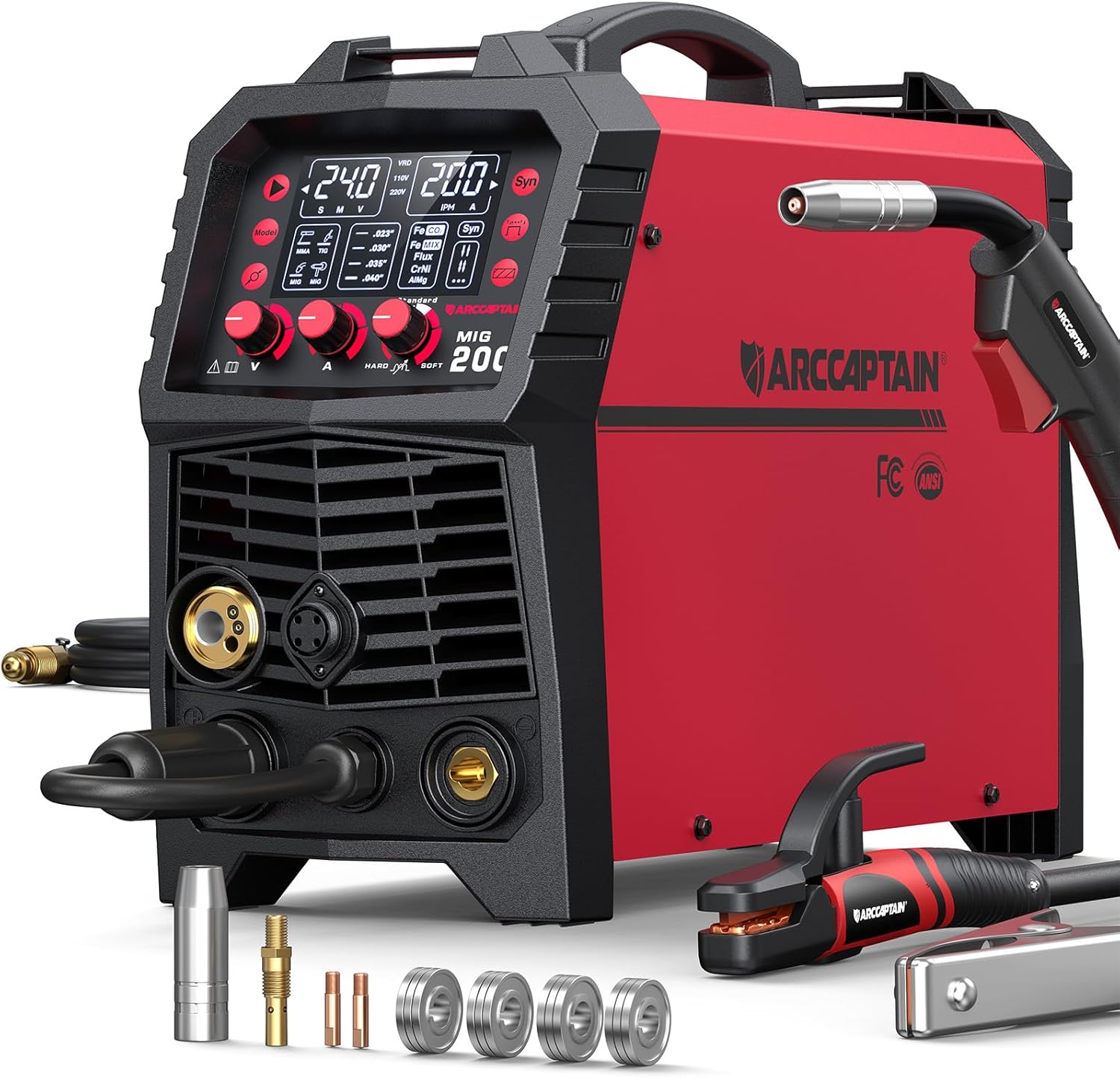
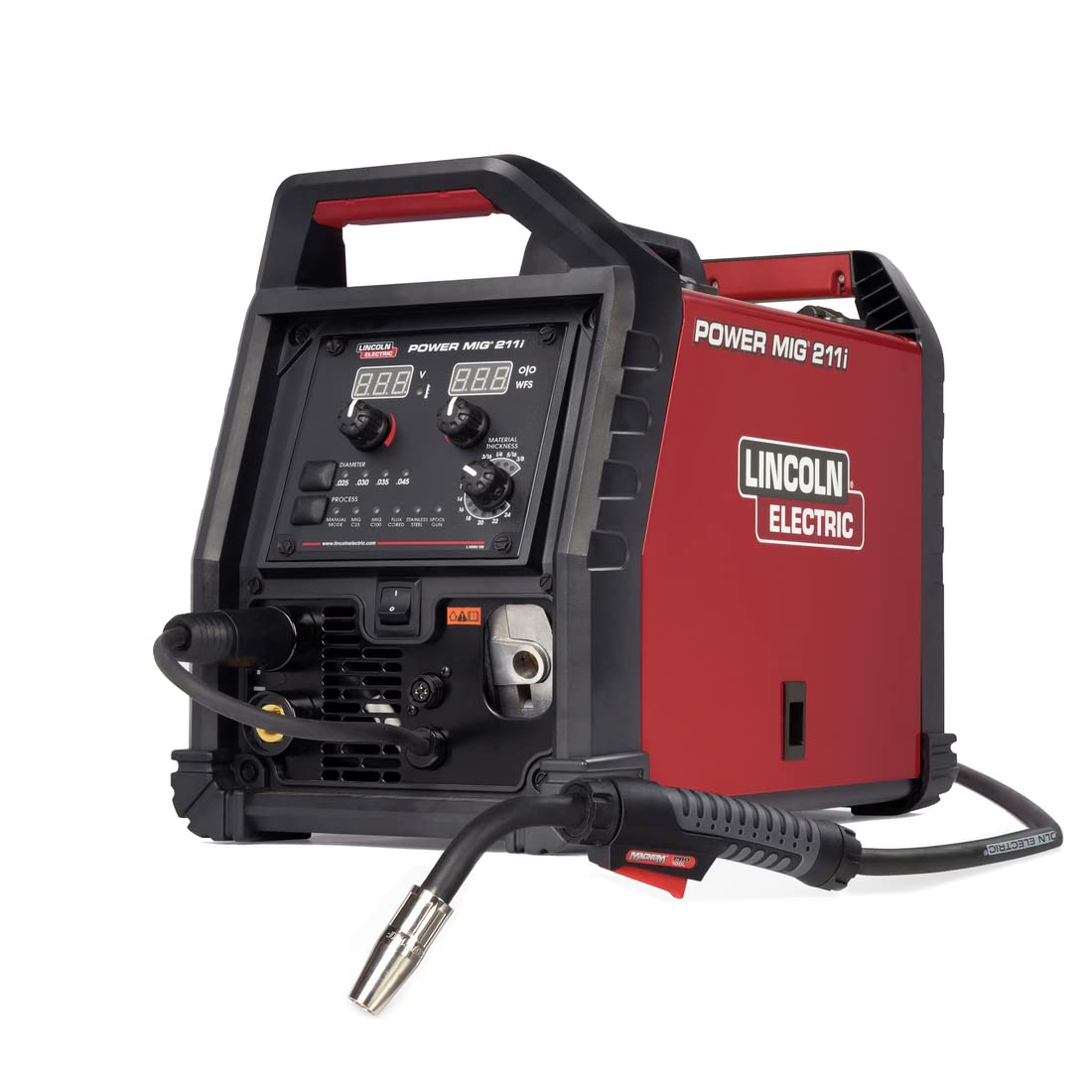
⚡ Recommended MIG Welding Equipment

Machines and wire matched to wire-feed / amperage tuning
Home / light fab Hobart Handler 140 MIG welder

Hobart Handler 140

  • 140A at 20% duty cycle
  • Runs on 115V household power
  • 5-position voltage tap
  • Great for .030–.035 wire
  • Ideal garage starter machine
View on Amazon →
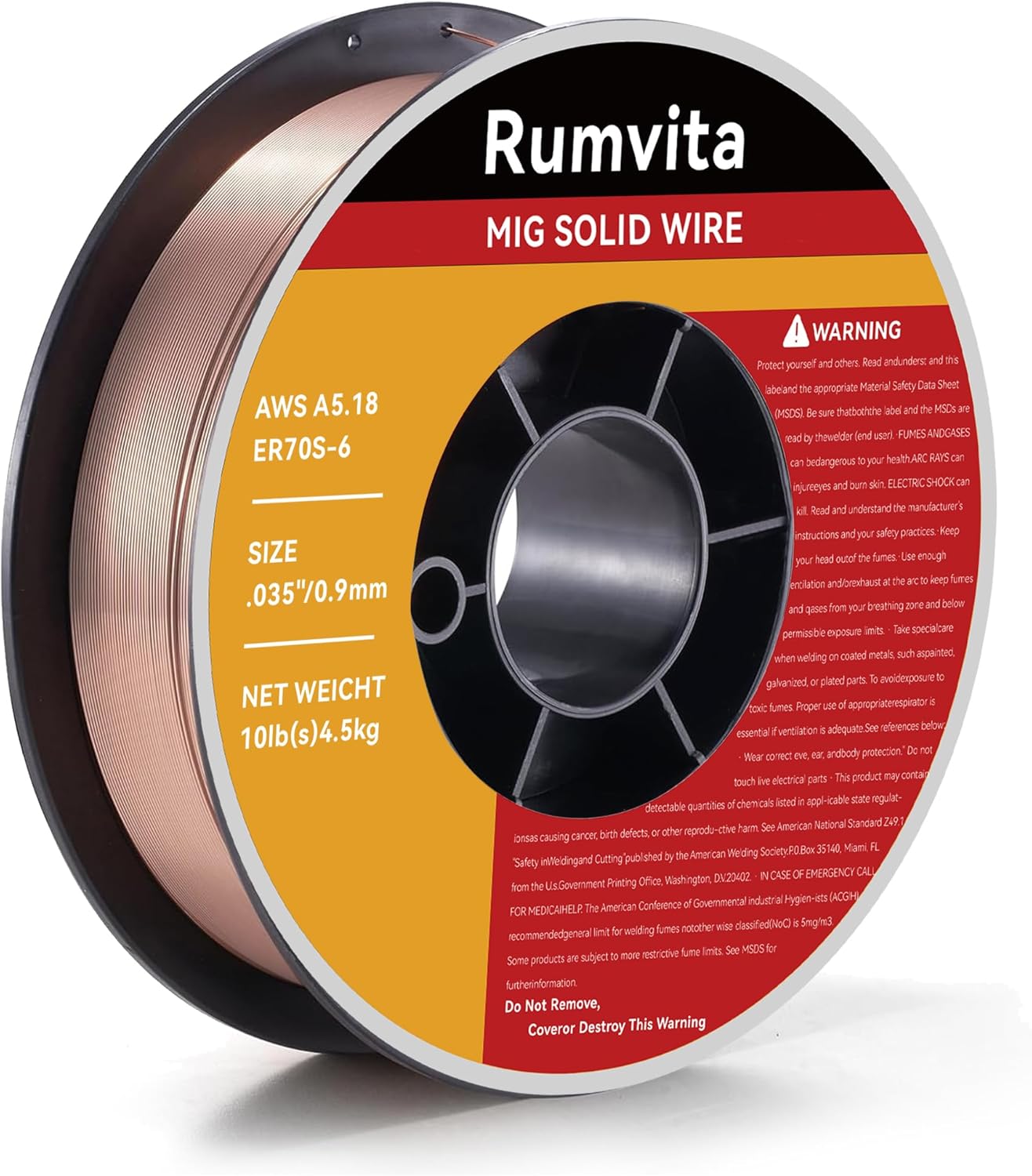
Consumable Lincoln ER70S-6 MIG wire .035 inch

Lincoln ER70S-6 Wire (.035")

  • 10 lb or 25 lb spools
  • .035" everyday steel wire
  • Low spatter, smooth feed
  • Factor 0.57 A per IPM (steel)
  • Keep tips matched to diameter
View on Amazon →

As an Amazon Associate, TestTalkHQ earns from qualifying purchases.

How to Use This Calculator

Choose IPM → Amps or Amps → IPM, select wire diameter and material, then enter your known value. The tool applies the burn-off factor for that wire and estimates matching amperage, a typical voltage window, and a thickness guide based on common MIG schedules.

The Burn-Off Rate Formula

On short-circuit MIG, melting wire draws a predictable current. The relationship is linear:

Amps = IPM × burn-off factor  |  IPM = Amps ÷ burn-off factor

The factor depends on wire diameter and alloy (steel vs stainless vs aluminum). Example: 0.035" mild steel uses 0.57 A per IPM — so 350 IPM ≈ 200 A. Your welder display may read slightly different; use this as a starting point, then tune by puddle and sound.

Why This Matters for Your Welds

  • Machine panels differ: Some machines show wire speed, others show amps — this converts between them.
  • Procedure records: WPS and traveler sheets often list amps; your gun dial may be in IPM.
  • Troubleshooting: Stubbing, burn-back, and cold lap often trace to IPM/amp mismatch for the wire size.
  • Spool changes: Switching from .030" to .035" changes the factor — recalculate instead of copying old numbers.
  • Second opinion: Cross-check with our MIG Welding Calculator for voltage and gas flow on the same job.

Position Adjustments

Flat and horizontal welding use the calculated IPM/amps as-is. For vertical and overhead, reduce heat input slightly — the calculator’s advanced position setting applies a ~10% reduction to recommended IPM (and matching amps) so you are less likely to overheat and sag the puddle.

  • Flat / horizontal: Use results directly; adjust by puddle if needed.
  • Vertical (3G/3F): Reduce IPM ~10%; weld uphill on structural steel when penetration matters.
  • Overhead (4G/4F): Reduce IPM ~10%; use slightly faster travel to avoid droop.

Pro Tips for Accurate Conversions

  • Measure real IPM: Run wire 6 seconds, measure inches fed, multiply by 10 — compare to the machine reading.
  • Match contact tip: Tip bore must match wire diameter or feed and amps will not track.
  • Stick-out matters: Long stick-out raises resistance and can feel “hotter” at the same WFS.
  • Material matters: Aluminum factors are lower — the same IPM produces fewer amps than steel.
  • Log proven pairs: Note IPM, amps, voltage, and thickness when a coupon looks right.
💡 Pro Tip: After converting IPM ↔ amps, open the Shielding Gas Flow Calculator and Heat Input Calculator if the weld is procedure-critical.

Related Calculators

Wire Feed Speed to Amps Troubleshooting — wrong burn-off factor, .030 vs .035, machine WFS vs real IPM, FCAW.

MIG Welding Calculator · Heat Input Calculator · Shielding Gas Flow Rate Calculator · Electrode & Wire Consumption Calculator

Need machine reviews? See our welding equipment reviews.