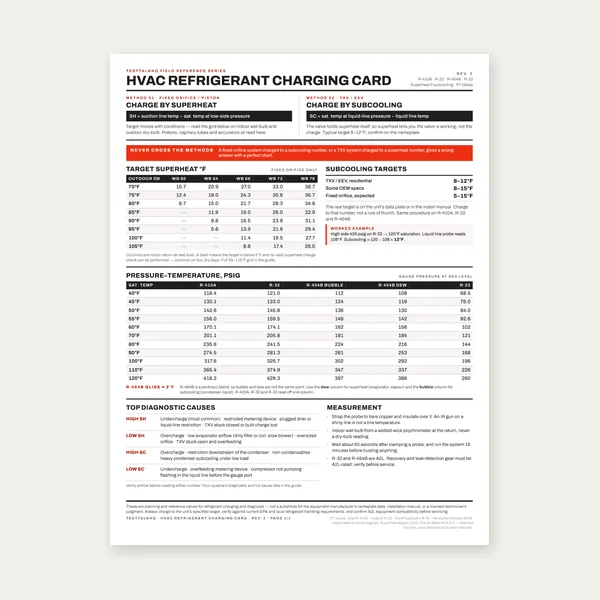
HVAC Refrigerant Charging Card
$3.99
BuyAnemometer placement, traverse averaging, and converting FPM to cubic feet per minute
Velocity is not airflow. A hot-wire or vane reading in feet per minute only becomes CFM after you multiply by the inside cross-section of the duct at that plane. One stab in the center of an 8-inch round will lie high. The job is a traverse: several points, an average FPM, then the area math.
Need the multiply done? Open the Duct CFM Calculator.
Have an average FPM already?Round or rectangular inside area × velocity.
Open Calculator →US HVAC uses:
Area is the inside opening at the measurement plane, in square feet. Dimensions on a tape are usually inches:
Subtract liner and internal insulation. A 10×8 lined with 1-inch liner is not 80 in² of air; it is closer to 8×6. The calculator will happily multiply the wrong rectangle if you feed it the outside stamp.
This is not duct sizing. Sizing from a known target CFM is the ductulator and the equal-friction guide (those pages also flag velocity maxima). This guide is how you measure what is actually moving.
Pick a plane with reasonably developed flow: several diameters downstream of an elbow, takeoff, or transition. Measuring in the throat of a fitting is how you get a hero number that will not match the room.
Air in a duct is faster in the core and slower at the walls. ASHRAE / AMCA log-Tchebycheff layouts put more points near the walls for that reason. Field rule of thumb on small residential round:
Average the FPM values with equal weight if you used an equal-area layout. Do not average CFM-per-point unless each point represents equal area. Then multiply once by total area. The calculator is that last multiply.
Compare measured CFM to the design CFM for that trunk or room — Manual J/D / the drawing — not to a 400 CFM/ton guess pulled from the outdoor unit tonnage, and not to NEC service-load VA on the residential load calculator.
Average FPM × inside areaRound or rectangular, optional design compare.
Open Duct CFM Calculator →Yes if you convert velocity pressure correctly (V ≈ 4005√VP in I-P, standard air). This calculator wants FPM already. Do not paste in. WC into the velocity box.
No. That is a target, not a measurement. Traverse (or a hood) is how you know whether you hit it.
Wrong area (outside dimensions, ignored liner), a center-only velocity, or you are measuring leaked air. See troubleshooting.
$3.99
Buy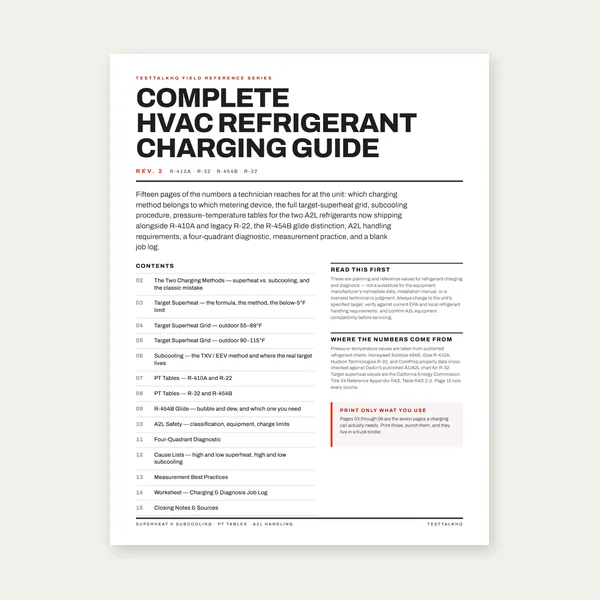
$12.99
Buy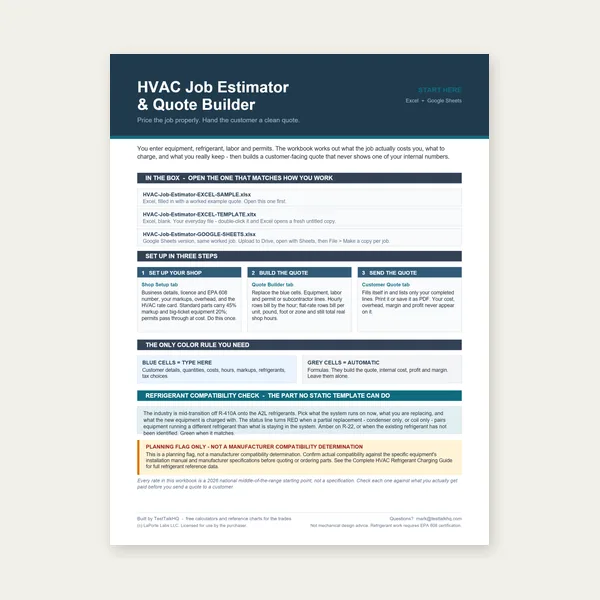
$29.00
Buy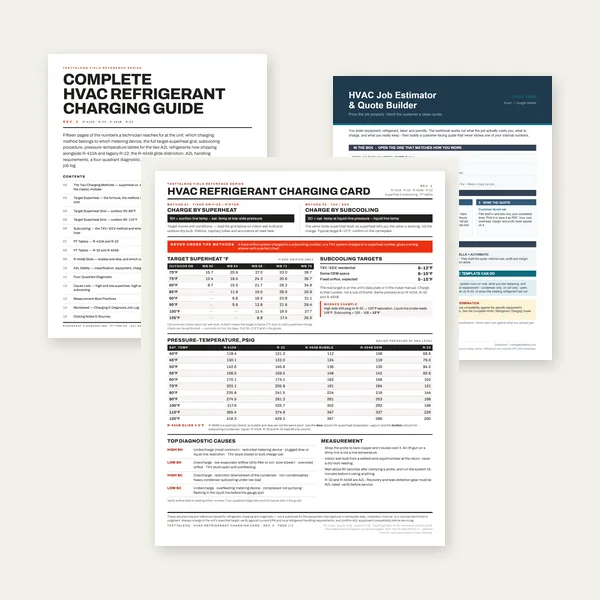
$39.00
BuyCheckout opens here — you stay on this page.
From the TestTalkHQ HVAC Tools / Duct Work & Air Flow catalog — in-duct and vane anemometers for the velocity reading this calculator uses, plus manometers for the static-pressure check when CFM is short. No capturing flow hood SKU was in the CSV at publish time, so none is invented here.
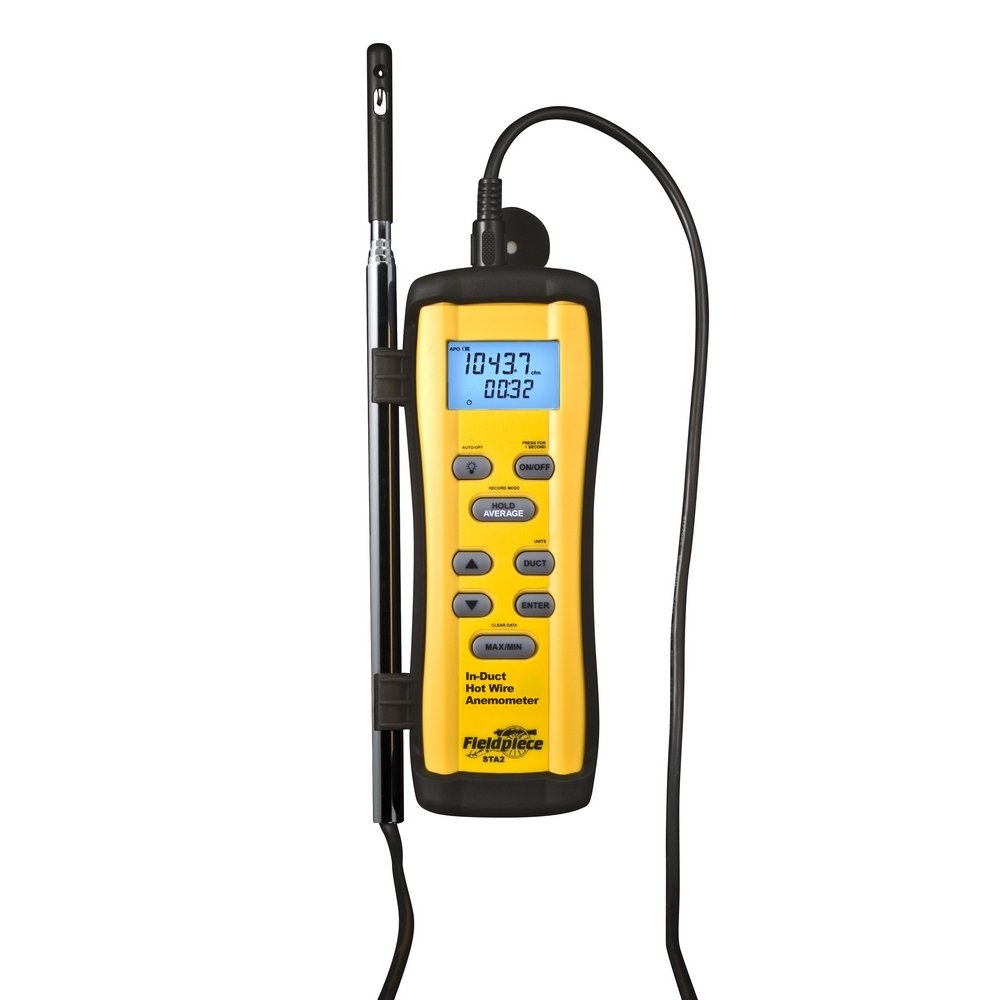
Hot-wire probe for a real duct traverse — the meter this CFM formula is built for. Average multiple points; do not trust a single centerline FPM.
View on Amazon →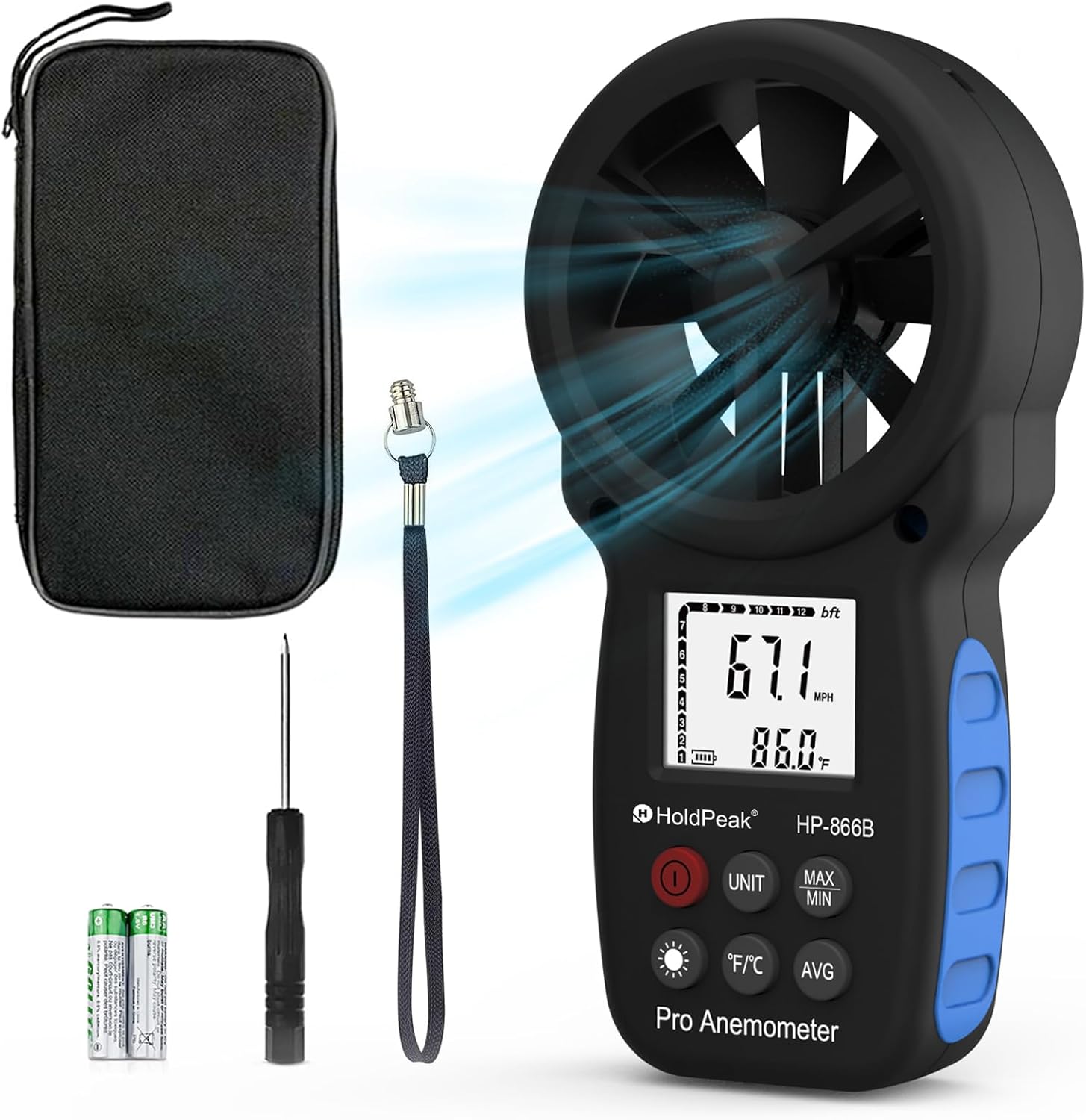
Handheld thermo-anemometer for register/grille face velocity. Convert FPM × free area carefully — face readings are not a duct traverse.
View on Amazon →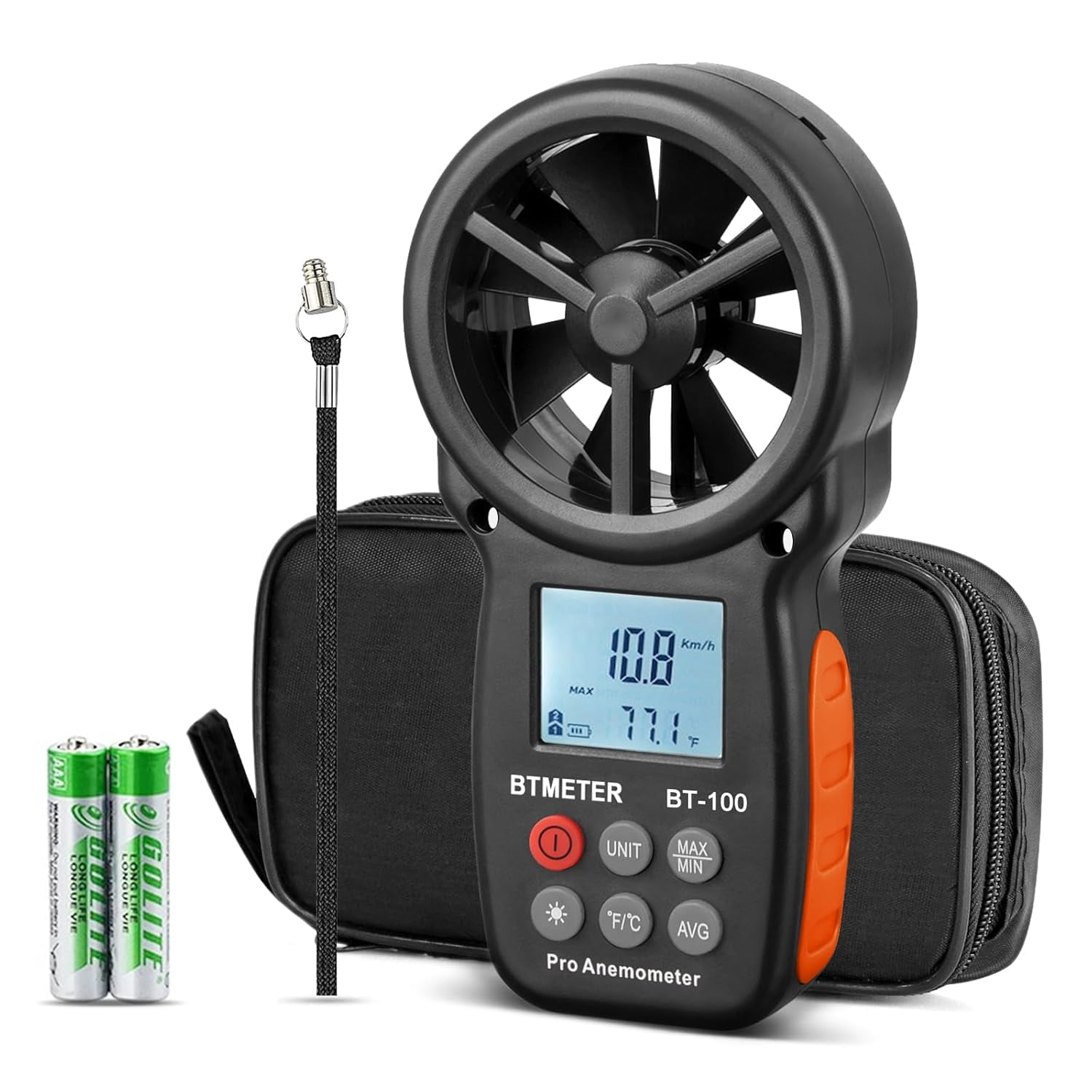
Vane anemometer for supply-register FPM when you need a delivered-air check. Average the face; do not convert grille FPM with raw duct area.
View on Amazon →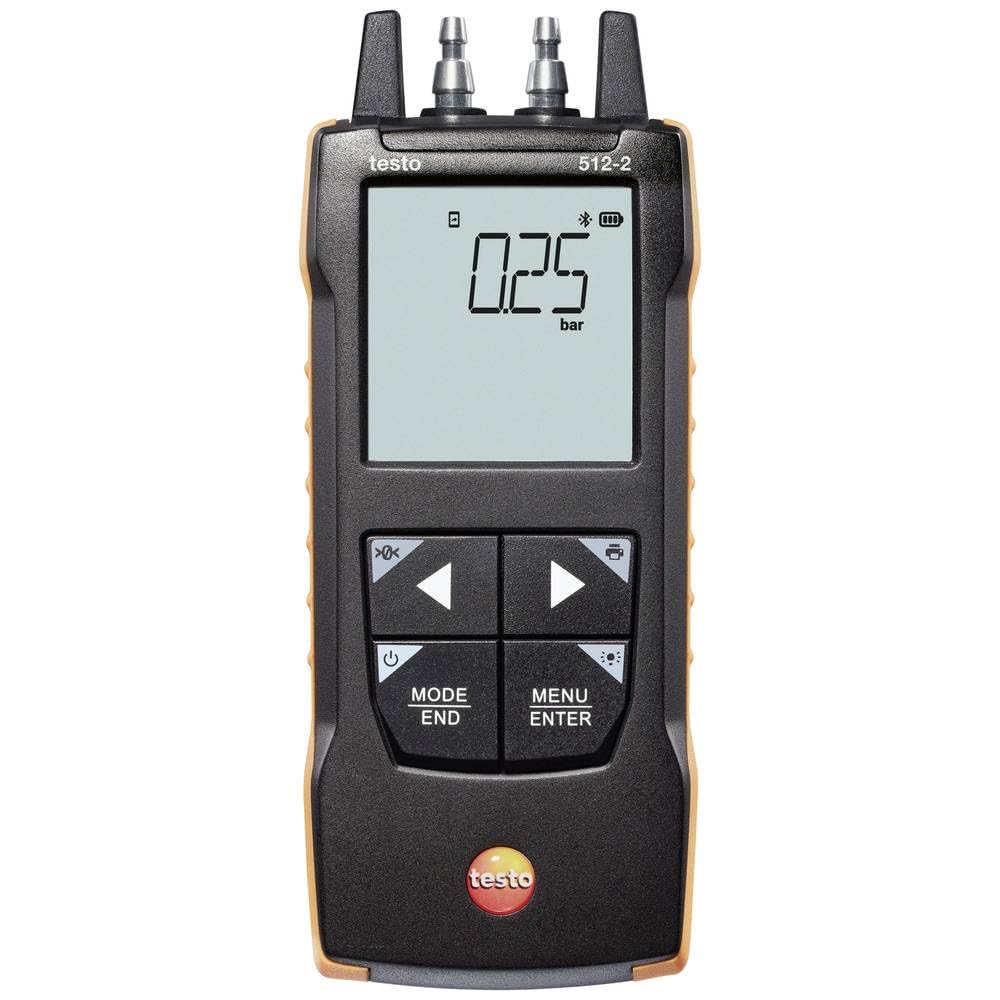
When measured CFM is short, check whether the blower is restricted. TESP vs nameplate is the next meter, not a second guess at velocity.
View on Amazon →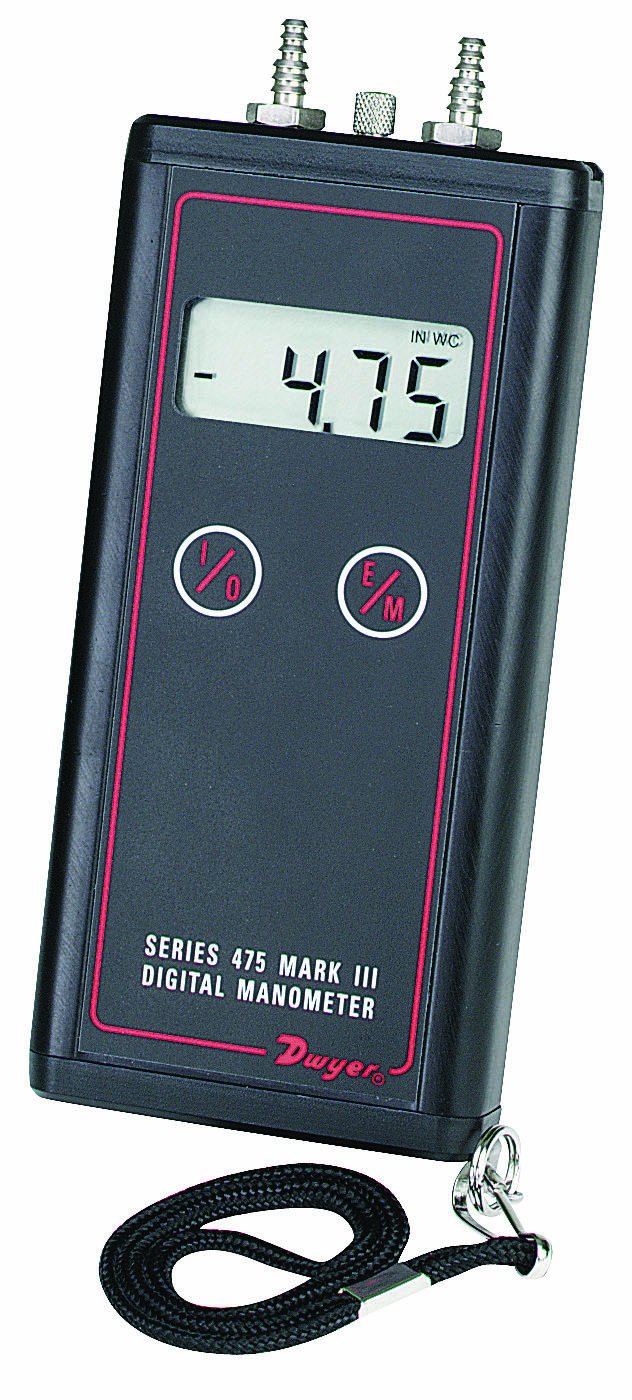
Handheld in. WC manometer for supply/return static after a low-CFM traverse. Pair with the ESP calculator — static is not airflow.
View on Amazon →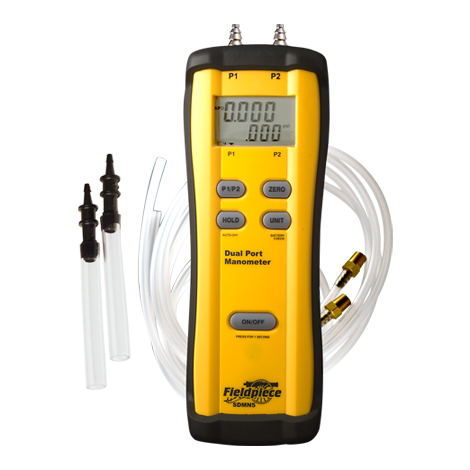
Dual-port HVAC manometer for filter/coil drop and TESP when the anemometer says the trunk is starving.
View on Amazon →As an Amazon Associate, TestTalkHQ earns from qualifying purchases.