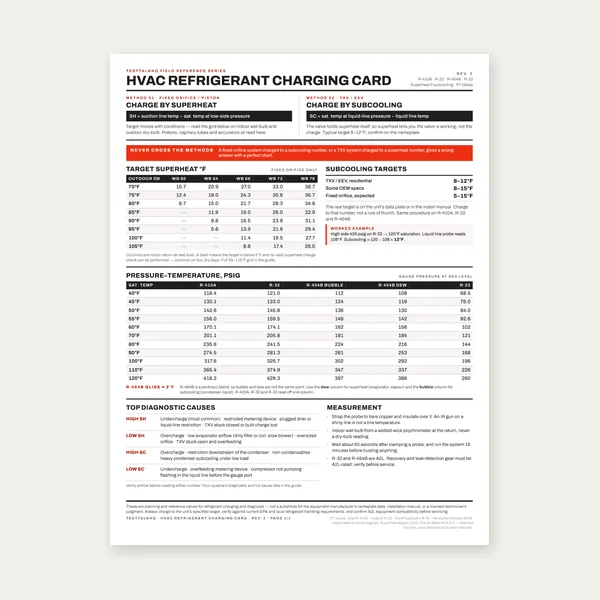
HVAC Refrigerant Charging Card
$3.99
BuyManometer first or anemometer first — techs grab the wrong one on a lot of no-cool / no-heat calls
External static pressure tells you what the blower is fighting. CFM tells you what the house actually received. They are related, not interchangeable. High ESP usually means low airflow — except when an ECM is ramping, or when the air is leaking out before the register. If you only carry one meter, you will mis-call half of these.
Start with TESP if the complaint is the equipmentRestriction vs nameplate in thirty seconds.
Open ESP Calculator →Measure static pressure first when the question is “is this blower restricted?” Two ports, one add, compare to the plate. That is the ESP calculator and the measurement guide.
Measure CFM when the question is “did the air get to the room?” Traverse, flow hood, or a decent in-duct / face-velocity anemometer. Static cannot see a closed bedroom damper downstream of your supply port, and it cannot see a boot blowing into the attic.
If the complaint is limit trips, frozen coil, or a new install that “sounds like a jet,” start with TESP. If the complaint is one hot room, start with airflow at that register — then use static to see whether the whole system is in trouble or just that run.
Static is a poor room-balance tool. A 0.50 TESP system can still have three rooms at 40 CFM and one blasting 250.
In-duct hot-wire (Fieldpiece STA2 class) is for a duct traverse. Vane meters (BTMETER / HoldPeak class) are for registers. Neither replaces a manometer for TESP.
Common miss: tech sees a frozen coil, recovers refrigerant, never measures TESP or CFM. The coil freezes again because the duct is at 0.90 in. WC. Other miss: tech spends an hour on a 12-point traverse because a bedroom is hot, never notices the return static is −0.55 from a clogged media cabinet. Match the tool to the failure mode.
There is no honest “typical ESP by tonnage” chart that replaces the nameplate. Two-ton and five-ton residential blowers are often both rated 0.50 in. WC; tons change CFM, not the rated external-static number. That is why this cluster has a calculator, not a tonnage table.
Restriction number firstThen measure CFM if the rooms still lie.
Open ESP Calculator →Not with a single formula that fits every blower. You need the OEM fan table (CFM vs TESP vs tap/speed). This calculator does not invent that table.
No. That is a target airflow rule of thumb. You still measure TESP to see if the fan can hit it, and CFM to see if it did.
You need the one that answers the question. Carrying both is how you stop guessing. Start with static for equipment; start with CFM for rooms.
$3.99
Buy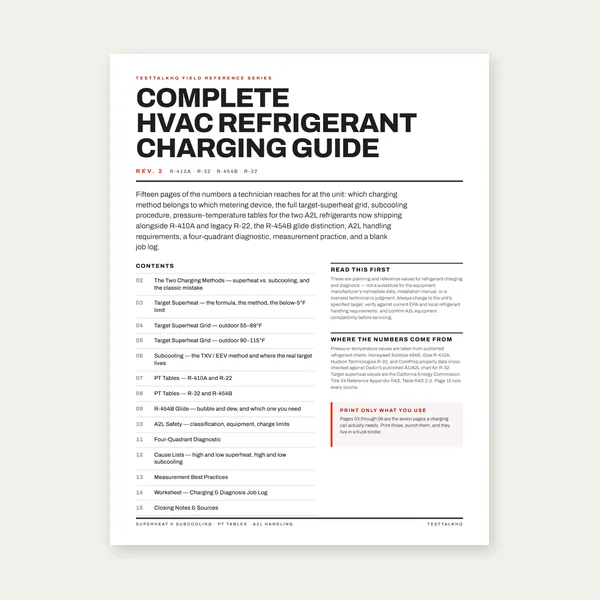
$12.99
Buy
$29.00
Buy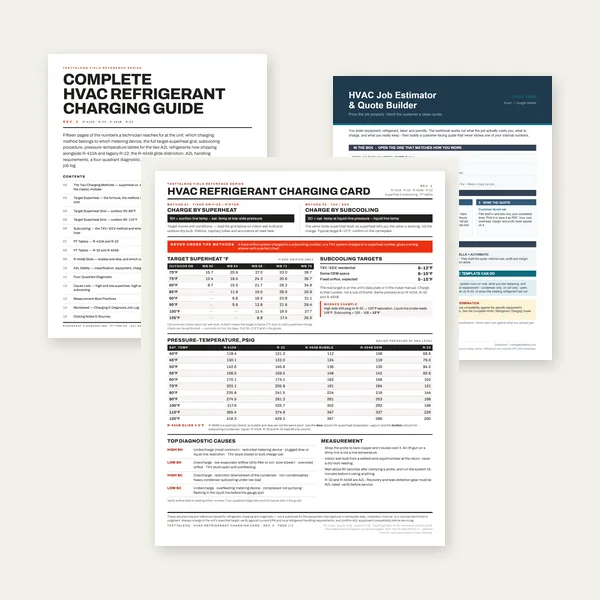
$39.00
BuyCheckout opens here — you stay on this page.
Pulled from the TestTalkHQ HVAC Tools affiliate catalog — differential manometers for the static-pressure reading, anemometers for the CFM check that ESP alone cannot replace.
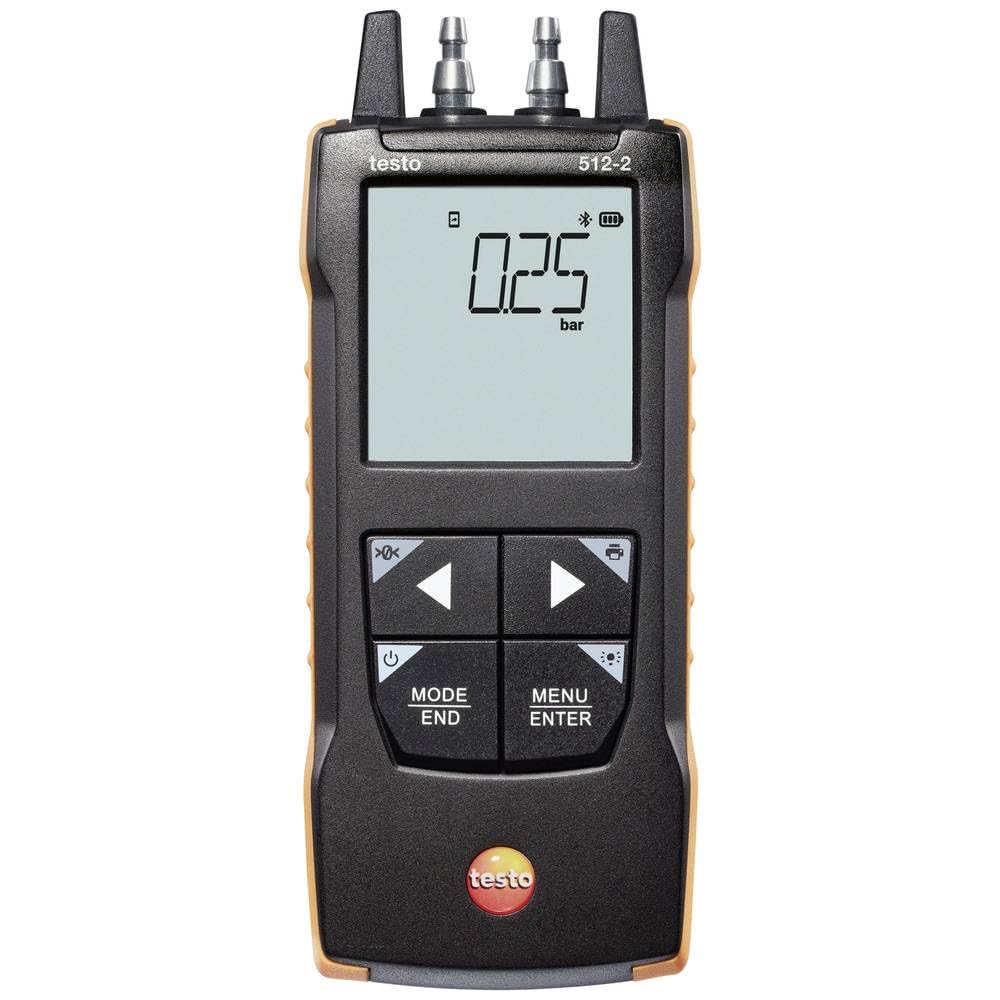
Dual-port manometer in in. WC — the meter this calculator is built around. Zero it, hose the supply and return ports, add the magnitudes.
View on Amazon →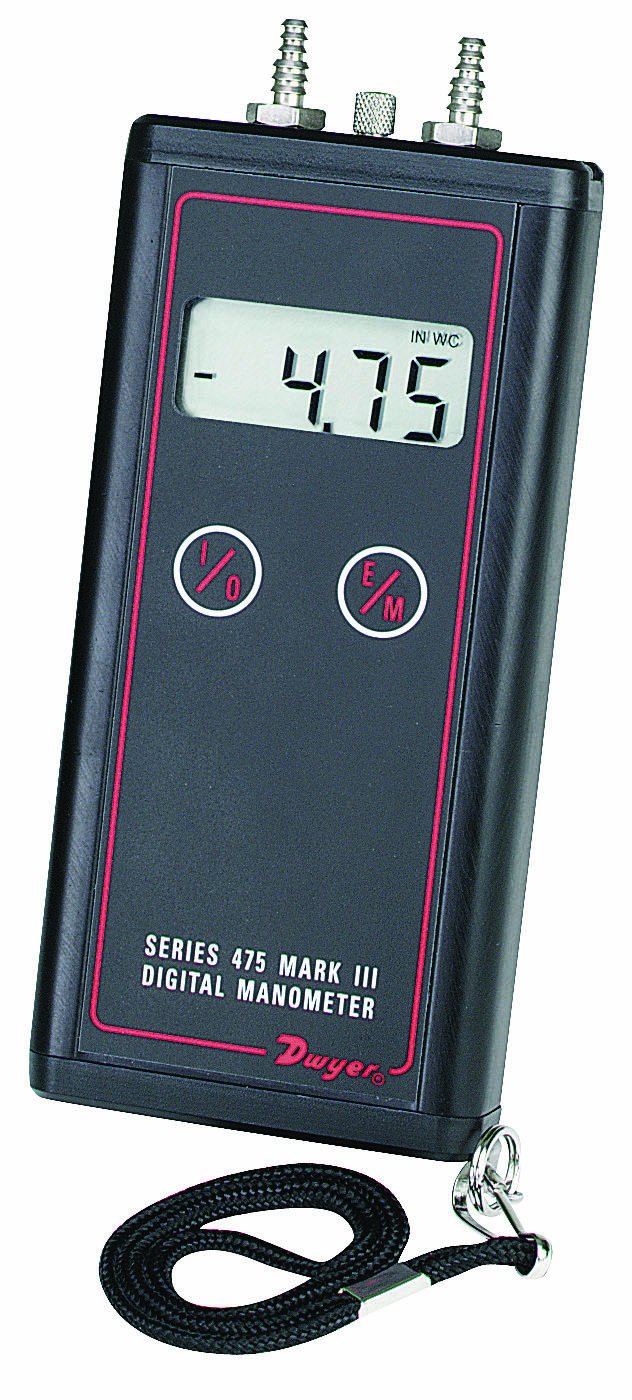
Handheld digital manometer HVAC techs have carried for years. Same in. WC units, same two-hose TESP method as the Testo 512-2.
View on Amazon →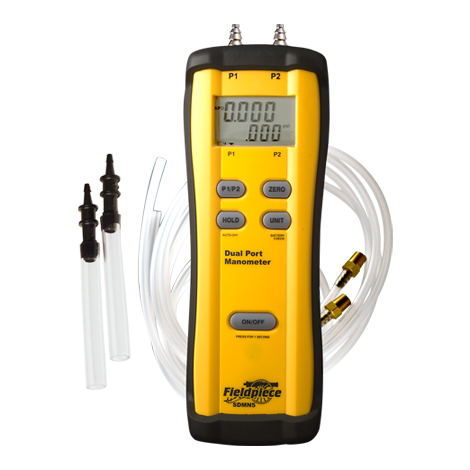
Dual-port HVAC manometer for supply/return static and filter/coil pressure drop without swapping hoses mid-test.
View on Amazon →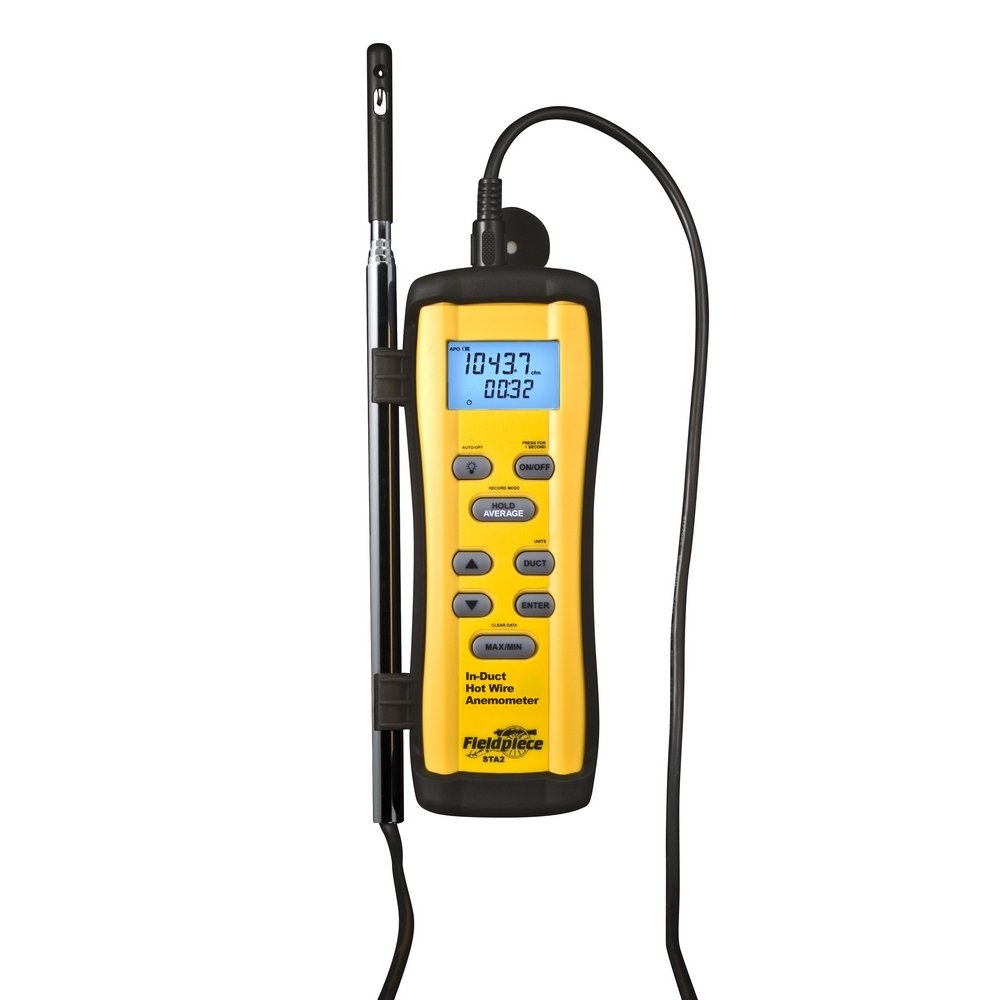
Hot-wire in-duct anemometer for actual FPM/CFM after ESP says the blower is restricted. Static pressure is not airflow.
View on Amazon →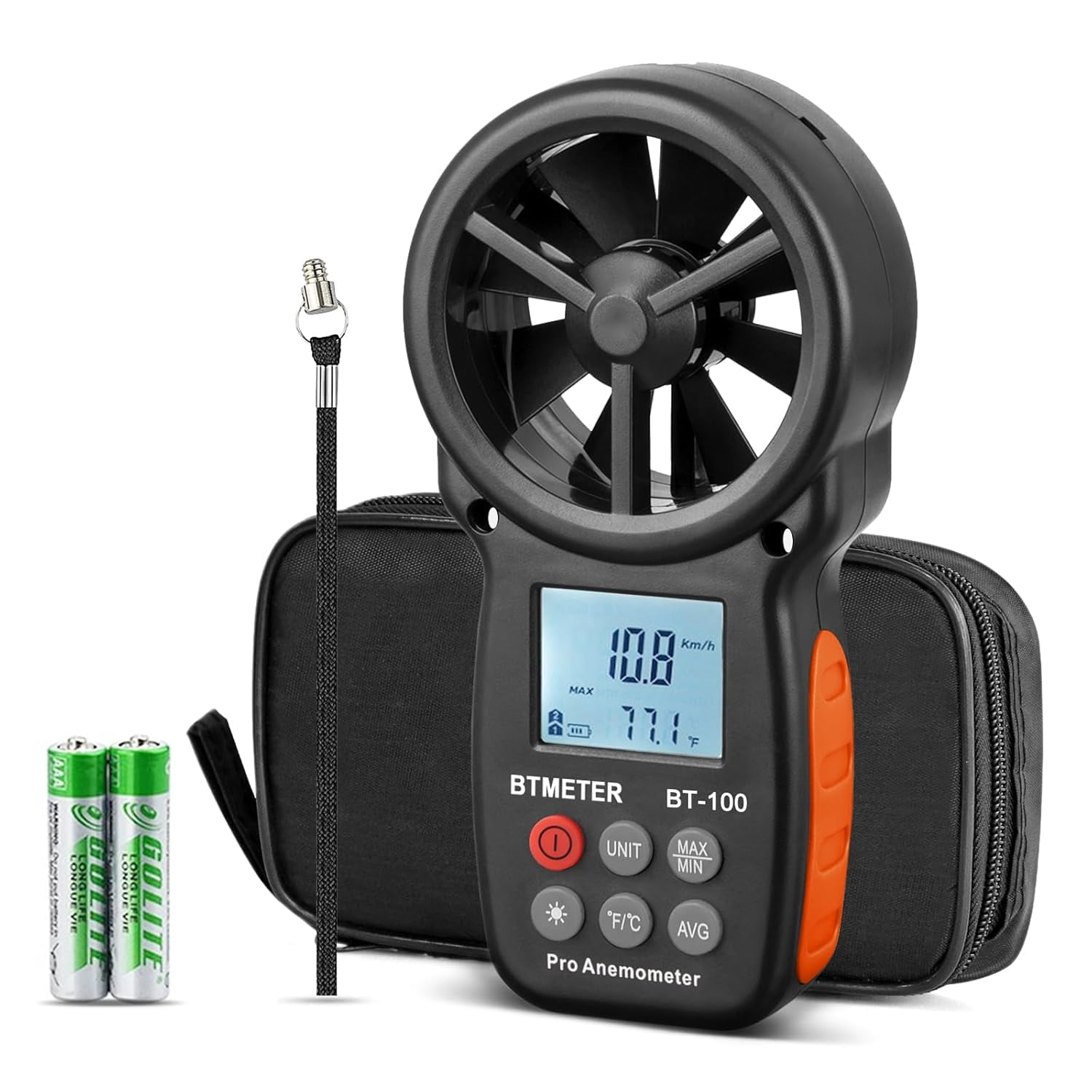
Vane anemometer for register/grille face velocity when you need a delivered-CFM check, not just a cabinet static number.
View on Amazon →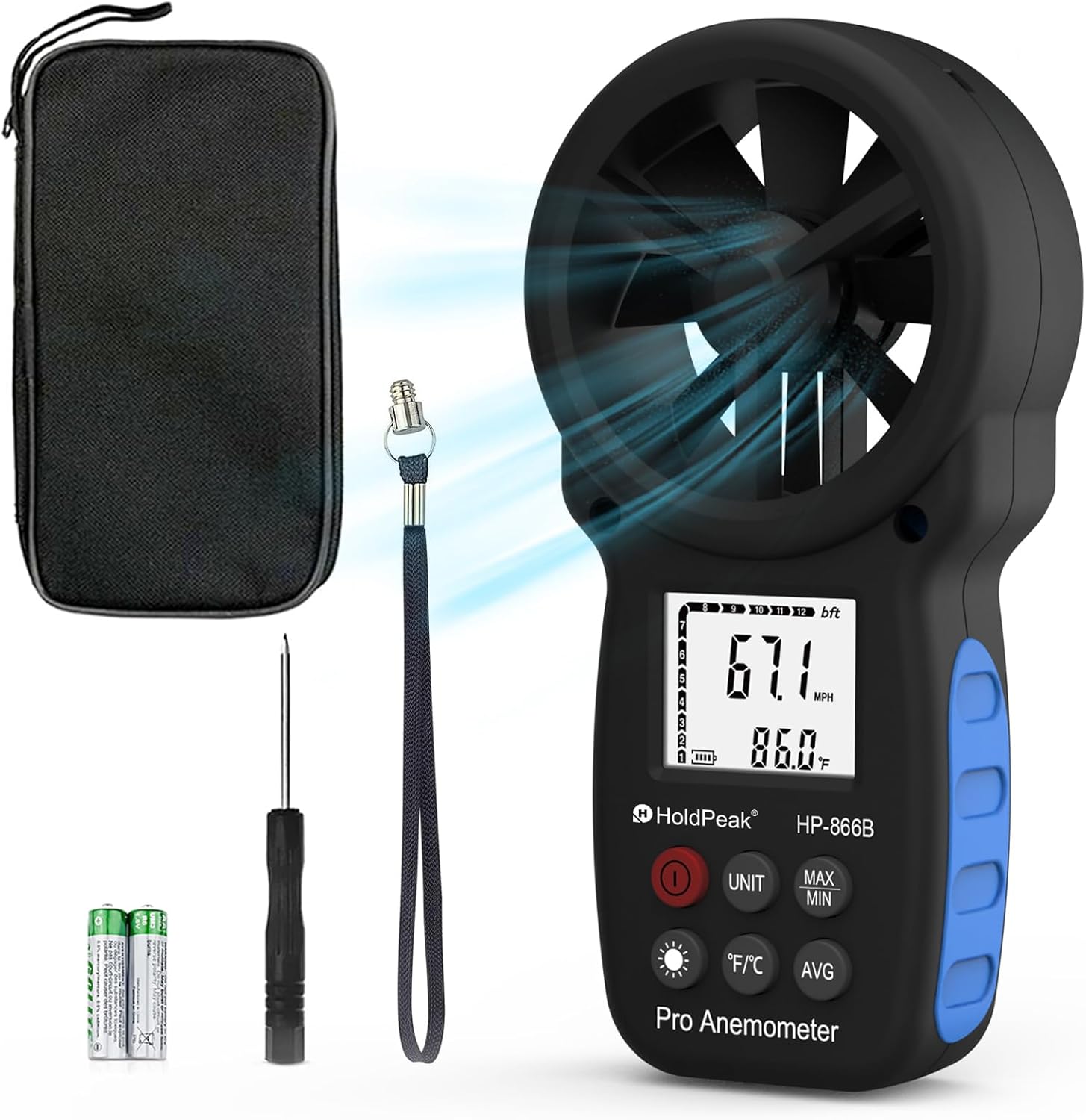
Handheld thermo-anemometer for supply-register FPM. Pair with the ESP reading when high static still leaves rooms starving.
View on Amazon →As an Amazon Associate, TestTalkHQ earns from qualifying purchases.