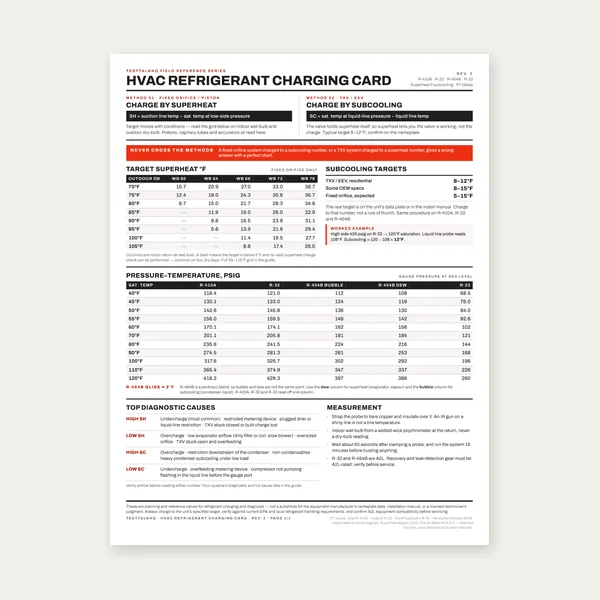
HVAC Refrigerant Charging Card
$3.99
BuyWhich restriction (or leak) you are actually looking at
High external static means the blower is fighting the system. Low external static means the blower is not seeing the system. Both can leave rooms uncomfortable. The split between supply and return magnitudes is how you pick a side before you start cutting duct.
Add the readings first: ESP Calculator. Port placement: measurement guide.
Confirm high vs low before you cutTESP vs nameplate, then chase the larger side.
Open Calculator →TESP is one number. The two legs tell you where to crawl. After you calculate |supply| + |return|, look at which term is larger:
The fastest return-side spike. A 4-inch media filter that was never changed, or a 1-inch that collapsed, can eat 0.20–0.50 in. WC by itself. Replace, re-measure. If TESP drops to rated, you are done with the “needs a new furnace” conversation.
Homeowners close bedrooms in summer. That raises supply static and can trip limit switches. Open them, re-test. Balancing dampers that were left on a 20% throw after a prior tech “quieted a vent” do the same thing.
Flex over a joist, a 90 that is actually a 180, or a crawl-space squash will show up as a supply or return spike depending on which run you kinked. Straighten, re-support, re-test that leg. If the run is also undersized, straightening will help but not hit rated ESP — then size it with the ductulator.
High TESP with clean filter, clean coil, dampers open, flex not kinked. The trunks or returns were never sized for the blower. That is a Manual D / equal-friction problem. The duct sizing guide is the method; this troubleshooting page is not going to re-teach friction rate. Measure room CFM if you need to prove which run is short.
Evaporator mat, leftover construction dust, or a coil that is too small for the furnace CFM. Supply static high, return closer to normal. Inspect the leaving face. A coil plus a high-MERV filter plus a 0.50-rated PSC blower is a classic “new system that never worked.”
The blower is moving air into the attic instead of against a sealed trunk. TESP falls; rooms starve; the meter looks “better than rated.” Smoke, pressure pan, or a walk of the takeoffs. Seal, then TESP often rises toward rated — that is a fix, not a regression.
Supply plenum kicked off in a storm, return drop hanging, a boot that never got fastened. TESP can be near zero with a loud blower. This is the “low ESP” that is an emergency, not a design win.
True oversized trunks present less resistance. Airflow at the blower can be high (PSC) while velocity in the trunk is lazy and dust falls out. Confirm with an anemometer before you congratulate the builder. See static vs CFM.
You measured a machine that is not in the condition the customer runs. Put the door on. Re-test. Low ESP during a “quick check” with the door off is not data.
High or low?Let the two readings pick a side before you cut.
Open ESP Calculator →Yes over time. PSC motors run in a hotter, lower-CFM part of the curve. ECM motors try to hit CFM and can run at high RPM/amp against a wall until they fault. Heat exchangers and coils see the airflow loss first.
No — oversized duct, missing filter, and a blower on the wrong tap also read low. Walk the system. Then measure CFM so you do not seal a leak that was not there.
Not exactly. Wet coil and different blower taps change it. Diagnose on the mode that is failing.
$3.99
Buy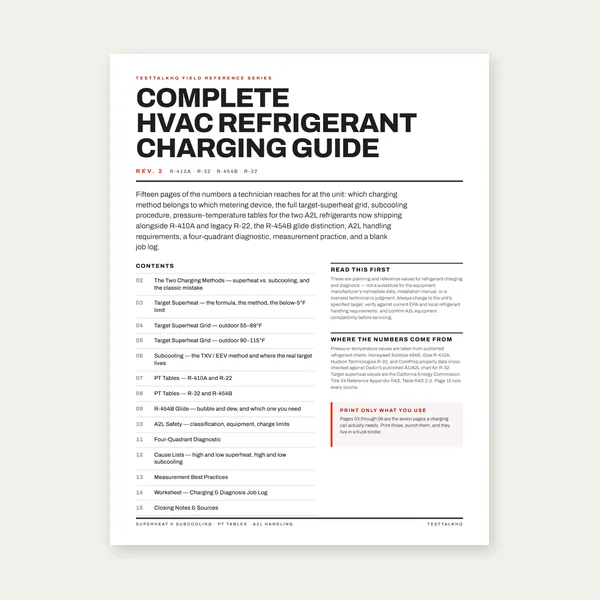
$12.99
Buy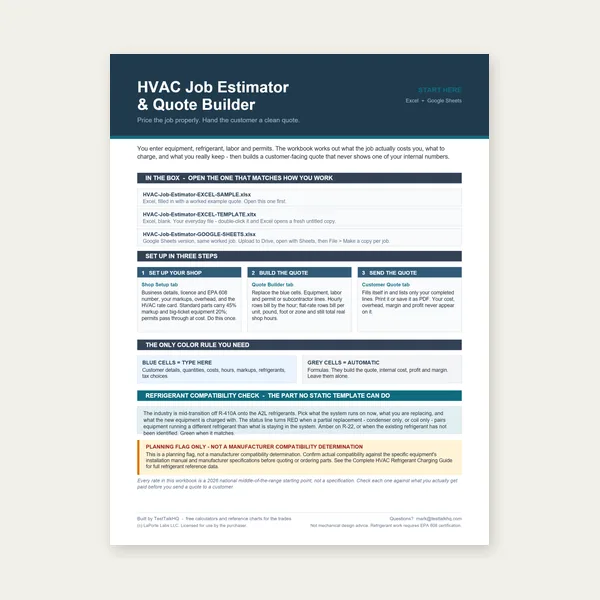
$29.00
Buy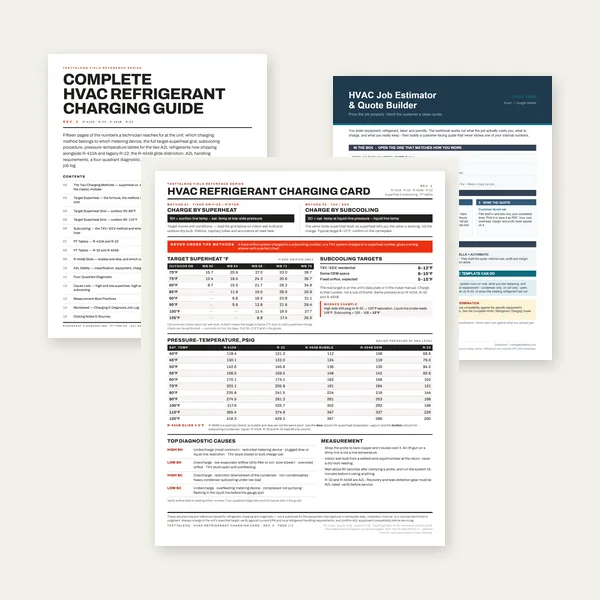
$39.00
BuyCheckout opens here — you stay on this page.
Pulled from the TestTalkHQ HVAC Tools affiliate catalog — differential manometers for the static-pressure reading, anemometers for the CFM check that ESP alone cannot replace.
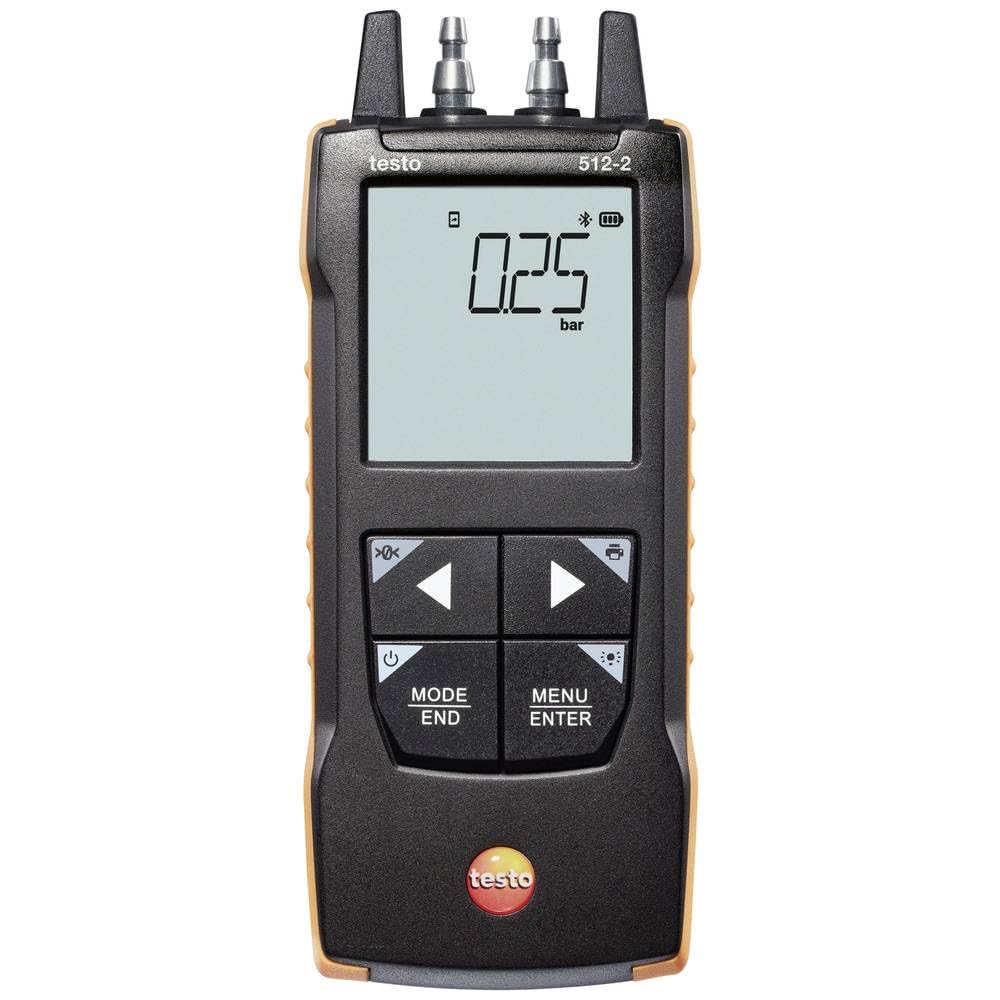
Dual-port manometer in in. WC — the meter this calculator is built around. Zero it, hose the supply and return ports, add the magnitudes.
View on Amazon →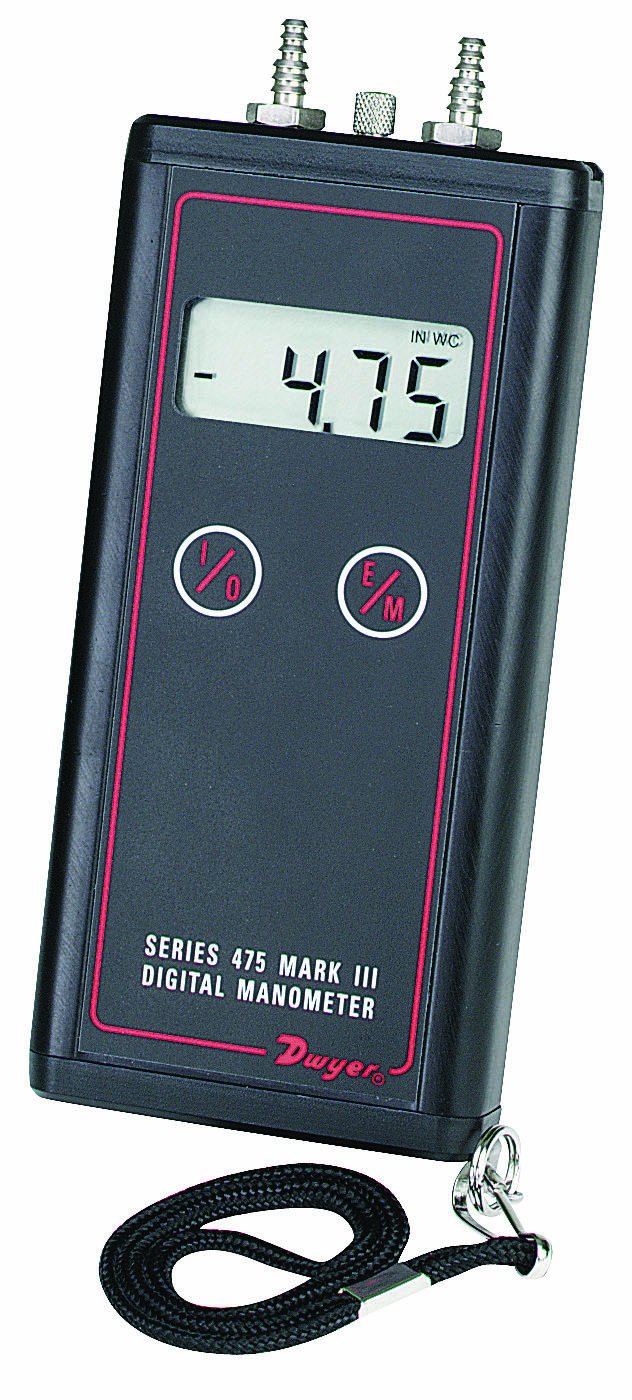
Handheld digital manometer HVAC techs have carried for years. Same in. WC units, same two-hose TESP method as the Testo 512-2.
View on Amazon →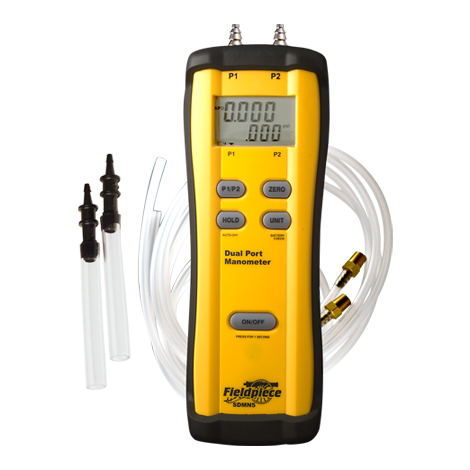
Dual-port HVAC manometer for supply/return static and filter/coil pressure drop without swapping hoses mid-test.
View on Amazon →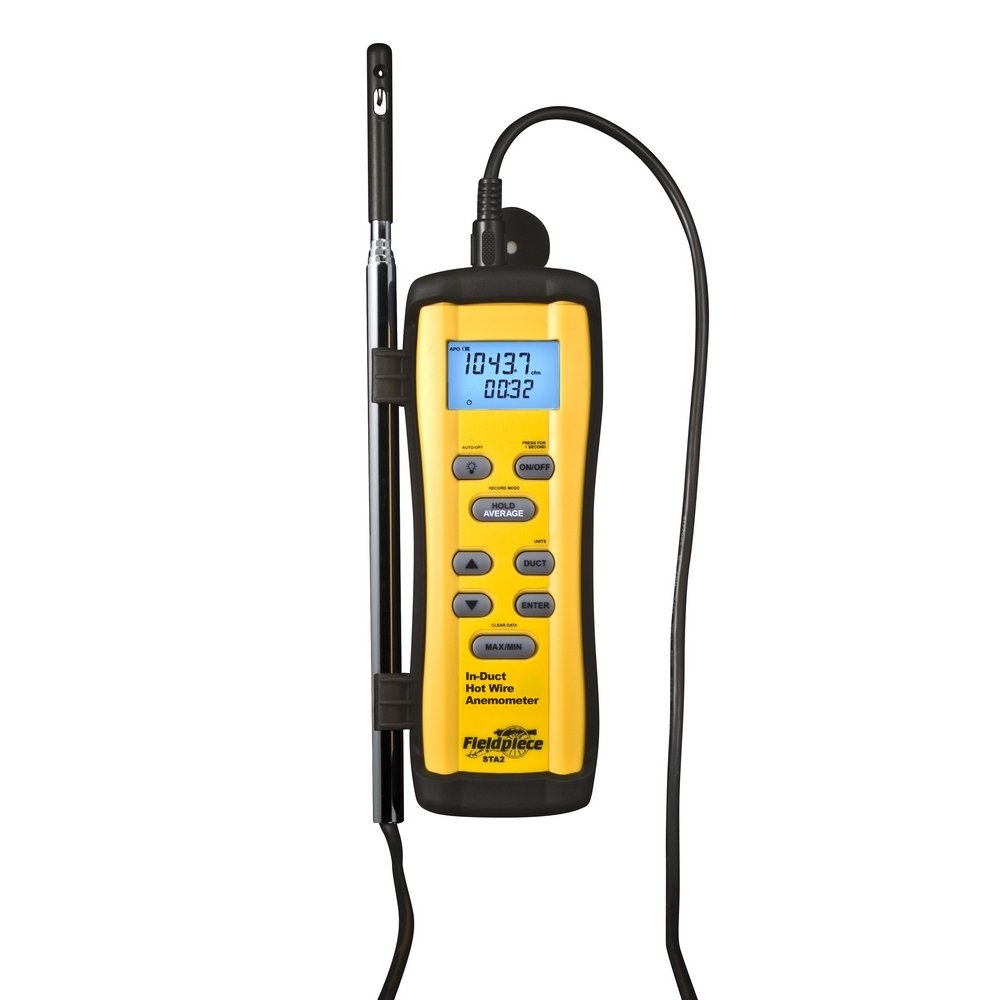
Hot-wire in-duct anemometer for actual FPM/CFM after ESP says the blower is restricted. Static pressure is not airflow.
View on Amazon →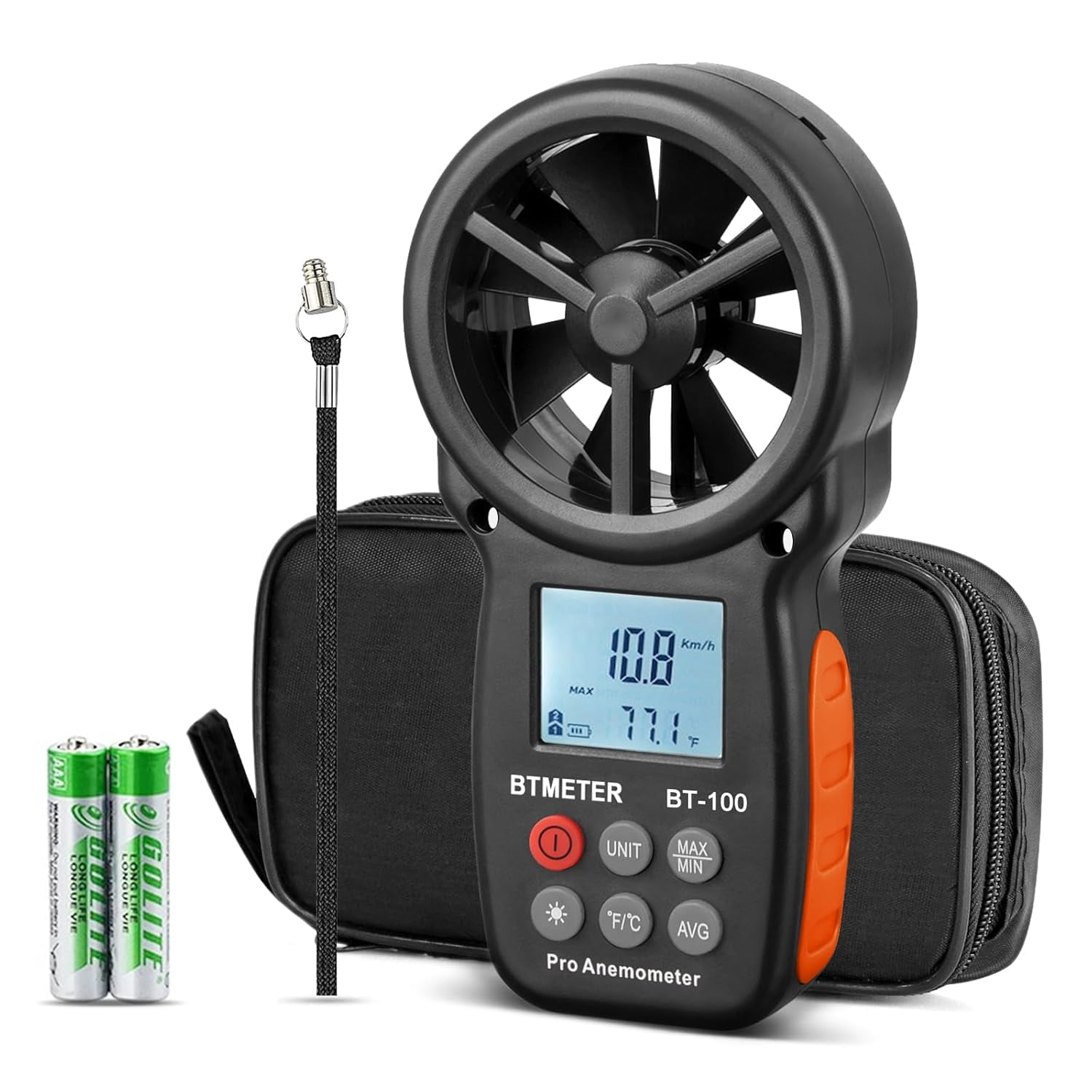
Vane anemometer for register/grille face velocity when you need a delivered-CFM check, not just a cabinet static number.
View on Amazon →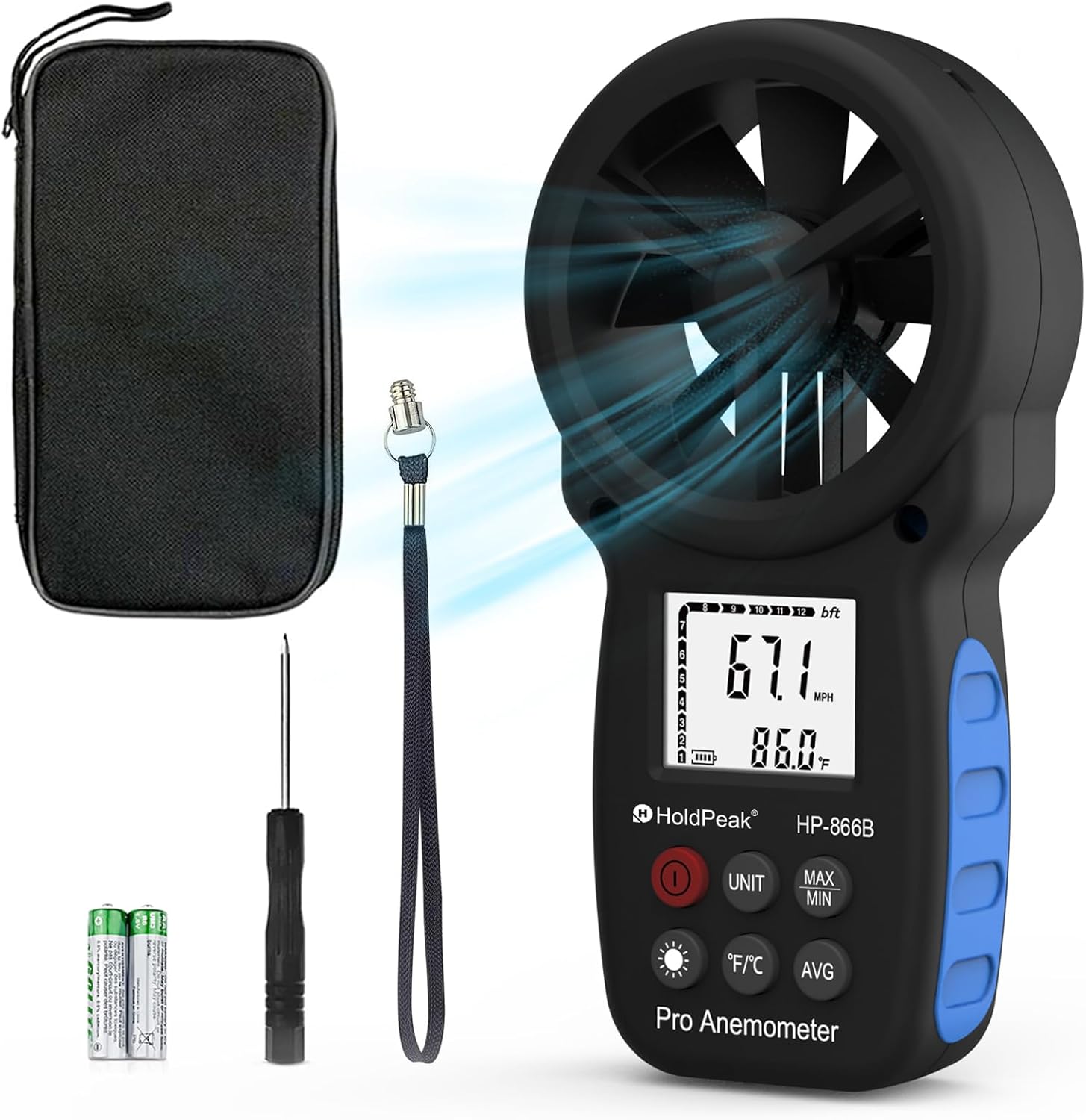
Handheld thermo-anemometer for supply-register FPM. Pair with the ESP reading when high static still leaves rooms starving.
View on Amazon →As an Amazon Associate, TestTalkHQ earns from qualifying purchases.