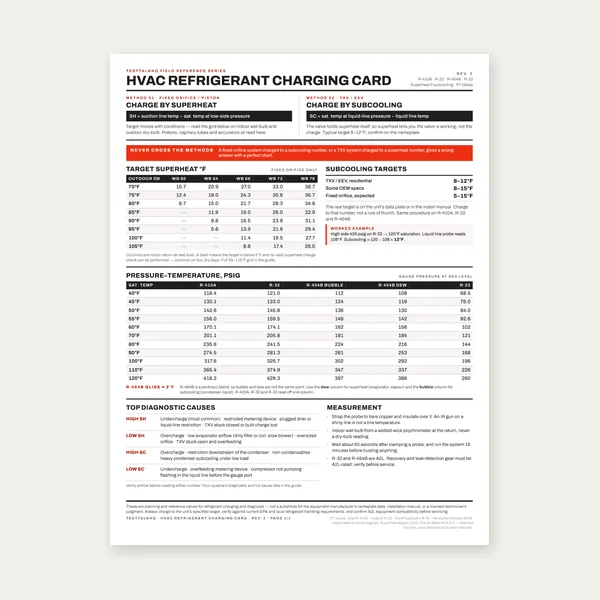
HVAC Refrigerant Charging Card
$3.99
BuyPort placement, Testo 512-2 / Dwyer 475, nameplate compare, and what to do with the number
External static pressure (ESP, or TESP when you add both sides) is the resistance the blower sees outside the cabinet — filter, coil, and duct. It is not airflow in CFM. It is the restriction number you compare to the rating plate before you guess at duct size or “turn the fan up.”
Need the add-and-compare done for you? Open the ESP Calculator.
Need TESP, not the lecture?Supply + return vs nameplate rated ESP in one screen.
Open Calculator →The blower does not “make CFM” in a vacuum. It moves air against resistance. Total external static pressure is that resistance, measured in inches of water column (in. WC). Industry convention:
Supply-side static is taken in the supply plenum, downstream of the blower (and of the coil if the coil is in that air stream). It is usually a positive number. Return-side static is taken in the return plenum, between the filter and the blower inlet. It is usually negative. You add the magnitudes. A +0.35 in. WC supply and a −0.28 in. WC return is 0.63 in. WC TESP — not 0.07.
That number is compared to the manufacturer’s rated ESP on the furnace, air handler, or package unit. Residential blowers are commonly rated at 0.50 in. WC. Some high-static air handlers list 0.80 or 1.0. If you compare a 0.80-rated unit to a mental “0.50,” you will flag a healthy system as restricted.
Wrong ports give a confident wrong number. Drill or use existing test ports so the pickup sees plenum pressure, not a jet off a takeoff.
Do not take TESP at a supply register or a far trunk. That is leftover pressure, not external static at the blower. Do not add coil drop a second time if the coil is already between your two ports.
The Testo 512-2 is a differential pressure manometer. For HVAC static you want inches of water (inH2O / in. WC), not hPa or mbar, unless you like converting 249 Pa ≈ 1 in. WC in your head.
The Dwyer 475 Mark III is the older handheld many trucks still carry. Same physics as the Testo — two ports, digital in. WC.
A Fieldpiece dual-port manometer (SDMN5) is the same job with HVAC-oriented buttons. The calculator does not care which brand produced the two numbers.
Find “Ext. Static,” “ESP,” or a table of CFM vs TESP on the rating plate or in the installer’s blower chart. Rated ESP is the external static at which the published CFM was measured — often 0.50 in. WC for 80% furnaces and standard air handlers.
Wet coil vs dry coil matters. Cooling ESP should be taken with a wet coil if you are diagnosing cooling airflow. Heating-only checks on a dry coil will read lower.
TESP tells you whether the blower is restricted. It does not tell you which room is starving or whether a 6-inch run should be 7-inch. Sequence that actually finishes a call:
Run the two readingsAdd supply + return and stack them on the nameplate.
Open ESP Calculator →Yes if the OEM’s rated ESP is “external” with a specified filter. A clogged filter is a real return restriction. Note filter model and whether it was dirty when you tested.
Yes. Take supply vs atmosphere, then return vs atmosphere, then add the absolute values. Dual-port is faster and fewer transcription errors.
Port is probably on the inlet side of the blower, or the blower is off. Confirm you are downstream of the fan wheel. The calculator still uses magnitude, but a negative “supply” is a placement error until proven otherwise.
$3.99
Buy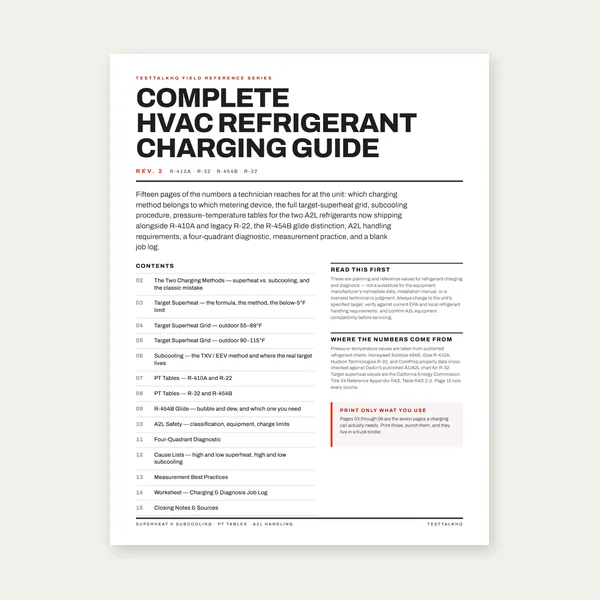
$12.99
Buy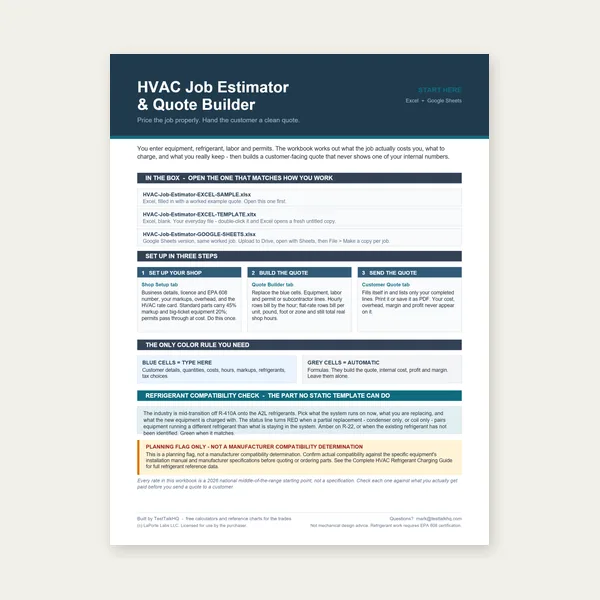
$29.00
Buy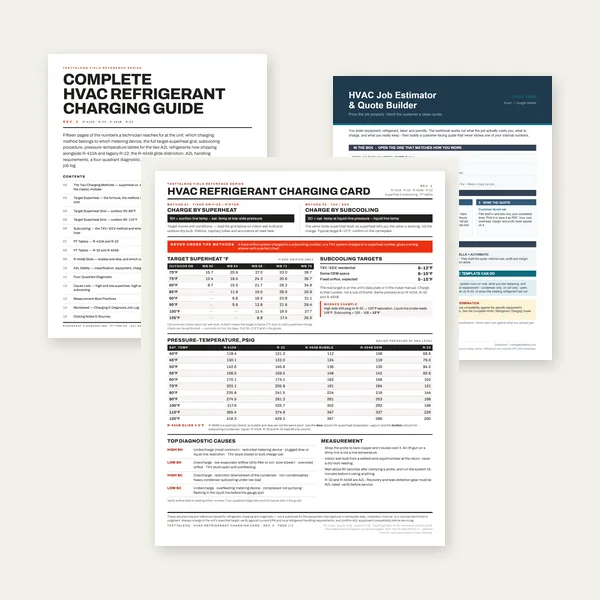
$39.00
BuyCheckout opens here — you stay on this page.
Pulled from the TestTalkHQ HVAC Tools affiliate catalog — differential manometers for the static-pressure reading, anemometers for the CFM check that ESP alone cannot replace.
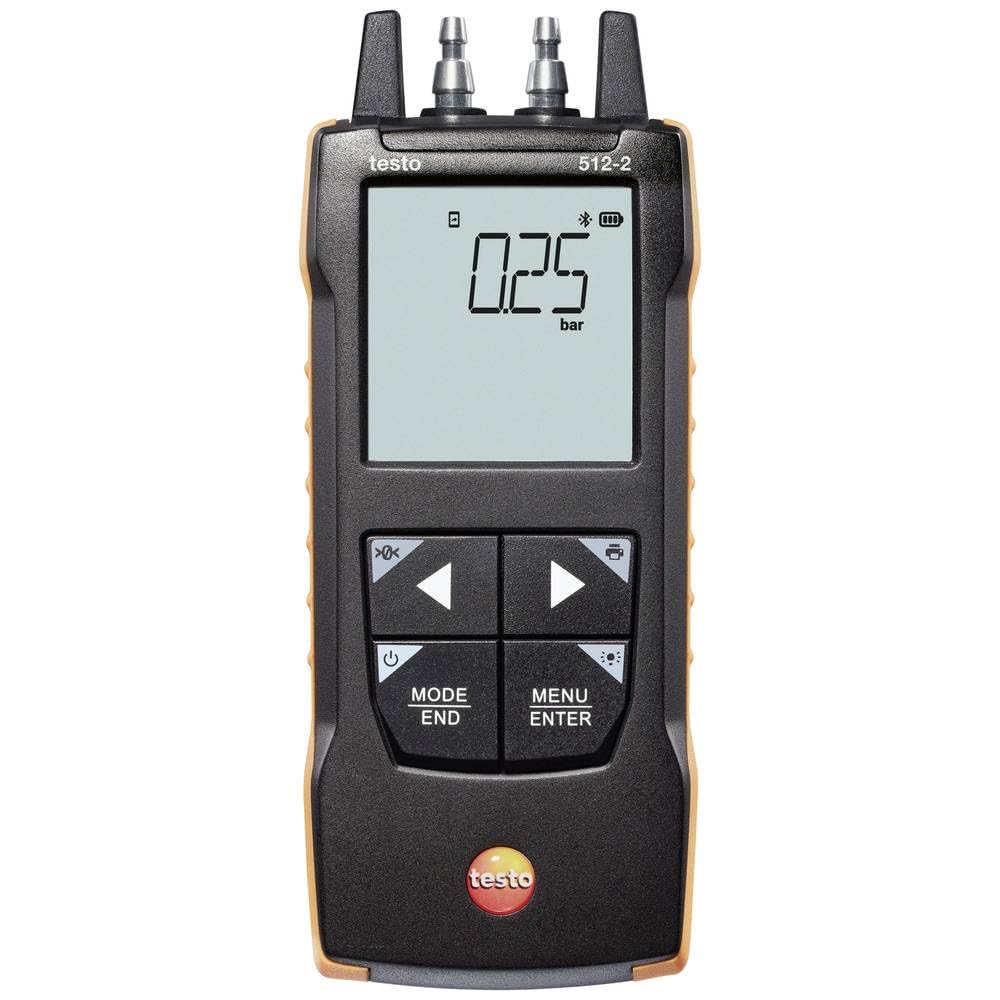
Dual-port manometer in in. WC — the meter this calculator is built around. Zero it, hose the supply and return ports, add the magnitudes.
View on Amazon →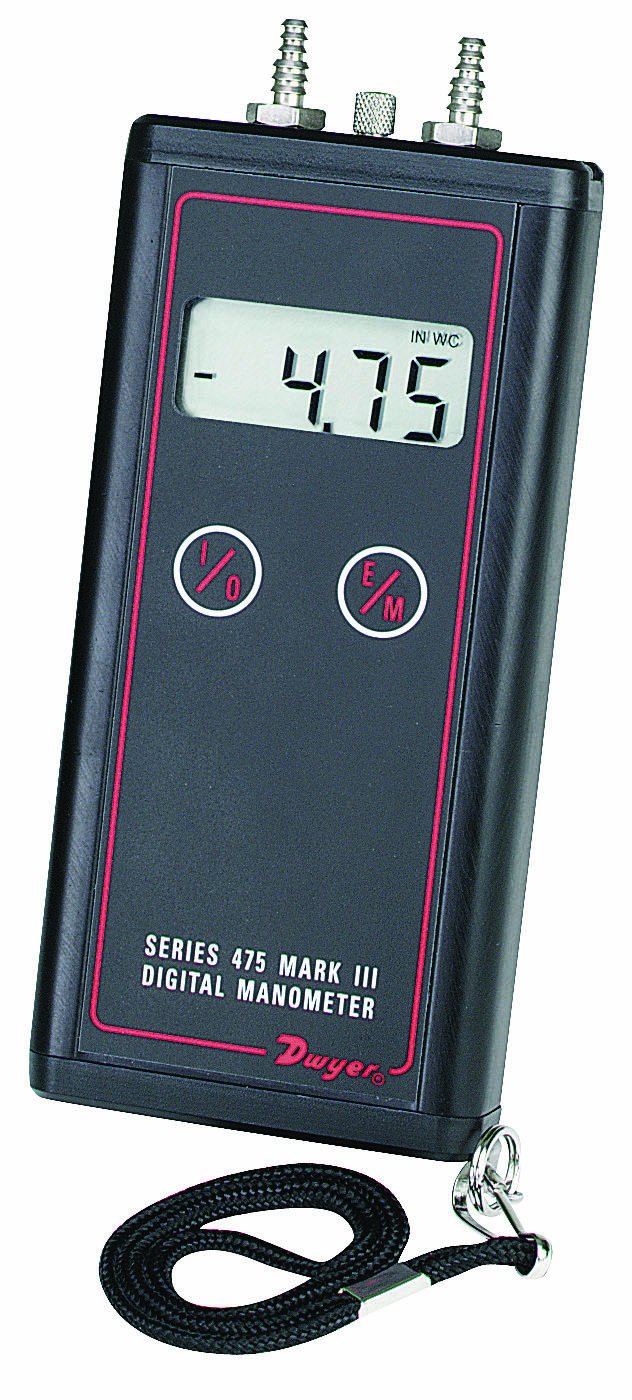
Handheld digital manometer HVAC techs have carried for years. Same in. WC units, same two-hose TESP method as the Testo 512-2.
View on Amazon →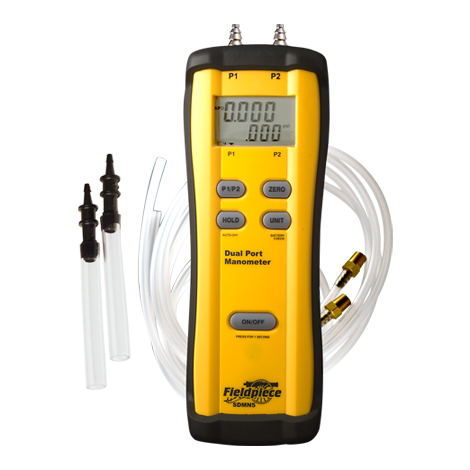
Dual-port HVAC manometer for supply/return static and filter/coil pressure drop without swapping hoses mid-test.
View on Amazon →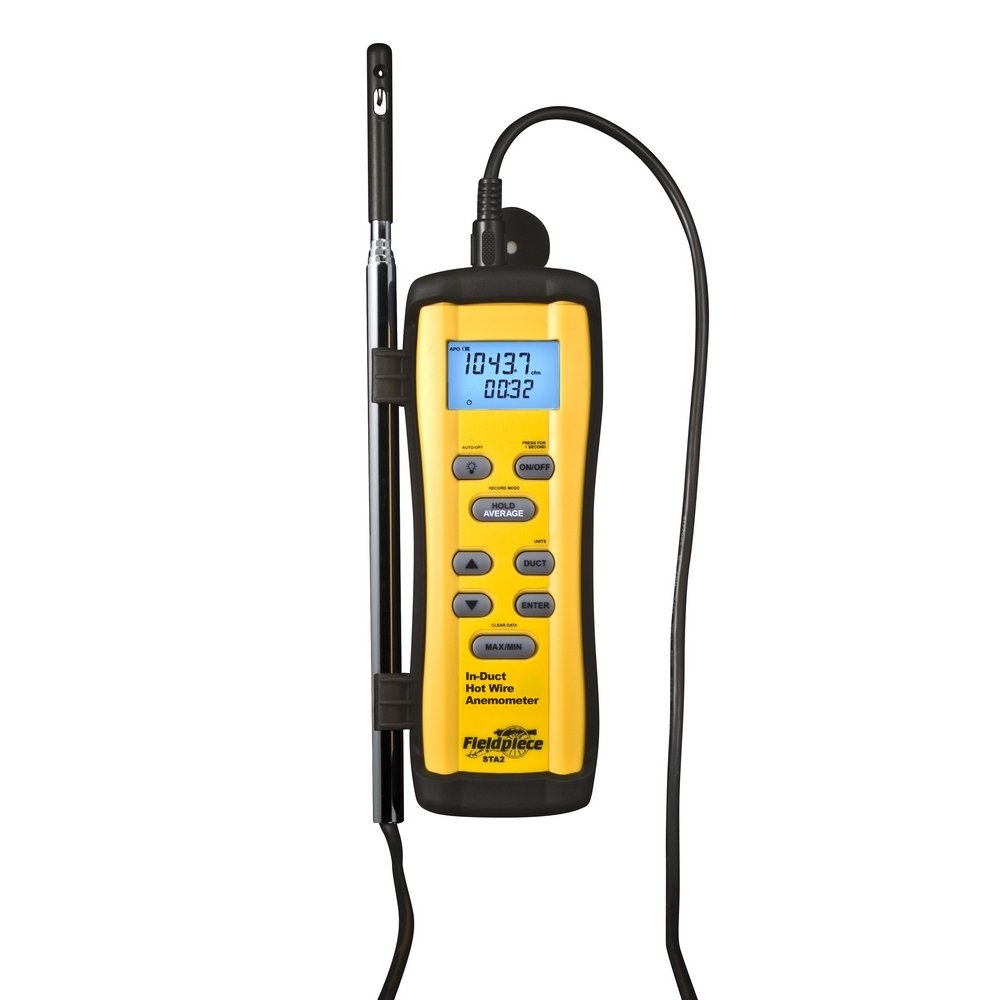
Hot-wire in-duct anemometer for actual FPM/CFM after ESP says the blower is restricted. Static pressure is not airflow.
View on Amazon →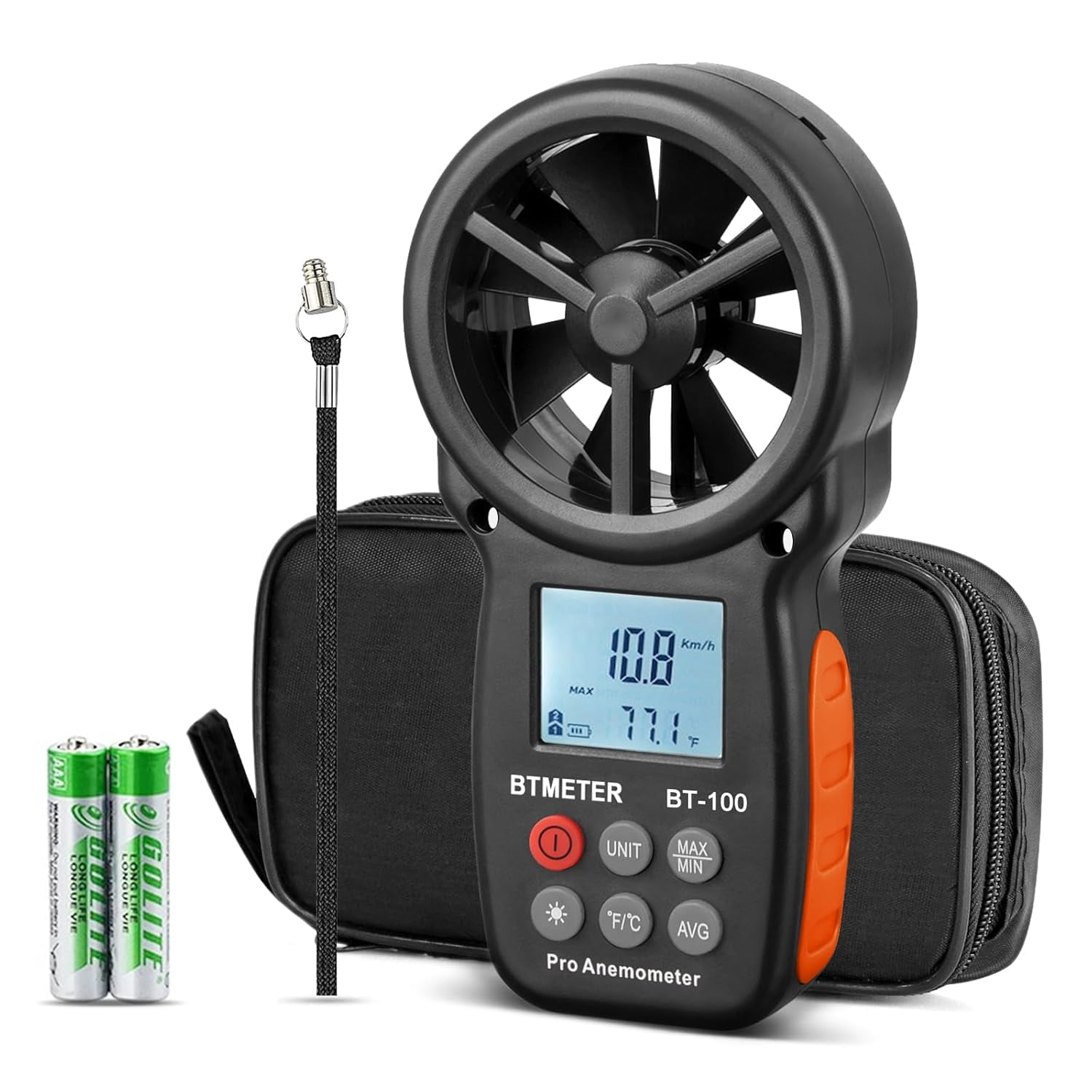
Vane anemometer for register/grille face velocity when you need a delivered-CFM check, not just a cabinet static number.
View on Amazon →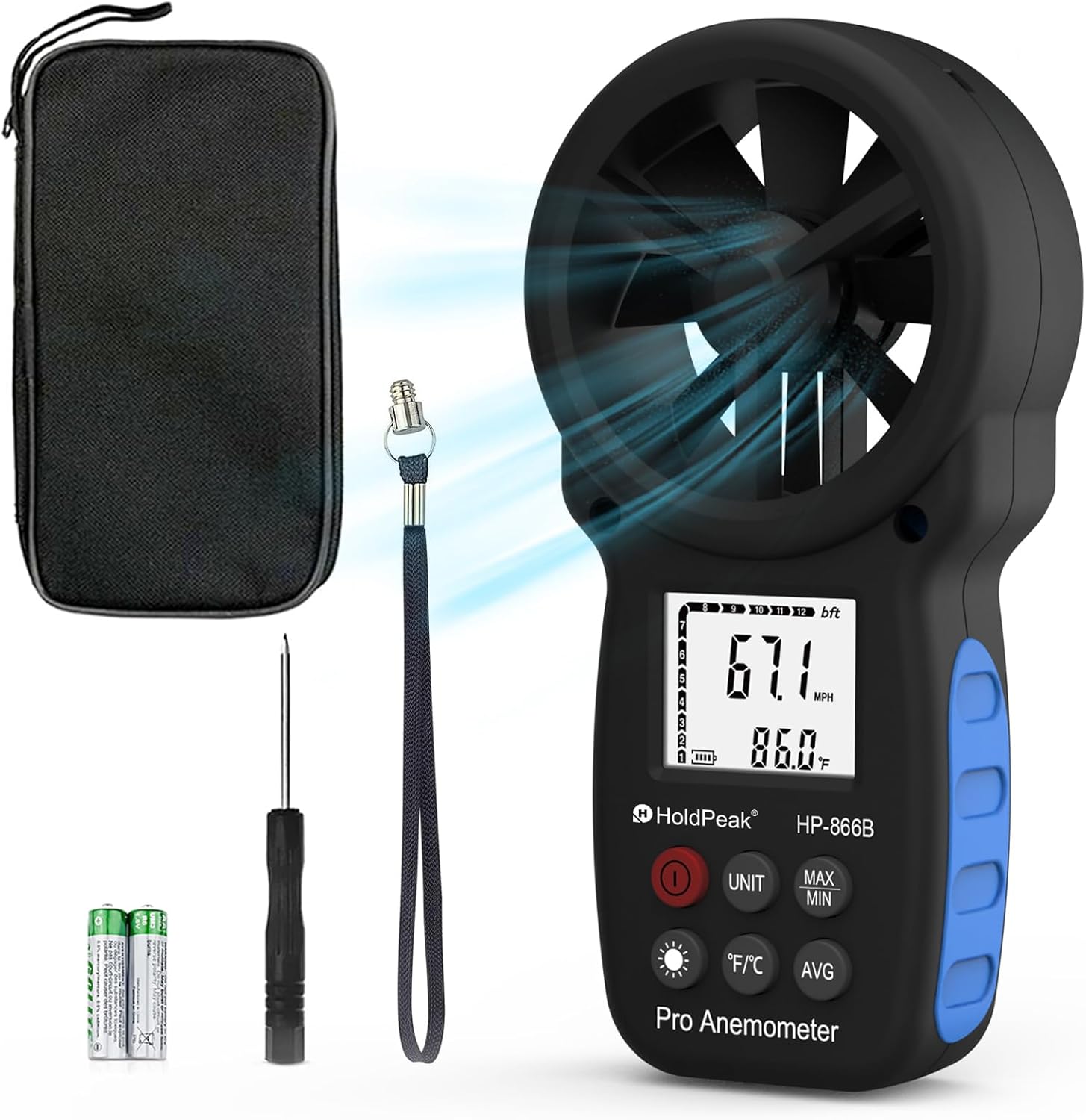
Handheld thermo-anemometer for supply-register FPM. Pair with the ESP reading when high static still leaves rooms starving.
View on Amazon →As an Amazon Associate, TestTalkHQ earns from qualifying purchases.