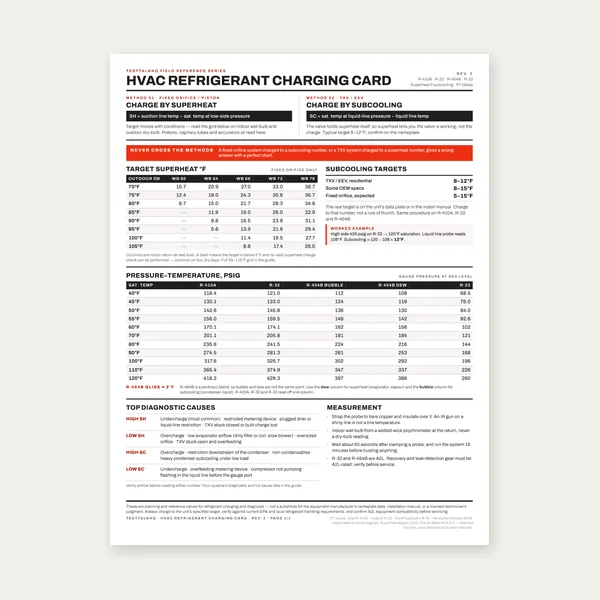
HVAC Refrigerant Charging Card
One page. Superheat, subcooling and PT for four refrigerants.
$3.99
BuyAir compressor sizing for single tools, mixed tool sets, and quick estimates
Calculate required CFM, recommended compressor output, minimum PSI, and tank-size guidance based on your real usage pattern.
One page. Superheat, subcooling and PT for four refrigerants.
$3.99
Buy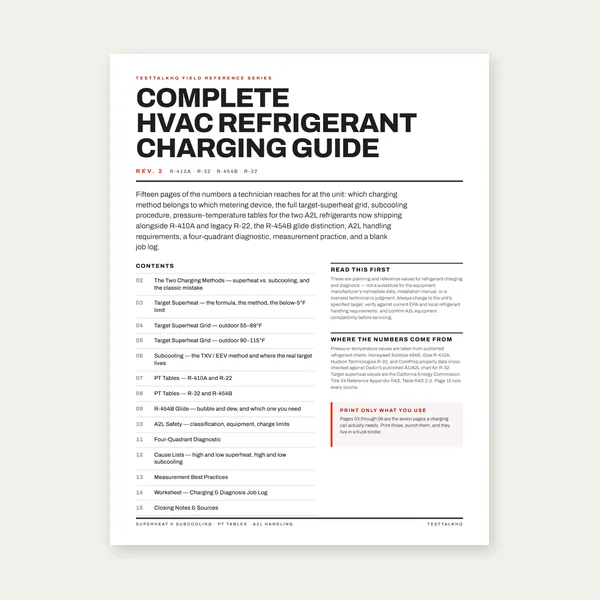
15 pages. Full superheat grid, PT tables, A2L safety and diagnosis.
$12.99
Buy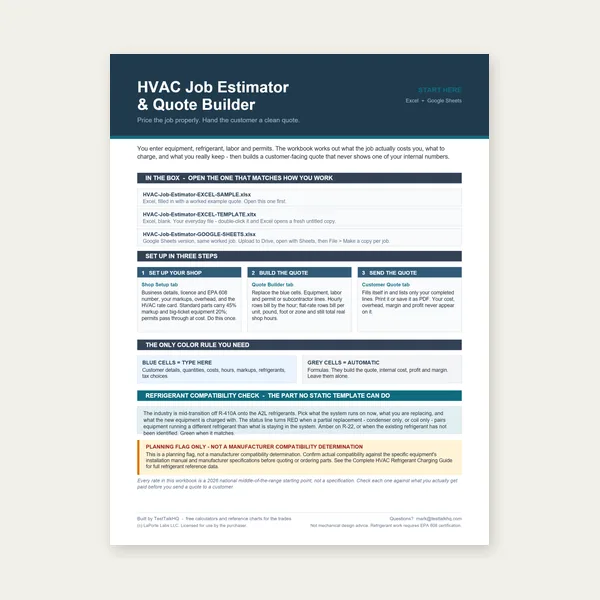
Quote HVAC work and catch a refrigerant mismatch before you order.
Excel or Google Sheets. Best on a computer.
$29.00
Buy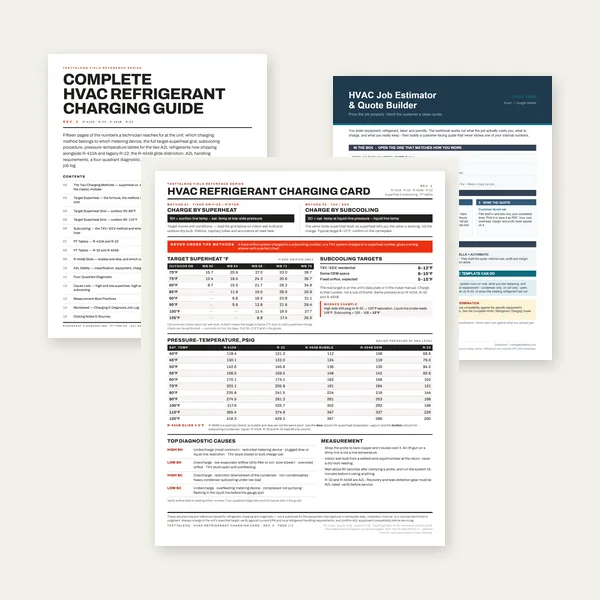
Card, 15-page guide and the estimator workbook. All six files.
Excel or Google Sheets. Best on a computer.
$34.99
$45.98 if bought separately — save $10.99
BuyCheckout opens here — you stay on this page.
Sized to match the CFM ranges from this calculator.
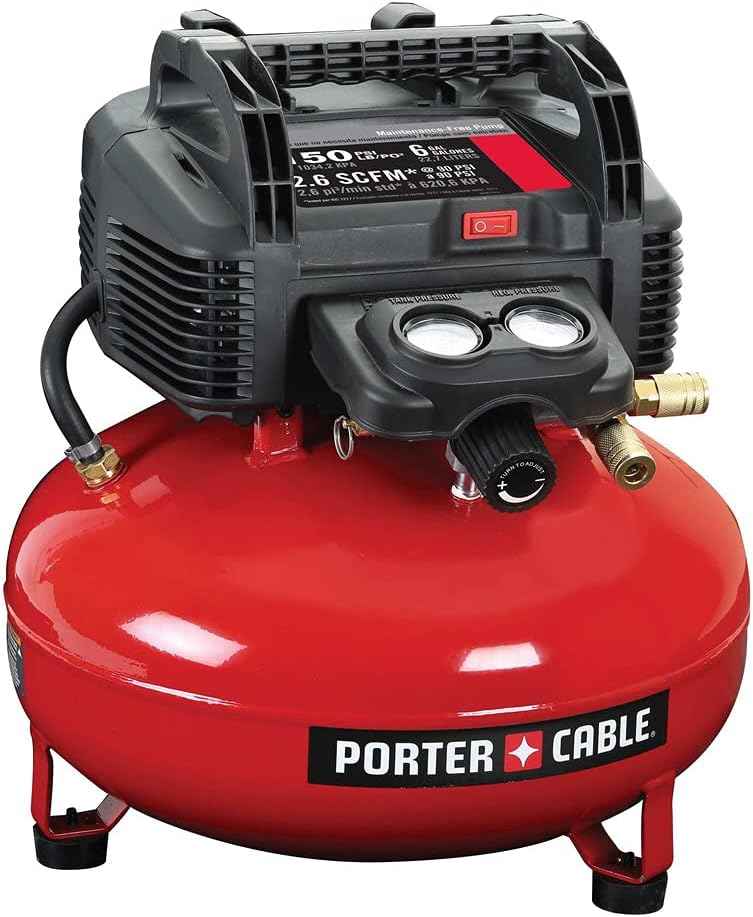
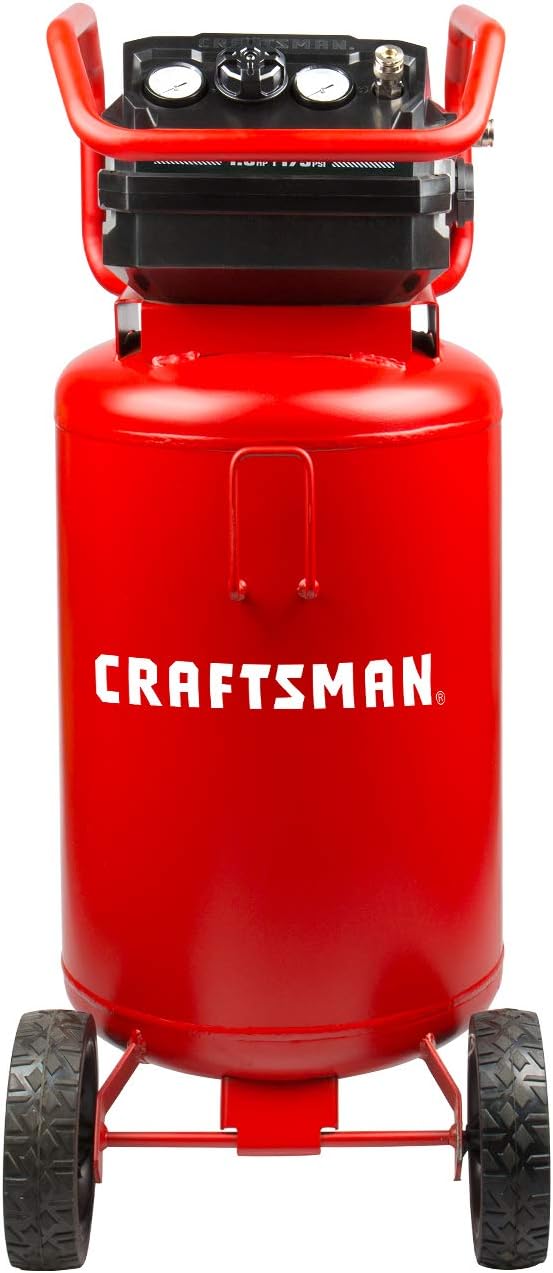

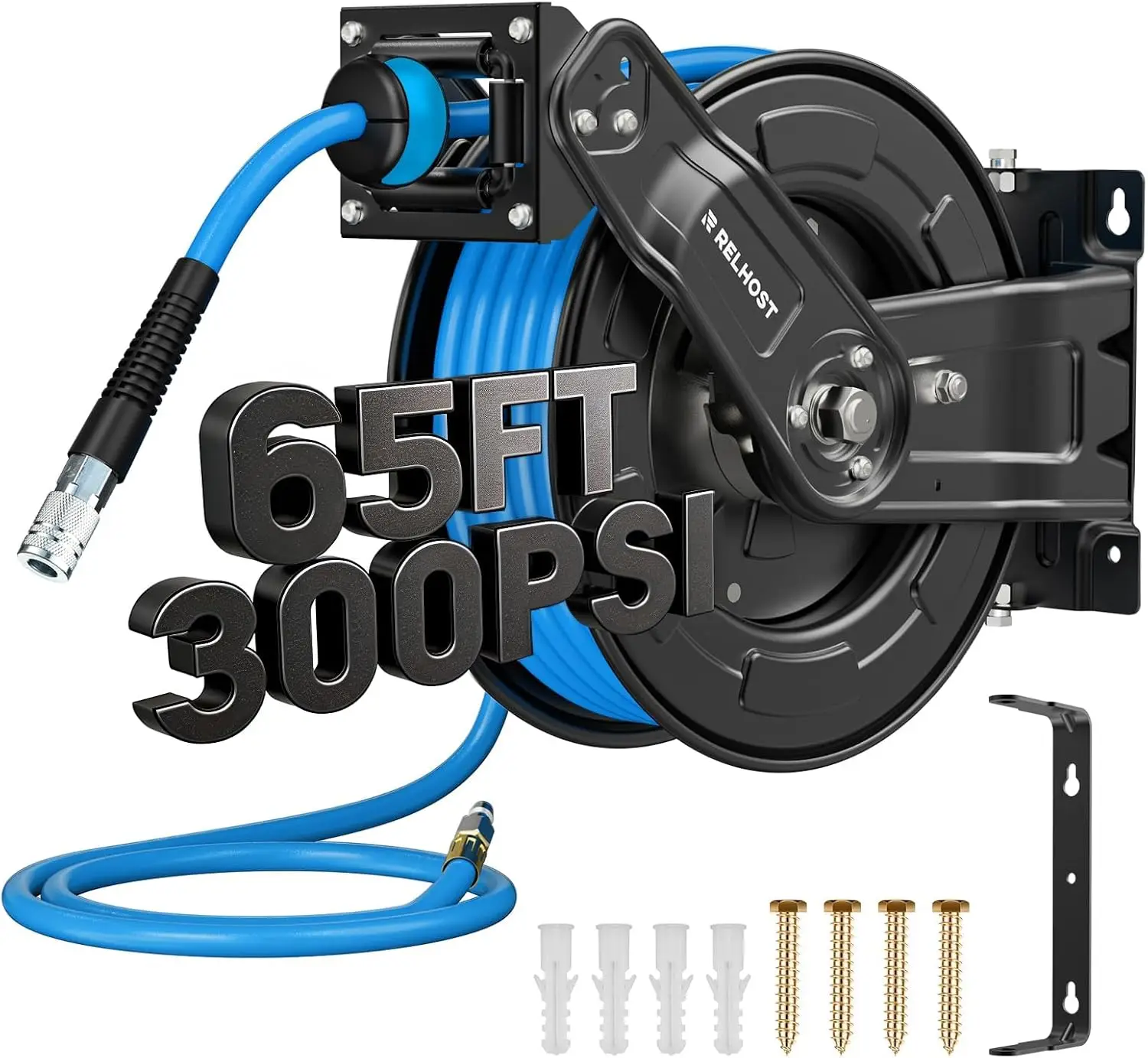
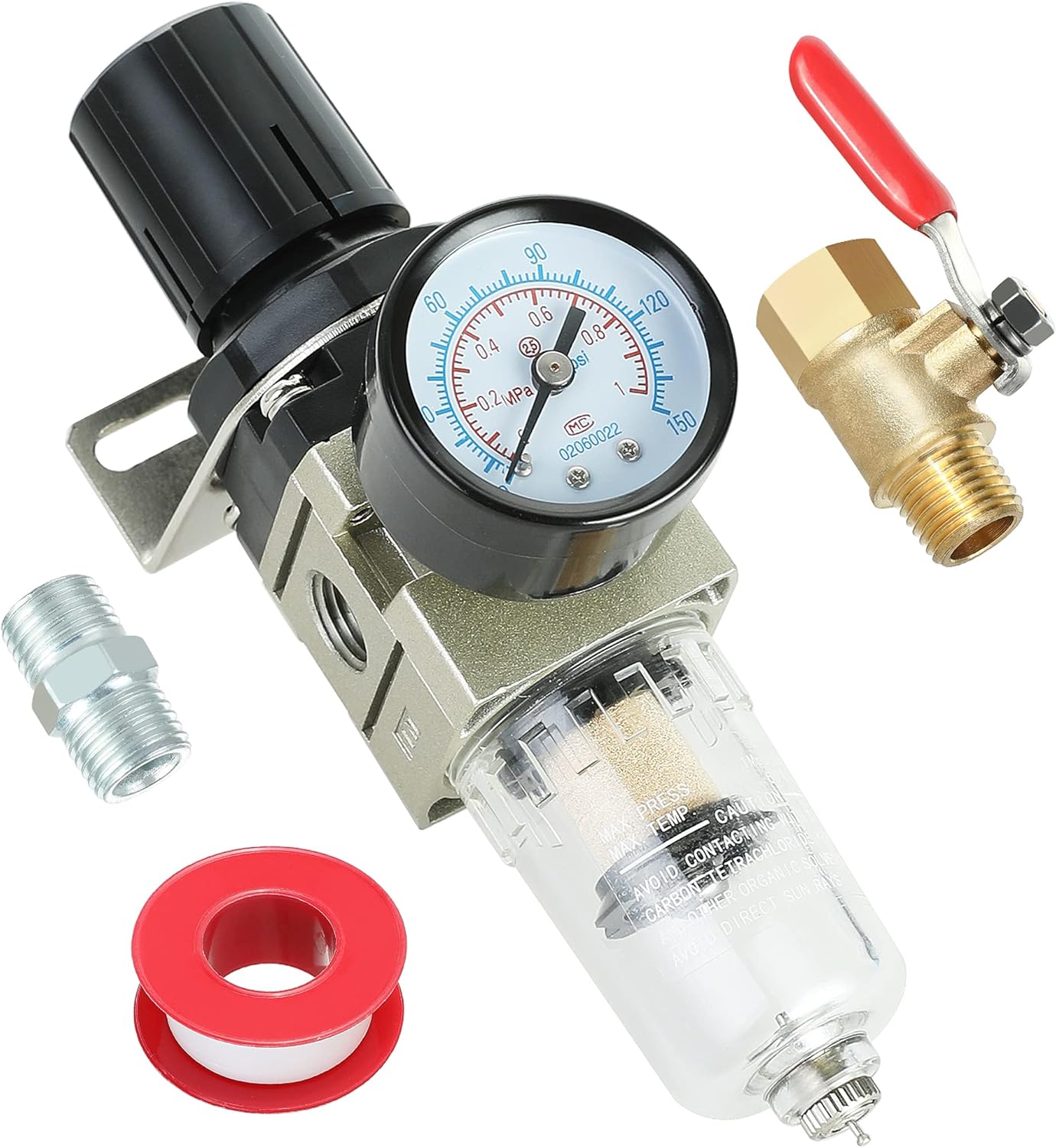
As an Amazon Associate, TestTalkHQ earns from qualifying purchases. Prices and availability may change.
When the numbers look right but shop air still fails, use Air Compressor Troubleshooting for leaks, short-cycling, short runtime, pressure drop under load, and moisture. When you are deciding whether to buy gallons or delivery, read Bigger Tank vs More CFM.
Select single-tool, multi-tool, or quick estimate mode. Enter realistic duty cycle and operating profile, then calculate required and recommended CFM with baseline tank guidance.
CFM is airflow volume; PSI is air pressure. You need adequate flow and enough pressure for your highest-demand tool to avoid power drop during use.
The calculator scales tool CFM by duty cycle to estimate average load. Continuous operations require significantly more compressor headroom than intermittent workflows.
Margin improves compressor longevity, reduces heat, and helps maintain pressure stability under dynamic shop loads.
Usually no. Multi-tool mode applies a diversity factor because not all tools run at full duty simultaneously.
High continuous demand and large airflow requirements generally favor two-stage compressors for better efficiency and sustained output.
Size an air compressor for one tool, a mixed shop, or a quick estimate by shop type. It converts tool CFM and duty cycle into required flow, adds a recommended CFM buffer, and suggests minimum PSI and tank size so the compressor does not sag under real use. Built for plasma cutters, spray guns, grinders, impacts, and other pneumatic gear common in fab and automotive bays.
Buy compressor rated at or above recommended CFM at 90 PSI (or your highest tool PSI), not peak marketing numbers at 40 PSI. Undersized units cause plasma arc drop, inconsistent spray, and short tool life. Oversize tank before you oversize HP when bursts are short but heavy—tank stores air between cycles. Plumb regulators at each drop so paint and plasma see stable pressure, and note that long undersized hose runs steal effective CFM at the tool.
Multiple-tool mode is only as good as the duty cycles you enter—be honest if two grinders run together during fab rush. Quick estimate mode is for budgeting a first machine; rerun in single-tool mode before you buy plasma or a large sander. Dry the air for paint and plasma; moisture shows up as bad cuts and fish eyes before it shows on the CFM math.