Contractor Job Estimator
Price remodels and GC work, then send a quote with no internal numbers.
Excel or Google Sheets. Best on a computer.
$29.00
BuyDiagnose compressors that won’t reach cut-out, short-cycle despite a “correct” tank, run shorter than the calculator predicts, drop pressure under tools that should fit your CFM, and dump excess moisture into lines and finishes
This is a diagnostic guide — not another sizing lecture. Pair it with the Runtime Calculator, Tank Size Calculator, CFM Calculator, and Compressed Air Cost Calculator. For purchase specs use the Air Compressor Buying Guide. When the real question is tank buffer vs pump output, use Bigger Tank vs More CFM.

Use this when the motor runs, the gauge moves, and the tools still behave wrong — or when calculator numbers look fine and the shop air does not.
| Problem | What it usually means | First fix | Next tool |
|---|---|---|---|
| Runs but won’t reach full cut-out | Leak, worn check/reed valve, or motor/pump too weak for the tank volume | Soap-bubble leak hunt with tools off; listen at tank drain, fittings, unloader | Cost Calculator (leak $) |
| Short-cycles / runs more than expected | Hidden leaks, CFM demand above pump delivery, hot ambient derate | Isolate hose at tank outlet; re-check simultaneous tool CFM | CFM Calculator |
| Runtime shorter than calculated | Line loss, condensate volume, regulator set too high / restricted | Measure usable PSI band at the tool, not only tank gauge | Runtime Calculator |
| Pressure drops under “in-spec” tools | Hose ID/length loss, quick-connect choke, multiple tools at once | Upsize hose ID; remove restrictive couplers; one tool at a time test | Tank vs CFM |
| Water in lines / paint / plasma | Warm wet air + no dryer path — draining tank alone is not enough | Drain daily; add FRL + dryer/coalescer downstream; cool the plumbed run | Buying Guide |
What it looks like: Motor spins, you hear pumping, and the gauge climbs slowly — then stalls below the normal cut-out (for example hangs at 90–110 PSI on a 150–165 PSI unit). Sometimes it never opens the pressure switch. Tools feel soft even when the motor has been “working” for minutes.
Why it happens: The pump is either dumping air as fast as it makes it, or it cannot overcome tank volume and back-pressure. A leak past the check valve, a worn reed/valve plate, a stuck unloader, or a motor that stalls under rising head pressure all produce the same symptom: effort without cut-out.
Likely causes checklist:
How to fix it:
What it looks like: You sized the tank with the tank calculator, duty looks intermittent on paper, but the motor kicks on every few seconds. Heat builds. Duty cycle feels like continuous production even for nailers and blow guns.
Why it happens: Short-cycling means stored air is leaving the system faster than the calculator assumed — or the pump’s real SCFM is lower than the brochure. Ambient heat reduces delivered CFM. A “correct” tank size cannot hide a continuous leak or a continuous tool draw.
Likely causes checklist:
How to fix it:
What it looks like: The runtime calculator predicted several minutes between cut-in and cut-out. In the bay you get half that — or the tool goes soft long before the tank gauge hits cut-in.
Why it happens: Calculators model usable tank volume between two pressures. Real shops lose pressure in the hose, waste volume as liquid water, and starve tools at a regulator that is set high while the orifice is tiny. The tank gauge can still look “healthy” while tool inlet pressure collapses.
Likely causes checklist:
How to fix it:
What it looks like: Spec sheet says the compressor makes 5 CFM @ 90 PSI and the impact or die grinder wants 4 CFM. On paper you are fine. Under the load the tool bogs, the hose stiffens/softens oddly, and the tank gauge dives every trigger pull.
Why it happens: Brochure CFM is at the pump. Tools see whatever survives hose friction, coupler orifices, and branching. Two “2 CFM” tools together are a 4 CFM continuous event. Quick-connects with tiny bores can drop 10–20 PSI at high flow even when static pressure looks perfect.
Likely causes checklist:
How to fix it:
What it looks like: Water spits from blow guns, fish-eyes in paint, rusty tool internals, plasma cut quality swings, and a tank drain that never runs dry. You already “drain the tank every night” and the problem keeps returning by mid-afternoon.
Why it happens: Compressing ambient air concentrates water vapor. Hot compressed air holds more moisture; as it cools in the tank and lines, liquid drops out. Draining removes what already condensed in the receiver — it does not stop new water from forming on the next humid fill cycle, and it does nothing for vapor that condenses downstream of the tank in long cool piping.
Likely causes checklist:
How to fix it:
If leak tests pass, hoses are adequately sized, and tools still starve under continuous draw, stop chasing gallons. If tools are bursty (nailers, impacts in short pulls) and the pump rarely runs except to refill a small tank, more receiver volume is the cheaper win. Full decision fork: Bigger Tank vs More CFM — Which Do You Need?
Price remodels and GC work, then send a quote with no internal numbers.
Excel or Google Sheets. Best on a computer.
$29.00
BuyCheckout opens in a new tab.
Six air-compressor catalog picks — FRL, regulator, high-flow fittings, hose management, quiet shop compressor, and a capable portable — sourced from the TestTalkHQ affiliate list
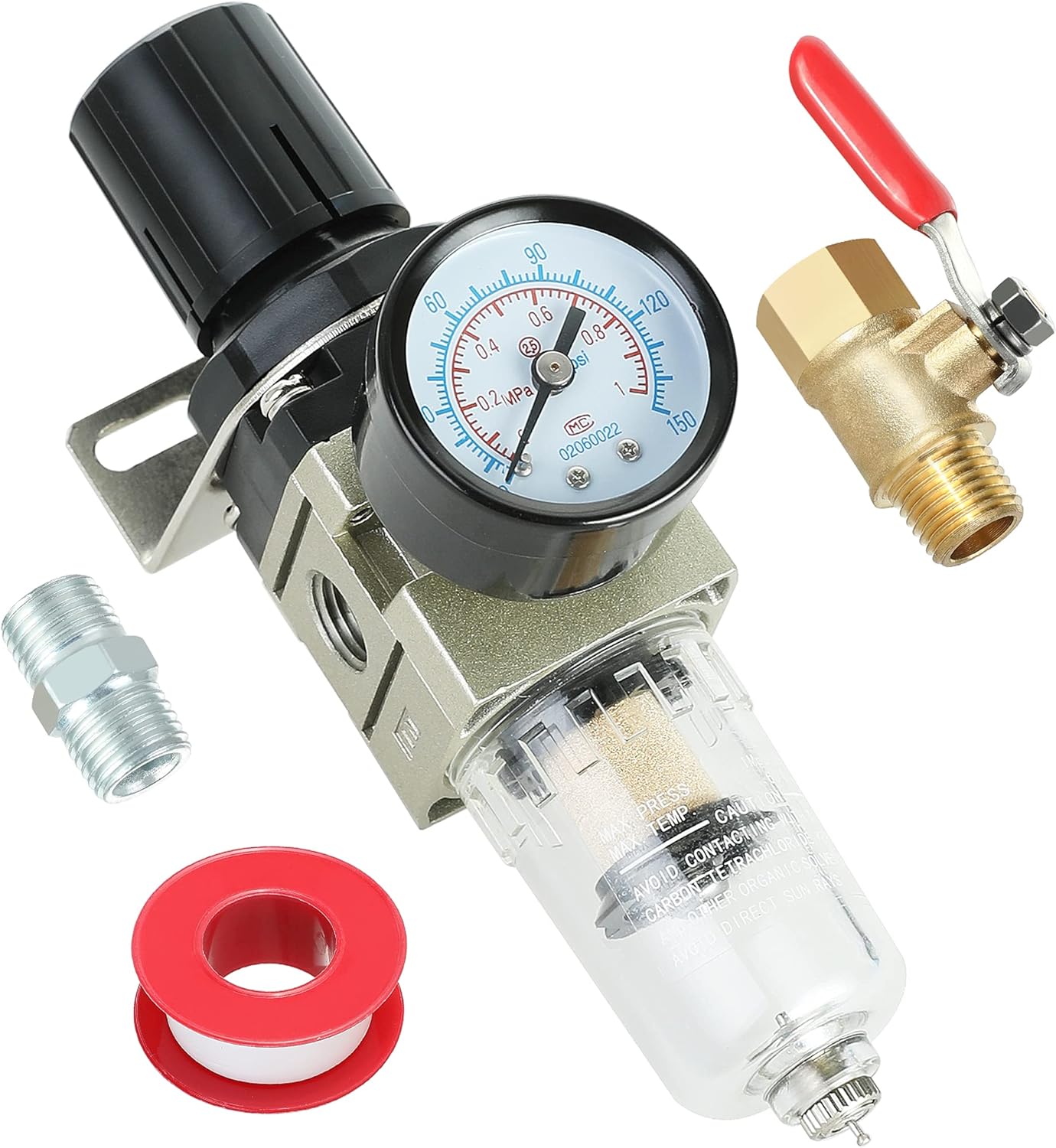
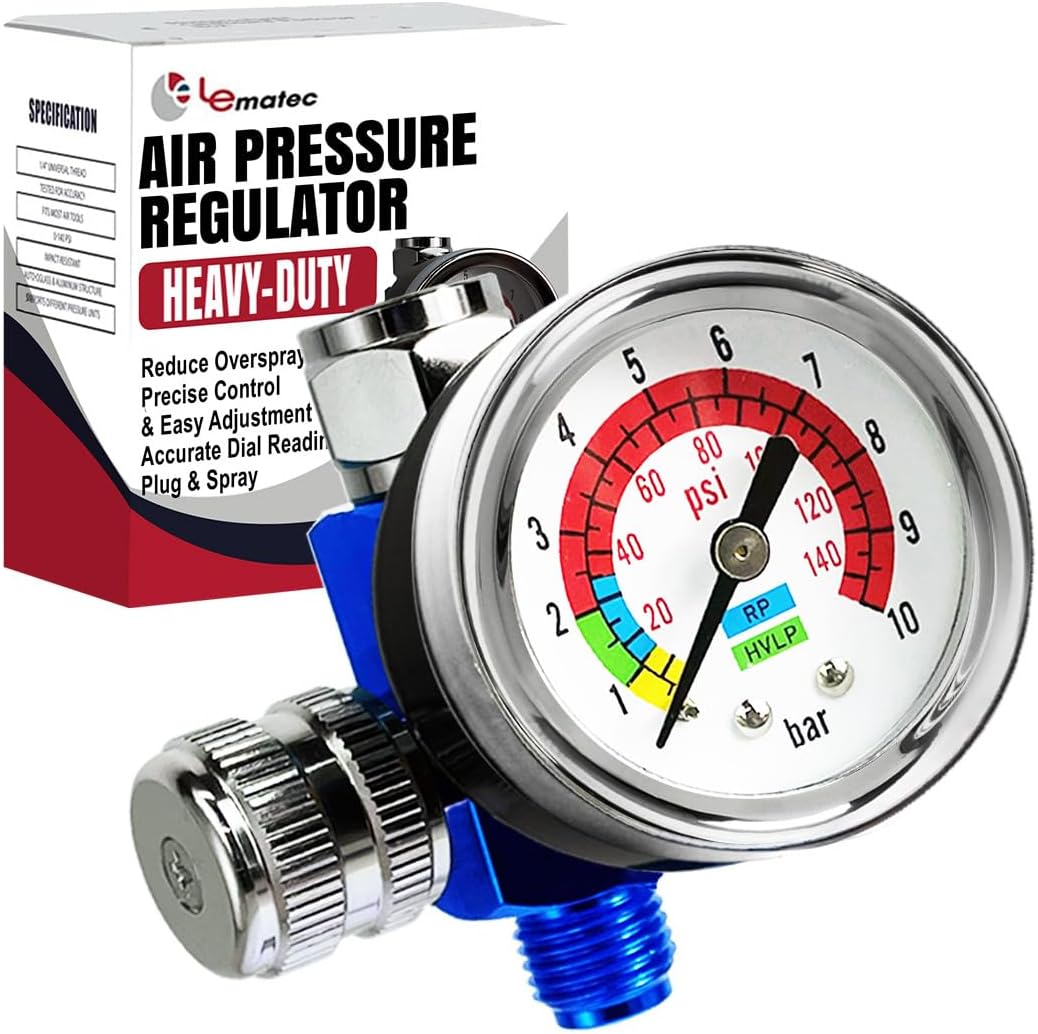
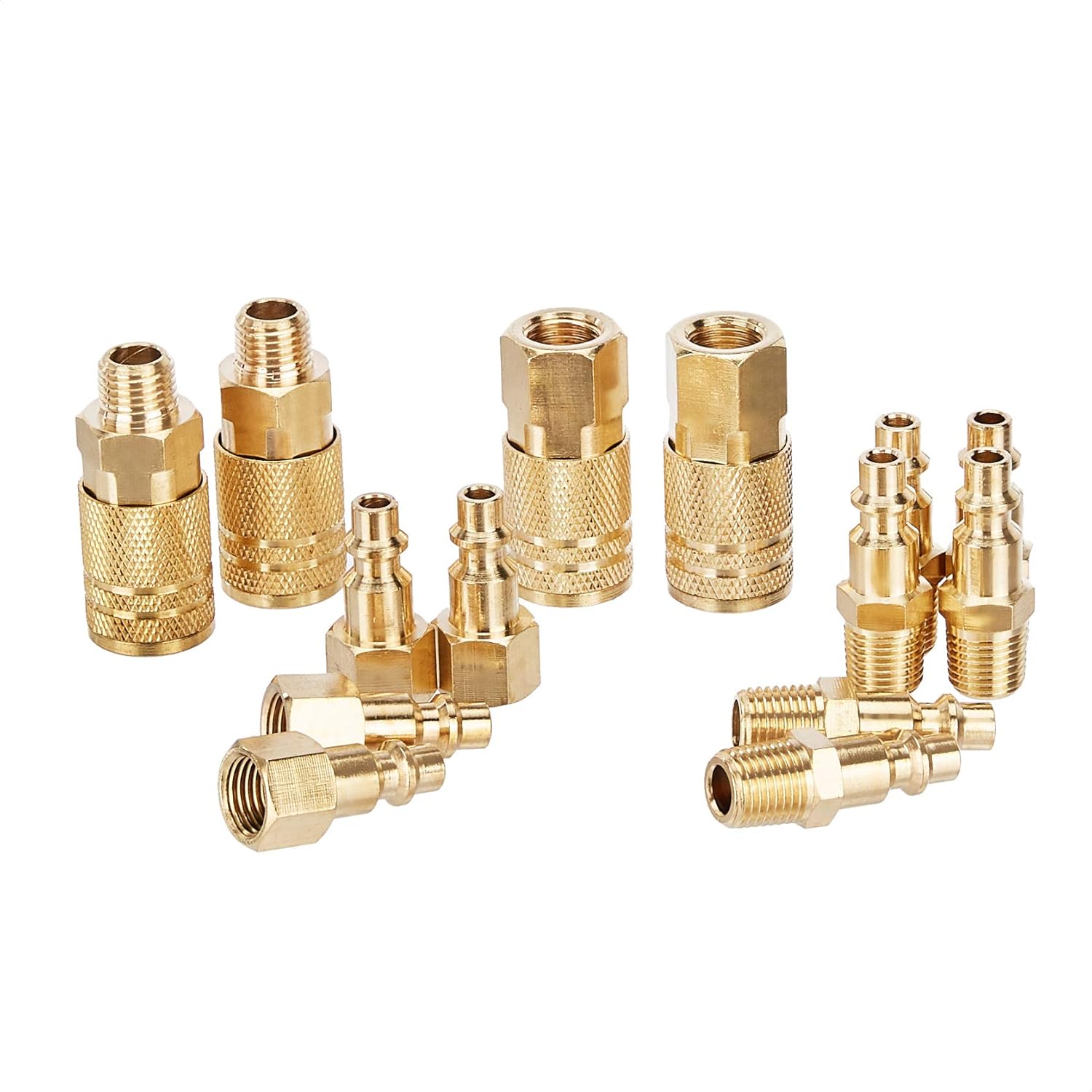
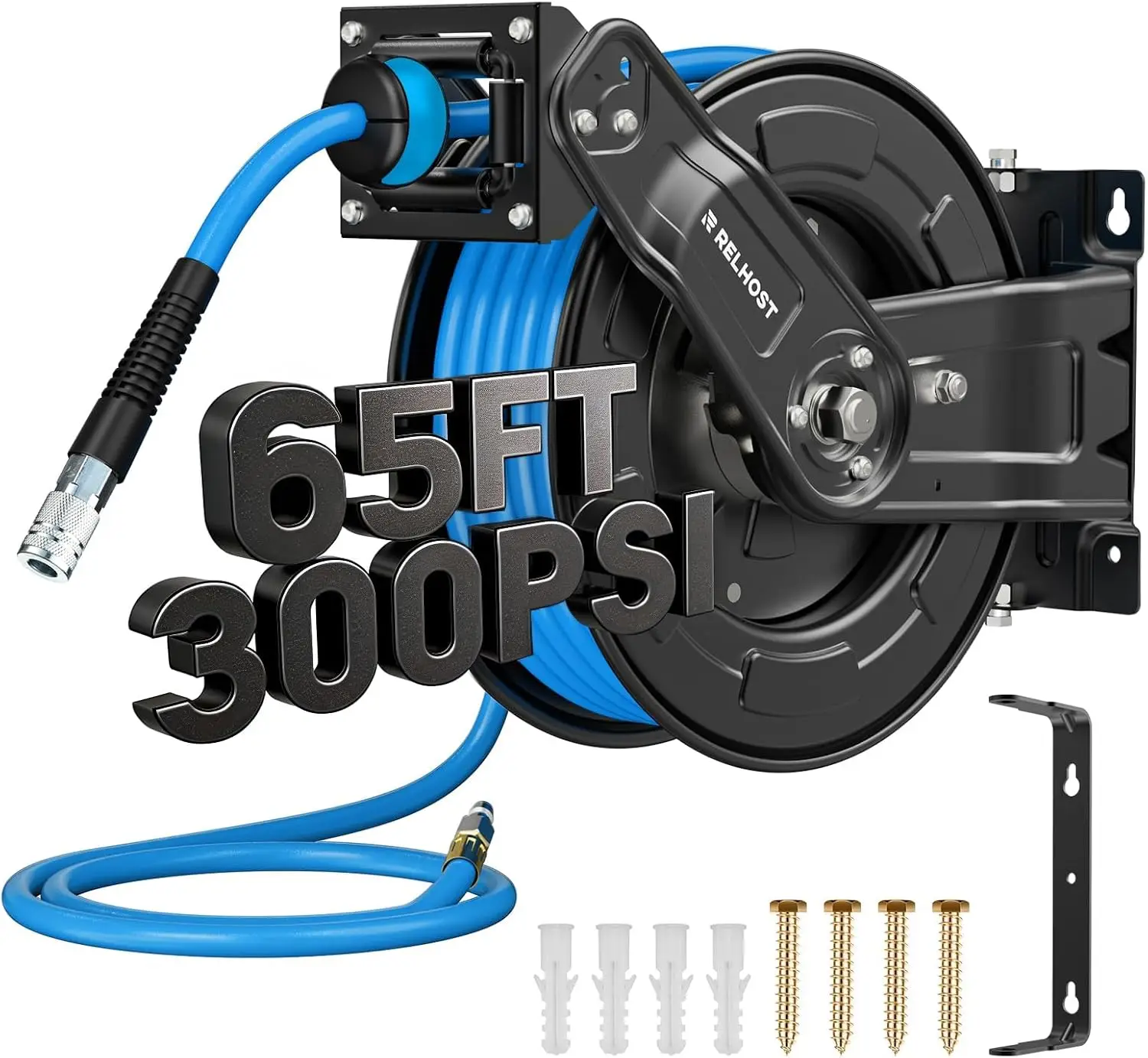
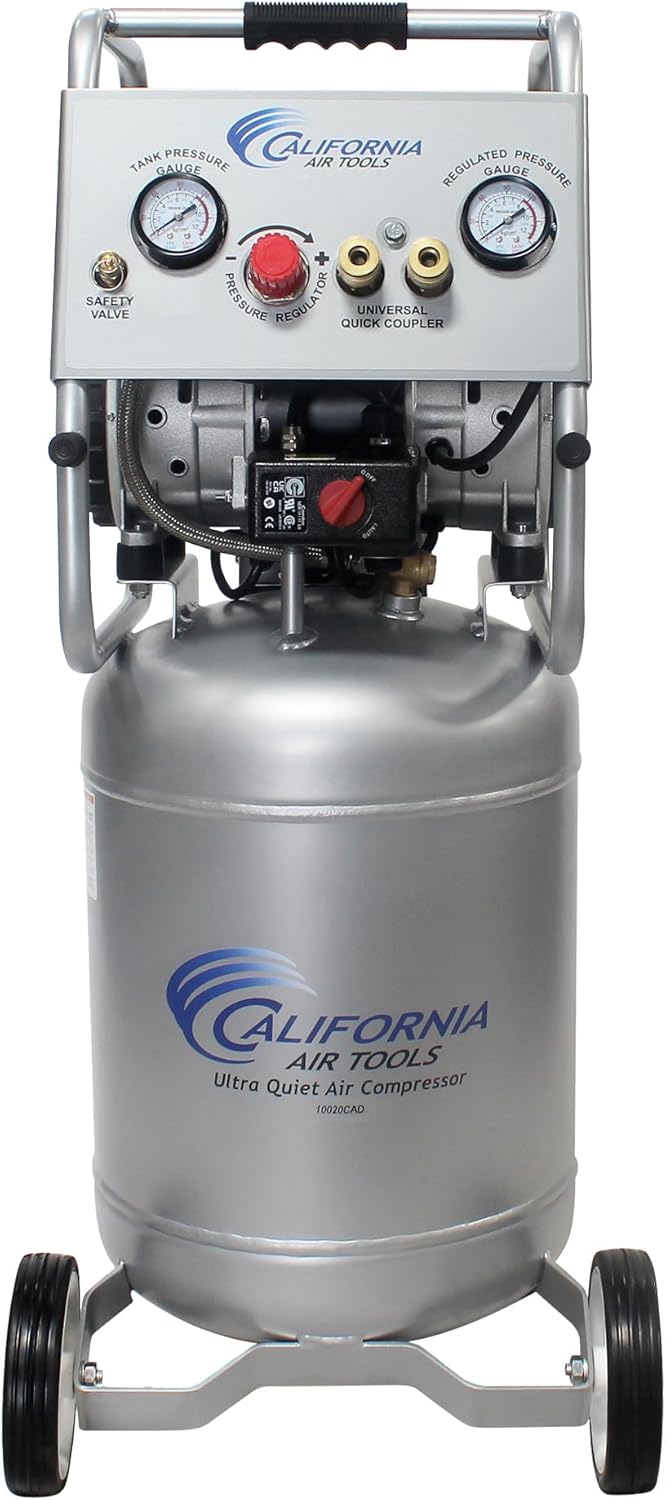
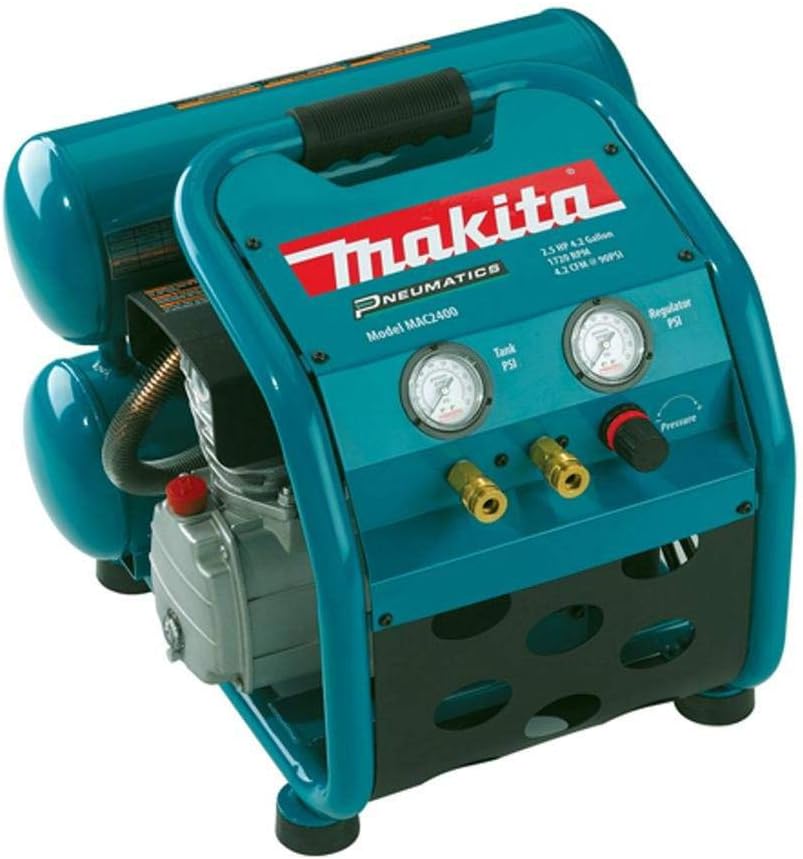
As an Amazon Associate, TestTalkHQ earns from qualifying purchases.
Large tanks only buffer intermittent demand. Continuous tools, leaks, or a pump below tool CFM will keep the motor loaded regardless of gallons. Cap the outlet to separate leaks from demand, then re-check CFM.
You are reading stored pressure, not delivered pressure at the tool. Hose ID, length, quick-connects, and regulator restriction create a pressure drop under flow. Measure at the tool inlet while the tool runs.
No. Draining removes condensed water in the receiver. Finish work needs a proper FRL plus coalescing filtration or a dryer sized for your SCFM, plus cool-down before the gun.
Only briefly. Sanders are continuous-draw tools — once the buffer is gone, undersized CFM still loses. See Bigger Tank vs More CFM.
Leaks add runtime hours. Plug your duty and leak assumptions into the Compressed Air Cost Calculator to see why a “small” hiss becomes a real electric bill.