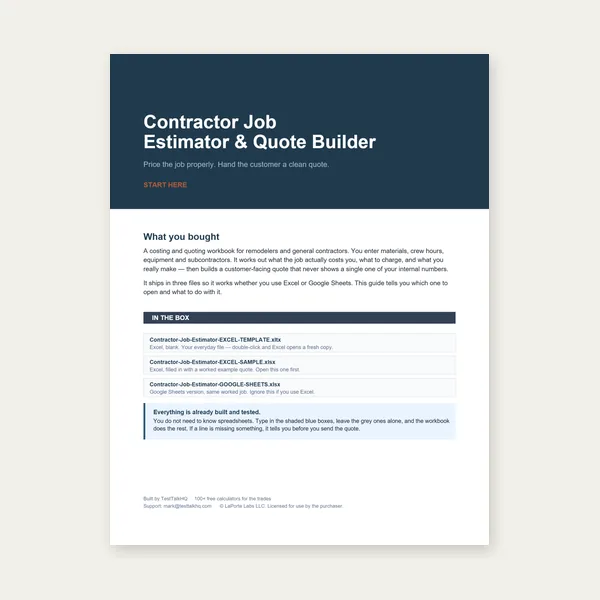
Contractor Job Estimator
Price remodels and GC work, then send a quote with no internal numbers.
Excel or Google Sheets. Best on a computer.
$29.00
BuyTwo IRC tables that both matter for the same post — and why sizing one does not size the other
Both numbers live in IRC Chapter 5, both care about tributary area, and both show up on the same stick of lumber over the same hole. That is where the similarity ends. Footing plan size is Table R507.3.1 (soil + area + load). Maximum post height is Table R507.4 (species + post size + area + load). The footing calculator returns the pad. It does not return how tall a 4x4 may stand. The post table does not return a diameter.
How the pad columns work: footing guide. The beam that sits on the post: beam calculator. Joists: joist calculator.
Need the pad cell?Load, tributary area, soil. Starting point only — verify local soil and frost.
Open Footing Calculator →After you size joists (R507.6) and the beam (R507.5), the load arrives at a post. That post has to do two jobs that the code split on purpose:
Tributary area shows up in both, which is why people mash them together. Area tells the post table how much load is trying to buckle the stick. Area tells the footing table how much load is trying to sink the pad. Species and post size show up only in R507.4. Soil bearing shows up only in R507.3.1. Swap those inputs across tables and you have nonsense.
Same tributary area, 40 psf live load, Southern Pine post, 2,000 psf soil assumed:
Pour a 24-inch tube under a 4x4 that stands 12 feet under 80 sq ft and you still fail R507.4. Cut a 6x6 down to 8 feet and pour an 8-inch cookie on 1,500 psf soil and you still fail R507.3.1. Passing one inspection item is not a bye on the other.
R507.3.1 ignores: lumber species, post size, how tall the post is, connectors, frost depth. It cares about load case, tributary area, and soil. Thickness is for plain concrete. Frost is R507.3.3.
R507.4 ignores: soil bearing, pad diameter, whether you poured a square or a round. It cares about load case, species group, post size, and tributary area. Height is measured from the top of the footing — a buried post still counts the exposed length above the pad or pier.
Connectors (R507.4.1), beam bearing (R507.5.1), and lateral load (R507.9) are yet more sections. The two tables on this page are the pair people actually confuse.
IRC 2021 Table R507.4, 40 psf live load, Southern Pine, maximum height (ft-in) by tributary area. This is not the footing table. It is here so you can see the same area column doing a different job. Full post-height rows for other species and snow loads live in the adopted code, not in the footing calculator.
| Post size | 20 | 40 | 60 | 80 | 100 | 120 | 140 | 160 sq ft |
|---|---|---|---|---|---|---|---|---|
| 4x4 | 14-0 | 13-8 | 11-0 | 9-5 | 8-4 | 7-5 | 6-9 | 6-2 |
| 4x6 | 14-0 | 14-0 | 13-11 | 12-0 | 10-8 | 9-8 | 8-10 | 8-2 |
| 6x6 | 14-0 | 14-0 | 14-0 | 14-0 | 14-0 | 14-0 | 14-0 | 14-0 |
| 8x8 | 14-0 | 14-0 | 14-0 | 14-0 | 14-0 | 14-0 | 14-0 | 14-0 |
Source: IRC 2021 Table R507.4 (Deck Post Height), 40 psf live load, Southern Pine, as reproduced in the Town of Topsham, Maine 2021 IRC deck extract (ICC Order #101689801). Measured from underside of beam to top of footing or pier. Interpolation permitted; extrapolation not. This excerpt is a starting point — verify the adopted table.
Both. Extra posts cut tributary area. Smaller area allows a shorter pad in R507.3.1 and can allow a smaller or taller post in R507.4. It also shortens the beam span. That is why adding a post is a load-path change, not just a footing change.
No. Post size does not shrink the pad. Soil and area do. A 6x6 is for height and buckling, not for buying a 10-inch tube on clay.
Neither of these two tables. Depth is R507.3.2 / R507.3.3. A legal diameter at the wrong elevation still heaves: troubleshooting.
Price remodels and GC work, then send a quote with no internal numbers.
Excel or Google Sheets. Best on a computer.
$29.00
BuyCheckout opens in a new tab.
Confirm the post grid and the hole. The table does not replace a square on layout or a tape on frost depth.
Mark post layout after the beam table says the span reaches. Tributary length starts there.
View on Amazon →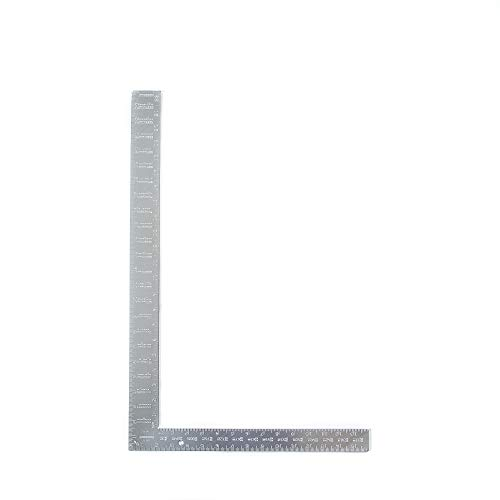
Quick 90s and post-plumb checks over a fresh pad. Soil column still has to be a number you can defend.
View on Amazon →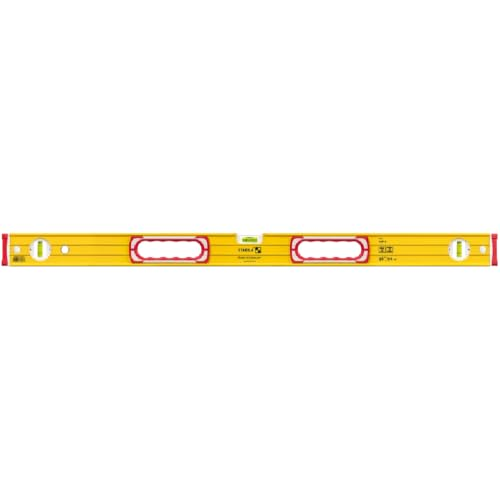
Existing settlement is a field measurement first: dish in the deck, gap at the ledger. Compare that to the tabulated pad second.
View on Amazon →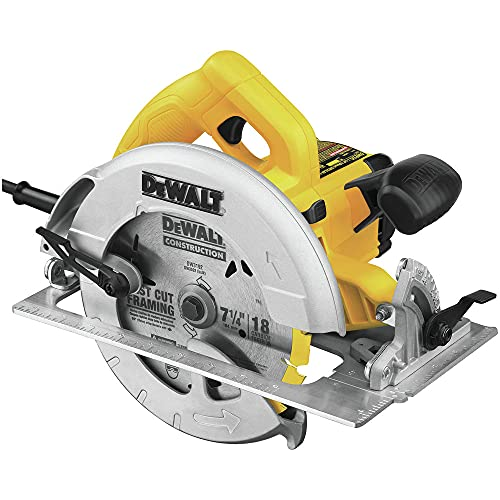
Posts get cut to Table R507.4 height, not to the pad diameter. Different table, same post.
View on Amazon →
When the deck also needs stairs, lock the square. Footing size and stringer math are separate.
View on Amazon →
Load, tributary area, soil column. Starting point only — verify local soil, frost, and code.
Open Deck Footing Size Calculator →As an Amazon Associate, TestTalkHQ earns from qualifying purchases.