
Contractor Job Estimator
Price remodels and GC work, then send a quote with no internal numbers.
Excel or Google Sheets. Best on a computer.
$29.00
BuyDiagnose overruns, low bids, mixed-process misses, empty spools mid-job, and multi-pass groove surprises — when the calculator already “passed”
Not another how-to-estimate lesson. Pair this with the Electrode & Wire Consumption Calculator when the math looked fine and the spool still died early. For formulas use the Consumption Guide. For which estimating method to pick use Estimating Methods — Which to Use. Plate, bar, or scrap density/dimension fights that are not electrode takeoff: metal weight troubleshooting.

| Problem | What it usually means | First fix | Next tool |
|---|---|---|---|
| Usage well over estimate | Efficiency too optimistic; wrong diameter; arc-on ≠ shift time | Drop efficiency to process reality; confirm wire size; measure arc-on | Consumption Calculator |
| Bid too low | Missing stub/purge waste; joint volume undersized vs actual weld | Add waste factor; measure finished bead size, not drawing minimum | Weld Cost Calculator |
| Mixed-process mismatch | MIG efficiency applied to stick/flux-core (or reverse) | Split estimate by process; never one efficiency for the whole job | Deposition Rate Calc |
| Spool/box dies mid-job | Assumed high arc-on; fit-up ate the shift; no repair allowance | Use shop operating factor; add 15–25% contingency | Consumption Guide |
| Multi-pass groove overrun | Single-pass volume used for multi-pass joint | Count passes / use groove volume, not fillet shortcut | Filler Metal Weight Calc |
What it looks like: Calculator said 18 lb; shop burned 26 lb. Same length of weld on the print.
Likely causes: Deposition efficiency too high (short-circuit MIG entered as 95% spray; stick entered without stub/slag loss). Wrong diameter assumed (.030 ordered, .035 used — or reverse). Arc-on time treated as total shift time so “hours of welding” inflated productivity and understated pounds for the calendar day.
Fixes: Re-run with process-realistic efficiency (short-circuit often mid-80s; stick net ~60–68% after stub). Confirm the spool tag diameter. Separate arc-on from fit-up using a realistic operating factor — see Weld Deposition Rate Calculator for lbs/hr context.
What it looks like: Won the job; consumable line item is already underwater by day two.
Likely causes: Missing waste — stick stubs, MIG purge/starts, tack scrap, cutoffs. Joint volume assumed from minimum drawing size while the welder built larger beads for fit/gap. No repair or rework allowance on dirty steel.
Fixes: Add an explicit waste factor (often 10–20%+) after efficiency. Measure sample bead legs on scrap of the same joint. Feed corrected pounds into the Weld Cost Calculator — do not only patch the hourly rate.
What it looks like: One “job total” used MIG defaults for stick root + flux-core fill, or vice versa. Actual boxes and spools diverge wildly by process.
Likely causes: One efficiency and one diameter applied to a mixed-process traveler. Stick slag/stub physics are not MIG spray physics.
Fixes: Line-item each process. Convert each to pounds (or rods) separately. Never average 95% and 65% into “80% for the job.”
What it looks like: Math said the 33 lb spool covers the week; empty Wednesday noon.
Likely causes: Real arc-on far below assumed — positioning, grinding, inspection. Starts/stops and burn-backs eating wire. Extra passes for gap or distortion not on the takeoff.
Fixes: Estimate with shop operating factor (often 20–40% arc-on, not 100%). Add contingency for repairs. Track actual lb/day for two jobs and calibrate — the calculator cannot invent your shop’s downtime.
What it looks like: Fillet or single-pass shortcut used on a V-groove / multi-pass butt; consumable burn is 1.5–3× the bid line.
Likely causes: Pass count not in the volume. Root + hot + fills + caps each add metal. Calculator joint type left on fillet while the traveler called groove.
Fixes: Use groove / multi-pass joint inputs (or Filler Metal Weight Calculator for volume). Count passes from the WPS or a mock-up. Re-run consumption after the volume is honest.
Wrong estimating method for the geometry? Volume vs weight shortcuts vs length rules-of-thumb — pick the method before blaming the spool.
Estimating MethodsFast length rules work for repetitive fillets; volume wins on complex grooves; weight charts bridge both when you already know lbs/ft. Choose the method that matches job geometry before rewriting efficiency percentages.
Price remodels and GC work, then send a quote with no internal numbers.
Excel or Google Sheets. Best on a computer.
$29.00
BuyCheckout opens in a new tab.
Five CSV catalog picks for re-testing estimates after you fix efficiency, waste, and process splits
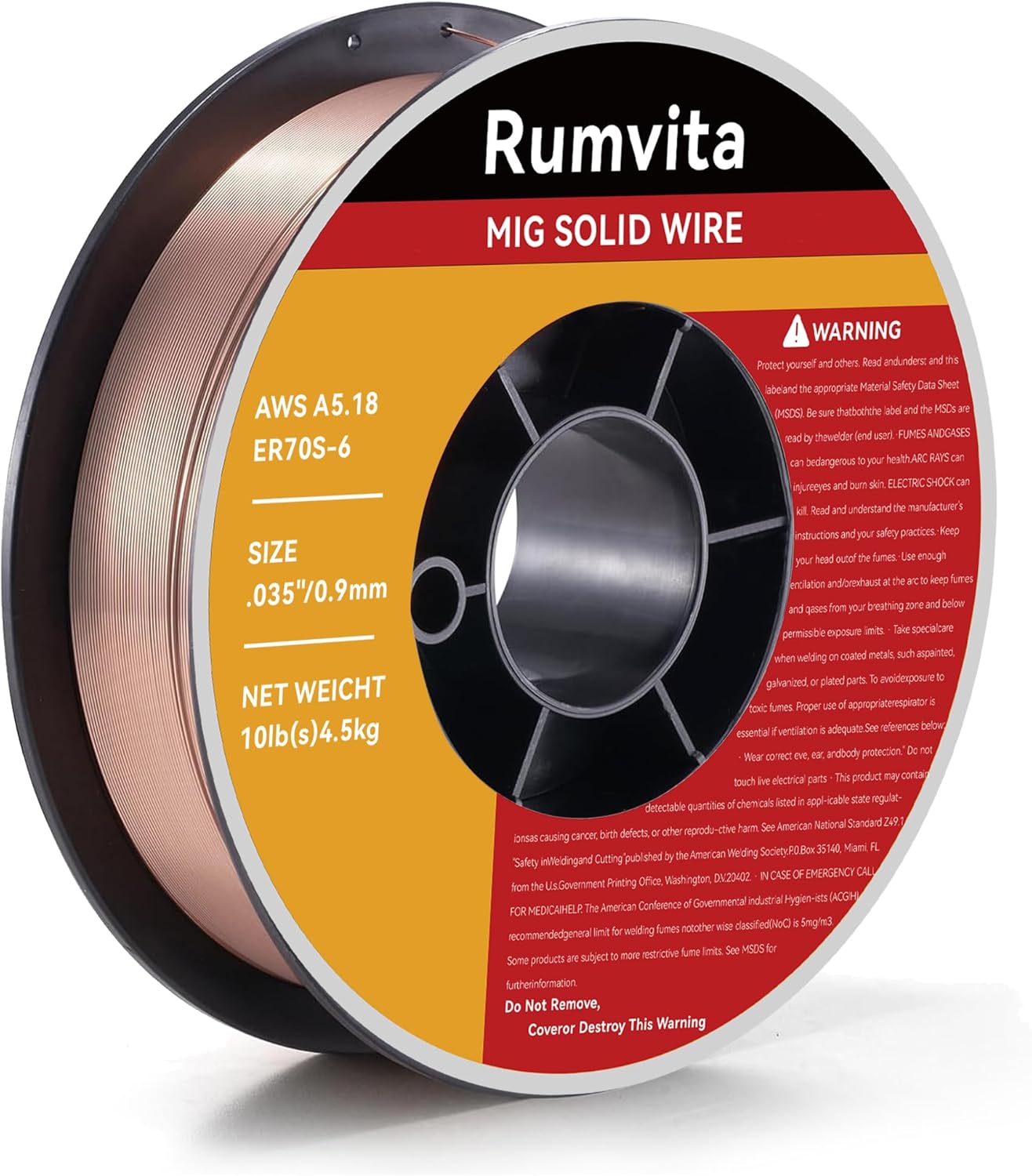
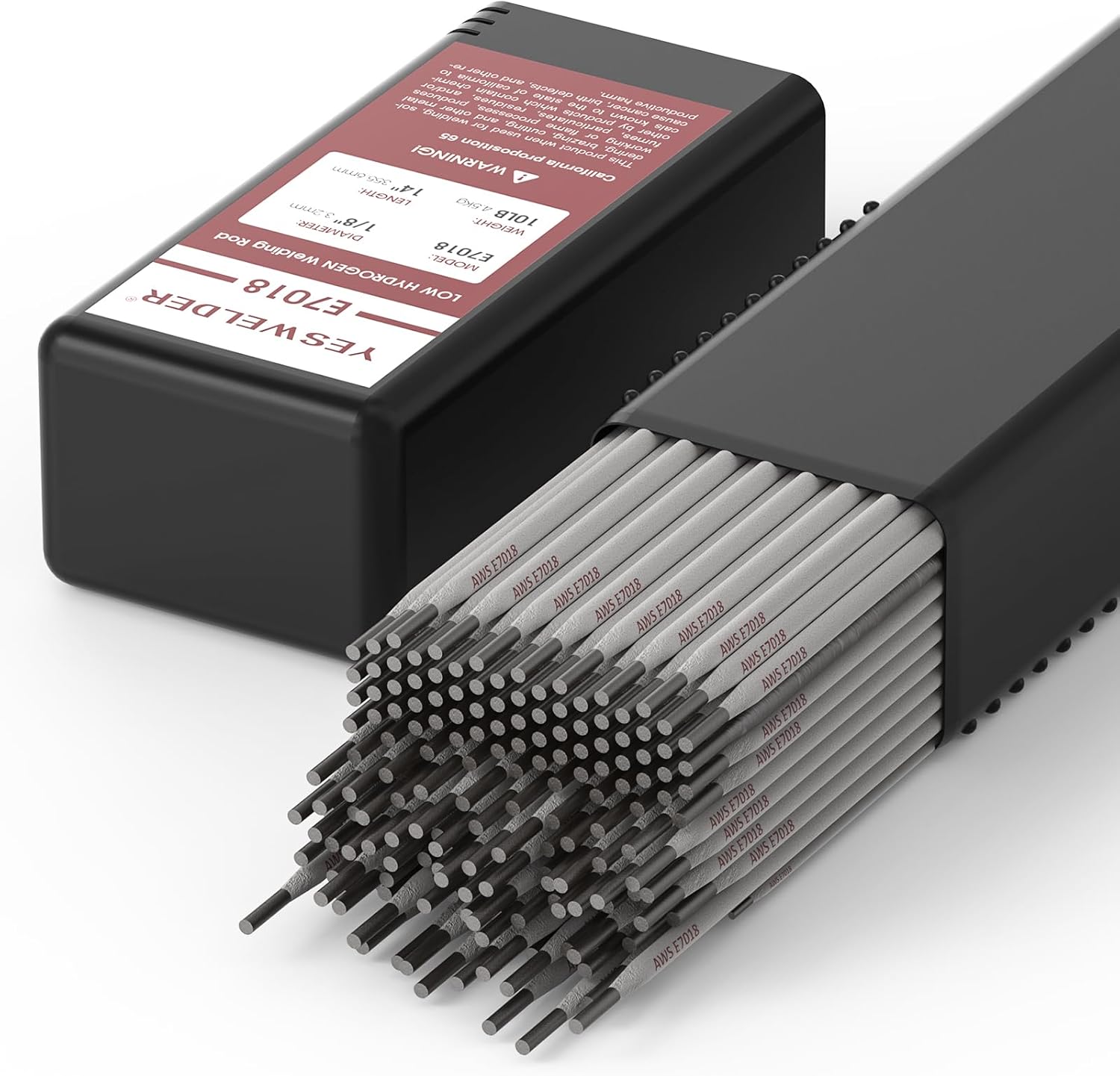
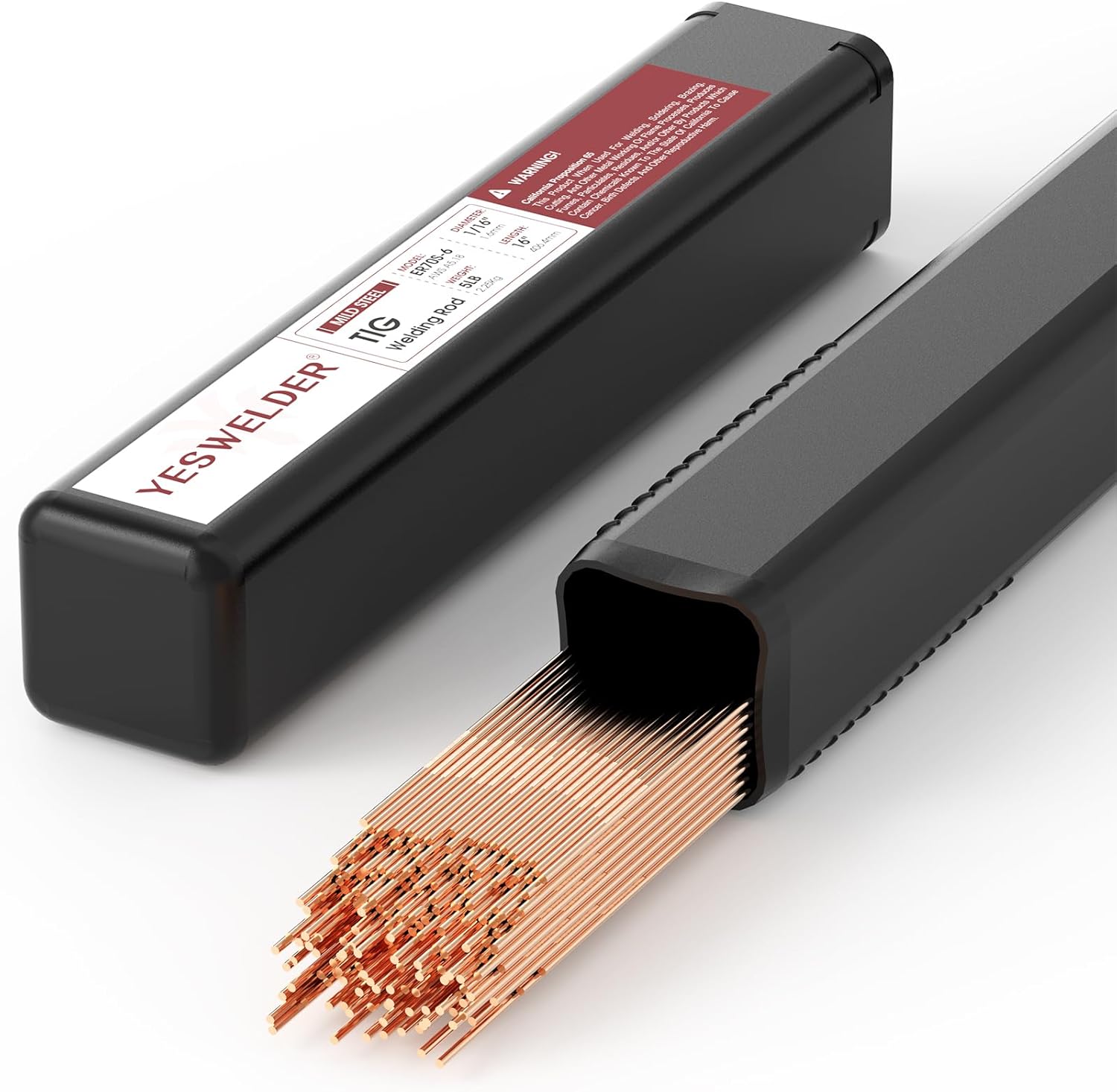
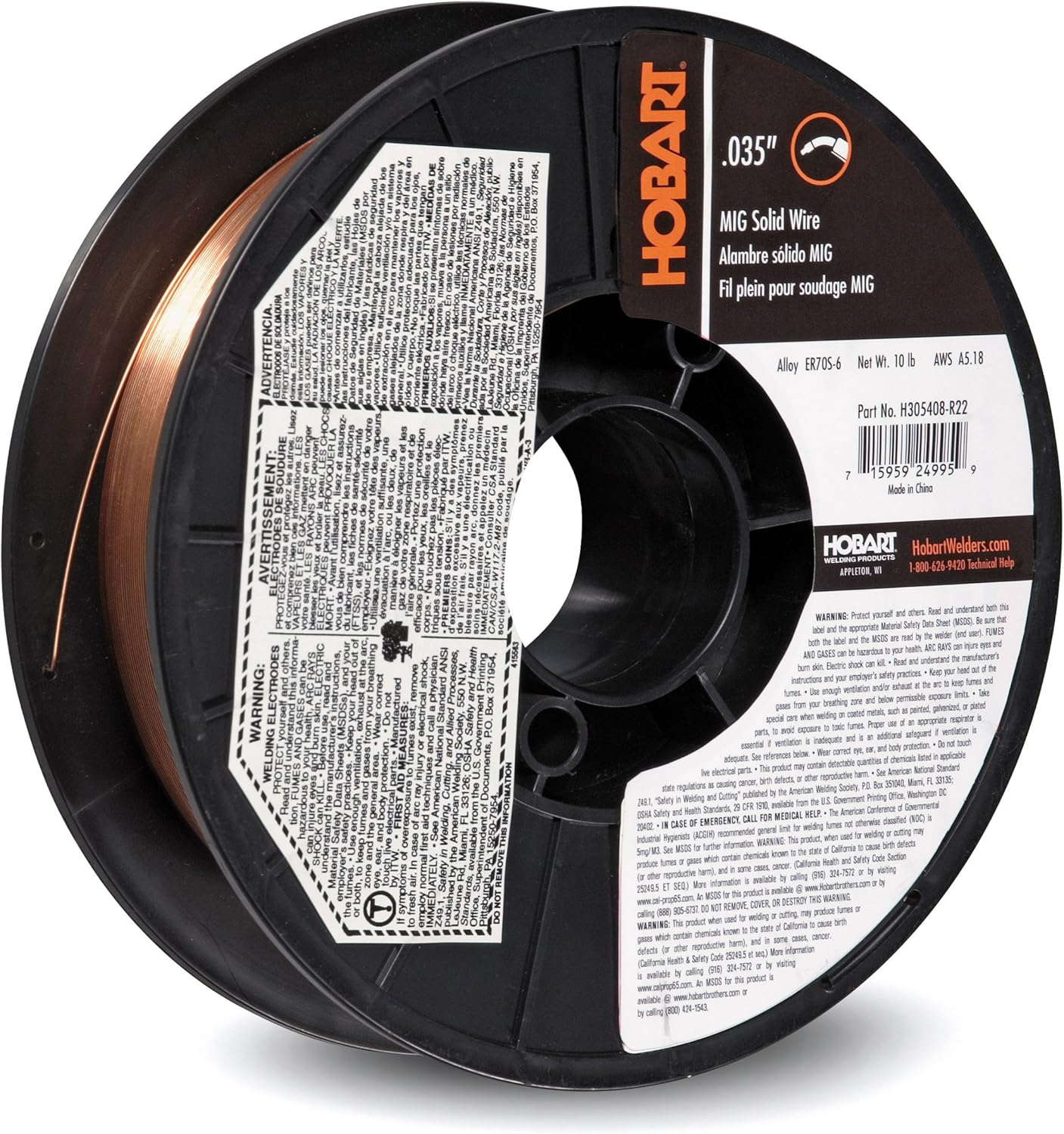
As an Amazon Associate, TestTalkHQ earns from qualifying purchases. All five cards are sourced only from the affiliate CSV.
Efficiency, waste, actual bead size, arc-on factor, or pass count drifted from the inputs. Re-audit those five before changing formulas.
No. Split the takeoff by process or the pounds will lie.
No. The guide teaches estimation. This page diagnoses failures when the estimate already looked correct.
Calculate wire feet and arc-on hours with the Wire Spool Runtime Calculator, review density and efficiency in the Wire Spool Runtime Guide, then compare changeover labor and inventory risk in 10 lb vs 33 lb Welding Wire Spools.