High & Low Superheat / Subcooling Troubleshooting

Overcharge vs undercharge vs airflow — how to tell them apart from the gauges

A low number is not automatically “add gas.” A high number is not automatically “recover.” Superheat and subcooling move for charge, metering restrictions, condenser dirt, and indoor airflow. The split between SH and SC — plus a 30-second air-side check — is how you stop guessing.

Compute the number first: Superheat / Subcooling Calculator. Probe placement: measurement guide.

Confirm high vs low before you weighThen pick overcharge, undercharge, or airflow.

Open Calculator →

Jump to what you need

Read Superheat and Subcooling Together

One number is a clue. Two numbers pick a side. You will not always have both (piston techs live on SH; TXV techs live on SC), but when you can take the other, do it.

SuperheatSubcoolingFirst suspect
HighLowUndercharge / leak
LowHighOvercharge
HighHighRestriction (drier, piston, kink) or high load + dirty condenser mix — do not add gas
LowLowLow indoor airflow / low load (piston flooding) or a wide-open metering device
Normal (TXV)LowUndercharge — TXV is still holding SH
Normal (TXV)HighOvercharge — TXV is still holding SH
Wild, SC OKOn targetTXV bulb, charge in bulb, equalizer, or stuck valve — not a charge call
Example — R-410A piston, 5°F SH, house still warmLow SH looks like overcharge. If return static is −0.50 in. WC and delta-T is 24°F, the coil is starving for air and the refrigerant is not boiling off. Recovering to “fix SH” makes capacity worse. Fix the filter / duct, then re-SH.

Low and High Superheat Causes

Low superheat (flooding)

  • Overcharge on a piston. Extra liquid in the evaporator, SH collapses, compressor sees liquid. Recover to target SH after you confirm airflow.
  • Low indoor airflow / low load. Dirty filter, closed supplies, undersized return, blower on the wrong tap. Not enough heat to boil the feed. SH drops. This is the one techs miss when they “add two pounds” on a 95°F day with a clogged media cabinet.
  • Oversized orifice or a piston that was swapped wrong after a coil change.
  • TXV stuck open (if this is actually a TXV system — then you should not have been charging by SH in the first place).

High superheat (starving)

  • Undercharge / leak. High SH, usually low SC, low suction. Sniff before you keep filling. High SH plus a stained evaporator drain is not a mystery.
  • Restricted metering device, filter-drier, or liquid line kink. High SH and often high SC — liquid is backing up before the restriction. Replacing the drier beats adding gas.
  • High indoor load (hot attic return, oversized home, first hour after setback). SH runs high until load drops. Do not finish a charge on a 110°F return without saying so on the ticket.
  • Wrong refrigerant selected on the manifold. Garbage sat temp, garbage SH. Confirm R-410A vs R-22 vs R-32 on the bottle and the nameplate.

Causes that live in the duct, not the bottle, belong on ESP troubleshooting and CFM troubleshooting.

Low and High Subcooling Causes

Low subcooling

  • Undercharge / leak — the usual TXV story. Weigh toward the OEM target (often 8–12°F).
  • Liquid-line restriction upstream of the port so your “liquid” pressure is not really condenser outlet pressure.
  • Fan cycle / low outdoor ambient dropping head so there is little liquid to subcool. Some units need a low-ambient kit; charging to 10°F SC at 55°F outdoor will overcharge the next heat wave.

High subcooling

  • Overcharge. Extra liquid stacked in the condenser. Recover to the plate. Head pressure often up with it.
  • Dirty condenser or blocked outdoor airflow. Head up, SC can look high. Wash the coil before you recover 3 pounds that were never extra.
  • Restriction after the condenser (liquid drier, kink) — liquid backs up, SC high, SH high. Same row as the matrix above.

How to Tell Overcharge from Undercharge from Airflow Restriction

  1. Compute SH or SC in the calculator. Write the flag down before you unscrew a bottle.
  2. Airflow first when SH is low on a piston and the house is still hot, or the coil is icing. Measure TESP vs nameplate with the ESP calculator. If TESP is high, you found the restriction. Delta-T (return − supply in cooling) running 22–28°F with low SH is the same story: too little air, too much temperature drop.
  3. Charge when SH and SC agree. High SH + low SC = add (after leak search). Low SH + high SC = recover. Do not use one number against a duct problem.
  4. Restriction when both are high. Temperature drop across the drier, frost on a liquid line, piston inlet screen. Replace / clear, then re-charge to target.
  5. If rooms are short after charge is right, size or prove airflow with the duct CFM calculator and, if the run is small, the ductulator.
Do not use delta-T as a charging chart. A 20°F split can be a correctly charged system with decent airflow, or a starved coil you have not noticed yet. SH/SC is the refrigerant-side truth. Delta-T is the air-side capacity check. Sequence: which to use.

High or low?Let SH or SC pick charge vs airflow before you weigh.

Open Calculator →

FAQ

Can low airflow look like overcharge?

Yes on a piston. Low SH, possible icing, high delta-T. Recovering makes it worse. Measure static and CFM.

Can a leak look like a restriction?

Both raise SH. Restriction usually raises SC; a leak lowers SC. Take both when you can.

Should I charge to “factory SH” on a TXV?

No. Charge to OEM subcooling. Use SH only to verify the valve.

HVAC

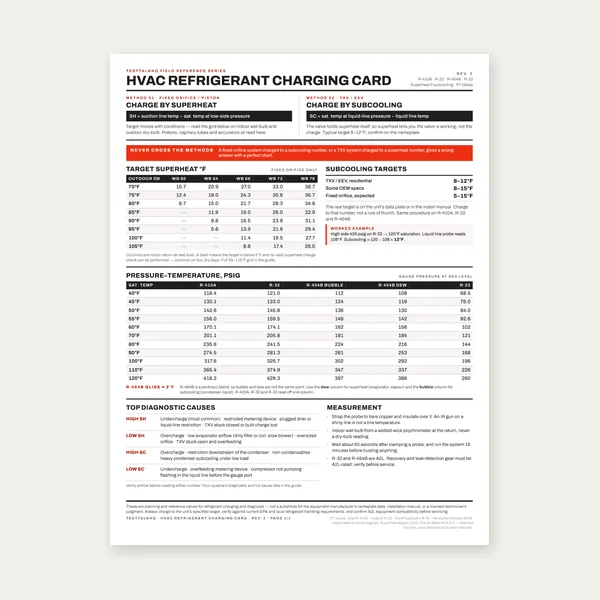
HVAC Refrigerant Charging Card

HVAC Refrigerant Charging Card

$3.99

Buy
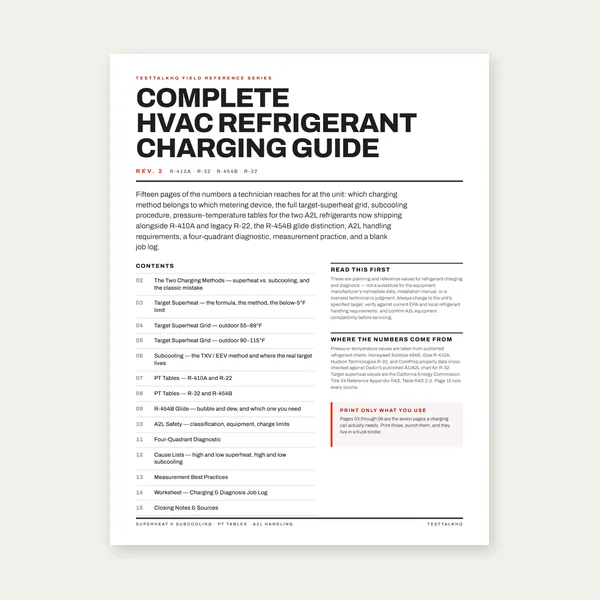
Complete HVAC Charging Guide

Complete HVAC Charging Guide

$12.99

Buy
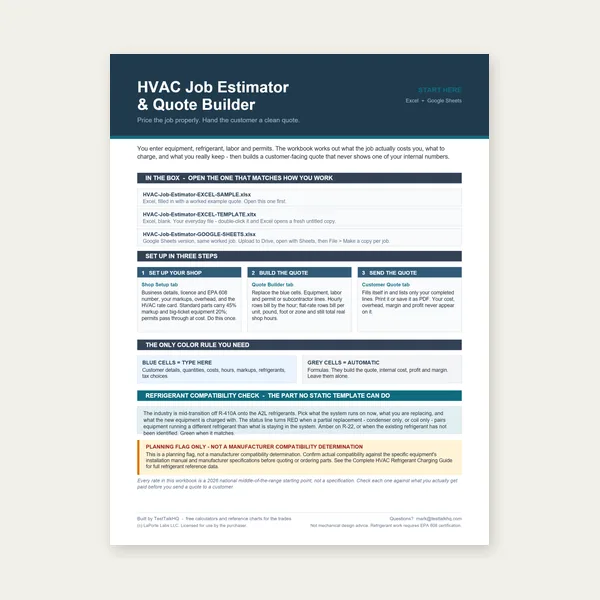
HVAC Job Estimator

HVAC Job Estimator

$29.00

Buy
BEST VALUE
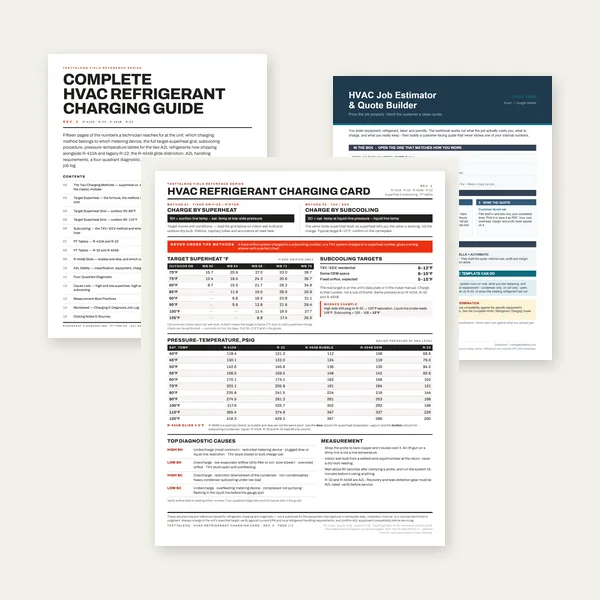
HVAC Complete Bundle

HVAC Complete Bundle

$39.00

Buy

See all HVAC products

Checkout opens here — you stay on this page.

Manifolds, Probes & Charge Tools

From the TestTalkHQ HVAC Tools / Manifold Gauges catalog — digital manifolds for the pressure + line-temp pair this calculator uses, plus a scale for the charge change and a leak detector for the high-superheat path.
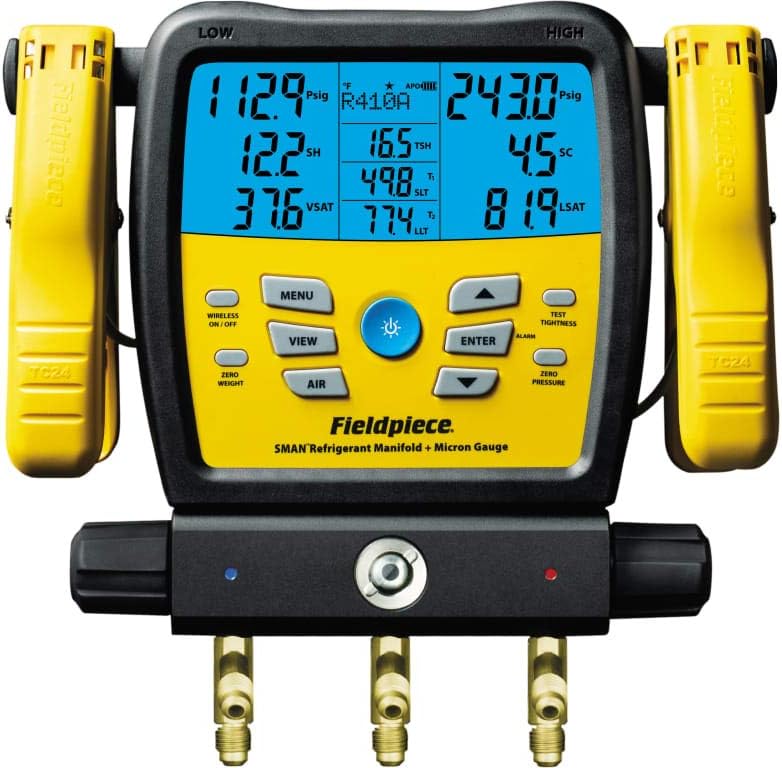
Fieldpiece SM380V SMAN Digital Manifold

Fieldpiece SM380V SMAN Digital Manifold

Digital manifold with pipe-clamp probes — suction/liquid pressure and line temperature on one screen. This calculator is the independent PT check against that display.

View on Amazon →
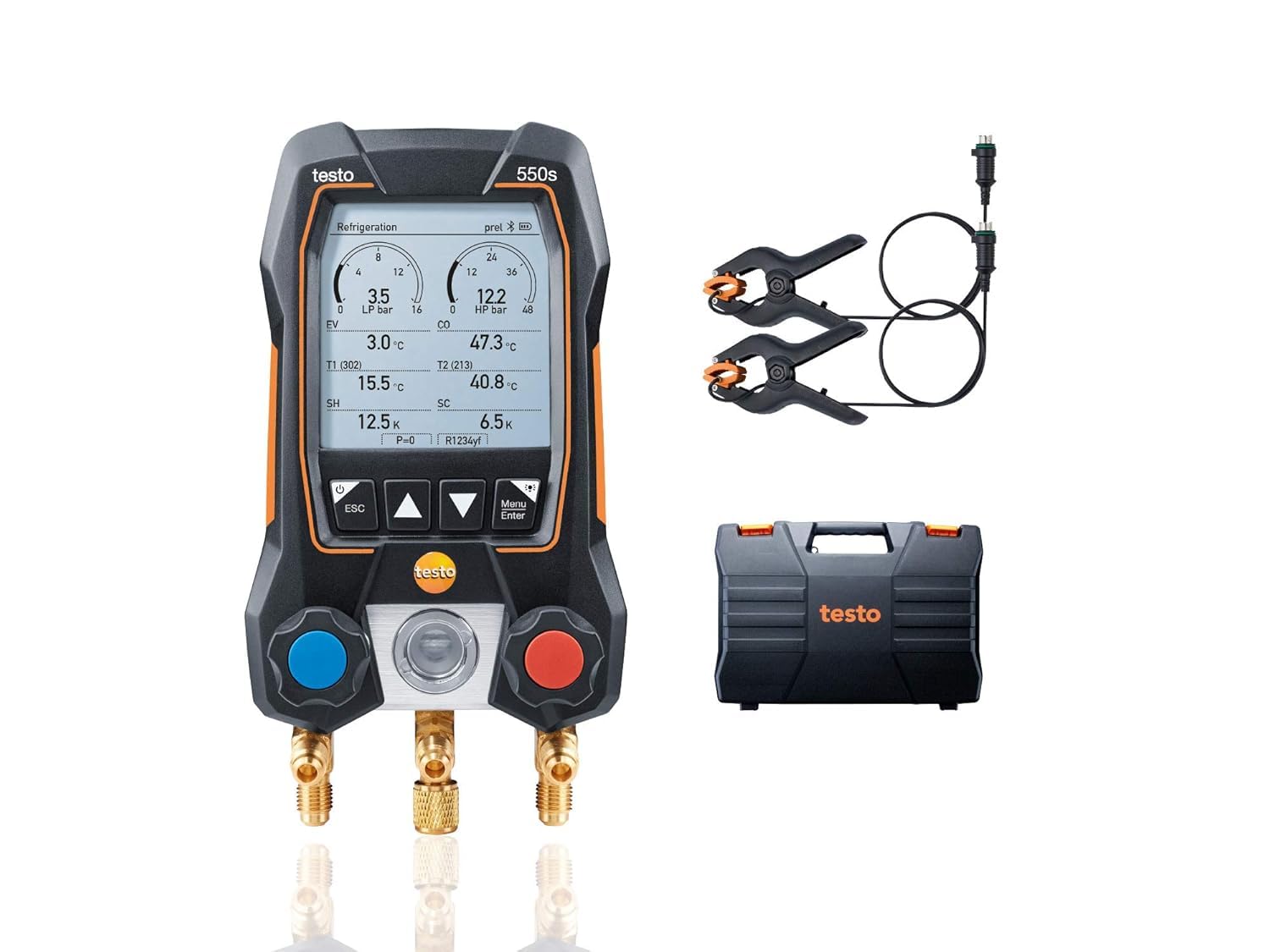
Testo 550s AC Manifold Gauge Set with Bluetooth

Testo 550s Manifold Gauge Set

Bluetooth manifold set for R-410A / R-22 / R-32 work. Clamp the probes on the suction or liquid line, read pressure, then run the numbers here.

View on Amazon →
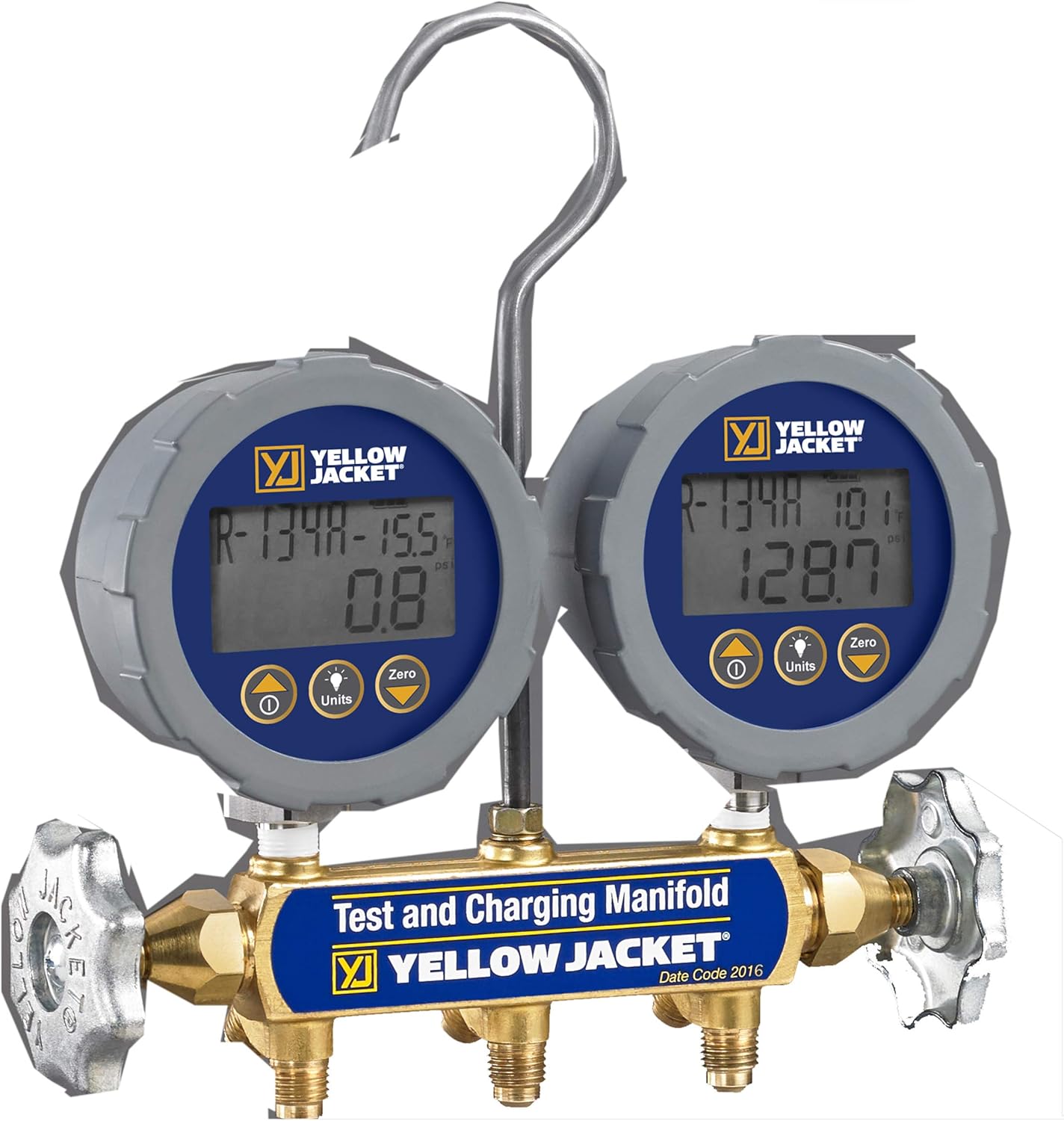
Yellow Jacket 46060 Digital Series 41 Manifold

Yellow Jacket 46060 Digital Manifold

Series 41 digital manifold many trucks still carry. Same psig + clamp-temp workflow as the SMAN — the PT math does not care which brand produced the two numbers.

View on Amazon →
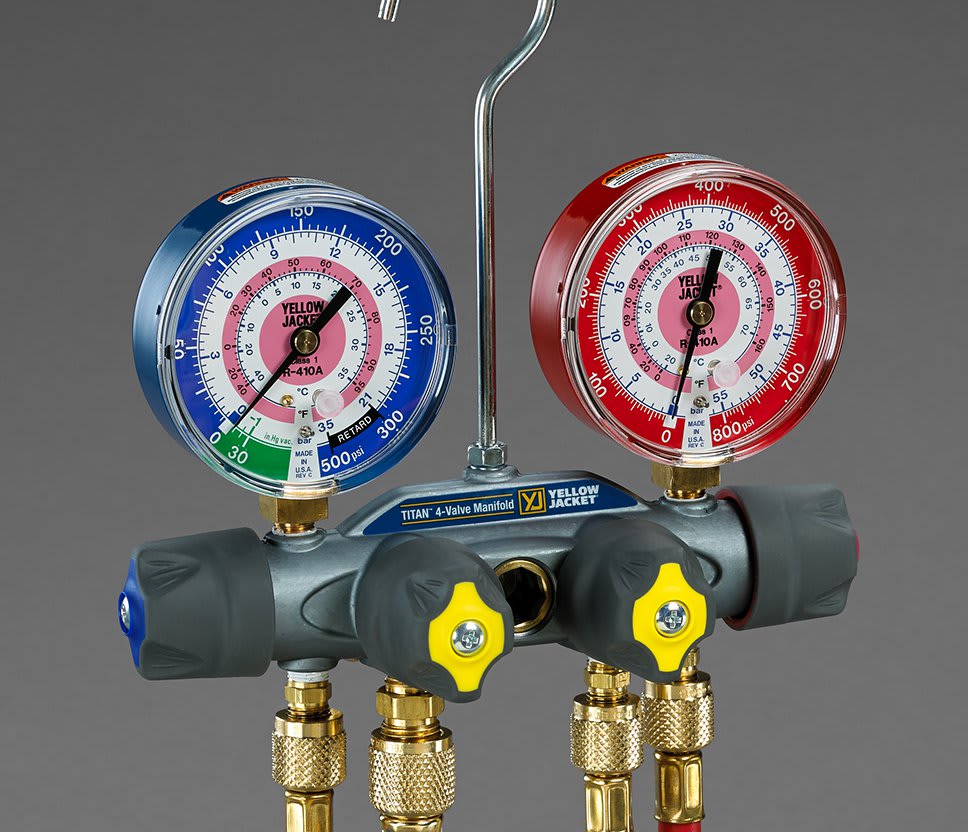
Yellow Jacket 49967 Titan 4-Valve Test and Charging Manifold

Yellow Jacket 49967 Titan 4-Valve

4-valve charging manifold for recovering, vacuuming, and weighing in a charge after superheat or subcooling says you are short or long.

View on Amazon →
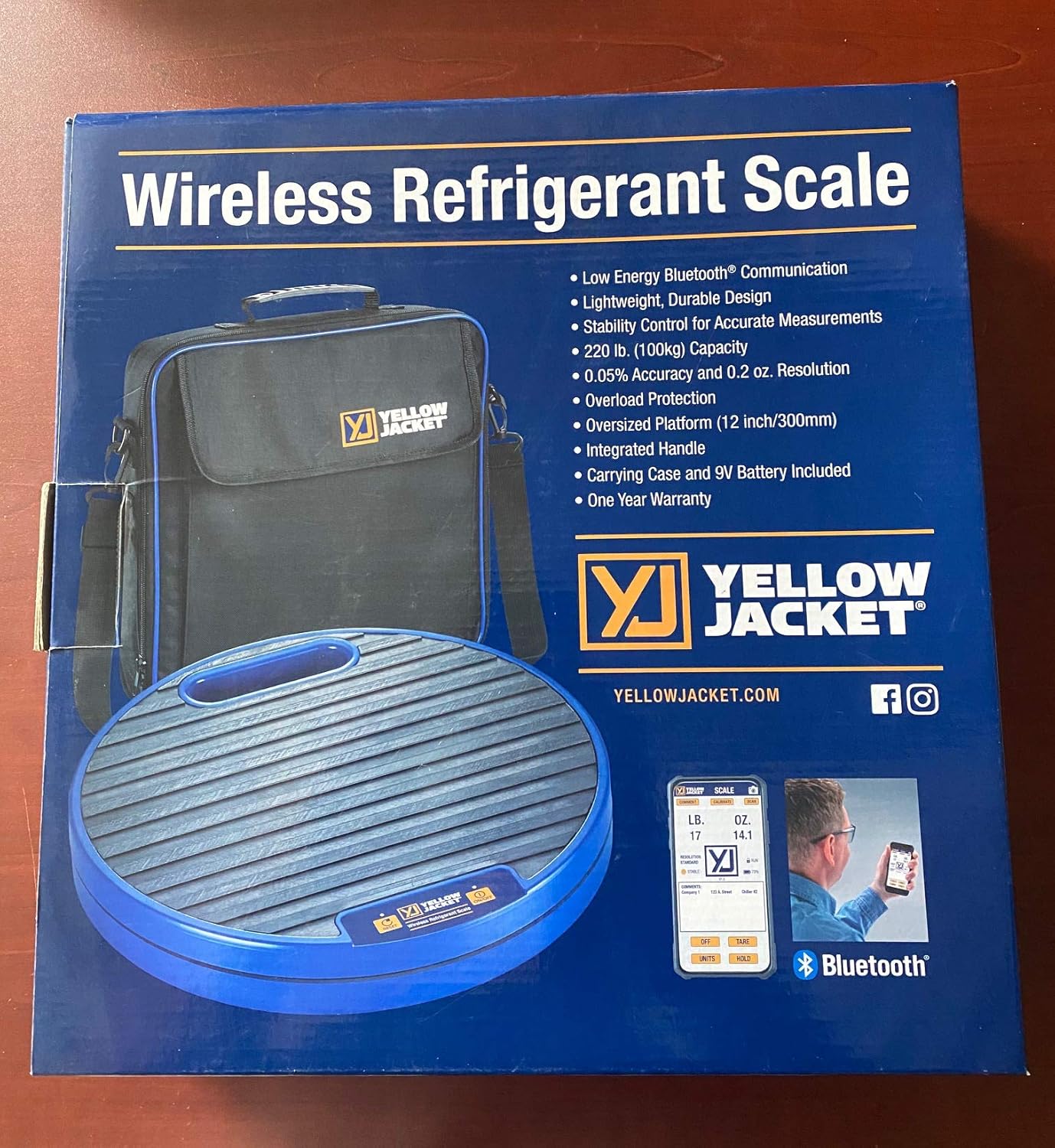
Yellow Jacket 68864 Wireless Refrigerant Scale

Yellow Jacket 68864 Wireless Scale

Weigh the charge in or out. Superheat/subcooling tells you direction; the scale is how you stop guessing ounces on a TXV or piston system.

View on Amazon →
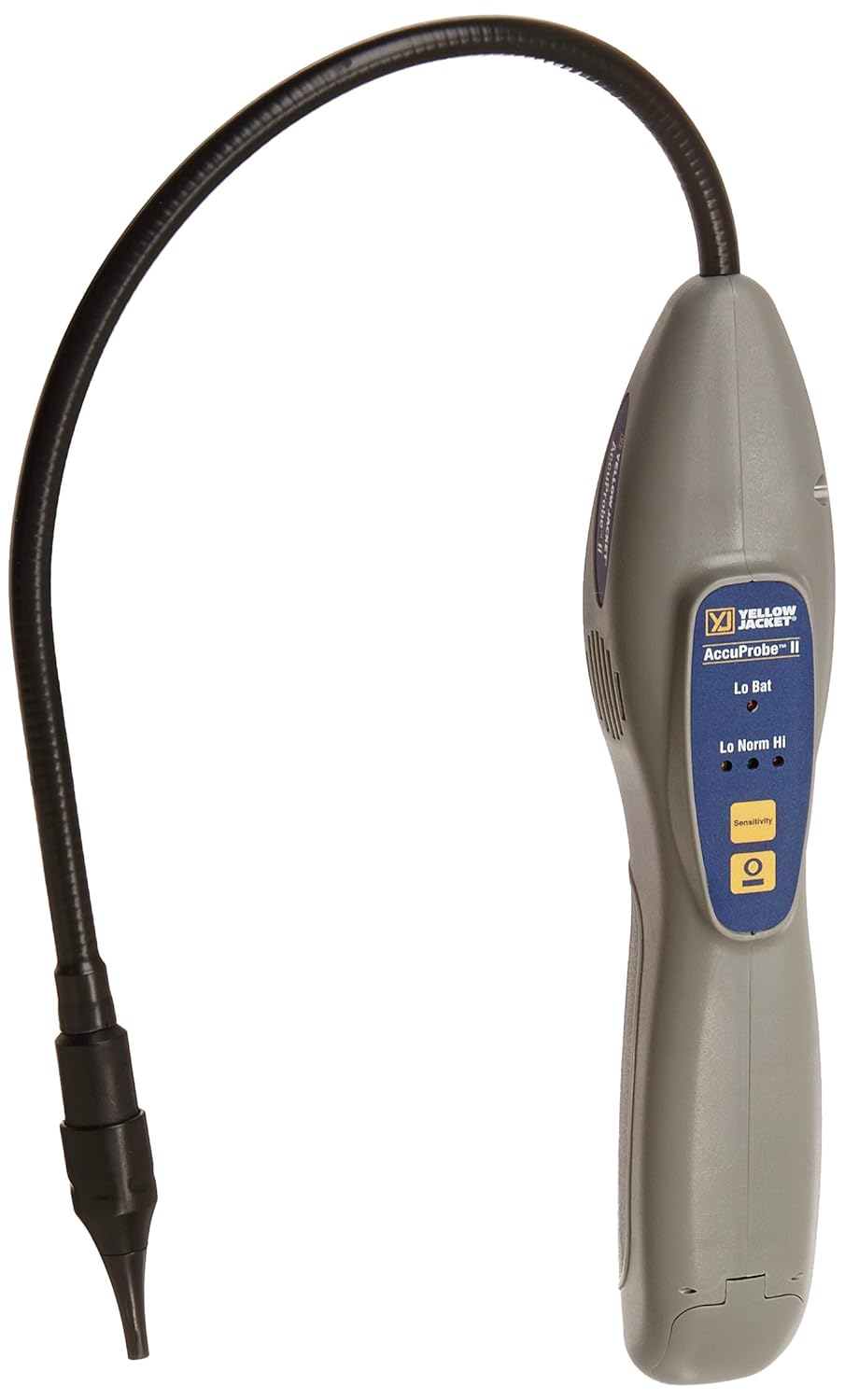
Yellow Jacket 69354 AccuProbe II Leak Detector

Yellow Jacket 69354 AccuProbe II

High superheat plus low subcooling is often a leak, not a “needs more gas forever” story. Sniff before you keep adding refrigerant.

View on Amazon →

As an Amazon Associate, TestTalkHQ earns from qualifying purchases.

Related HVAC Calculators & Guides