How to Measure Superheat & Subcooling

Fixed orifice vs TXV, gauges, clamp probes, and which number you actually charge to

Superheat and subcooling are not interchangeable “charge numbers.” Superheat tells you whether the evaporator finished boiling the refrigerant. Subcooling tells you whether the condenser finished stacking liquid. Which one you use depends on the metering device — piston / capillary / fixed orifice vs TXV — not on which manifold app you like.

Need the PT math done for you? Open the Superheat / Subcooling Calculator.

Need the number, not the lecture?Suction or liquid line temp + pressure + refrigerant, with a high/low flag.

Open Calculator →

Jump to what you need

Which Method Applies to Which Metering Device

The metering device decides the charging rule. Mixing them up is how you flood a piston compressor or starve a TXV coil while the gauges “look fine.”

  • Fixed orifice, piston, capillary tube: charge by superheat. The orifice is a hole. Superheat moves when you add or recover refrigerant (and when indoor load / airflow changes). Target SH comes from indoor wet-bulb and outdoor dry-bulb, or a typical 8–18°F band if you do not have a chart.
  • TXV / TEV / EEV: charge by subcooling. The valve holds evaporator superheat (often 8–12°F) by design. Adding gas barely moves SH until the valve is wide open and you have already overcharged. Liquid subcooling is what tells you the condenser has a real liquid seal.
Piston → Superheat   |   TXV → Subcooling
Look at the indoor coil feeder, not the outdoor model number. A “TXV air handler” with a piston indoor coil is a piston system. An R-410A condenser that shipped with a piston and later got a TXV kit is a TXV system. Charge the device that is actually metering.

Air-side temperature split (delta-T) is a different diagnostic. It does not replace SH/SC. When to grab which: Superheat/Subcooling vs Delta-T.

How to Take Superheat (Fixed Orifice)

Superheat is how many degrees the suction vapor is above saturation at the suction pressure you measured.

Superheat = Suction line temperature − Suction saturation temperature (from PT chart)
  1. System in cooling, indoor fan on, outdoor running. Wait 10–15 minutes so pressures settle. Doors closed, filter in — a missing filter lies about load.
  2. Hook the low-side hose to the true suction service port. Record running suction in psig. Pick the refrigerant on the manifold (R-410A, R-22, or R-32) so the meter’s sat temp matches the bottle, then still run the calculator as an independent check.
  3. Clamp a pipe-temperature probe on the suction line 6–8 inches from the compressor, on a straight section, out of the sun. Insulate the clamp. Do not use a bead thermocouple waving in the wind, and do not use evaporator leaving-air temp — that is delta-T, not SH.
  4. Saturation temperature comes from suction pressure on the PT chart. Line temp minus sat temp is actual SH.
  5. Compare to target. With indoor WB and outdoor DB entered, the calculator uses a piston charging-chart band (±3°F). Without those, treat 8–18°F as the typical field band, not a license to ignore the OEM chart in the outdoor panel.
Field example — R-410A pistonSuction 118 psig (about 40°F sat). Clamp on the suction line reads 52°F. Superheat = 52 − 40 = 12°F. That sits in the typical piston band. If indoor WB is 67°F and outdoor DB is 95°F, the chart target is tighter — run those two optional fields instead of celebrating 12°F as “always right.”

Low SH (liquid leaving the coil) and high SH (starved coil) causes: troubleshooting.

How to Take Subcooling (TXV)

Subcooling is how many degrees the liquid line is below saturation at the liquid pressure you measured. It is extra liquid stacked in the condenser — the seal the TXV wants to meter from.

Subcooling = Liquid saturation temperature − Liquid line temperature
  1. Same stabilize rules as superheat. TXV systems still need a running, loaded condenser.
  2. High-side / liquid pressure at the liquid service port (or true liquid line pressure). Discharge pressure at the compressor is not the same number if you have a pressure drop through the coil — use liquid when you can.
  3. Clamp the probe on the liquid line leaving the condenser, shaded. A sun-baked liquid line reads high and understates subcooling.
  4. Sat temp from liquid pressure minus line temp = SC. Target is the outdoor unit’s charging chart — commonly 8–12°F, often printed as 10°F. Put that OEM number in the calculator; do not assume 10 if the plate says 15.
  5. While you are there, glance at suction SH. A healthy TXV holds it. If SC is perfect and SH is 25°F, you have a TXV / bulb / equalizer problem, not a “needs two more pounds” problem.
Field example — R-410A TXVLiquid 400 psig (about 119°F sat). Liquid line clamp 108°F. Subcooling = 119 − 108 = 11°F. If the plate says 10°F, you are on target. Recover or weigh in only if you are outside the OEM ±3°F band and airflow is already proven.

Gauges and Pipe-Clamp Probes That Do Not Lie

Analog gauges plus a pocket thermometer can work. Digital manifolds (Fieldpiece SMAN, Testo 550s, Yellow Jacket 46060) do the PT lookup on screen — which is exactly why you still want an independent check when the number looks impossible.

  • Zero and refrigerant: Wrong refrigerant on the manifold gives a confident wrong sat temp. R-410A sat at 118 psig is ~40°F; R-22 at 118 psig is ~61°F. That is a 20°F SH error from a picker wheel.
  • Clamp metal, not insulation: Scrape a clean spot. Clamp on paint and dirt reads low. Shade the clamp.
  • Hoses: Short, known-good hoses. A leaking low-side hose pulls SH up. Core tools beat hanging 6 feet of hose off a shaking compressor.
  • Range check: Residential R-410A suction in cooling is commonly ~100–140 psig, liquid ~300–450 depending on outdoor temp. A 40 psig “suction” on 410A is a problem or a hose on the wrong port — not a target SH of 80°F.
Two numbers, one story: SH or SC without airflow is fortune telling. If the flag says “low indoor airflow,” measure external static and duct CFM before you recover a system that was never getting air across the coil.

What to Do With the Result on the Job

  1. Identify piston vs TXV. Charge that method only.
  2. Enter readings in the calculator. Screenshot or PDF cheat sheet the result for the invoice.
  3. If the flag is overcharge / undercharge, weigh — do not “add until it feels cold.” High SH on a piston with a history of dye in the attic is a leak search (AccuProbe class), not a bigger charge.
  4. If the flag mentions airflow, stop adding gas. TESP vs nameplate, then CFM. A frozen piston coil is often 0.90 in. WC, not two pounds short.
  5. Delta-T (supply vs return air) is the air-side capacity check. Use it with SH/SC, not instead of it — which diagnostic first.

Run the two readingsLine temp, pressure, refrigerant — piston SH or TXV SC.

Open Calculator →

HVAC

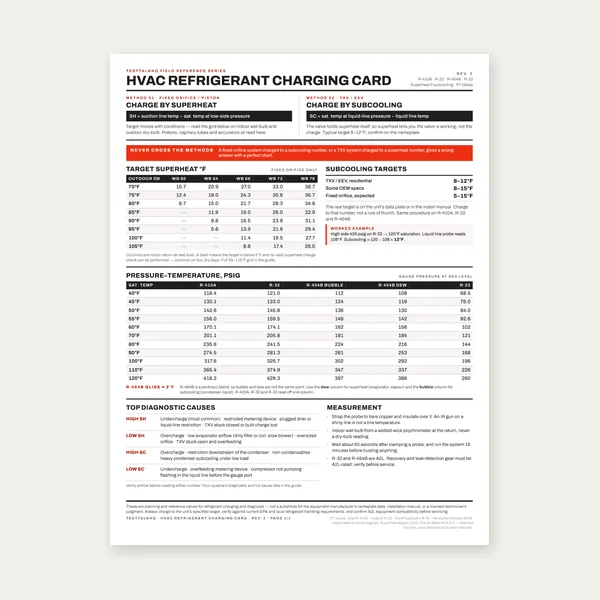
HVAC Refrigerant Charging Card

HVAC Refrigerant Charging Card

$3.99

Buy
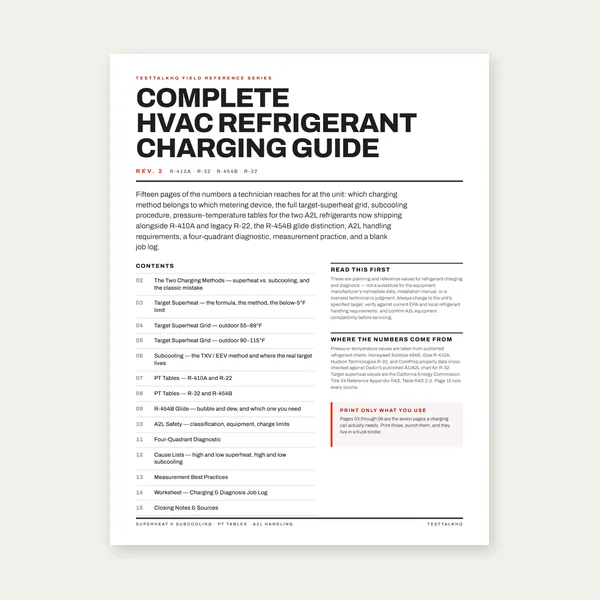
Complete HVAC Charging Guide

Complete HVAC Charging Guide

$12.99

Buy
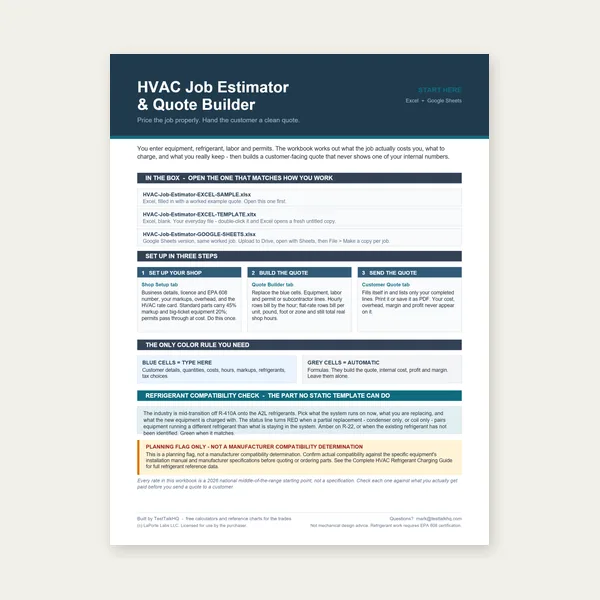
HVAC Job Estimator

HVAC Job Estimator

$29.00

Buy
BEST VALUE
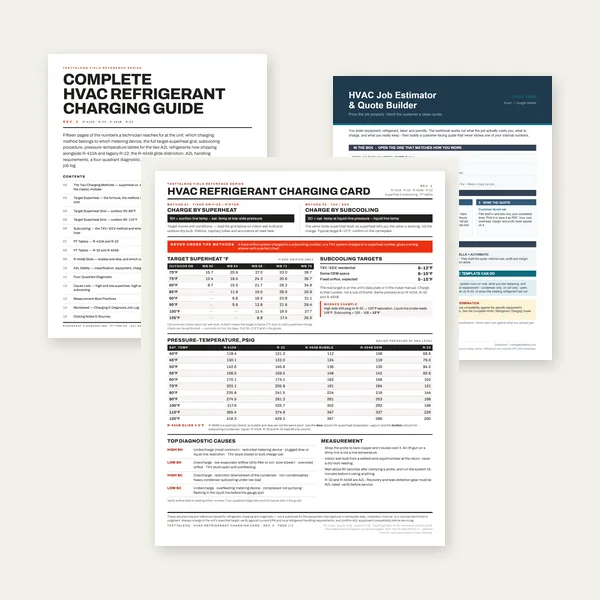
HVAC Complete Bundle

HVAC Complete Bundle

$39.00

Buy

See all HVAC products

Checkout opens here — you stay on this page.

HVAC Refrigerant Charging Guide — $12.99

Want the full charging procedure, not just the numbers? 15-page superheat / subcooling manual with PT tables and diagnostics.

View on Etsy →

FAQ

Can I charge a TXV by superheat?

Not as the primary method. The valve will hold SH while you overcharge the condenser. Use subcooling. Use SH only to ask whether the TXV itself is working.

Can I charge a piston by subcooling?

Subcooling on a piston is a supporting clue, not the charging rule. Charge to target superheat. A restriction can raise SC while SH is also high — that is not “add gas.”

Do I need indoor wet-bulb every time?

For a piston, yes if you want the OEM-style target. The 8–18°F band is a field fallback, not a charging chart. For a TXV, you need the outdoor plate’s target SC, not wet-bulb.

Manifolds, Probes & Charge Tools

From the TestTalkHQ HVAC Tools / Manifold Gauges catalog — digital manifolds for the pressure + line-temp pair this calculator uses, plus a scale for the charge change and a leak detector for the high-superheat path.
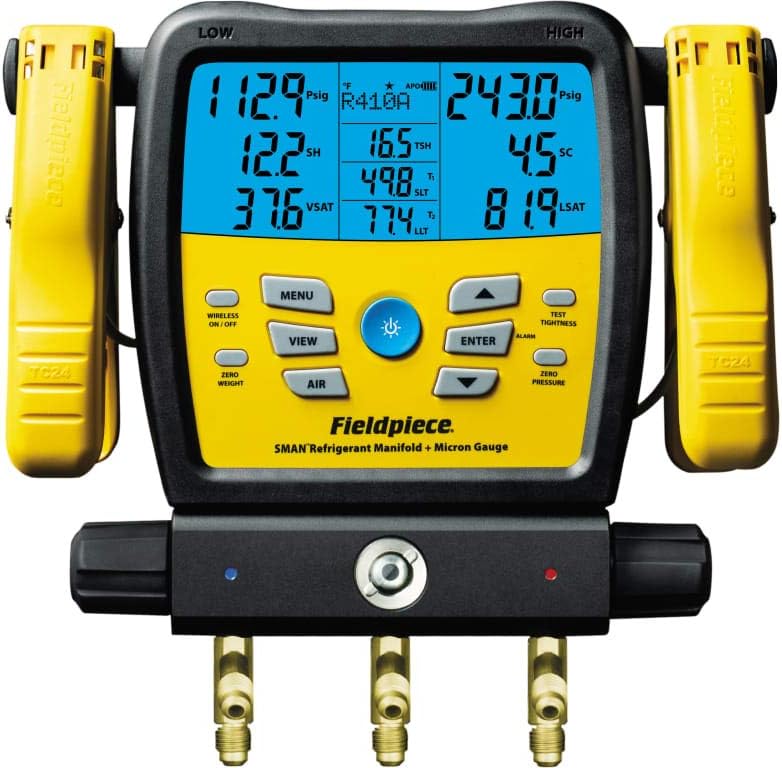
Fieldpiece SM380V SMAN Digital Manifold

Fieldpiece SM380V SMAN Digital Manifold

Digital manifold with pipe-clamp probes — suction/liquid pressure and line temperature on one screen. This calculator is the independent PT check against that display.

View on Amazon →
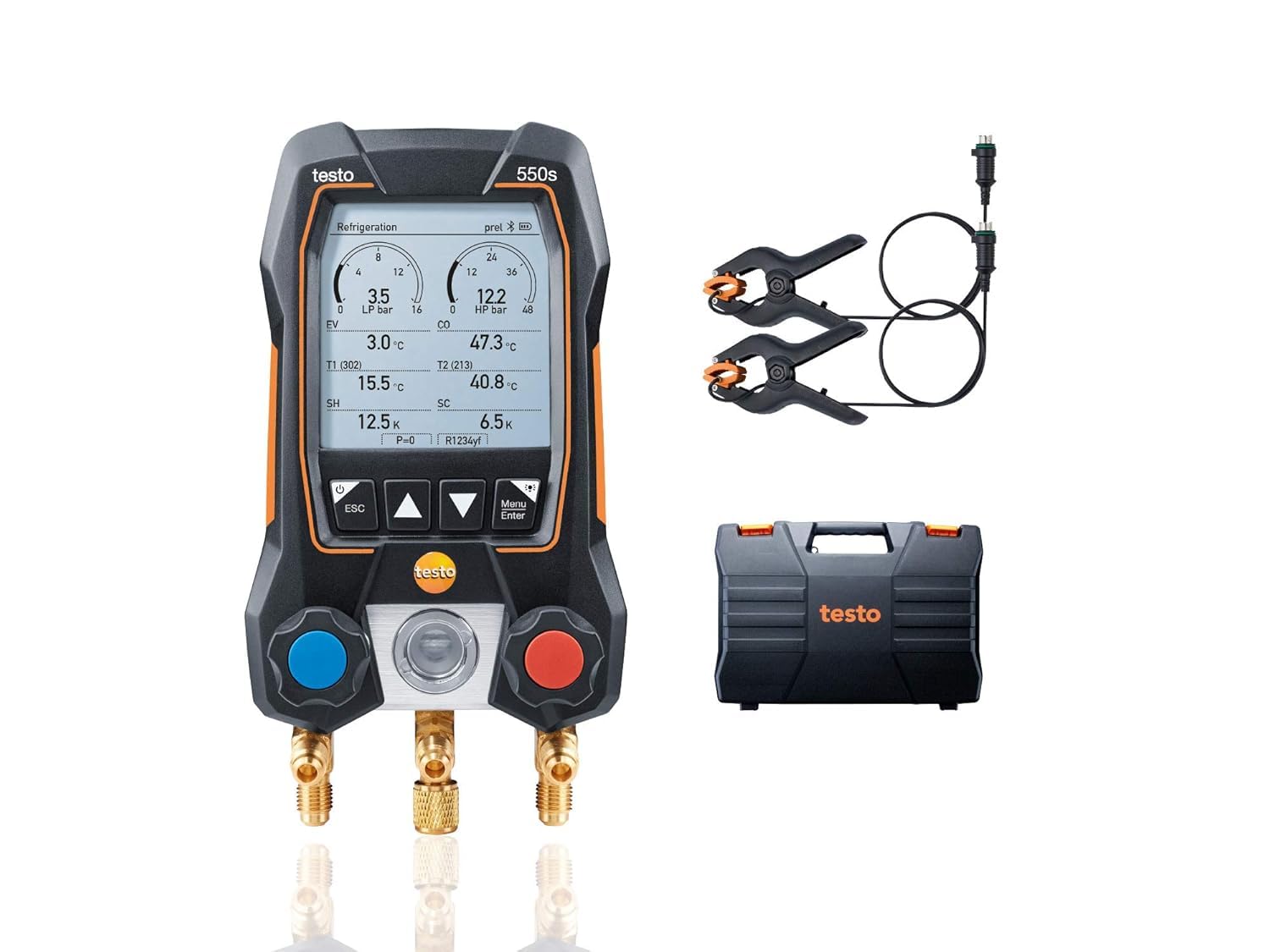
Testo 550s AC Manifold Gauge Set with Bluetooth

Testo 550s Manifold Gauge Set

Bluetooth manifold set for R-410A / R-22 / R-32 work. Clamp the probes on the suction or liquid line, read pressure, then run the numbers here.

View on Amazon →
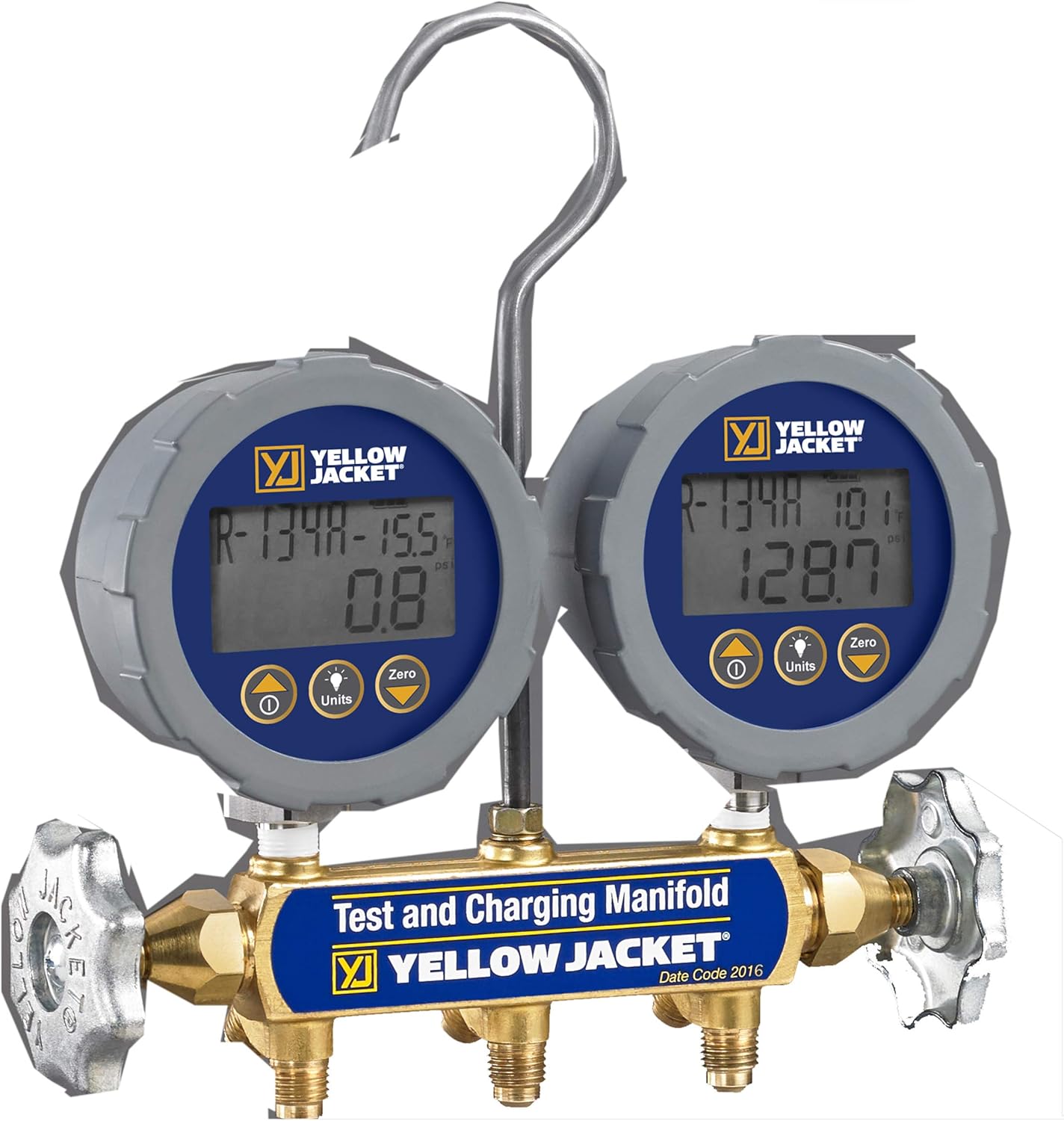
Yellow Jacket 46060 Digital Series 41 Manifold

Yellow Jacket 46060 Digital Manifold

Series 41 digital manifold many trucks still carry. Same psig + clamp-temp workflow as the SMAN — the PT math does not care which brand produced the two numbers.

View on Amazon →
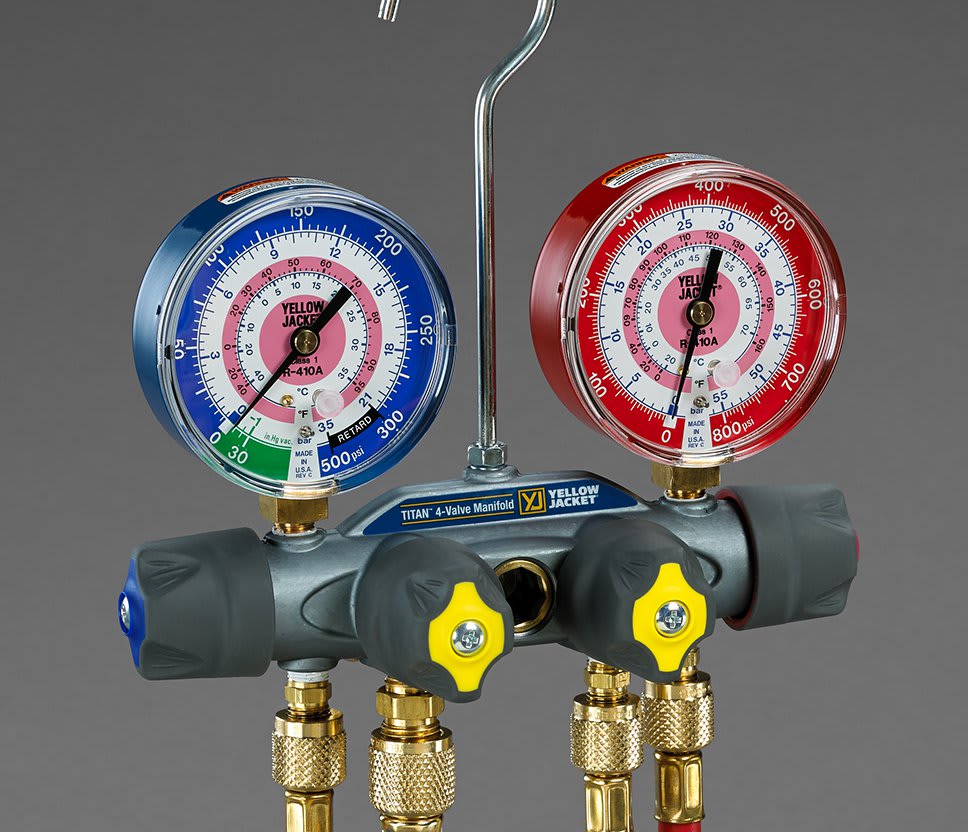
Yellow Jacket 49967 Titan 4-Valve Test and Charging Manifold

Yellow Jacket 49967 Titan 4-Valve

4-valve charging manifold for recovering, vacuuming, and weighing in a charge after superheat or subcooling says you are short or long.

View on Amazon →
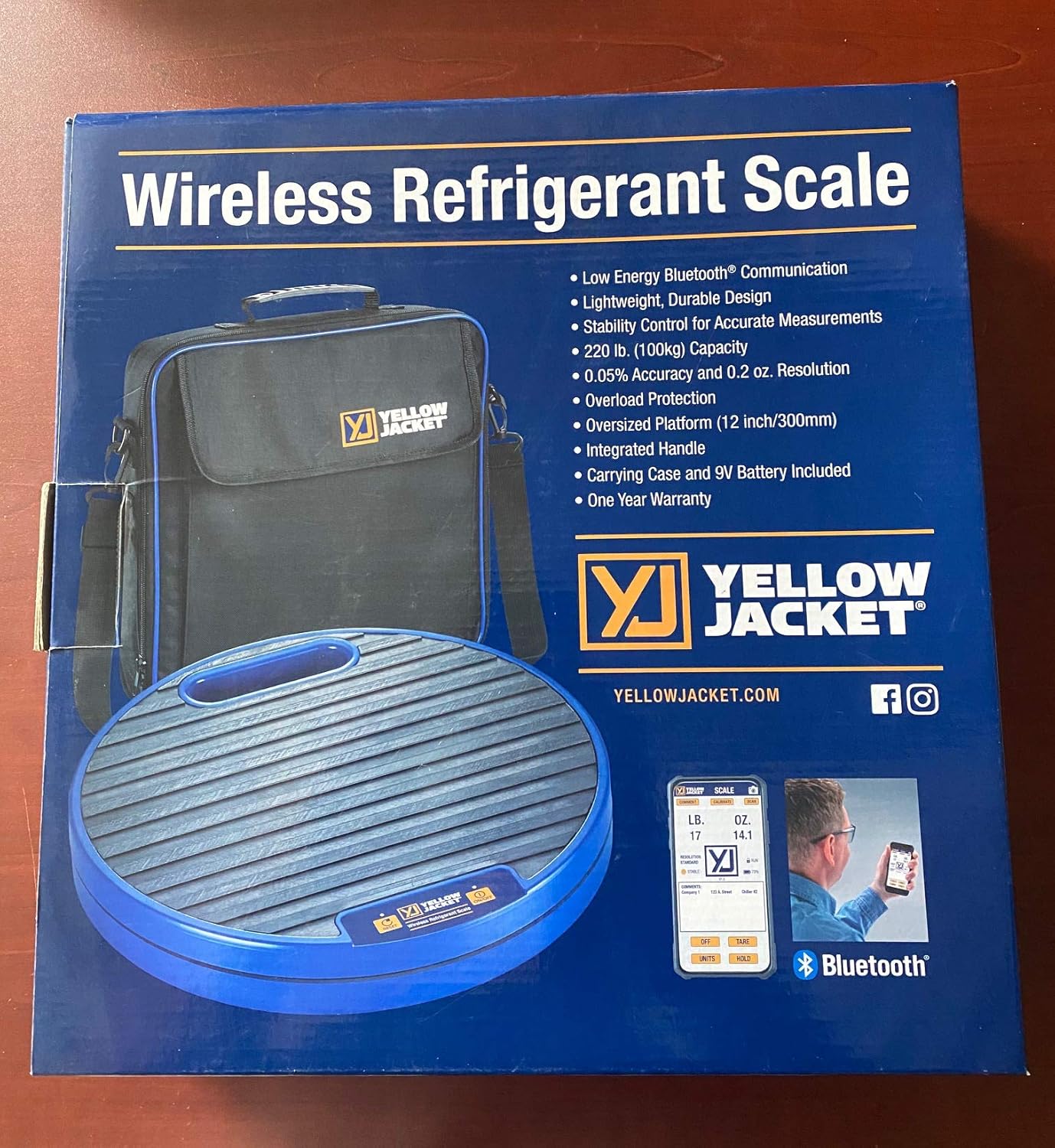
Yellow Jacket 68864 Wireless Refrigerant Scale

Yellow Jacket 68864 Wireless Scale

Weigh the charge in or out. Superheat/subcooling tells you direction; the scale is how you stop guessing ounces on a TXV or piston system.

View on Amazon →
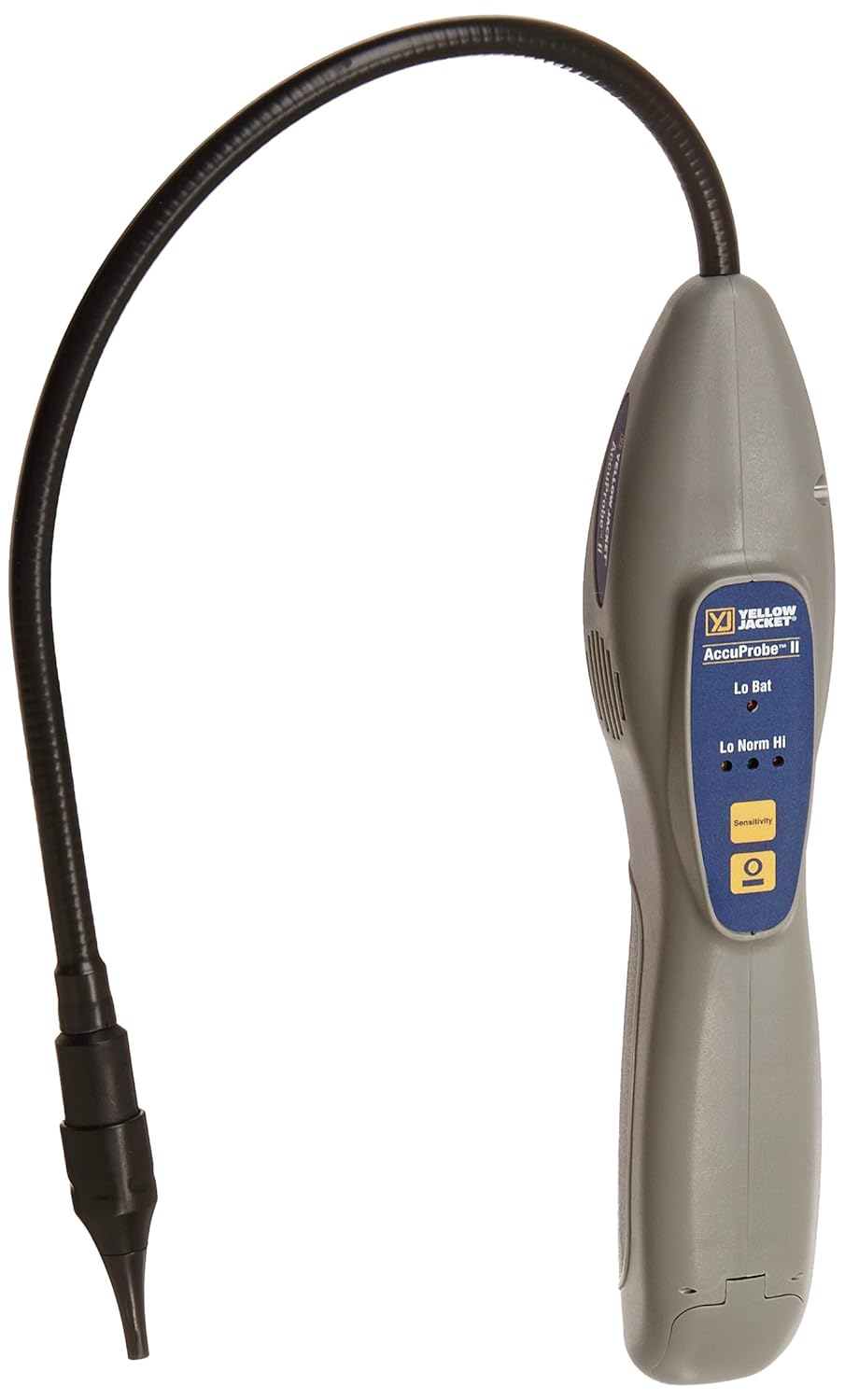
Yellow Jacket 69354 AccuProbe II Leak Detector

Yellow Jacket 69354 AccuProbe II

High superheat plus low subcooling is often a leak, not a “needs more gas forever” story. Sniff before you keep adding refrigerant.

View on Amazon →

As an Amazon Associate, TestTalkHQ earns from qualifying purchases.

Related HVAC Calculators & Guides