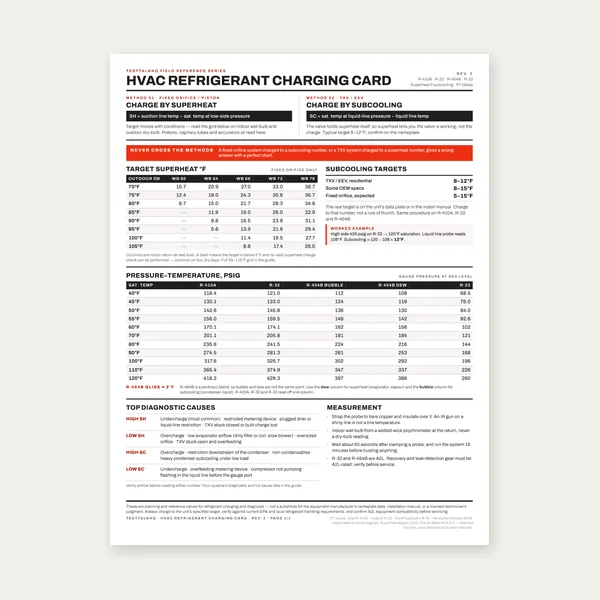
HVAC Refrigerant Charging Card
One page. Superheat, subcooling and PT for four refrigerants.
$3.99
BuyWhat ACCA Manual J accounts for that square-footage rules skip — and when paying for the real calculation is worth it
The cooling load calculator is intentionally a rule-of-thumb tool. This page is the honest gap analysis versus Manual J. Heating-side twin: rule of thumb vs Manual J heat loss and the furnace sizing calculator.
Tonnage basics: guide. Comfort symptoms: troubleshooting. Furnace ROT walkthrough: furnace sizing guide.
Need the ballpark number first? Run the ROT estimate, then bring it to a Manual J conversation.
Open Calculator →It divides floor area (sometimes adjusted for climate, height, or a coarse insulation guess) by a sq-ft-per-ton factor. Fast. Cheap. Blind to glass, orientation, and leakage. ACCA’s blog and Energy Vanguard have repeatedly shown how those shortcuts diverge from measured Manual J loads.
One page. Superheat, subcooling and PT for four refrigerants.
$3.99
Buy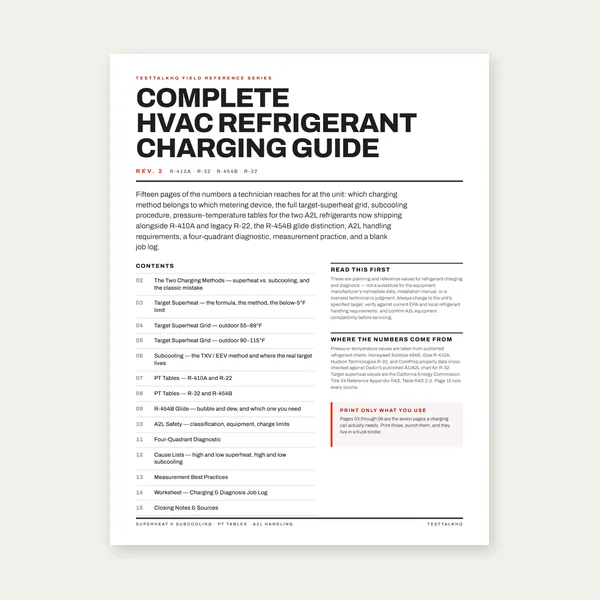
15 pages. Full superheat grid, PT tables, A2L safety and diagnosis.
$12.99
Buy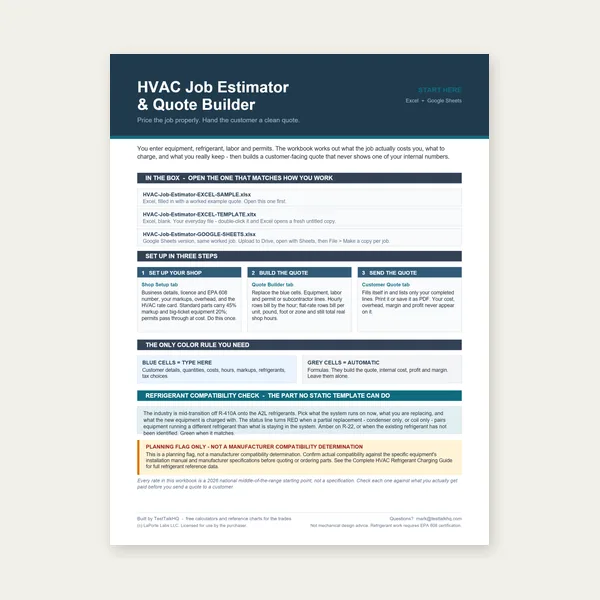
Quote HVAC work and catch a refrigerant mismatch before you order.
Excel or Google Sheets. Best on a computer.
$29.00
Buy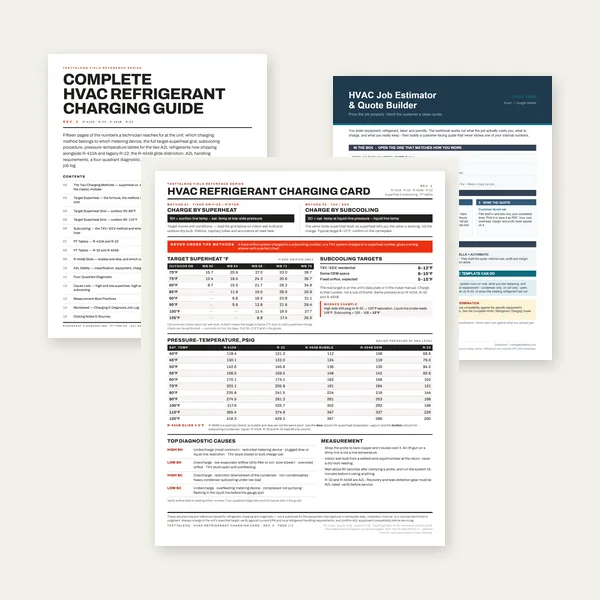
Card, 15-page guide and the estimator workbook. All six files.
Excel or Google Sheets. Best on a computer.
$34.99
$45.98 if bought separately — save $10.99
BuyCheckout opens here — you stay on this page.
A tonnage estimate is only a starting point. After install (or when a system misbehaves), confirm airflow and air-side split before you chase the wrong problem. These are tools already on the TestTalkHQ HVAC affiliate list.

Stable setpoints and sensor feedback help you see whether the system short-cycles or never reaches set point — classic oversize vs undersize symptoms.
View on Amazon →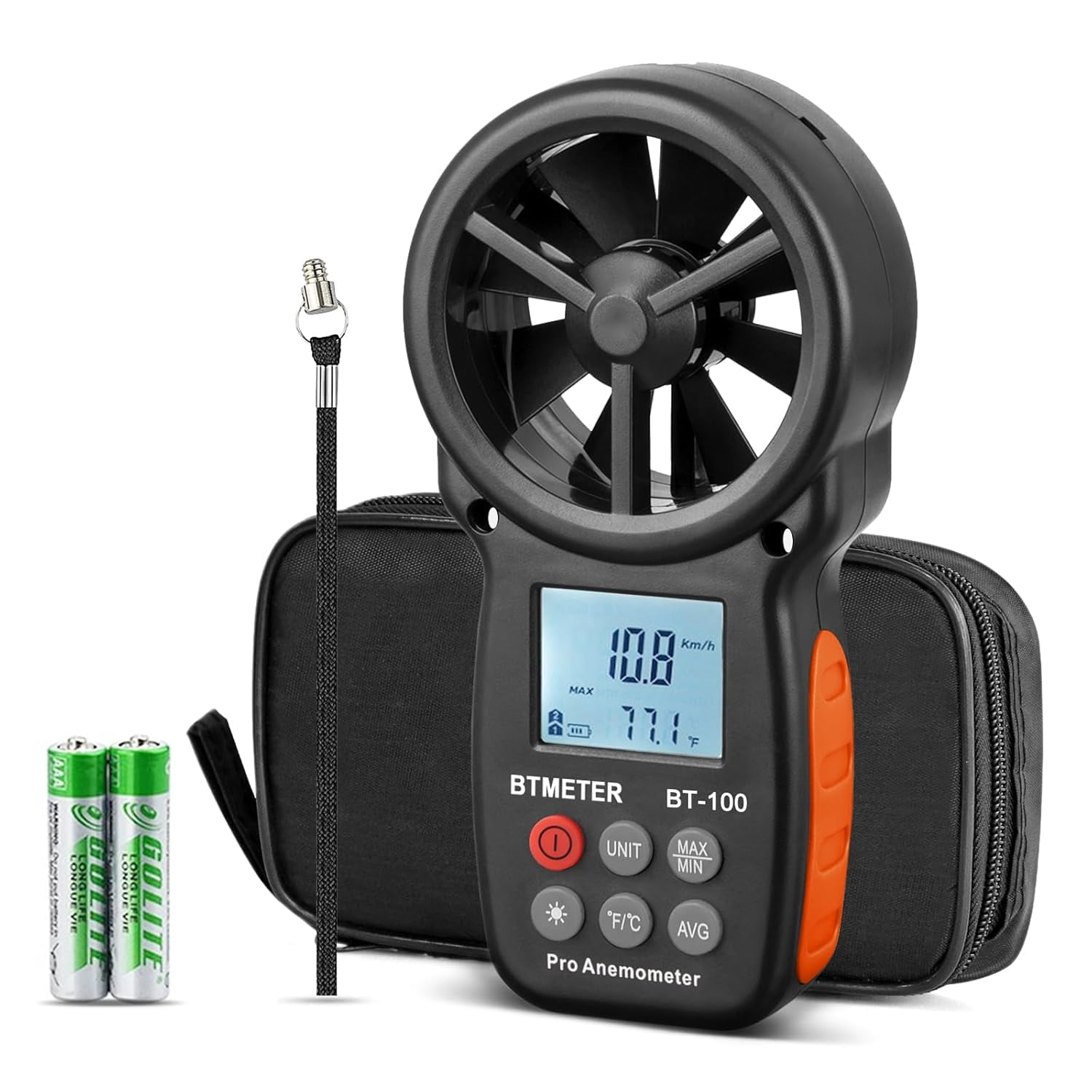
Rule-of-thumb tonnage does not prove duct CFM. Measure face velocity, then convert with the duct CFM calculator.
View on Amazon →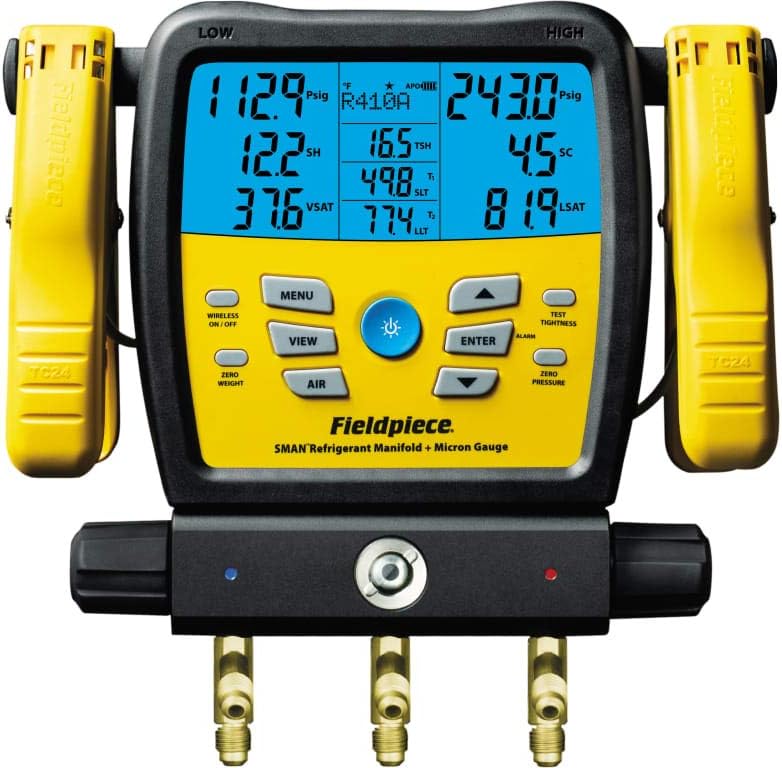
When the air split looks wrong, verify charge with superheat/subcooling — not with square footage.
View on Amazon →
Sq ft, climate band, ceiling height, insulation quality → rough tons and BTU/hr with Manual J disclaimer.
Open Cooling Load Calculator →
After the system is running, return-vs-supply split is a quick air-side health check.
Open Delta-T Calculator →
Why sq-ft-per-ton varies, and why this tool is not ACCA Manual J.
Read the Cooling Load Guide →As an Amazon Associate, TestTalkHQ earns from qualifying purchases.
None of that fits honestly in a single-page sq-ft tool — which is why TestTalkHQ keeps the disclaimer banner on the calculator UI.
New equipment purchase, major renovation, persistent humidity or short-cycling after a rule-of-thumb install, high-performance / tight envelopes, and any permit path that requires documented loads. The cost of Manual J is usually tiny next to a wrong condenser and compressor.
No. Treat it as a starting-point estimate only.
Higher sf/ton means less tonnage for the same house — often correct on modern envelopes versus 400–500 rules.