Contractor Job Estimator
Price remodels and GC work, then send a quote with no internal numbers.
Excel or Google Sheets. Best on a computer.
$29.00
BuyConvert gauge to decimal inches, millimeters, and weight-per-square-foot
Convert between sheet metal gauge and actual thickness values for steel, aluminum, stainless steel, and galvanized sheet with an immediate reference table view.
Price remodels and GC work, then send a quote with no internal numbers.
Excel or Google Sheets. Best on a computer.
$29.00
BuyCheckout opens in a new tab.
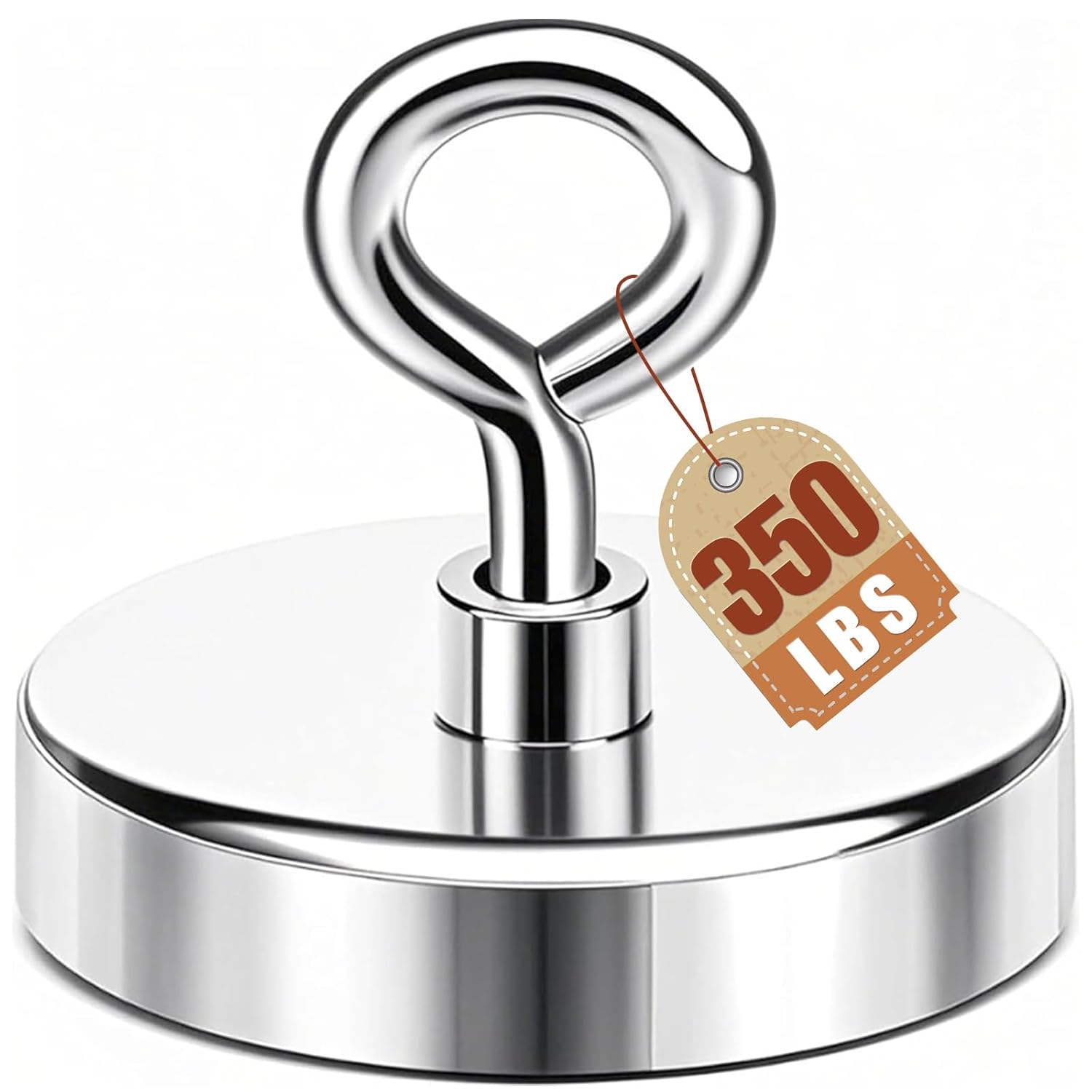
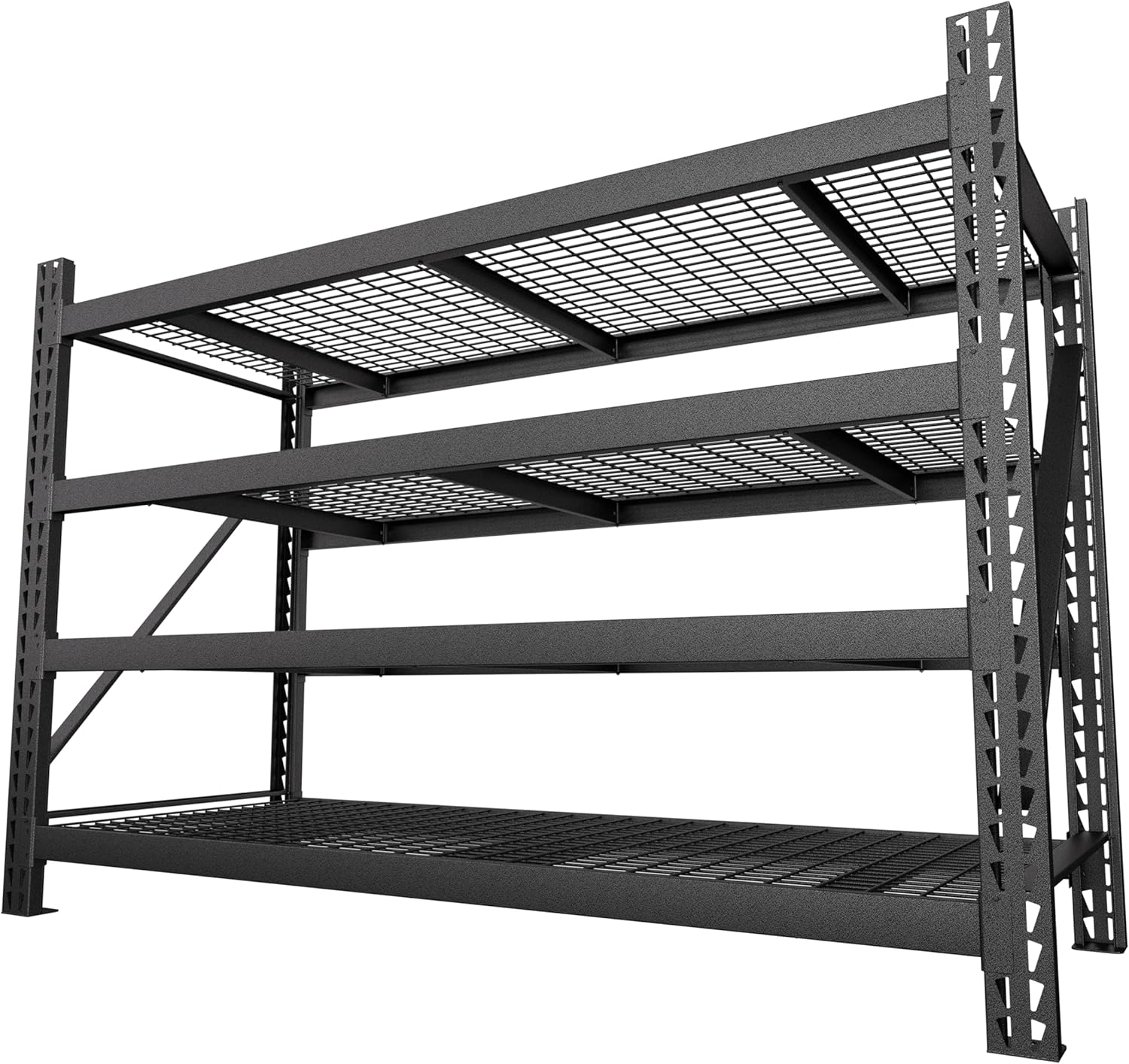
Useful picks for verifying gauge, handling stock, and organizing material during fabrication jobs.



Select material type, then either enter a gauge number or enter a decimal thickness in inches. The converter returns thickness in inches, millimeters, and estimated weight per square foot for the selected material. The reference table below highlights your selected gauge so you can compare neighboring sizes quickly.
Gauge is non-linear: lower gauge numbers are thicker material. Material family matters, because steel, aluminum, and stainless do not share identical gauge-thickness mappings at every gauge. Always confirm material type before quoting a gauge number on a PO or cut list.
For fabrication planning, convert gauge to decimal before entering thickness into bend allowance, plasma, or weight calculators — those tools need real numbers, not gauge shorthand alone.
Choosing the right gauge starts with load, finish, and forming requirements — not habit. Thinner gauges save weight and cost but dent easier and need tighter bend radii. Thicker gauges add stiffness for brackets, enclosures, and structural skins but cost more and may need heavier equipment to cut and form.
No. The same gauge number can map to different thickness values by material family. A 14-gauge steel sheet is thicker than 14-gauge aluminum.
Galvanized sheet typically includes zinc coating over base steel, which can add to measured total thickness at the same gauge number.
Yes. Including decimal thickness with gauge reduces ambiguity during purchasing and receiving — especially on large orders.
Steel sheet uses the Manufacturers Standard Gauge (MSG). Aluminum sheet uses the Brown & Sharpe (AWG) system. The same gauge number does not mean the same thickness across those families. A 14-gauge steel sheet is approximately 0.075 inches thick. A 14-gauge aluminum sheet is approximately 0.064 inches thick — noticeably thinner for the same number.
Mixing systems is one of the most common ordering mistakes in fab shops. If a drawing says “14 ga” without a material callout, stop and clarify before cutting or purchasing. Use this converter with the correct material selected every time you translate gauge to decimal for CNC, brake, or plasma programming.
In the shop, gauge numbers are fast shorthand everyone understands on the floor. On a purchase order, contract drawing, or customer spec, decimal thickness is always safer. Gauge standards can vary slightly between manufacturers, regions, and coated vs bare product. Zinc on galvanized sheet adds measurable thickness that bare steel charts do not show.
If you are ordering 500 pounds of sheet metal or signing off a nested job, confirm the decimal equivalent with your supplier before release. Pair gauge with decimal on the PO — e.g., “14 ga (0.075 in) mild steel” — and you eliminate the most common receiving disputes before material hits the brake or laser table.
Convert sheet metal gauge numbers to decimal inches and millimeters instantly for steel, aluminum, stainless steel, and galvanized materials. This gauge converter provides accurate thickness measurements, weight per square foot calculations, and complete reference charts for all standard metal gauges from 3 to 30. Essential for fabricators, metal suppliers, purchasing departments, and anyone ordering or working with sheet metal who needs to convert gauge specifications to actual dimensions.
Instant conversion for steel, aluminum, stainless steel, and galvanized sheet metal
Gauge Number
-
Thickness (Decimal Inches)
-in
Thickness (Millimeters)
-mm
Weight per Square Foot
-lbs/ft²
Note: Gauge measurements are standardized but can vary slightly by manufacturer.
Always verify critical dimensions with calipers or micrometers. These conversions use standard
USS (United States Standard) gauge for steel and industry-standard gauges for other materials.
Select your material type from the dropdown menu, then choose your conversion direction: gauge to thickness or thickness to gauge. Enter the gauge number (3-30) or decimal thickness in inches, and the calculator instantly displays the equivalent measurement in both decimal inches and millimeters, plus weight per square foot. The reference chart below highlights your selected gauge for easy verification.
Metal gauge is a non-linear thickness measurement system where smaller gauge numbers mean thicker material. A 10-gauge sheet is thicker than a 20-gauge sheet. This seems backwards compared to normal measurements, but it's rooted in historical metalworking where "gauge" referred to the number of drawing operations required to produce that thickness—more operations meant thinner material and higher gauge numbers.
Different materials use different gauge standards. Steel uses the USS (United States Standard) gauge, also called Manufacturers' Standard Gauge. Aluminum uses its own gauge system with different thickness values at the same gauge number. Stainless steel typically follows the steel gauge system. Galvanized steel uses steel gauge but the zinc coating adds 0.002-0.004" to total thickness.
Critical point: Always specify both gauge AND material type when ordering. "14-gauge" means nothing without knowing if it's steel, aluminum, or stainless. A 14-gauge steel sheet is 0.0747" thick, while 14-gauge aluminum is 0.0641" thick—that 0.0106" difference affects weight, strength, and cost significantly.
Fabricators work with certain gauges constantly. Here are the most common steel gauges you'll encounter in shops:
| Gauge | Decimal Inches | Fraction (Approximate) | Common Applications |
|---|---|---|---|
| 7 ga | 0.1793" | ≈ 3/16" | Heavy equipment, structural supports |
| 10 ga | 0.1345" | ≈ 9/64" | Truck beds, equipment frames |
| 11 ga | 0.1196" | ≈ 1/8" | Tool boxes, heavy fabrication |
| 12 ga | 0.1046" | ≈ 7/64" | Trailer floors, strong brackets |
| 14 ga | 0.0747" | ≈ 5/64" | Automotive panels, brackets |
| 16 ga | 0.0598" | ≈ 1/16" | Light fabrication, enclosures |
| 18 ga | 0.0478" | ≈ 3/64" | HVAC ductwork, light panels |
| 20 ga | 0.0359" | ≈ 1/32" | Electrical boxes, light covers |
| 22 ga | 0.0299" | ≈ 1/32" | Flashing, trim, decorative |
| 24 ga | 0.0239" | ≈ 1/32" | Roofing, siding, thin panels |
Steel (USS Gauge): The standard everyone references. 14-gauge steel at 0.0747" is the baseline thickness. Most structural and fabrication work uses steel gauge as the reference. When someone says "14-gauge" without specifying material, they almost always mean steel.
Aluminum: Same gauge numbers as steel but different thicknesses. 14-gauge aluminum is 0.0641" versus steel's 0.0747"—about 14% thinner. This matters because aluminum's lower density (one-third of steel) means a 14-gauge aluminum sheet weighs roughly one-quarter what 14-gauge steel weighs. Double whammy: thinner AND lighter material.
Stainless Steel: Typically follows steel gauge thickness (0.0747" for 14-gauge), but verify with your supplier. Some manufacturers use slightly different standards. Stainless is about 2% denser than mild steel, so a stainless sheet weighs marginally more than steel at the same thickness.
Galvanized Steel: Steel sheet with zinc coating. Base steel thickness matches steel gauge, but total thickness is slightly more due to the coating layer. The coating adds 0.002-0.004" depending on coating weight (G60, G90). For precision applications, account for coating thickness. For structural work, it's negligible.
Gauge selection directly affects three critical factors: strength, weight, and cost. Doubling thickness (dropping 3 gauge numbers) approximately doubles weight and material cost while significantly increasing rigidity and load capacity. Understanding these relationships prevents over-engineering that wastes money or under-engineering that causes failures.
Real-world example: Building 100 electrical enclosures. Design calls for 14-gauge steel (0.0747", 3.06 lbs/ft²). Engineer suggests 16-gauge (0.0598", 2.45 lbs/ft²) provides adequate strength for this non-structural application. Each 2' × 2' enclosure saves 2.4 lbs using 16-gauge. For 100 units, that's 240 lbs less material—saving $120-180 at $0.50-0.75/lb steel prices. Plus reduced shipping costs.
Opposite scenario: Trailer floor spec'd at 14-gauge steel. Actual loads require 11-gauge (0.1196", 4.9 lbs/ft²). The 60% weight increase costs more upfront but prevents catastrophic floor failure under load. The $200 extra material cost avoids $5,000 repair bill and liability exposure.
💡 Pro Tip: When ordering sheet metal, always specify BOTH gauge and actual decimal thickness on purchase orders. "14-gauge, 0.0747" steel" eliminates ambiguity. Suppliers sometimes substitute material if exact gauge is unavailable, and written thickness specification ensures you get adequate material even if gauge number varies. Also protects you legally—you have written proof of what was ordered vs. what was delivered.
Heavy Gauge (3-10 ga, 0.1345"-0.2391"): Structural applications, equipment frames, truck beds, heavy machinery, wear plates. These thick materials require plasma cutting, heavy shears, or torch cutting. Difficult to bend without press brakes. Used where strength and impact resistance are critical. Common in construction equipment, agricultural machinery, and industrial structures.
Medium Gauge (11-16 ga, 0.0598"-0.1196"): General fabrication sweet spot. Tool boxes, automotive panels, brackets, supports, trailer components. Thick enough for structural integrity, thin enough for easier cutting and forming. Most shop fabrication falls in this range. Can be cut with plasma, laser, or shear. Bends reasonably well in press brake or slip roll.
Light Gauge (18-24 ga, 0.0239"-0.0478"): HVAC ductwork, electrical enclosures, decorative panels, flashing, trim work. Easy to cut with hand tools (tin snips work well). Bends by hand or with simple bending equipment. Not suitable for structural loads. Common in roofing, siding, and light architectural metalwork.
Very Light Gauge (26-30 ga, 0.0120"-0.0179"): Specialty applications only. Thin flashing, decorative elements, hvac flex duct, non-structural trim. So thin it dents easily—strictly non-load-bearing. Used where weight is absolutely critical or for cosmetic applications.
In the field without gauge reference? Use a digital caliper or micrometer to measure actual thickness in inches, then reference this converter (bookmark it on your phone). A $25 digital caliper measuring to 0.001" accuracy pays for itself the first time it prevents ordering wrong material. Keep calipers in your truck or tool box.
Quick shop trick: Experienced fabricators learn to estimate gauge by feel and flex. A 14-gauge steel sheet flexes noticeably when holding a 4' × 8' sheet. 10-gauge barely flexes. 18-gauge feels flimsy. This "feel" comes from handling thousands of sheets—you'll develop it naturally. But always verify with calipers for critical work.
Magnetic gauge tools exist: Small handheld devices with calibrated springs that measure sheet thickness through flex resistance. Cost $50-150. Useful for QC inspectors or purchasing agents who check incoming material regularly. Not as accurate as calipers but faster for bulk checking.
Metal suppliers sell by gauge number because it's industry standard, but smart fabricators specify decimal thickness alongside gauge. "14-gauge steel, 0.0747 inches" leaves no ambiguity. Suppliers occasionally substitute if exact gauge is unavailable—specifying decimal thickness ensures substitution meets minimum requirements.
Purchase orders should state: material type, gauge, decimal thickness, dimensions, quantity, and tolerance if critical. Example: "Mild steel, 14-gauge (0.0747" ±0.005"), 4' × 8' sheets, quantity 10." This protects both parties—supplier knows exactly what you need, you have documentation if wrong material arrives.
Some suppliers stock "gauge equivalent" material that meets thickness but isn't exactly standard gauge. For instance, 0.075" material is close to 14-gauge (0.0747") and often interchangeable. For critical applications, insist on exact gauge. For general fabrication, gauge equivalent usually works fine and may be cheaper.
Assuming all gauges are the same across materials: 14-gauge steel ≠ 14-gauge aluminum. Material type changes the conversion entirely. Always specify material with gauge number.
Confusing gauge with fraction: 16-gauge is NOT 1/16". 16-gauge steel is 0.0598", slightly less than 1/16" (0.0625"). Mixing fraction and gauge specifications causes expensive mistakes.
Ignoring tolerance: Gauge thickness has tolerance, typically ±10% for sheet metal. 14-gauge steel could legally be 0.067"-0.082" and still meet spec. For precision applications where ±0.007" matters, specify decimal thickness with tight tolerance instead of gauge.
Not accounting for coating thickness: Galvanized, powder coated, or painted sheets measure thicker than base metal gauge. If dimensions are critical (tight fit clearances), account for coating thickness or specify "base metal" thickness.
Ordering by weight instead of thickness: Some suppliers quote sheet metal by weight per square foot instead of gauge. Weights vary by material density, so "3 lbs/ft²" steel is 14-gauge but aluminum at "3 lbs/ft²" would be much thicker. Stick to gauge or thickness specifications.
The converter shows weight per square foot because fabricators need this for shipping estimates, structural calculations, and cost estimation. Weight per square foot = thickness (inches) × 12 inches × 12 inches × material density (lbs/in³).
Example calculation: 14-gauge steel sheet, 4' × 8' (32 square feet). Weight per square foot = 0.0747" × 144 in² × 0.284 lb/in³ = 3.06 lbs/ft². Total sheet weight = 32 ft² × 3.06 lbs/ft² = 98 lbs. Knowing this weight tells you whether one person can handle the sheet (no, 98 lbs needs two people) and what shipping will cost.
For large orders, weight determines transportation method. 500 sheets at 98 lbs each = 49,000 lbs (24.5 tons). You need a full semi truck, not a pickup. Calculate weight before committing to delivery schedules.
16-gauge and 18-gauge steel dominate automotive body panels and patch panels. 16-gauge (0.0598" thick) provides adequate strength for non-structural panels like door skins, quarter panels, and fenders while remaining thin enough to form curves without excessive force. 18-gauge (0.0478") is used for lighter panels and areas needing tighter bends. Original equipment manufacturers often use 20-gauge for some exterior panels to save weight. For restoration work, fabricators typically use 16 or 18-gauge as a good balance between authentic thickness and workability. Never use anything thinner than 18-gauge for visible body panels—thinner material (20-22 gauge) shows waviness and oil-canning easily.
No, absolutely not. Aluminum gauge numbers represent different thicknesses than steel gauge numbers. 14-gauge aluminum is 0.0641" while 14-gauge steel is 0.0747"—a 0.0106" difference (14% thinner). If your design requires 14-gauge steel strength and you substitute 14-gauge aluminum thinking it's equivalent, you'll have thinner material that's also three times lighter (aluminum density is one-third of steel). Always specify both material type AND gauge number together: "14-gauge steel" or "14-gauge aluminum" leaves no ambiguity. When switching between materials, recalculate required thickness based on actual loads and material properties—don't just use the same gauge number across different materials.
Galvanized steel starts as regular steel sheet at standard gauge thickness, then gets coated with zinc for corrosion protection. The zinc coating adds 0.002-0.004" to total thickness depending on coating weight classification (G60, G90, G115). A 14-gauge galvanized sheet measures 0.0747" base steel plus 0.003" coating = 0.0777" total thickness. For most applications, this 4% thickness increase doesn't matter. But in precision work with tight clearances—like sheet metal brake forming where every 0.001" affects the bend—you must account for coating thickness. Some specifications call out "base metal thickness" (steel before galvanizing) versus "coated thickness" (after galvanizing). Always clarify which specification applies to your project.
Gauge thickness has industry tolerance of typically ±10% for hot-rolled steel and ±5% for cold-rolled steel. A 14-gauge steel sheet specified at 0.0747" could legally measure 0.067"-0.082" (hot-rolled) and still meet standard. Most reputable suppliers stay within ±3-5% of nominal gauge thickness for quality control reasons. However, cheaper suppliers or imported material may hit tolerance limits. For critical applications, specify decimal thickness with tight tolerance (±0.005" or ±0.002") instead of gauge, and request material certification documents proving thickness. Use calipers or micrometers to verify incoming material thickness, especially on first orders from new suppliers. Quality suppliers provide measurement certifications with shipments.
16-gauge (0.0598") and 18-gauge (0.0478") 304 stainless steel are standard for most food service equipment. Work tables, countertops, and sinks typically use 16-gauge for structural areas and 18-gauge for panels and lighter-duty surfaces. 14-gauge (0.0747") is used for heavy commercial equipment like industrial sinks, food prep stations, and high-traffic areas needing extra durability. 20-gauge (0.0359") works for non-structural decorative panels and light-duty applications. Food service specifically requires 304 or 316 stainless for corrosion resistance and cleanability. NSF certification standards often specify minimum gauge requirements for different equipment categories—check NSF/ANSI standards for your specific application. Thicker isn't always better: 14-gauge costs significantly more than 16-gauge but provides minimal functional improvement for most food service uses.
Convert millimeters to decimal inches first (divide by 25.4), then use the thickness-to-gauge converter. For example: 2mm material = 2 ÷ 25.4 = 0.0787 inches. Using the converter in "thickness to gauge" mode with 0.0787" shows this is closest to 13-gauge steel (0.0897"). Be aware that metric countries don't use gauge systems—they specify actual thickness in millimeters. When working with international suppliers or drawings, you may need to convert metric thickness to gauge for North American suppliers or vice versa. The calculator handles this conversion automatically—just enter metric value converted to inches. For quick estimation: 1mm ≈ 0.040", 2mm ≈ 0.080", 3mm ≈ 0.118". Most international metal suppliers understand both systems but prefer actual thickness specifications over gauge numbers.
Powder coating adds 0.002-0.008" (2-8 mils) to total thickness depending on coating thickness, while liquid paint adds 0.001-0.003" (1-3 mils). These coating thicknesses don't change the base metal gauge—14-gauge steel is still 14-gauge after powder coating, but the coated assembly measures thicker than bare metal. For assemblies with tight clearances or precision fits, you must account for coating thickness in your design. Machine internal mating surfaces after coating, or mask them during coating if post-machining isn't possible. For structural and non-critical dimensions, coating thickness is insignificant. Specifications should clarify "base metal" versus "coated" thickness when precision matters. Heavy powder coat builds (8-10 mils for texture or durability) can interfere with threaded fasteners, sliding fits, or hinge clearances if not accounted for in design phase.
18-gauge (0.0478") is generally the practical limit for plasma cutting steel without significant warping, and even at 18-gauge you'll see some heat distortion on long cuts. 16-gauge (0.0598") is much better—thick enough to absorb cutting heat without excessive warping. Anything thinner than 18-gauge (20-gauge, 22-gauge) will warp badly from plasma cutting unless you use specialized techniques: lower amperage (if your cutter allows), faster cutting speeds, water tables, or clamping/fixturing. For thin material under 18-gauge, laser cutting or waterjet are better choices—they introduce minimal heat and produce flatter parts. If you must plasma cut thin material, leave connecting tabs during cutting to maintain rigidity, then remove tabs after cutting. Cut patterns that minimize total heat input per part—small complex parts retain more heat than simple shapes. Aluminum conducts heat better than steel, so aluminum warps less during plasma cutting at equivalent gauge.
Use the calculator's weight per square foot output multiplied by total square footage. Example: Ordering 50 sheets of 14-gauge steel, 4' × 8' each. Calculator shows 14-gauge steel = 3.06 lbs/ft². Each sheet = 4' × 8' = 32 ft² × 3.06 lbs/ft² = 98 lbs. Total order = 50 sheets × 98 lbs = 4,900 lbs (2.45 tons). Add 2-5% for packaging weight (crating, banding, protective paper). This tells you shipping costs, whether you need a liftgate truck, if a forklift is required for unloading, and if your shop floor can support the concentrated load. Suppliers typically charge freight by weight and distance. Accurate weight estimates prevent surprise shipping charges. For overseas shipping, volumetric weight also matters—ask freight forwarders for "dimensional weight" calculations if shipping large quantities.
10-gauge or 11-gauge steel provides excellent workbench top durability without excessive cost. 10-gauge (0.1345" thick, 5.5 lbs/ft²) resists hammer blows, dropped tools, and welding spatter while providing a solid work surface for metalworking. 11-gauge (0.1196", 4.9 lbs/ft²) is slightly lighter and still very durable for most shop applications. Some fabricators use 7-gauge (0.1793", 7.3 lbs/ft²) for heavy industrial benches, but this is overkill for most home shops and the additional weight (50-100 lbs more per bench) makes moving or reconfiguring difficult. Avoid anything thinner than 14-gauge for work surfaces—thinner material dents easily and doesn't provide adequate rigidity for hammering or heavy assembly work. Mount steel top to sturdy framing (angle iron or square tube) for proper support. A 5' × 2' workbench top in 10-gauge weighs 55 lbs—manageable for two people to install.
Need more fabrication calculators and welding guides? Check out our complete collection: