Generator Sizing Troubleshooting
Diagnose undersize in the field, surge stalls, voltage sag, stacked-circuit overload, and running-vs-starting mix-ups — when the calculator already “passed”
Not another 5-step sizing lesson. Pair this with the Generator Sizing Calculator when the kW looked right and the set still stalls or browns out. For the method and NEC 702 context use How to Size a Generator. Tank hours are a different failure mode — see Generator Fuel Runtime Troubleshooting. Safe connection: Transfer Switch Guide. This page stays on capacity diagnosis.

Generator Sizing Problems Quick Answer
Use this when the sizing calc said “pass” but the generator stalls on motor start, lights brown out, the interlock panel trips or overloads, or the nameplate you entered was running watts treated as starting watts.
| Problem | What it usually means | First fix | Next tool |
|---|---|---|---|
| Undersized in practice despite “passing” calc | Missed well/AC/shop inrush; surge Δ not largest motor; no 20–25% margin in the field | Re-list simultaneous running + largest single surge; measure real watts | Sizing Calculator |
| Voltage sag / brownout on start-up | Surge capacity edge-case; long thin cord; soft voltage under motor inrush | Shorten/upsize cord; stagger motor starts; soft-start if available | Sizing Guide |
| Overload from stacked circuits | Interlock/panel lets more loads than the fuel/sizing plan assumed | Shed non-essentials before motor start; match circuits to sized kW | Transfer Switch Calc |
| Wrong wattage figures | Running vs starting confused; sticker watts ≠ measured; “5,000W” marketing peak | Kill-A-Watt / clamp for running; OEM surge for motors; ignore peak-only ads | kW / kVA / Amps |
| Tank dies early (not a sizing stall) | Capacity OK; burn/load-factor/fuel units wrong | Do not upsize the generator first — diagnose fuel runtime | Fuel Runtime Troubleshooting |
1. Generator Undersized in Practice Despite a “Passing” Calc
What it looks like: Spreadsheet or calculator said 7.5 kW covers essentials with margin. In the storm, the set stalls when the well pump or AC compressor kicks — fridge and lights were already on. Operators “prove” the calc wrong and buy a bigger unit without fixing the load list.
Likely causes: Surge/inrush from well pumps, central AC, air compressors, or shop tools never entered (or entered as running watts only). Peak demand built as sum of every appliance’s nameplate surge instead of running total + largest single surge delta. Soft-start marketing ignored while the field unit is across-the-line. Altitude/heat derate ate the 20–25% margin that existed only on paper.
Fixes: Rebuild the list for simultaneous running loads, then add one motor’s surge delta — same rule as the guide’s peak-demand step. Measure with a Kill-A-Watt on 120 V loads and a clamp on feeders; re-run the Generator Sizing Calculator. Stagger starts: fridge first, then well, then AC. If the motor is soft-start capable, that cuts surge before you jump two generator sizes.
2. Voltage Sag / Brownout on Start-Up Loads
What it looks like: Generator does not fully stall, but lights dim hard, electronics reboot, welder or VFD faults, or contactors chatter when a motor starts. Voltage at the inlet dips under the surge, then recovers.
Likely causes: Operating at the edge of surge capacity. Long, undersized extension cord between generator and inlet (I²R drop under inrush). Weak battery / dirty connections on electric-start sets. Parallel loads already near continuous rating so the surge headroom is fiction.
Fixes: Shorten and upsize the cord (10 AWG / 25 ft class for many portable runs). Start motors alone, then bring other loads back. Verify generator voltage under load with a true-RMS meter. If sag persists with a short heavy cord and staggered starts, the continuous/surge rating is still short — resize, do not keep stacking soft-start hopes on a thin cord.
Cord drop masquerading as undersize? Fix the feeder before you condemn a generator that only browns out through 100 ft of light-gauge cord.
Extension Cord VD Guide3. Overloading from Stacking Too Many Circuits on One Interlock / Panel
What it looks like: Generator sized for “essentials,” but the interlock or transfer panel has fridge, well, furnace, shop subfeed, and EVSE all available. Someone flips everything on; continuous load exceeds rating even without a surge event. Breaker trips or engine labors constantly.
Likely causes: Circuit count ≠ sized kW. Interlock kits that enable half the panel without a load budget. Ignoring continuous vs noncoincident loads (everything “might” run overnight). Transfer equipment chosen for ampacity, not for the generator’s continuous rating.
Fixes: Map which breakers can be on together against the sized continuous watts. Shed shop/EV/water heater before motor starts. Use the Transfer Switch Calculator and guide so switch ampacity and circuit count match the generator you actually own — not the wish list. Label the panel: “Max on generator: …” with the running budget.
4. Wrong Wattage Figures — Running vs Starting Confused
What it looks like: Nameplate or web listing used as “the watts.” Calculator passed. Field load is higher (or surge is higher) because running and starting were swapped, or “5,000W peak” was treated as continuous.
Likely causes: Entering starting/surge as if it were continuous running. Using marketing peak watts as the generator’s continuous rating. Appliance stickers that omit surge. Guessing welder/compressor draws from memory instead of measuring.
Fixes: For generators: continuous (rated) watts size the running budget; surge/peak covers the short motor spike only. For loads: measure running with a watt meter; take motor surge from OEM data or clamp capture. Convert amps ↔ watts with the kW / kVA / Amps Calculator when you only have a clamp reading. Re-enter the calculator with measured numbers — do not argue with the old sticker.
Decision: Portable vs Standby & How Much Headroom? (Already Covered)
Portable vs inverter vs standby tradeoffs, and the 20–25% safety margin / “don’t run at maximum load” rules, already live in How to Size a Generator (Generator Types + Step 5 margin + Common Mistakes). Fuel-type and tank sizing live on the Fuel Runtime Guide. Do not duplicate those forks here — open the guide when the diagnosis says “wrong generator class” or “no headroom,” then return to the calculator with corrected inputs.
Recommended Measurement, Transfer & Safety Gear
Five CSV picks for sizing diagnosis — measure real watts, limit circuits, cut cord sag, stage fuel, and keep CO sensing nearby
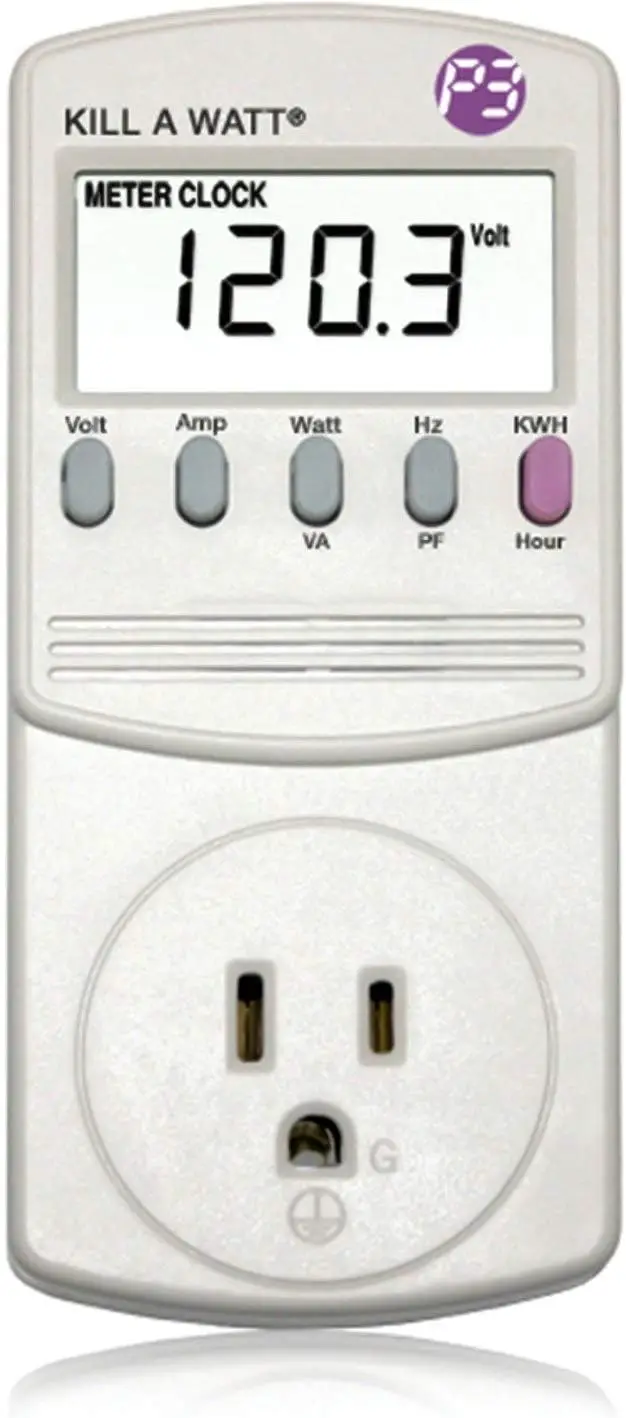
P3 Kill A Watt Electricity Usage Monitor
- Measure actual running watts vs sticker myths
- Fixes “wrong wattage” diagnosis at the outlet
- CSV: Electrical — sizing-adjacent
Reliance Controls 31410CRK Pro/Tran 10-Circuit 30A Transfer Switch Kit
- Limits which circuits can stack on the generator
- Pairs with interlock-overload diagnosis
- CSV: Transfer Switches
Watt's Wire 25ft 10-Gauge Heavy Duty Outdoor Extension Cord
- Heavy gauge reduces start-up voltage sag
- Outdoor generator-to-inlet runs
- CSV: Generator Accessories
Kidde AA Battery-Powered CO Alarm Portable
- Portable CO sensing during generator ops
- Battery backup when the grid is down
- CSV: Safety / PPE
Midwest Can 5610 5-Gallon Gas Can (Safe-Flo, FlameShield)
- Stage fuel after capacity is confirmed correct
- Separates sizing stalls from empty-tank failures
- CSV: Fuel Storage
As an Amazon Associate, TestTalkHQ earns from qualifying purchases. Cards sourced from the live affiliate CSV (Electrical, Transfer Switches, Generator Accessories, Safety / PPE, Fuel Storage).
Frequently Asked Questions
The calculator said 7.5 kW was enough — why does it stall?
Re-check simultaneous running watts and the single largest motor surge. Most “passing calc / field stall” failures are missed inrush or stacked circuits, not a broken formula.
Is brownout the same as undersize?
Often related. Sag on start with recovery can be cord drop or edge-of-surge capacity. Hard stall/trip is usually continuous or surge rating exceeded. Measure volts at the load during start.
Should I just buy a bigger generator?
Only after you confirm capacity failure. If the set runs loads fine but dies early on fuel, use Fuel Runtime Troubleshooting instead.
Is this the same as How to Size a Generator?
No. The guide teaches the sizing method, types, NEC 702, and common planning mistakes. This page diagnoses failures when the calculation already looked correct.
Where do I pick portable vs standby or headroom %?
Use How to Size a Generator — those decision sections already live there.