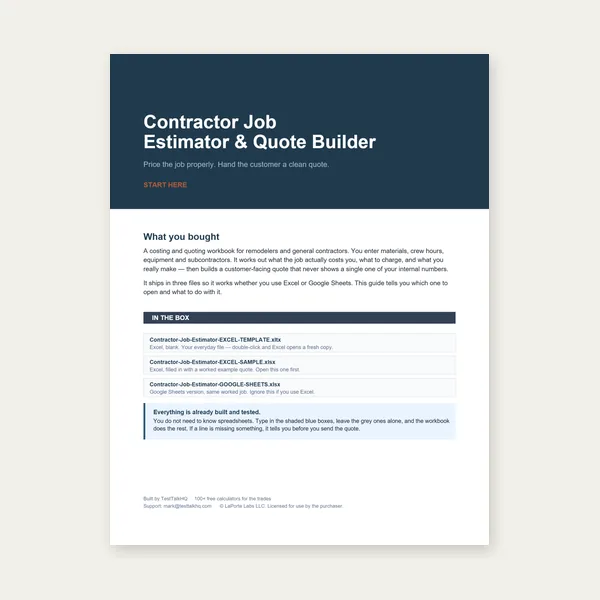
Contractor Job Estimator
Price remodels and GC work, then send a quote with no internal numbers.
Excel or Google Sheets. Best on a computer.
$29.00
BuyNominal vs actual, forgotten waste, and mixing board feet with linear feet on one order
When the invoice and the takeoff disagree, it is almost never the formula. Someone used dressed thickness, skipped waste, or added a stud package priced by the piece into a hardwood total priced by the board foot.
Run the numbers in the Board Foot Calculator. Refresh the unit: board foot guide. Convert stick prices: board feet vs linear feet.
Re-run the takeoffNominal T × W × L, then decide if the yard even sells this SKU by the board foot.
Open Calculator →You measured a 2x10 with a tape: 1.5" × 9.25" × 12 ft. You typed those actuals. BF = (1.5 × 9.25 × 12) ÷ 12 = 13.875 BF. The yard tallies (2 × 10 × 12) ÷ 12 = 20 BF. You are 31% low. On a bunk of twenty boards that is 122.5 BF missing and a “the mill ripped us off” argument you will lose.
Layout tools care about actuals. A stringer throat uses 11.25" on a 2x12, not 12". Buying the wood and cutting the wood are different numbers. Keep them on different lines.
The calculator reports net board feet of the pieces you entered. It will not add 12% because you are ripping 1x8 into 3-1/2" casing. If you order exactly the net, you will be at the yard again on Thursday.
You estimated 200 BF of oak at $8.50/BF = $1,700. Then you added “40 of 2x4x8” by treating each stud as 8 BF (thinking 2 × 4) instead of 5.333 BF, or worse, you added 40 linear feet as if they were 40 board feet. The PO is now fiction.
Rules that prevent that:
Conversion lives in board feet vs linear feet. The short version: LF to BF = LF × (T × W) ÷ 12. BF to LF = BF × 12 ÷ (T × W).
Typing 96 in the feet box turns an 8-foot 1x6 into (1 × 6 × 96) ÷ 12 = 48 BF instead of 4 BF. Typing 8 in the inches box without switching the toggle turns it into 8 ÷ 12 = 0.667 ft and 0.333 BF. The calculator toggle exists so you do not do this. If the hero number is 10× too big or 12× too small, look at the length unit before you rewrite the formula.
Re-run with nominal sizesLeave $/BF blank until the volume looks sane.
Open Board Foot Calculator →If they used nominal and you used actual, they are right for the invoice. If both used nominal and still disagree, check length unit and quantity.
Yes — pick Custom thickness and type what the mill quoted, but only when the quote is actual/net. Label that line so nobody reruns it as a 2x later.
You left price blank. That is correct behavior. The tool will not pretend the wood is free.
No. Volume math cannot see crown. Sight the bunk. Rejects still billed as BF are a receiving problem, not a calculator problem.
Price remodels and GC work, then send a quote with no internal numbers.
Excel or Google Sheets. Best on a computer.
$29.00
BuyCheckout opens in a new tab.
Write the volume first. Then confirm the bunk with a square and a tape before you treat every sticker as usable stock.
Check the end of the board against the nominal size on the ticket. Same square you will use on stringers and rafters from that lumber.
View on Amazon →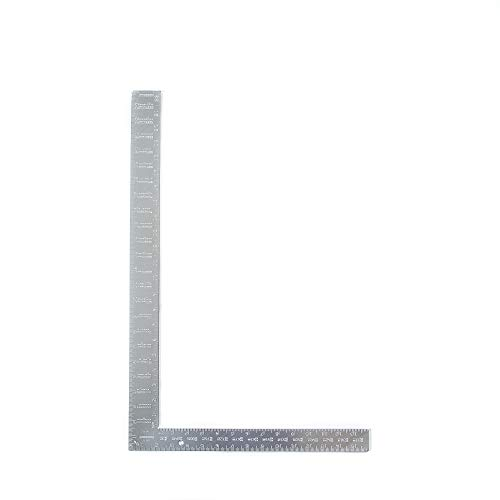
Fast 90 on a stickered 2x when you are sorting the pile. The calculator still wants the nominal numbers, not the dressed face.
View on Amazon →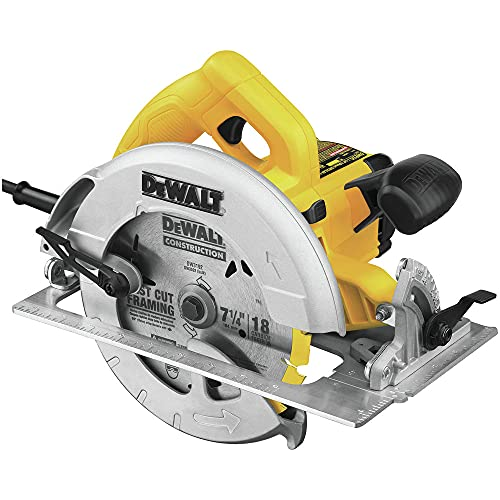
Rips and cutoffs are waste the board-foot number does not include. Buy extra, then cut.
View on Amazon →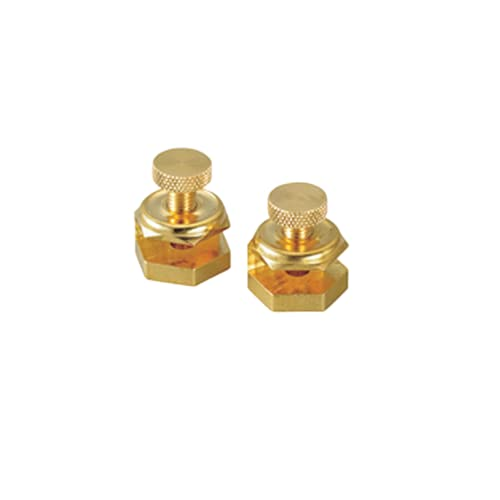
When the same 2x12 becomes a stringer, lock the square. Volume and layout are different jobs.
View on Amazon →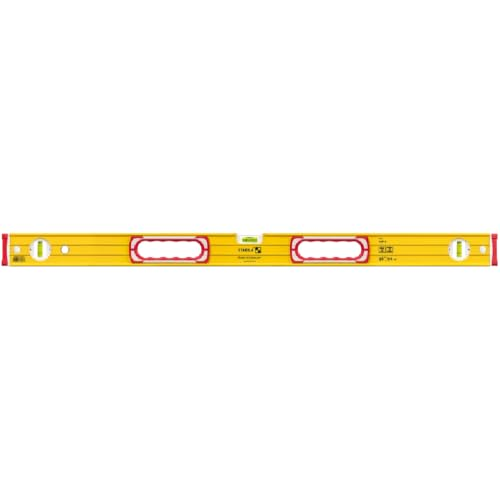
Sight crown and twist before you count a board as billed BF. Rejects still left the yard as volume.
View on Amazon →
Nominal T × W × L, quantity, optional $/BF. Cost stays blank if you leave price empty.
Open Board Foot Calculator →As an Amazon Associate, TestTalkHQ earns from qualifying purchases.