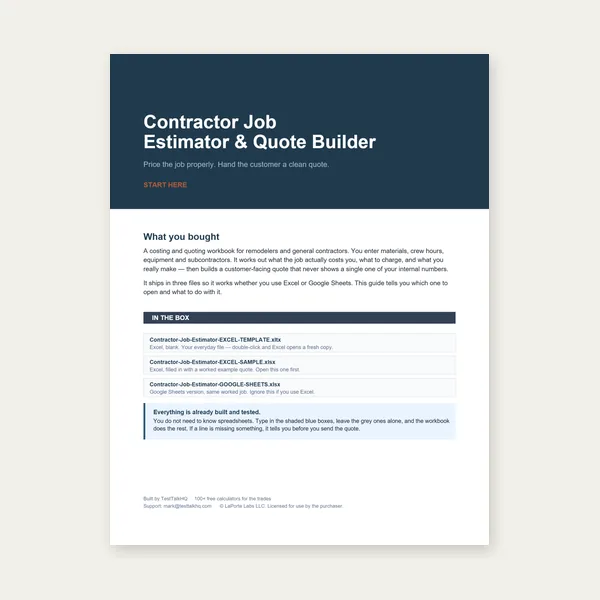
Contractor Job Estimator
$29.00
BuyWhat board feet are, why lumber is priced that way, and how the formula maps to a ticket
A board foot is a volume unit, not a stick. Hardwood yards, some specialty mills, and many takeoff sheets price wood as if every piece were sliced into 1" × 12" × 12" cubes. Framing lumber on the big-box rack is often sold by the piece instead. Mixing those two systems is how a PO comes back 30% high or a bunk comes up short.
Need the number first? Open the Board Foot Calculator. Estimating mistakes: troubleshooting. Stick vs volume: board feet vs linear feet.
Have thickness, width, and length?Board feet per piece, total BF, optional estimated cost.
Open Calculator →One board foot (BF) is 144 cubic inches of wood: a theoretical board 1 inch thick, 12 inches wide, and 12 inches long. Twelve of those make a cubic foot. The unit exists so a mill can price a 1x4, a 5/4x8, and a 2x12 on one scale without inventing a new SKU price for every length.
That is volume. Linear feet are length of a known SKU. A 16-foot 2x4 is 16 linear feet of 2x4. It is also 10.667 board feet. Both descriptions are true. Only one of them matches how that yard will invoice you. The calculator always returns board feet. You still have to ask whether the quote is $/BF, $/piece, or $/linear foot.
A surfaced 2x6 you can buy today is about 1.5" × 5.5". The yard still tallies it as 2 × 6 when they sell by the board foot. Feed actuals into the formula and you will disagree with every hardwood invoice you have ever seen. That mismatch is the #1 estimating error in the troubleshooting guide.
Hardwood is random-width and random-length more often than framing 2x. A cherry board might be 7-1/4" wide and 9' 4" long. There is no honest “per stick” price that stays fair across that pile. Board feet let the yard charge for the wood that is actually there.
Framing lumber is the opposite: a bunk of 2x4x8 is a grid of identical SKUs. Big-box and many framing yards price that as “each” or as linear feet of that SKU. The board-foot number still exists (a 2x4x8 is 5.333 BF) but the sticker on the rack is usually a piece price. Using a $/BF hardwood rate on a stud package, or a stud piece-price on a walnut slab, is how takeoffs lie.
That split is the whole point of board feet vs linear feet. Stairs, decks, and rafters still need layout math after you buy the wood: stair stringer, deck stair, rafter length.
Standard lumber-yard formula, using length in feet:
If you only have length in inches, convert first: length_ft = inches ÷ 12. Then the same formula. A 96" 1x8 is the same as an 8-foot 1x8. The calculator's feet/inches toggle does that conversion so you do not divide twice or forget to divide at all.
Thickness and width stay in inches. Do not put 2x4 as 2.0 feet. Do not put an 8-foot board as 8 inches. Those two swaps are how a takeoff lands on 0.44 BF or 640 BF for a single stud.
Run any of these in the Board Foot Calculator and the hero number should match. If it does not, you switched units or used dressed actuals. That is a troubleshooting problem, not a new formula.
Numbers, then the PONominal T, W, L, quantity — price only if the yard sells by the board foot.
Open Board Foot Calculator →Nominal 2 × 4 for board-foot pricing of dimensional lumber. Actuals are for fit, joist hangers, and remaining throat on a stringer — not for this invoice unit.
Price per board foot is optional. The calculator will not invent $0.00. Enter a rate only when you have one.
No. If the rack is priced each or per linear foot of that SKU, convert or count sticks. The comparison article covers the conversion.
Not in the formula. Add a waste line on the takeoff after you trust the net BF. The tool reports what you typed, not what you will throw away.
Sheet goods are usually priced per sheet (4x8, 4x10). A 4x8x3/4" sheet is 24 BF if you insist, but the yard will still sell it as a sheet. Do not mix sheet counts into a hardwood BF total without labeling the unit.
$29.00
BuyCheckout opens here — you stay on this page.
Write the volume first. Then confirm the bunk with a square and a tape before you treat every sticker as usable stock.
Check the end of the board against the nominal size on the ticket. Same square you will use on stringers and rafters from that lumber.
View on Amazon →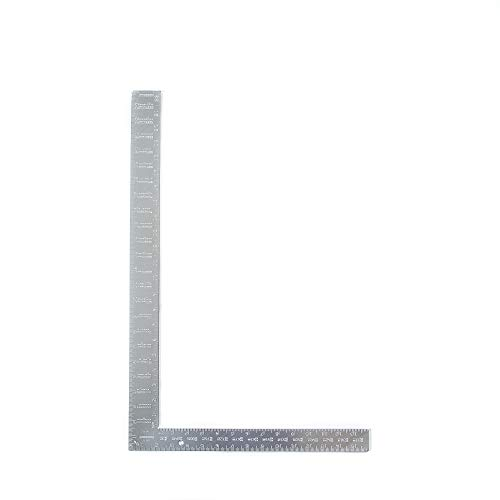
Fast 90 on a stickered 2x when you are sorting the pile. The calculator still wants the nominal numbers, not the dressed face.
View on Amazon →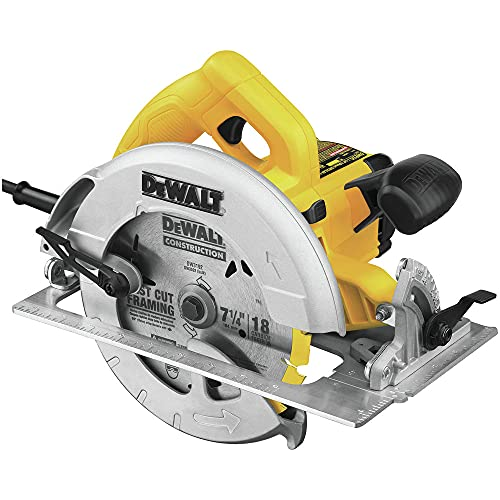
Rips and cutoffs are waste the board-foot number does not include. Buy extra, then cut.
View on Amazon →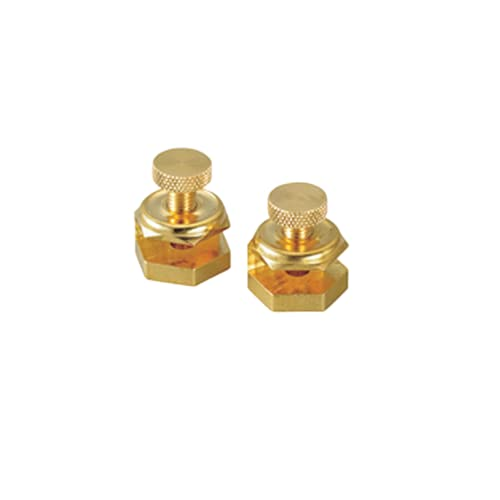
When the same 2x12 becomes a stringer, lock the square. Volume and layout are different jobs.
View on Amazon →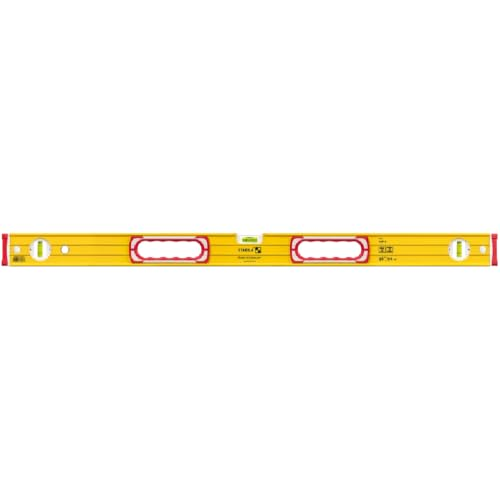
Sight crown and twist before you count a board as billed BF. Rejects still left the yard as volume.
View on Amazon →
Nominal T × W × L, quantity, optional $/BF. Cost stays blank if you leave price empty.
Open Board Foot Calculator →As an Amazon Associate, TestTalkHQ earns from qualifying purchases.