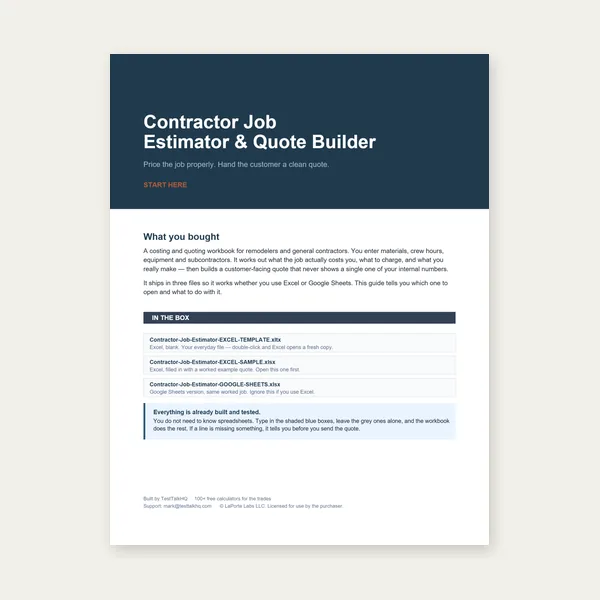
Contractor Job Estimator
Price remodels and GC work, then send a quote with no internal numbers.
Excel or Google Sheets. Best on a computer.
$29.00
BuyWhat the end cap really absorbs when the piston gets there
A cylinder that air-consumption and force calculators size correctly can still crack its own end cap, loosen its mounting bolts, or bend a rod — because neither of those calculations touches what happens in the last fraction of an inch of travel. Impact energy goes up with the square of velocity, so a cylinder that seems fine at a moderate rate can be in real trouble after a speed increase nobody thought was large. Enter the moving weight, the impact velocity, and the stopping distance to get the kinetic energy, the average stopping force, and the deceleration in g's.
Price remodels and GC work, then send a quote with no internal numbers.
Excel or Google Sheets. Best on a computer.
$29.00
BuyCheckout opens in a new tab.
Every lever here either slows the piston down before it gets to the stop or gives it more distance to shed the same energy. Both move the numbers above in the right direction without touching the machine's cycle time by much.
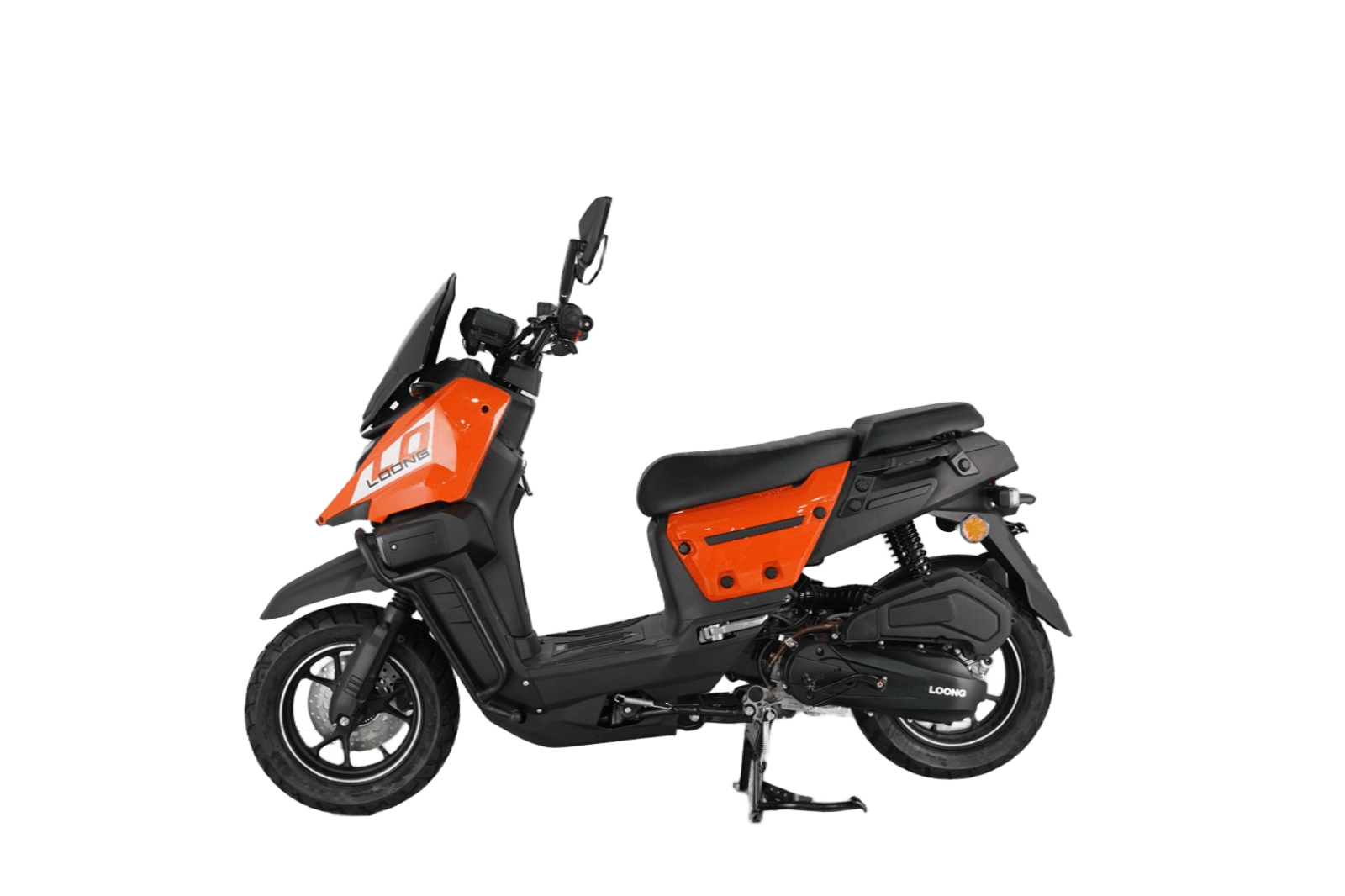
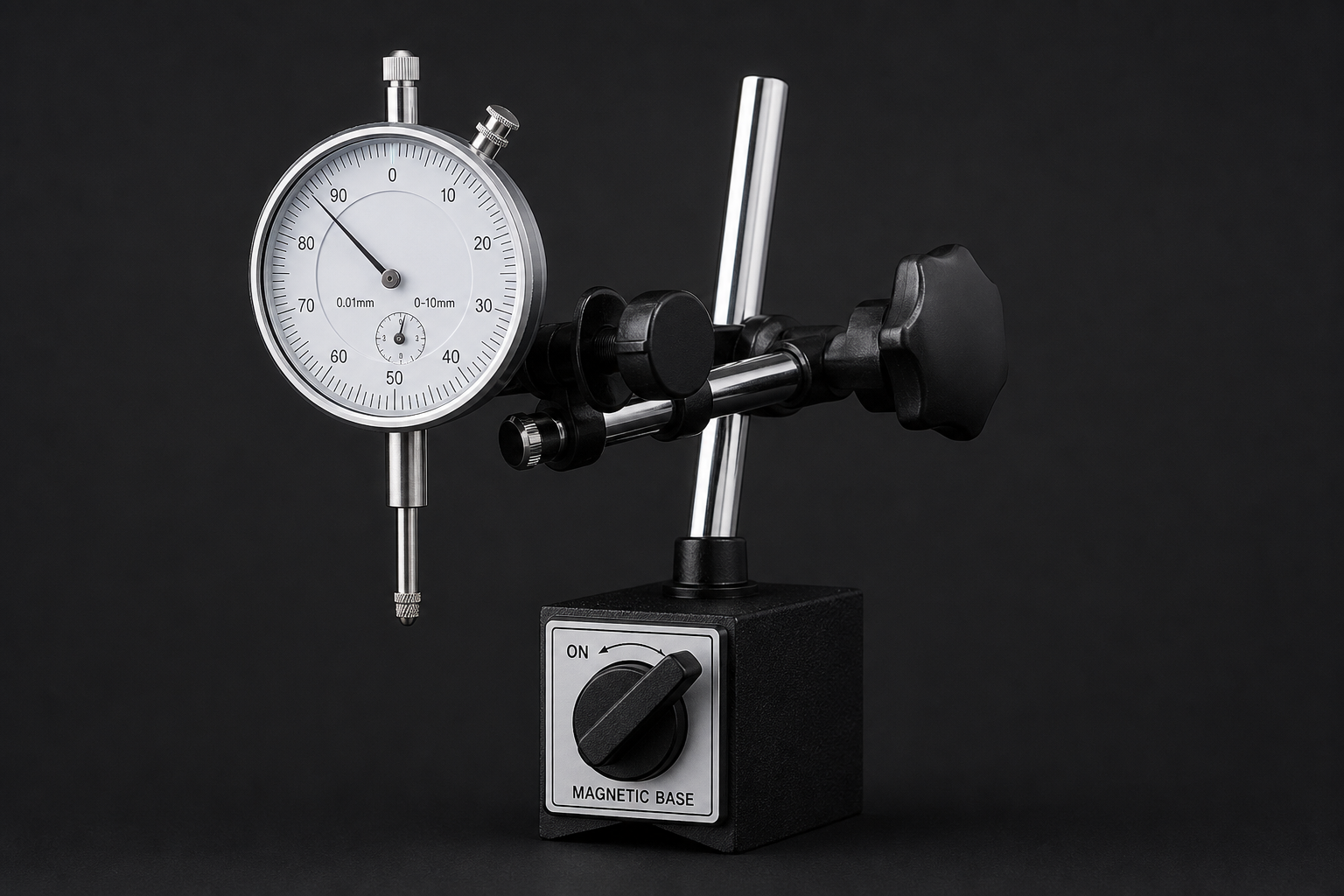
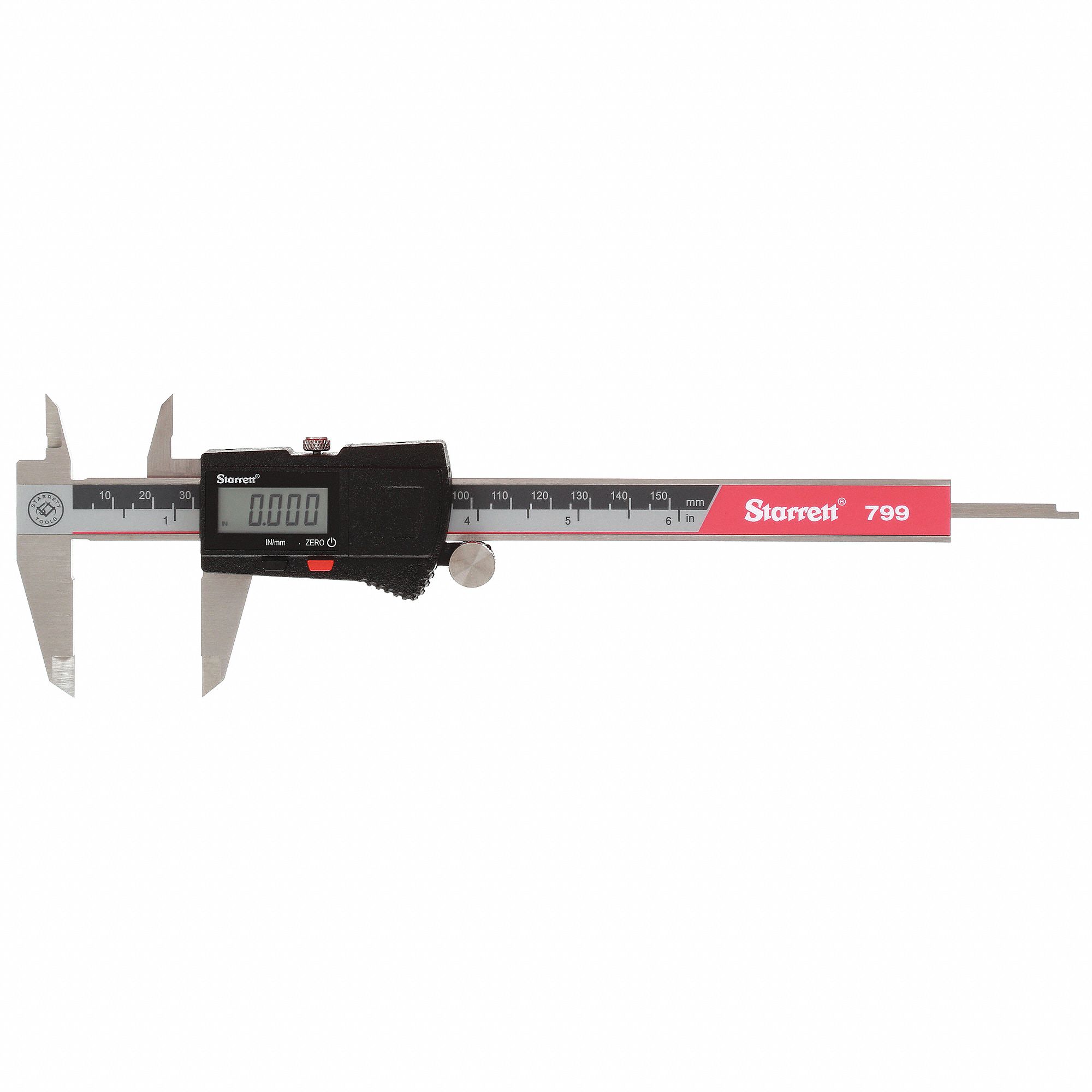
As an Amazon Associate, TestTalkHQ earns from qualifying purchases. Prices and availability can change.
This is a work-energy problem, not a pressure problem. Once the piston is moving, what happens at the stop depends only on how much mass is moving, how fast, and how much distance it has to shed that energy — the line pressure that got it moving is no longer part of the arithmetic.
Weight divided by the acceleration of gravity gives mass in slugs, the unit the English system actually wants here:
W is weight in pounds, v is velocity in feet per second, g is 32.174 ft/s², and the result is in foot-pounds. The calculator takes velocity in inches per second because that is how cylinder speeds are usually quoted, and converts internally.
Force times distance equals energy, so once you know how much travel is available to absorb the kinetic energy, the average force follows directly:
d is the stopping distance in feet (the calculator takes inches and converts). This is an average over the stopping distance, not the peak. A real adjustable pneumatic cushion uses a tapered plunger that restricts the exhaust progressively, which profiles the deceleration rather than holding it constant — the true peak force is higher than this average, typically by a factor that depends on the cushion's taper design. Treat the average-force figure as a comparison tool between options, not a peak-stress number for a structural calculation.
Dividing the average force by the moving weight converts it to a multiple of gravity, which is the unit most people have intuition for:
This is the same number, presented differently, and the calculator shows both because force in pounds tells you what the mounting bolts and end cap feel, while g's tells you what a mounted sensor, fixture, or fragile part feels.
Force and air consumption calculators both treat pressure as the thing that matters, because it is what drives the extend and retract strokes. Impact energy does not care what pressure got the piston moving — only what the piston is doing at the moment it arrives. That is why a cylinder can be correctly sized on force and SCFM and still hammer itself apart: those calculations and this one are answering different questions about the same machine.
Because kinetic energy scales with velocity squared, not velocity. Doubling speed quadruples impact energy for the same moving weight and the same stop. This is the single fact that explains most "it worked fine for years, then it broke" cushion failures — a line pressure bump, a flow control opened a bit more, or a bigger valve swapped in can raise speed by what seems like a small amount and raise impact energy by a lot more.
This tool does not supply a universal limit, because it depends entirely on what is mounted and what the cylinder itself is rated for. The cylinder manufacturer publishes a rated cushion capacity in foot-pounds for exactly this reason — enter it in the optional field above to get a direct pass/fail. For anything fragile riding on the cylinder (electronics, glass, a delicate fixture), that component's own shock specification governs, not the cylinder's.
Whichever is cheaper on your machine, and often both move together. Lengthening the cushion cuts force linearly; slowing the approach velocity cuts energy with the square. A flow control valve metering the exhaust on approach is usually the fastest fix because it needs no hardware change, at the cost of a little cycle time.
Because cushions have a limited adjustment range and a limited rated capacity. A cushion screwed fully open is barely restricting anything, and a cushion sleeve worn from years of hard hits stops cushioning even at the same setting. The "force at a bare mechanical stop" row in the results shows what the end cap sees once the cushion is no longer doing its job.
No. Buckling is a static column-strength question about the rod under compressive load during the stroke. Impact energy is a dynamic question about what the end of the stroke does to the cap, the mounting, and anything riding on the rod. Run both — the rod buckling calculator covers the first.