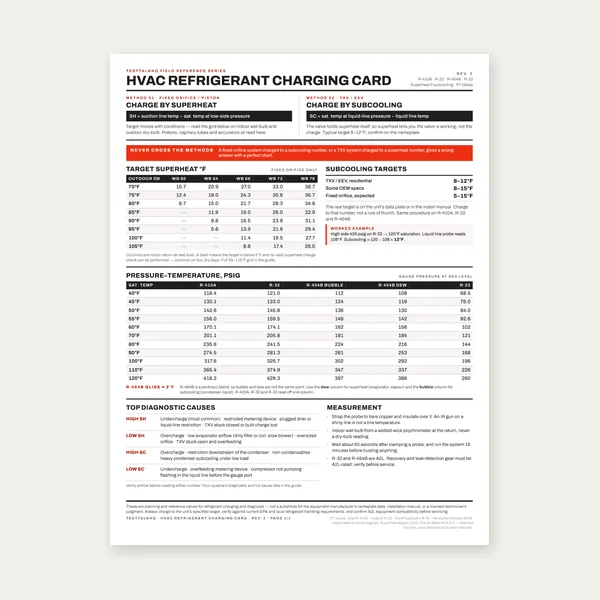
HVAC Refrigerant Charging Card
$3.99
BuyLabor, equipment, refrigerant, ductwork, disposal, permit, overhead, and markup — into a customer-facing quote.
This is the HVAC equivalent of the Weld Cost Calculator: what the job costs you, then what you print on the quote. Walkthrough: how to price an HVAC job. After a bid that lost money: pricing mistakes. Flat-rate vs T&M: which contract to use. HVAC index: HVAC calculators hub.
$3.99
Buy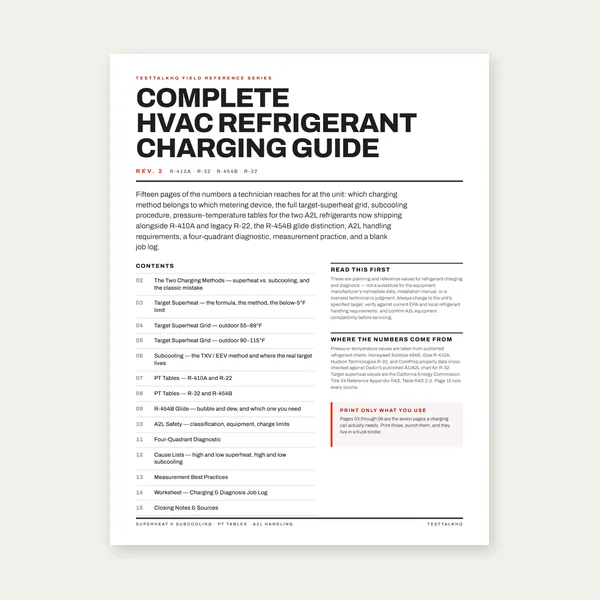
$12.99
Buy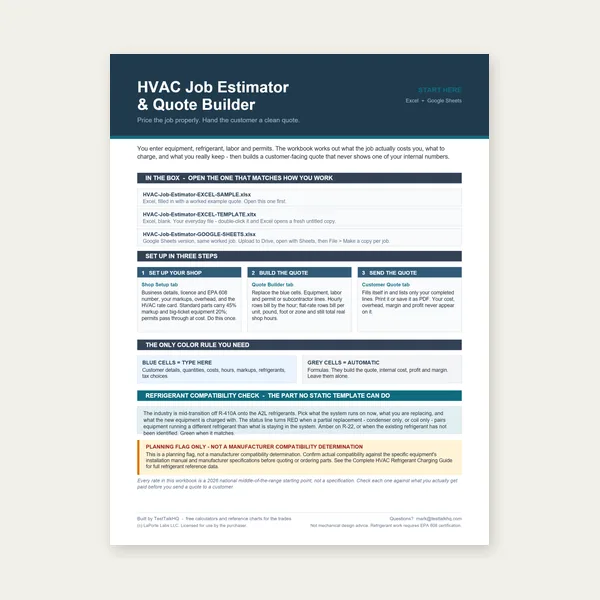
$29.00
Buy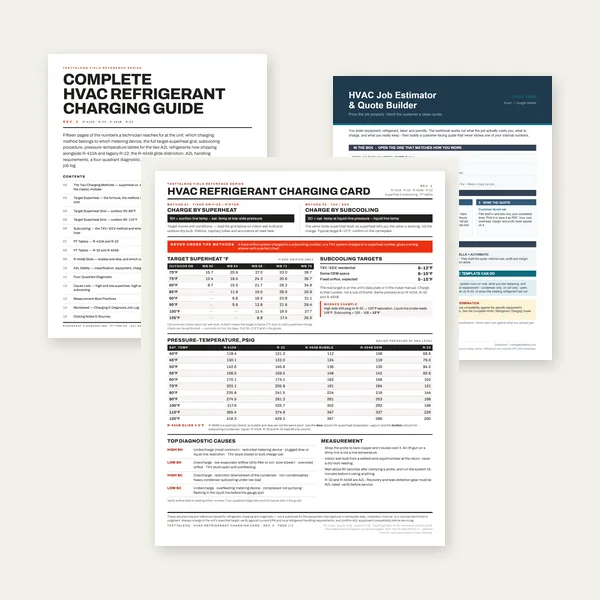
$39.00
BuyCheckout opens here — you stay on this page.
Want a client-ready quote instead of just the numbers? Excel + Google Sheets workbook with a refrigerant compatibility check.
View on Etsy →The numbers only hold if you can weigh refrigerant, recover the old charge, and prove the new system. Real catalog links — not Amazon search URLs.
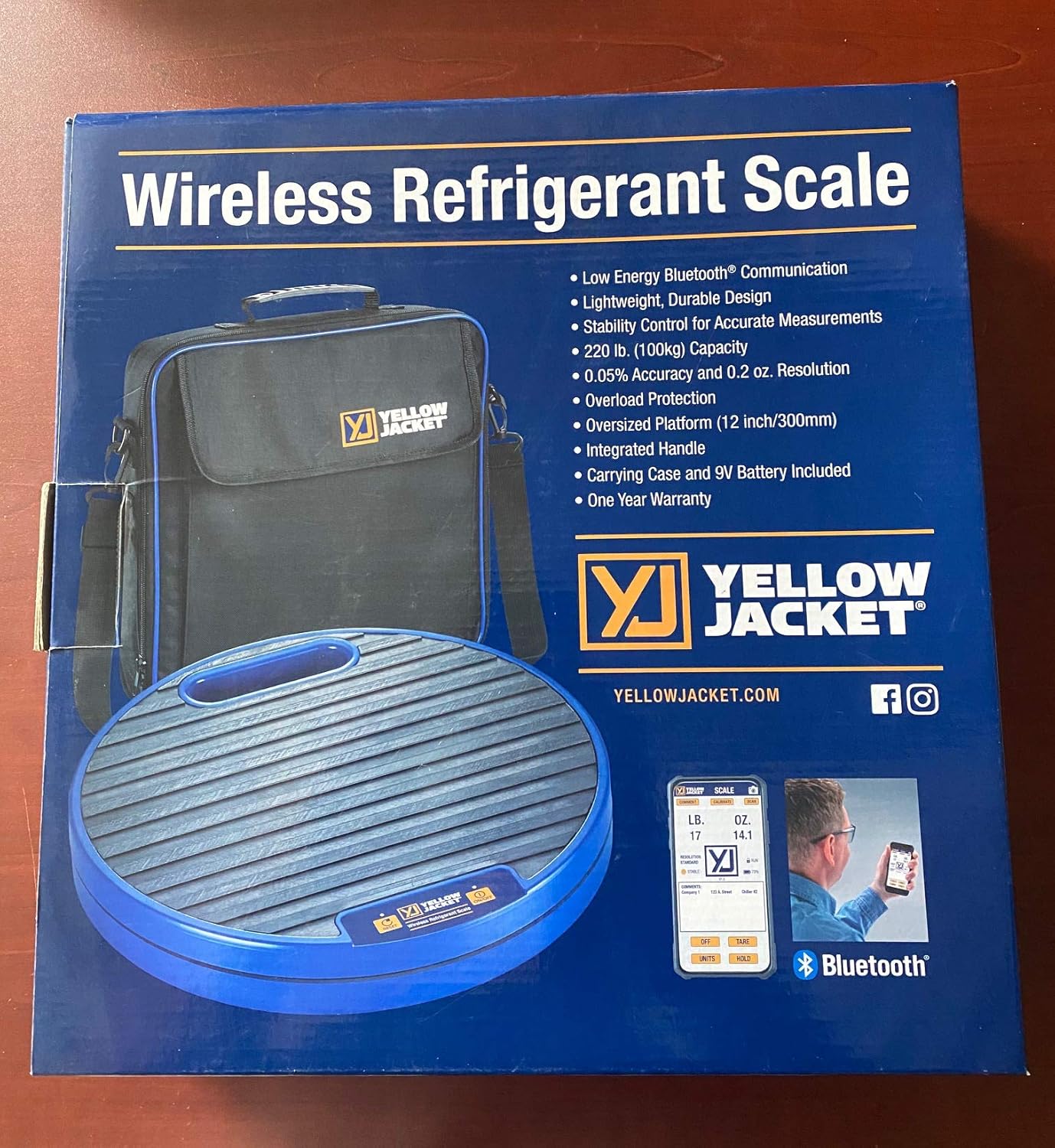
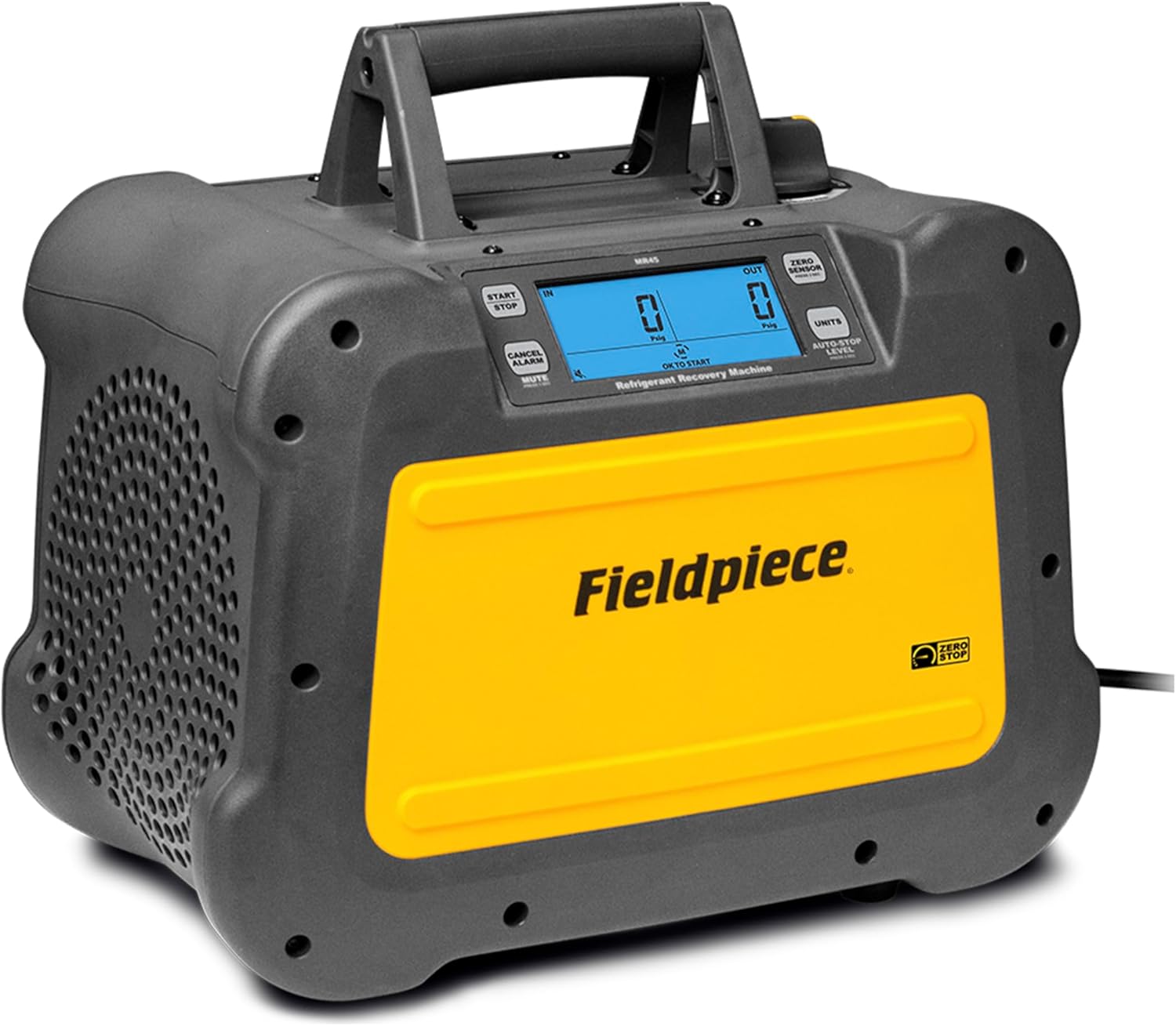
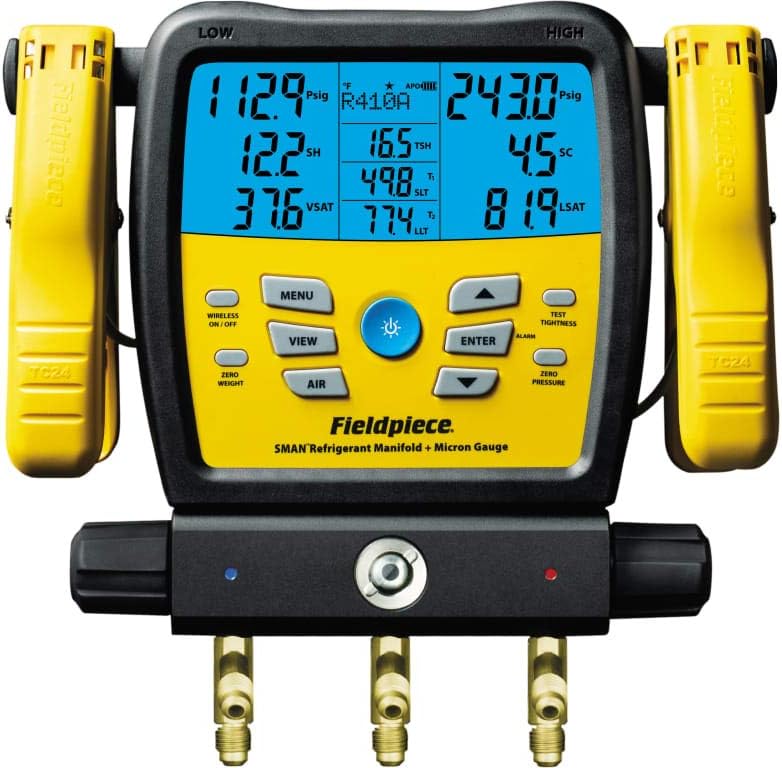
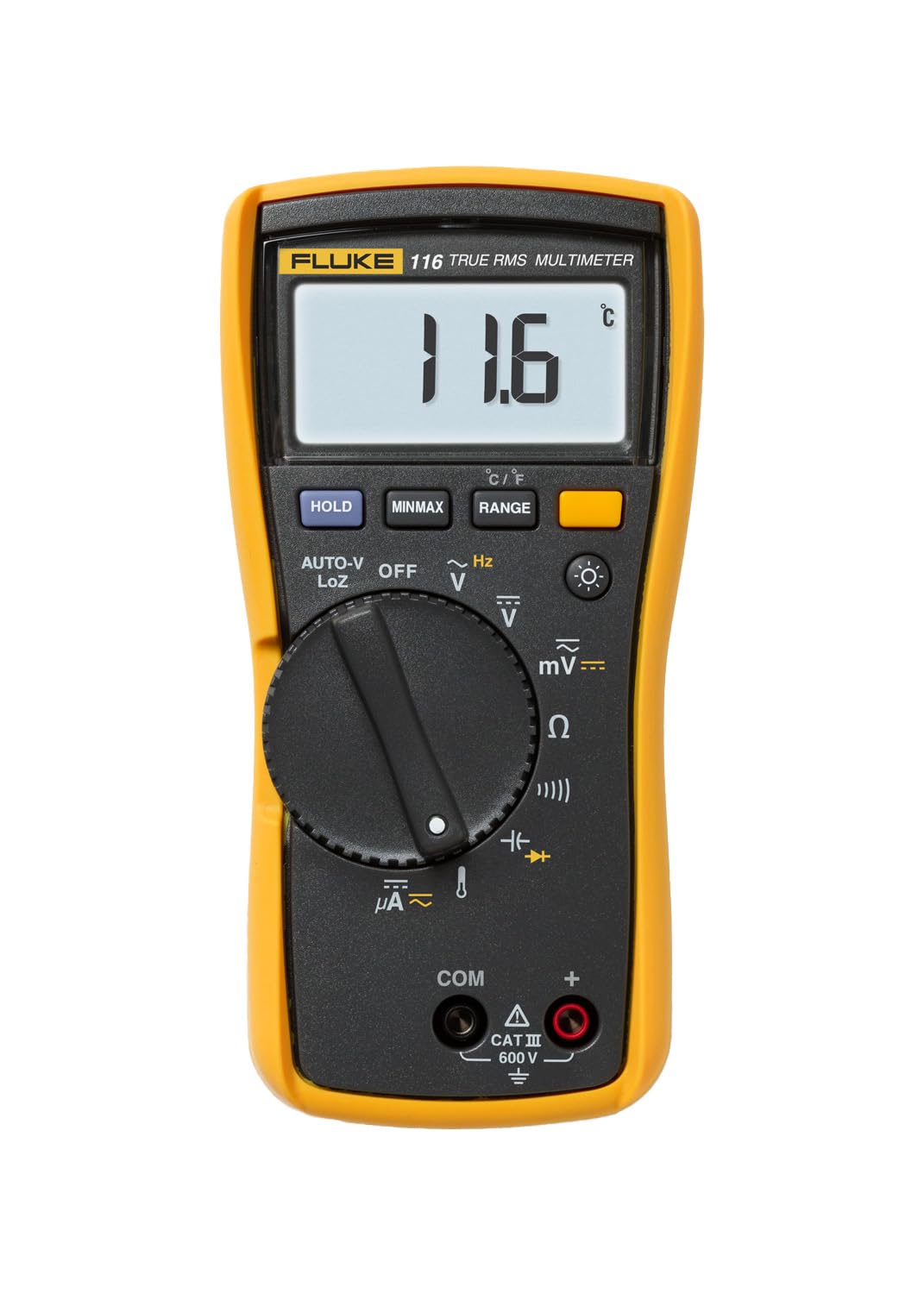
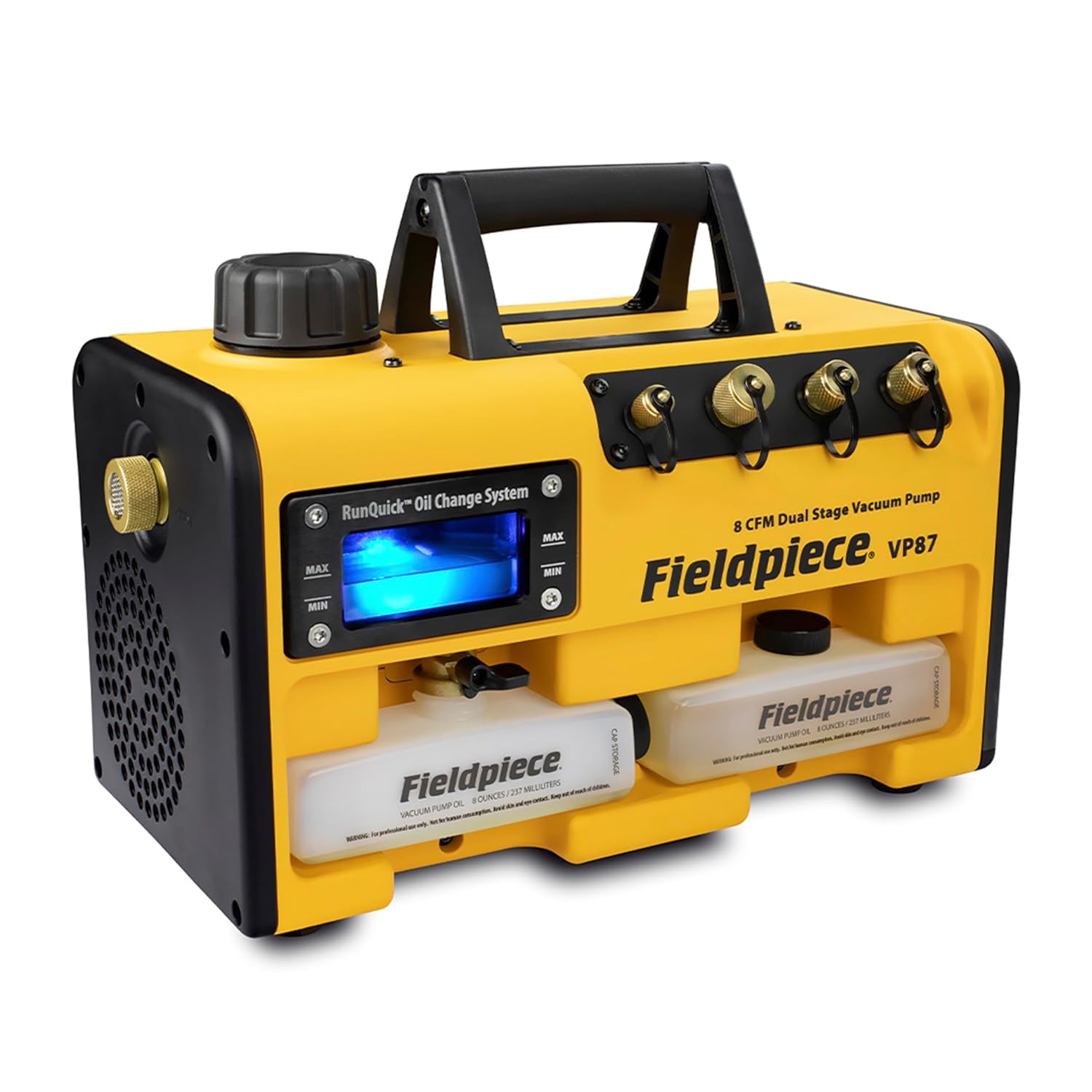
As an Amazon Associate, TestTalkHQ earns from qualifying purchases. Product images from the TestTalkHQ affiliate catalog.
Direct cost is labor + equipment + refrigerant + ductwork + parts + trip + disposal + permit. Overhead is a percent of that direct total (vehicles, unused time, insurance). The customer quote is either job cost × (1 + markup) or job cost ÷ (1 − margin). Those two percents are not interchangeable — 35% markup is about 26% margin.
If you pay a tech $38/hr, the quote rate is not $38. Burden, truck, unused hours, and warranty callbacks sit in overhead or in a fully loaded $/hr. Building that rate is the pricing guide.
Most residential shops credit it if the customer buys the repair the same visit. Put that rule on the rate card so the helper does not give it away for free on a $90 part swap.
In lead-tech hours, not in disposal. Disposal is the scrap/haul fee. Recovery is clock time with a machine on the driveway.
Markup is percent on cost. Margin is percent of the selling price. A 50% markup is a 33% margin. Pick one method and stick to it on every quote.
No. Add tax in your invoice software for the jurisdiction. Mixing tax into markup hides whether the job actually made money.