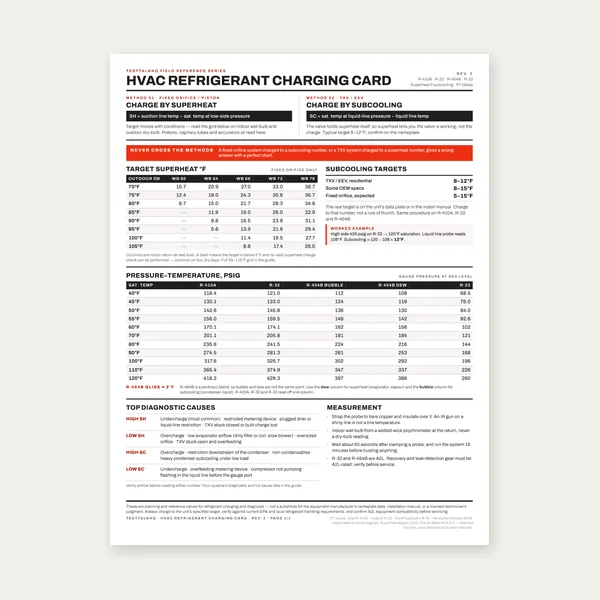
HVAC Refrigerant Charging Card
$3.99
BuyShort-cycling and premature wear from an oversized furnace, rooms that never get warm from an undersized unit, uneven floors, and spiking bills from a low duty cycle
The furnace sizing calculator is a starting estimate. This page is the symptom checklist when the cabinet you already have (or were quoted) feels wrong. Cooling-side twin: oversized vs undersized AC.
How the math works: guide. When to stop using square footage: rule of thumb vs Manual J heat loss.
Re-check the ballpark heating load before you authorize a rip-and-replace.
Open Calculator →An oversized furnace satisfies the thermostat in a few minutes, shuts off, then fires again. That is short-cycling. Each start dumps thermal stress into the heat exchanger. Limit switches, ignitors, and inducers see more cycles per hour than the design assumed. The house feels blast-hot near the registers, then cools off before the next run.
This is the classic failure mode of rounding a 90,000 BTU load up to a 120,000 input cabinet “to be safe,” especially after a high-AFUE swap that already raised output for the same input. Do not confuse it with a dirty filter that also shortens run time — check static first.
An undersized furnace never catches the load on a design-day. It runs nearly continuously, supply air is lukewarm at the far registers, and the thermostat never quite satisfies. Occupants turn the setpoint up, which does nothing except keep the burner on.
Confirm it is actually capacity before you upsize. Closed dampers, crushed flex, a clogged filter, and high TESP starve CFM and mimic an undersized heat exchanger. Measure external static and duct CFM first.
$3.99
Buy
$12.99
Buy
$29.00
Buy
$39.00
BuyCheckout opens here — you stay on this page.
A BTU estimate is only a starting point. Confirm runtime, air-side split, and static before you chase the wrong size. Products below are from the live TestTalkHQ affiliate CSV. Furnace filters and duct sealant were not in the CSV.
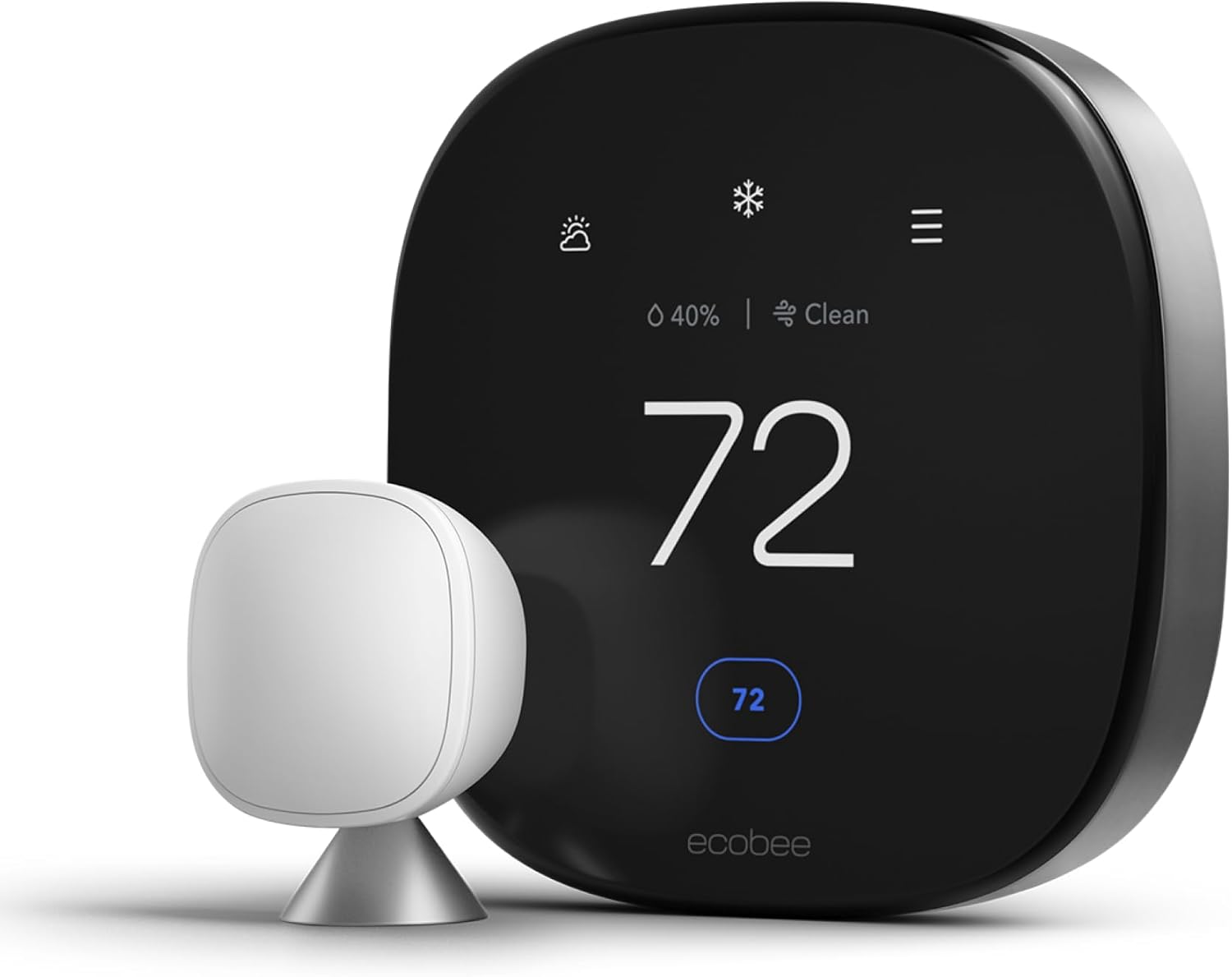
Cycle history and remote sensors show short-cycling versus a furnace that never reaches set point.
View on Amazon →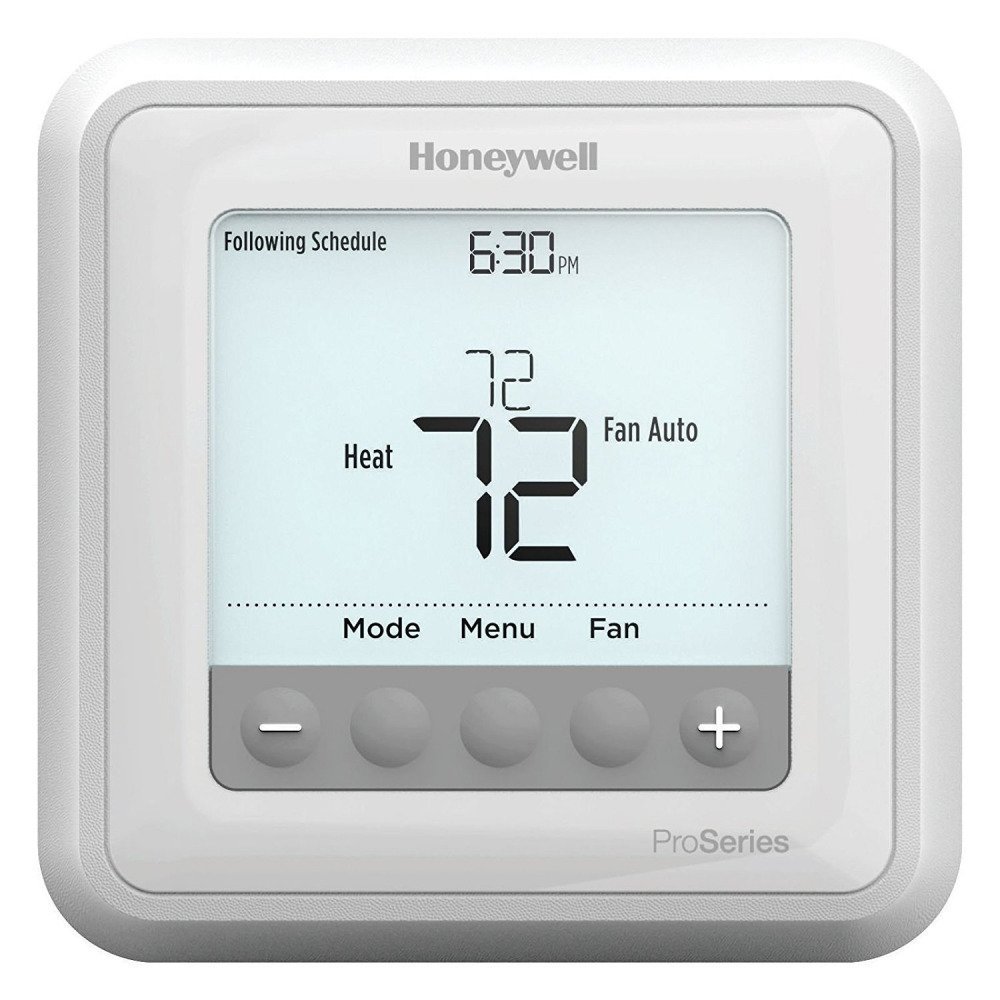
A stable setpoint and cycle count beat guessing whether the cabinet is too big or too small.
View on Amazon →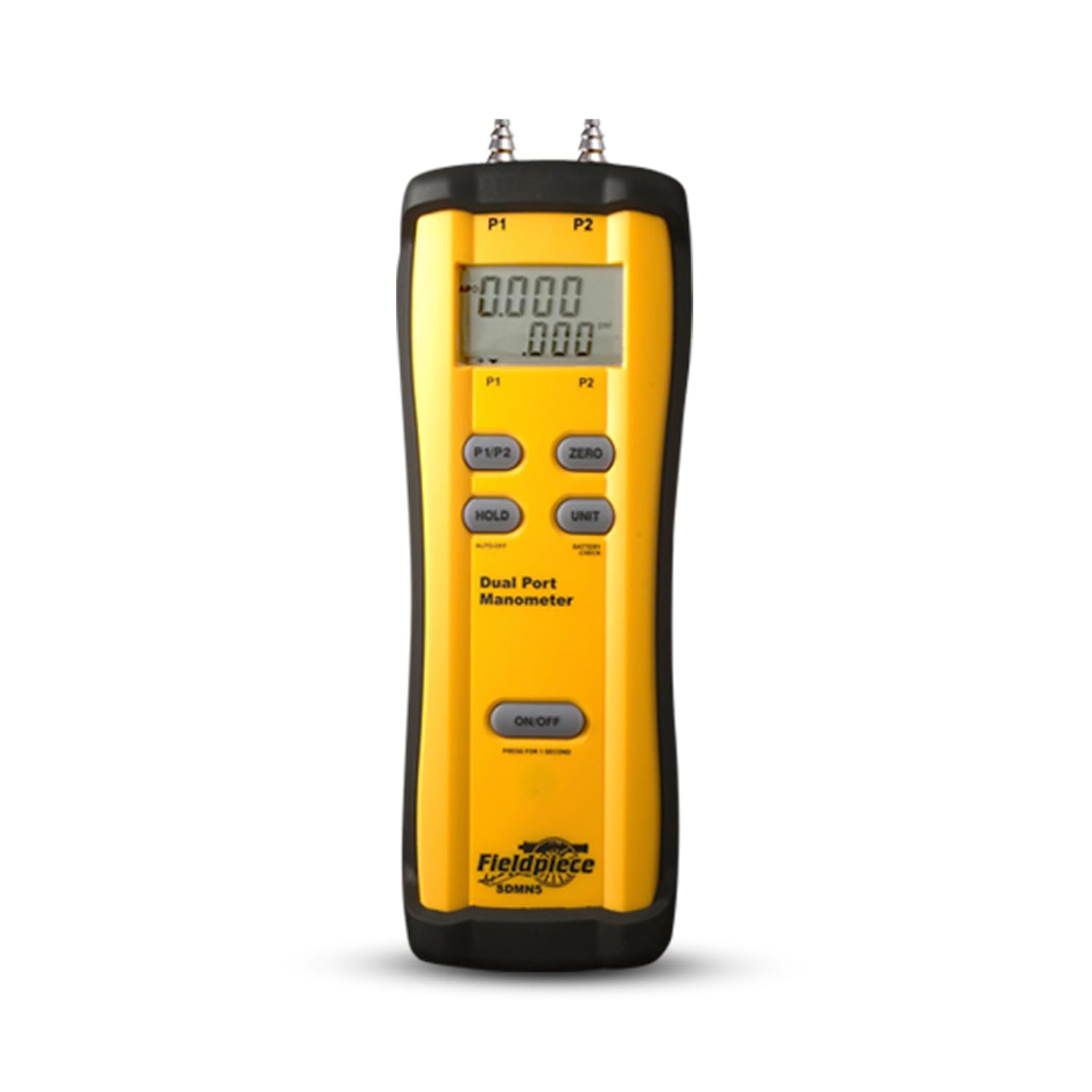
High TESP starves airflow and looks like an undersized heat exchanger. Measure before you upsize.
View on Amazon →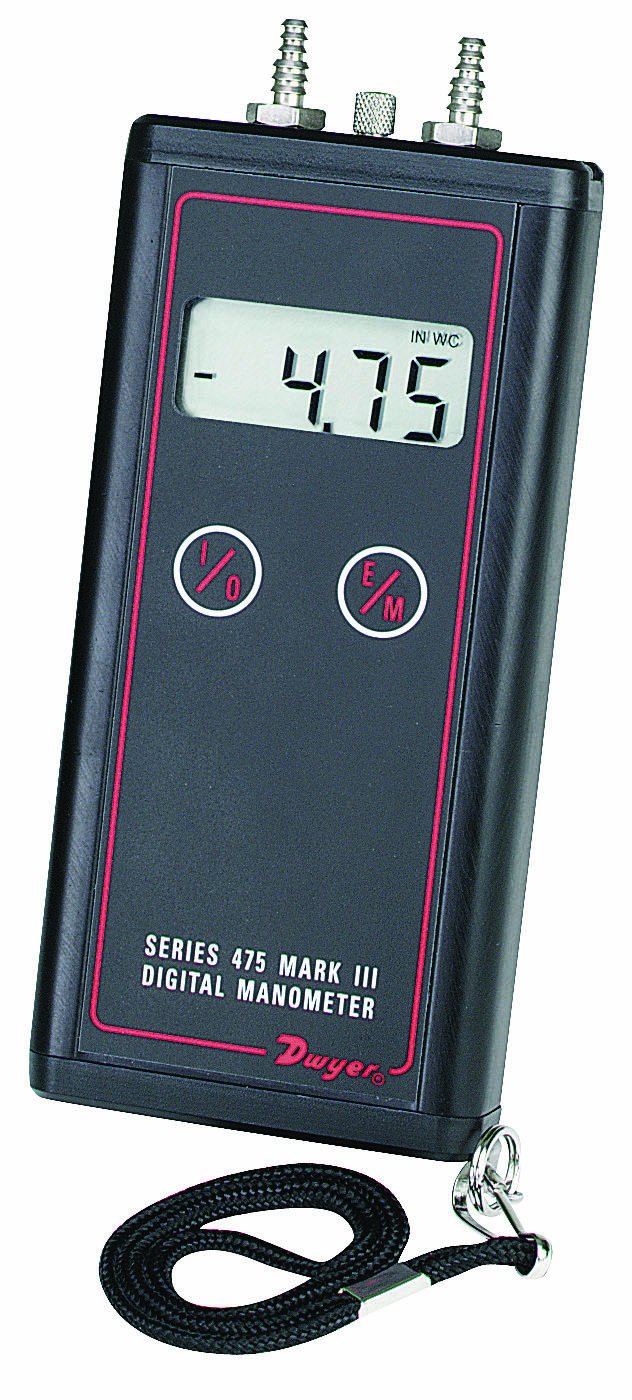
Handheld differential pressure for filter drop, coil drop, and total external static versus the blower nameplate.
View on Amazon →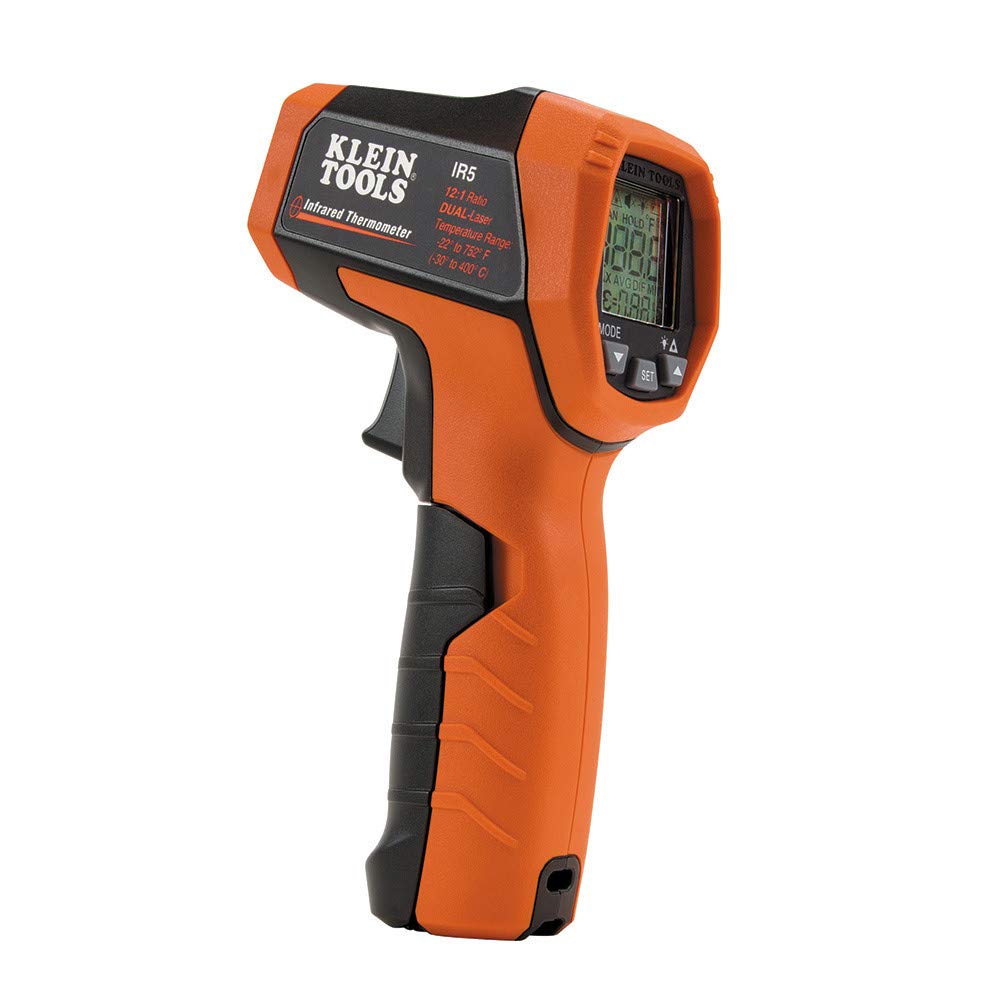
Non-contact supply and return temps for a heating-mode delta-T check after the furnace runs.
View on Amazon →As an Amazon Associate, TestTalkHQ earns from qualifying purchases. Product links are from the live TestTalkHQ affiliate CSV only.
Wrong furnace size is only one cause of uneven heat. An oversized unit blasts the short duct runs and satisfies the thermostat before long runs deliver. An undersized unit loses the fight at the farthest rooms. Stack effect on two-story houses pulls heat upstairs either way.
Before you change cabinets, check balancing dampers, return paths on closed bedrooms, and whether the thermostat sits in the only room that ever hits setpoint. Sizing will not fix a missing return. It will not fix a trunk that was never resized after a change-out.
Homeowners expect a bigger furnace to cost more in gas. The surprise is that an oversized furnace can also spike bills: short cycles never reach steady-state efficiency, the exchanger never soaks, and standby losses between cycles add up. An undersized unit spikes bills the obvious way — it never shuts off.
Duty cycle is the tell. A correctly sized furnace on a design-day should run long, steady cycles — often in the 70–90% range at the coldest hour, not 10 minutes on / 10 minutes off, and not 24 hours straight in a mild snap.
Yes. High filter drop raises TESP, cuts CFM, and can trip limit switches or produce lukewarm supply air. Measure static before you order a different cabinet.
Same input and higher AFUE means more output. You just oversized unless the old unit was already short. Rerun the load; do not match the old nameplate by habit.
Maybe. Confirm airflow and that the thermostat is not in a blast zone first. Then compare nameplate output to a Manual J, not only to square footage.