Thread Pitch Calculator
TPI, pitch, lead, and thread dimensions for imperial and metric fasteners
Calculate thread pitch, threads per inch, lead, thread depth, pitch diameter, and minor diameter from nominal size and thread standard. Built for machinists, welders, and fabricators who need fast thread identification.
Pair with our Tap Drill Size Calculator, Thread Engagement Length Calculator, and Bolt Torque Calculator. Browse all free calculators & tools.
Recommended Thread & Torque Tools
Five shop picks for identifying pitch, cutting threads, and applying correct torque after you calculate dimensions.
Thread Pitch Gauge Set
- Identify TPI and metric pitch in seconds
- Essential for unknown or mixed hardware
- Pairs with this calculator for verification
- Compact shop-drawer reference
- Fastest field identification method
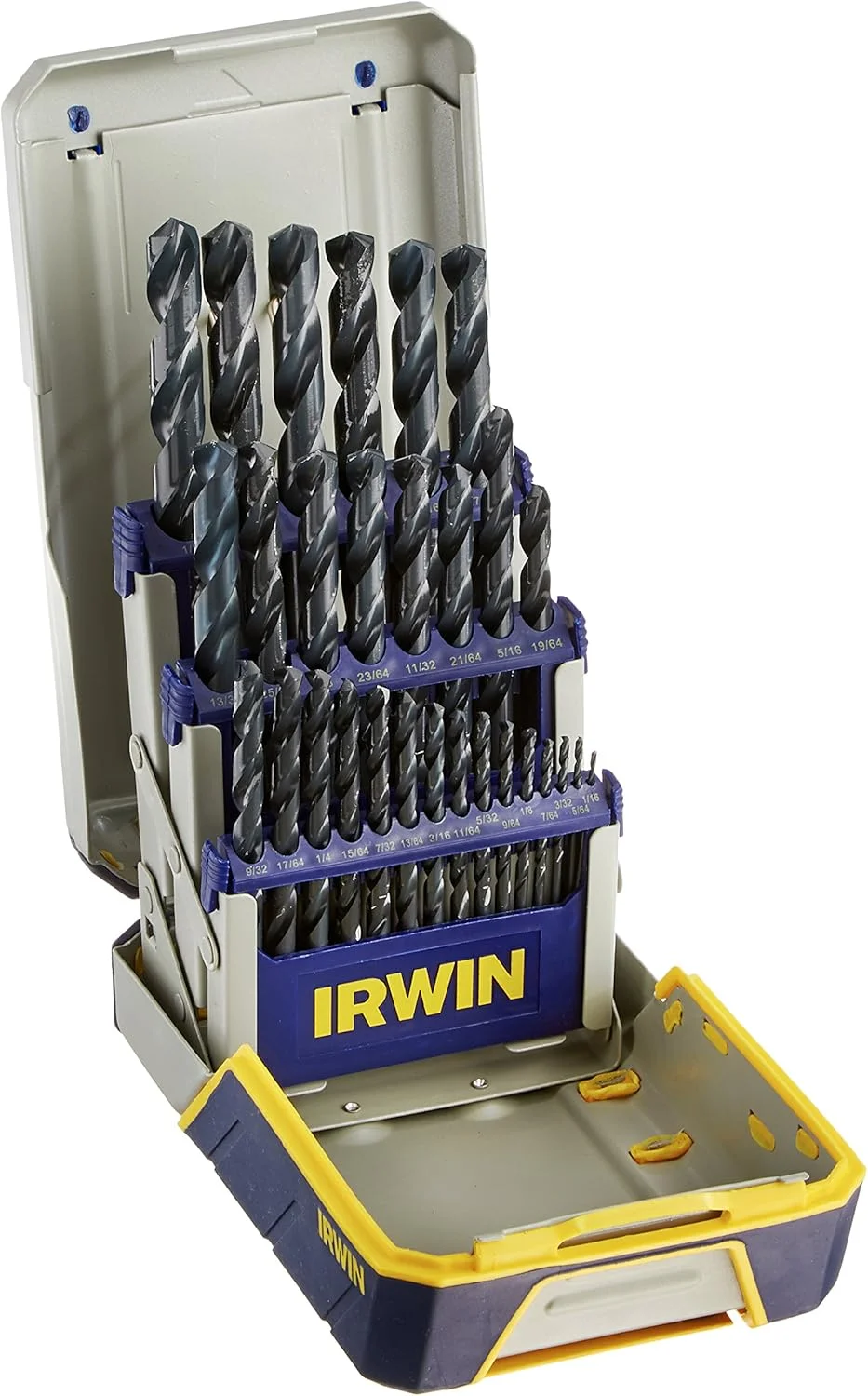
Orion Tap and Die Set
- Cut or chase UNC and metric threads
- Match calculated pitch before tapping
- Includes wrenches for shop use
- General fabrication threading kit
- Strong value for home shops

TEKTON Torque Wrench 1/2in Drive
- Reliable torque for coarse and fine threads
- Click-style feedback prevents over-torque
- 1/2" drive covers common fasteners
- Strong budget shop choice
- Pairs with pitch and engagement calcs
CDI Torque Wrench 1/2in Drive
- Professional-grade torque accuracy
- Ideal for fine-thread clamp loads
- Durable daily shop use
- Trusted in industrial maintenance
- Complements bolt torque calculator
DEWALT Impact Socket Set 1/2in Drive
- Impact-rated sockets for assembly work
- Covers common SAE and metric sizes
- Deep and standard socket mix
- Built for shop and field use
- Complete drive setup after threading
As an Amazon Associate, TestTalkHQ earns from qualifying purchases.
Thread Pitch vs TPI — What's the Difference?
TPI (threads per inch) is the imperial way to describe thread density — it counts how many complete threads fit in one linear inch along the fastener. A 1/4"-20 bolt has 20 threads per inch; each thread occupies 1/20 of an inch (0.050").
Pitch is the metric equivalent — the distance in millimeters from one thread crest to the next on the same flank. An M6 × 1.0 bolt has 1.0 mm between threads. Pitch and TPI are inversely related: pitch (mm) = 25.4 ÷ TPI and TPI = 25.4 ÷ pitch (mm).
Use this calculator to convert between systems instantly when you're reading a metric drawing with imperial hardware on the bench — or vice versa.
UNC vs UNF — Which Thread to Use
UNC (Unified National Coarse) is the default for most general fastening. Coarse threads are easier to start, more tolerant of dirt and minor damage, and require fewer turns for full engagement — ideal for bulk assembly and field work.
UNF (Unified National Fine) packs more threads per inch into the same diameter. That gives better holding power in thin materials, finer adjustment, and improved resistance to vibration loosening — but fine threads strip more easily if cross-threaded or run into a dirty hole.
Choose UNC for general steel fabrication; choose UNF for precision panels, soft materials, and high-vibration joints where engagement length is limited.
How to Measure Thread Pitch
Thread pitch gauge (fastest): Hold a leaf gauge against the threads until one profile matches cleanly with no gaps at the crests. Read the stamped TPI or metric pitch directly off the leaf.
Ruler count method (imperial): Count the number of full threads over a 1-inch span on a bolt shank. That count is your TPI. For partial spans, measure threads over 1/2" and double the count.
Caliper method (metric): Measure crest-to-crest distance across several threads, divide by the number of pitches spanned. Example: 5 mm across 4 pitches = 1.25 mm pitch.
A pitch gauge remains the most accurate quick-check tool — especially when threads are worn or partially obscured by plating.
Thread Pitch and Torque
Finer threads (higher TPI or smaller pitch) produce more clamping force for the same applied torque because the helix angle is shallower — the bolt converts more rotational input into axial tension and less into overcoming thread friction.
That is why UNF and metric fine threads appear in precision assemblies, cylinder heads, and high-load joints where maximum preload matters. Coarse threads still win when speed of assembly and damage tolerance matter more than peak clamp load.
After calculating pitch, use our Bolt Torque Calculator and confirm adequate thread engagement length before final assembly.
Diagnose Thread Failures
Cross-threads, strips under load, bolts that bottom out, or engagement math that disagrees with the shop floor: Thread Pitch & Engagement Troubleshooting. Coarse vs fine tradeoffs stay in the Pitch & Engagement Guide (UNC / UNF / metric sections) — no separate decision article for this family.