
Fluke 117 Electricians True RMS Multimeter
- Measure voltage at the load vs source
- True RMS for motor and nonlinear loads
- CAT III 600 V rated for panel work
- Non-contact voltage detection
Single run, feeder + branch combined, or three-phase · Upsizing table for every practical gauge
Model branch circuits, feeders, or three-phase runs using resistance values aligned with common NEC references. Compare voltage drop at each wire size and see the minimum conductor that meets your percent-drop target.
Beyond a simple drop estimate: switch modes for combined feeder plus branch analysis or three-phase runs with the √3 multiplier. NEC 210.19 and 215.2 informational notes cite 3% branch and 5% combined limits—recommendations, not automatic mandates—verify with your AHJ. Related tools: basic Voltage Drop Calculator, Wire Ampacity & Derating, Conduit Fill Calculator.

| AWG | Resistance (Ω / 1000 ft) | Ampacity 75°C | Common use |
|---|---|---|---|
| 14 | 3.07 | 15A | Lighting, small circuits |
| 12 | 1.93 | 20A | General purpose |
| 10 | 1.21 | 30A | Dryers, A/C |
| 8 | 0.764 | 50A | Range, EV charger |
| 6 | 0.491 | 65A | Subpanels, large loads |
| 4 | 0.308 | 85A | Service, feeders |
| 2 | 0.194 | 115A | Service entrance |
| 1/0 | 0.122 | 150A | 200A service conductors |
| 2/0 | 0.0967 | 175A | Large service |
| 4/0 | 0.0608 | 230A | Large service / feeder |
Calculator resistance constants match the copper column embedded in the script (75°C-style DC approximation). Always verify with current NEC Table 8/9 data and product specs.
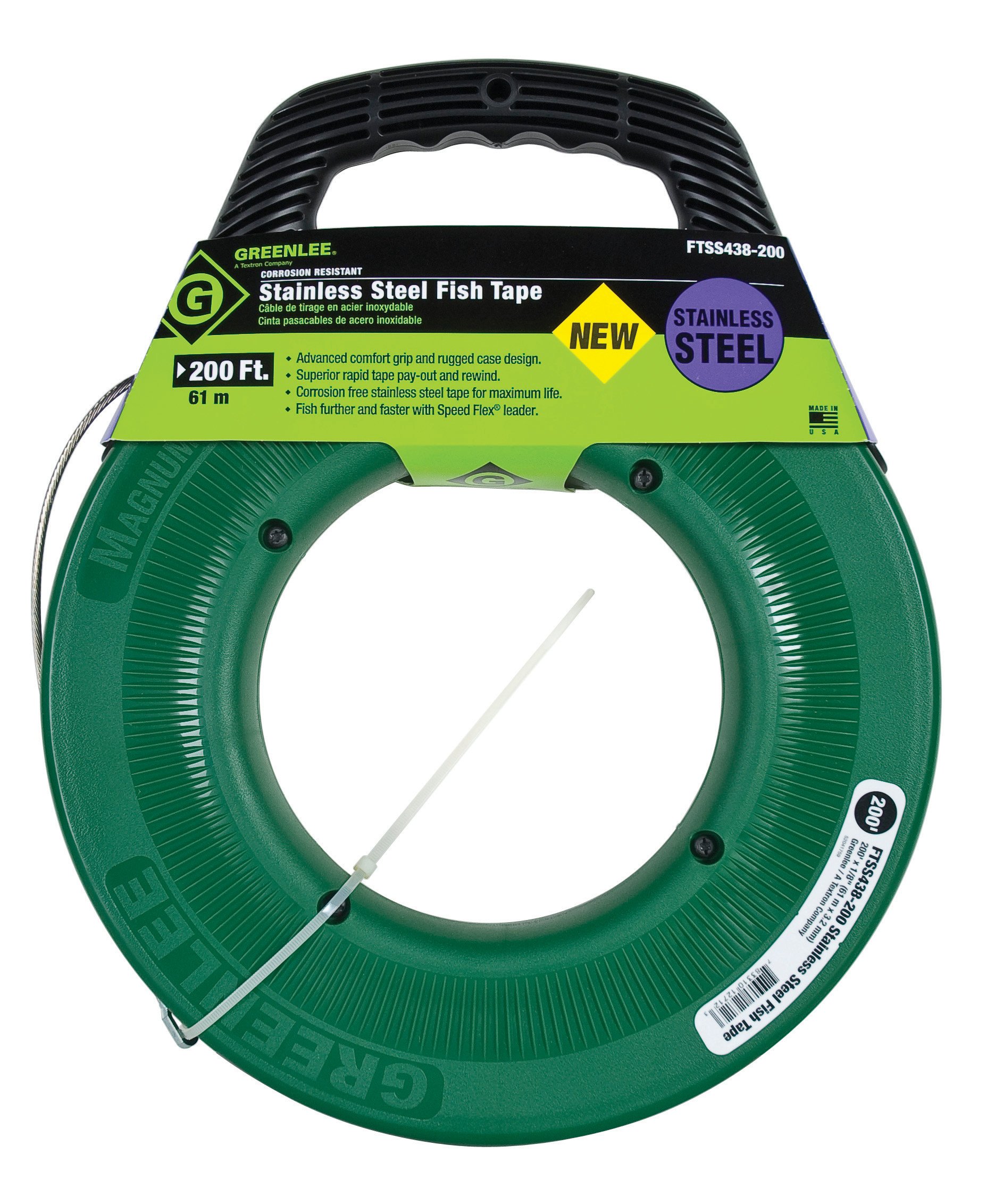
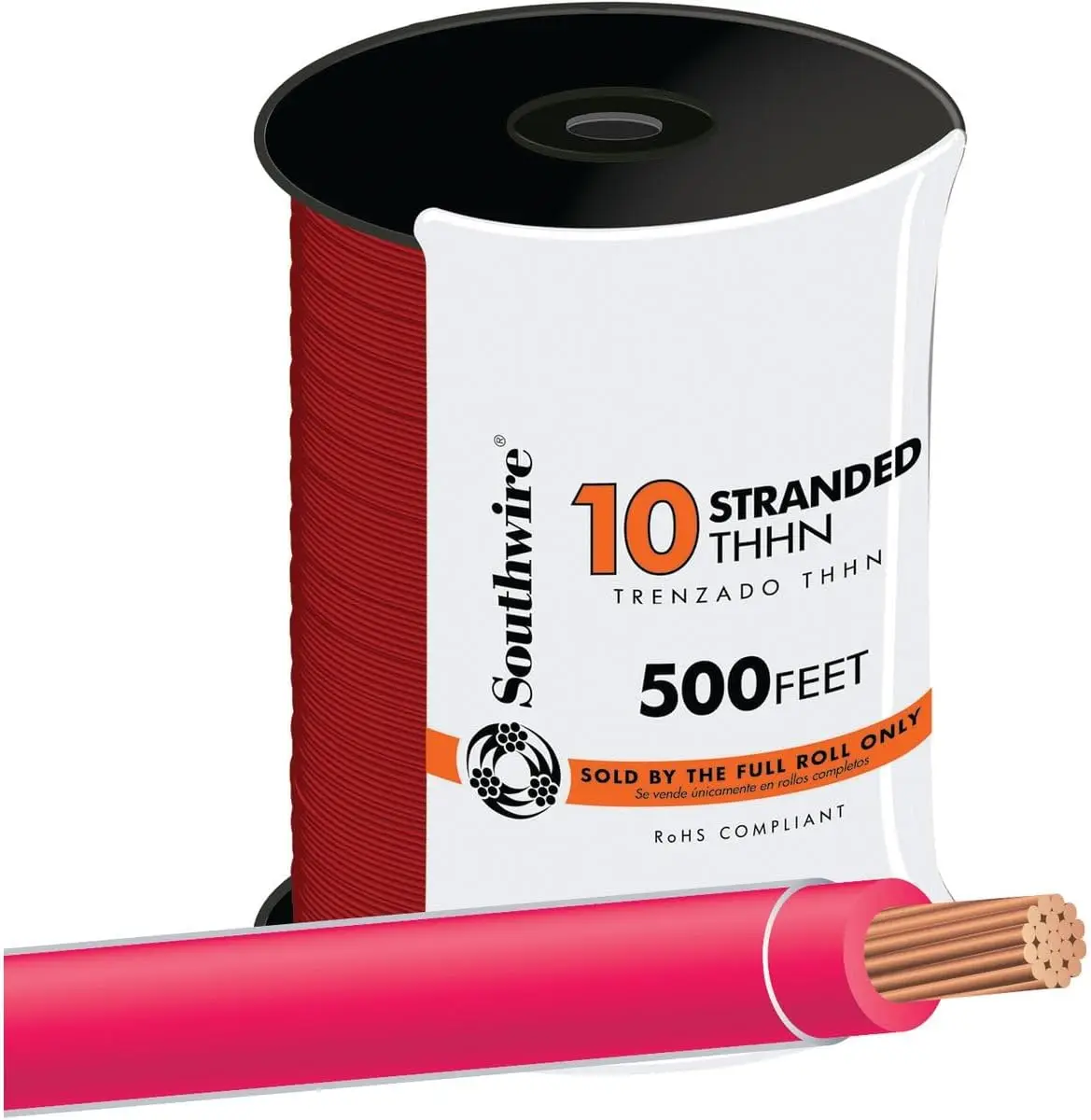
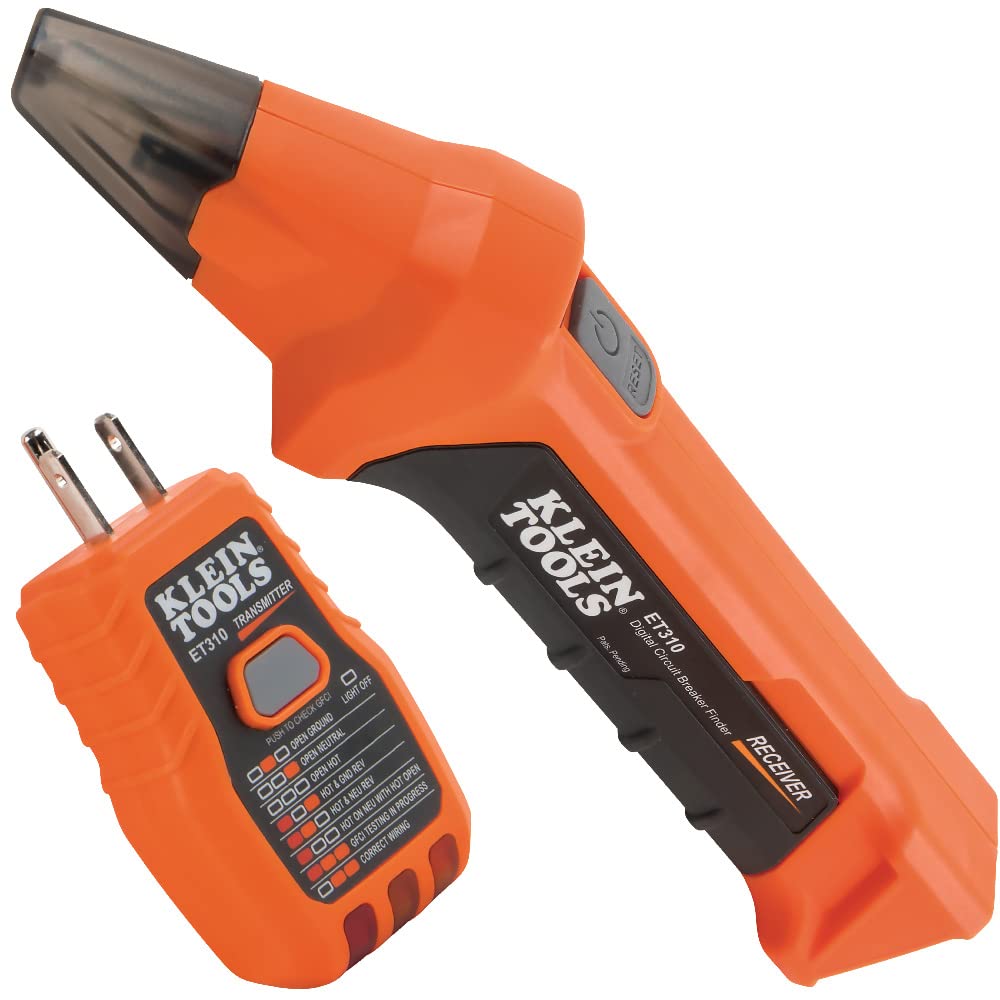
Field meters, pulling tools, and conductors—selected for electricians validating drops and installing upsized runs (affiliate links).

As an Amazon Associate, TestTalkHQ earns from qualifying purchases. Prices and availability subject to change.
The NEC addresses voltage drop through informational notes in NEC 210.19(A)(1) and 215.2(A)(3)(b)—often summarized as 3% maximum for branch circuits and 5% maximum combined feeder plus branch. Some jurisdictions adopt these as requirements; confirm locally.
In resistance form for single-phase: Vdrop = 2 × I × L × R ÷ 1000, with R in ohms per thousand feet. For three-phase, this calculator uses the common √3 line-to-line factor on the same resistance basis (see step-by-step output).
Is the 3% “rule” mandatory everywhere?
No—it originates as an informational note. Treat it as good practice and check AHJ enforcement.
Can I use larger wire than the breaker suggests?
Yes, when upsizing for voltage drop while meeting ampacity and termination limits.
Related calculators
Standard voltage drop calculator · Panel schedule calculator